
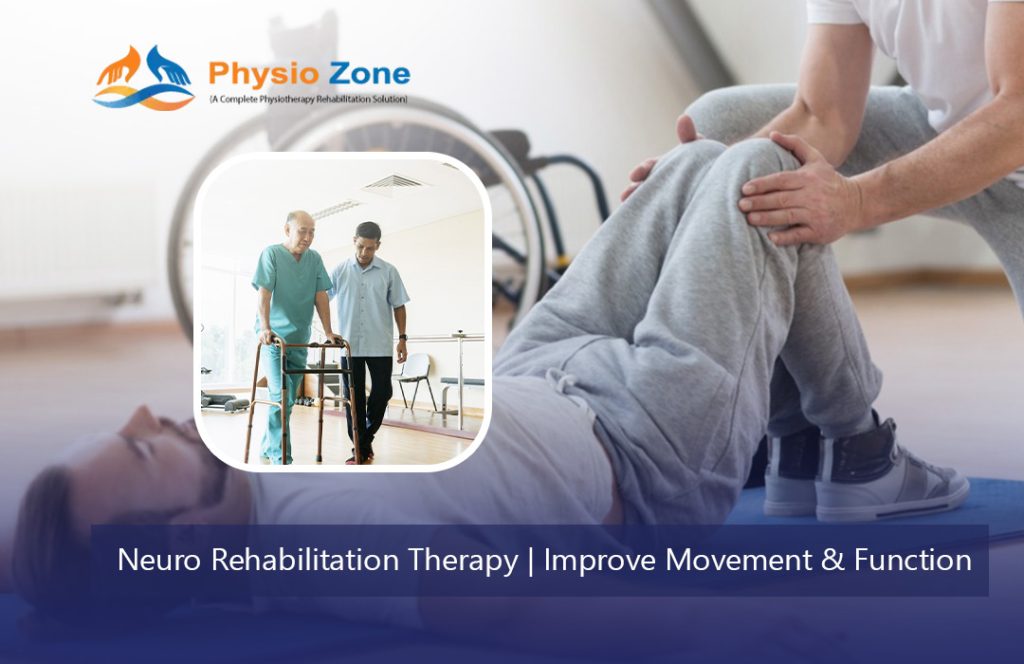
What Is Neuro Rehabilitation Therapy and How Does It Work?
Neuro rehabilitation therapy is a specialized treatment designed to help people recover movement, strength, balance, and daily function after brain or nerve damage. This therapy is commonly recommended after neurological conditions such as stroke, spinal cord injury, brain injury, or nerve disorders.
The therapy works by retraining the nervous system. Through repeated, goal-oriented exercises, the brain is encouraged to form new neural pathways. As a result, lost or weakened functions can gradually be restored. Treatment plans are always personalized based on the patient’s condition, age, and recovery goals.
Who Needs Neuro Rehabilitation Therapy? Common Conditions Treated
Neuro rehabilitation therapy is recommended for individuals experiencing movement or coordination problems caused by neurological conditions. It is often prescribed for:
- Stroke patients
- Brain injury or traumatic brain injury (TBI)
- Spinal cord injury
- Parkinson’s disease
- Multiple sclerosis
- Nerve injury or neuropathy
- Cerebral palsy
Early assessment is usually advised, as delayed treatment may slow recovery. At PhysioZone BD, therapy programs are carefully designed to support both short-term improvement and long-term independence.
Benefits of Neuro Rehabilitation Therapy for Brain and Nerve Recovery
Many benefits can be experienced through regular neuro rehabilitation therapy. Mobility is gradually improved. Muscle stiffness and weakness are reduced. Balance and coordination are enhanced. Daily activities become easier to perform.
Emotional confidence is also supported. When movement improves, independence increases. This leads to a better quality of life. With professional guidance, recovery is made safer, faster, and more effective.
Role of Neuro Physiotherapy in Restoring Movement and Coordination
Neuro physiotherapy plays a vital role in neuro rehabilitation therapy. Specialized physiotherapy techniques are used to restore movement patterns, posture, and muscle control.
Therapy sessions may include:
- Functional movement training
- Muscle re-education
- Stretching and strengthening
- Coordination and balance exercises
Each session is structured to stimulate the nervous system while preventing fatigue or injury. Progress is closely monitored to ensure safe improvement.
Neuro Rehabilitation After Stroke: Improving Mobility and Independence
Stroke is one of the most common reasons for neuro rehabilitation therapy. After a stroke, movement on one side of the body is often affected. Walking, speaking, and hand function may be limited.
Through consistent therapy, mobility can be improved. Walking ability is gradually restored. Hand function can become more controlled. Independence in daily tasks is often achieved with time and commitment.
Treatment Techniques Used in Modern Neuro Rehabilitation Therapy
Modern neuro rehabilitation therapy uses evidence-based techniques to achieve better outcomes. Common methods include:
- Task-specific training
- Balance and gait training
- Electrical muscle stimulation
- Manual therapy
- Functional exercise programs
Advanced tools and hands-on techniques are combined to maximize recovery. All treatments are delivered under professional supervision for safety and effectiveness.
How Neuro Rehabilitation Therapy Helps Improve Balance and Walking
Balance problems are common in neurological conditions. Neuro rehabilitation therapy focuses on improving postural control and walking patterns.
Weight-shifting exercises are practiced. Gait training is gradually progressed. Assistive devices may be used initially and reduced over time. With consistent therapy, confidence while walking is restored.
Early vs Late Neuro Rehabilitation: Why Timing Matters for Recovery
Early neuro rehabilitation therapy is strongly recommended. When therapy is started early, the brain responds more effectively to training. Faster and better recovery outcomes are often achieved.
Late rehabilitation can still be beneficial, but progress may be slower. That is why early consultation with a qualified neuro physiotherapist is advised.
What to Expect During a Neuro Rehabilitation Therapy Session
Each therapy session begins with an assessment. Movement, strength, and balance are evaluated. A personalized treatment plan is then followed.
Exercises are demonstrated and guided carefully. Rest periods are included to avoid exhaustion. Progress is reviewed regularly, and exercises are adjusted as needed.
Choosing the Right Neuro Rehabilitation Center or Therapist
Choosing the right center is essential for successful recovery. A qualified neuro physiotherapist, modern facilities, and personalized care should be prioritized.
At PhysioZone BD, evidence-based neuro rehabilitation therapy is provided in a supportive and professional environment. Every patient is treated with care, respect, and clear recovery goals.
Frequently Asked Questions (FAQs)
How long does neuro rehabilitation therapy take?
Recovery time varies. Some patients improve in weeks, while others need several months.
Is neuro rehabilitation therapy painful?
Therapy is not painful. Exercises are designed to be safe and comfortable.
Can elderly patients benefit from neuro rehabilitation therapy?
Yes. Age does not prevent improvement with proper therapy.
How many sessions are usually required?
The number of sessions depends on the condition and severity.
Is home-based neuro rehabilitation effective?
Yes, when guided by a professional therapist.
Can therapy help long-term neurological conditions?
Yes. Function and quality of life can be improved even in chronic cases.
Conclusion
Neuro rehabilitation therapy plays a crucial role in restoring movement, balance, and independence after neurological conditions. With early intervention, professional care, and consistent therapy, meaningful recovery can be achieved. For expert neuro rehabilitation therapy in Bangladesh, PhysioZone BD offers trusted and patient-focused treatment solutions.