
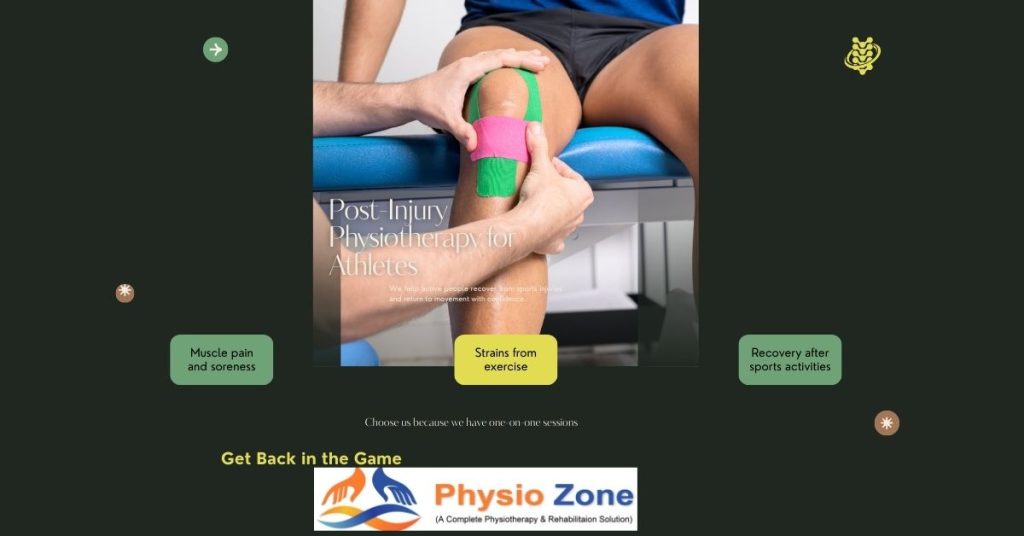
Introduction
Injury recovery is one of the most critical phases of an athlete’s career. Whether you’re a professional or a recreational athlete, how you handle recovery can significantly affect your performance and long-term health. Post-injury physiotherapy for athletes is the key to returning to your sport faster, safer, and without setbacks.
At PhysioZoneBD, we offer specialized physiotherapy services in Bangladesh, providing tailored rehabilitation programs to meet the unique needs of athletes across various sports. Our physiotherapists use cutting-edge techniques and personalized treatment plans to help you recover effectively. We work with athletes recovering from all types of injuries, from minor sprains to complex fractures, ensuring a safe and swift return to peak performance.
Our goal is straightforward: to help you recover quickly, minimize pain, prevent future injuries, and get back to doing what you love—competing and performing at your best.
Benefits of Post-Injury Physiotherapy for Athletes
- Accelerated Healing
The primary goal of post-injury physiotherapy is to accelerate recovery. The faster your body heals, the quicker you can get back to your sport. Physiotherapists use various techniques, such as therapeutic exercises, ultrasound therapy, and joint mobilization, to stimulate the body’s natural healing process. These methods reduce swelling, improve blood circulation, and increase tissue repair, allowing you to recover faster and get back on track with minimal downtime.
Therapeutic exercises improve muscle strength and flexibility, enabling your body to regain normal function. Ultrasound therapy uses high-frequency sound waves to target deep tissue, reduce inflammation, and promote cell regeneration. Meanwhile, joint mobilization helps restore normal joint movement, reducing stiffness and aiding healing.
- Prevention of Recurrent Injuries
One of the most significant risks after an injury is the possibility of reinjuring the same body part. Post-injury physiotherapy not only helps you heal but also works to prevent future injuries. By identifying muscle imbalances or weaknesses that contributed to the injury, physiotherapists create specific rehabilitation exercises to strengthen those muscles. Correcting posture, improving flexibility, and balancing your body alignment can significantly reduce the chances of re-injury.
For example, if a player’s injury was caused by a lack of core strength, physiotherapists would develop a recovery plan that includes exercises targeting the core muscles to prevent such injuries in the future.
- Customized Recovery Plan
Every athlete is different, and so is their recovery. At PhysioZoneBD, our physiotherapists assess your injury and movement to create a customized recovery plan tailored to your sport-specific needs. For a football player, recovery may focus on quick lateral movements, while for a tennis player, wrist and shoulder mobility may be the priority.
The recovery plan will include a variety of stretches, strength-building exercises, and functional movement drills. These exercises are designed not only restore your strength and flexibility but also to prepare you for the unique movements required in your sport.
- Restoring Mobility and Functionality
Injuries can result in a loss of mobility and function in the affected body part, seriously hindering an athlete’s performance. Physiotherapists use specialized techniques to help restore your full range of motion and improve agility. Whether you have a knee injury, an ankle sprain, or a shoulder problem, physiotherapy can help you regain the functionality you need to return to the field.
Through carefully targeted exercises, physiotherapists work to stretch and strengthen the muscles surrounding the injured joint or muscle, gradually increasing your range of motion. This restoration of movement not only helps you return to your sport but also improves overall performance.
How Post-Injury Physiotherapy Works
- Initial Assessment and Diagnosis
The first step in post-injury physiotherapy is a comprehensive evaluation. Your physiotherapist will assess your injury, evaluating muscle strength, joint stability, flexibility, and functional movement patterns. This helps in identifying the root cause of the injury, its severity, and any imbalances that need to be corrected.
The physiotherapist will also take into account your sport-specific movements. For example, a swimmer’s rehabilitation might include exercises that emphasize shoulder mobility, while a runner’s treatment might focus on lower-limb strength and flexibility.
- Rehabilitation Exercises
Once the assessment is complete, your physiotherapist will guide you through a series of rehabilitation exercises. These exercises aim to strengthen the muscles surrounding the injured area, improve flexibility, and enhance mobility. They may include:
- Strengthening exercises to rebuild muscle strength.
- Stretching routines to restore flexibility and range of motion.
- Balance and agility drills to improve stability and functional movement.
- Proprioceptive exercises to enhance body awareness and coordination, especially in the injured area.
By performing these exercises, you are helping your body regain its full potential. These movements also support tissue healing and help your body adapt to stress, both of which are essential when returning to competitive play.
- Manual Therapy and Modalities
In addition to exercises, physiotherapists often use manual therapy techniques, such as joint mobilizations and soft tissue release, to alleviate pain and improve range of motion. Manual therapy techniques involve hands-on manipulation of the joints, muscles, and soft tissues to reduce stiffness and promote healing.
Other modalities, such as heat therapy, cold therapy, and electrical stimulation, may also be used to reduce inflammation, manage pain, and promote blood circulation to the injured area. These techniques help to provide relief and facilitate healing, allowing you to recover faster and more effectively.
- Progressive Activity Training
As you progress in your recovery, physiotherapists will gradually introduce sport-specific drills and activities. These exercises are designed to mimic the movements required for your sport and help you safely return to competition. For example, if you are a basketball player recovering from an ankle injury, your physiotherapist may incorporate jumping and quick pivoting drills into your rehabilitation plan.
This progressive approach ensures that you don’t return to your sport too soon, which could lead to re-injury. Instead, the goal is to build strength, endurance, and flexibility at a pace that aligns with your body’s recovery.
Service Highlights
- Experienced Physiotherapists: Our team of physiotherapists is highly skilled in sports rehabilitation and has experience working with athletes across all disciplines. We stay up to date on the latest rehabilitation techniques and recovery trends to ensure you receive the best possible care.
- State-of-the-Art Facilities: At PhysioZoneBD, we offer advanced equipment and technology to assess and treat injuries effectively. Our clinic is equipped with ultrasound therapy, electrotherapy devices, and other innovative tools to accelerate recovery.
- Holistic Approach: We believe in treating the whole body, not just the injury. Our holistic approach focuses on improving your overall strength, flexibility, and performance, helping you return to sport not just as good as before, but better.
Why Choose PhysioZoneBD for Post-Injury Physiotherapy?
At PhysioZoneBD, we understand the importance of a safe and effective recovery for athletes. Whether you’re recovering from a sprain, strain, fracture, or another sports-related injury, our clinic offers a comprehensive treatment plan to help you return to your sport quickly and safely. We work with athletes across various sports, including football, basketball, tennis, cricket, and athletics, providing individualized care tailored to your needs.
We adhere to the highest industry standards and regulations, ensuring you receive the best possible care. Our commitment to evidence-based practices ensures that your recovery plan is both safe and effective, providing you with the tools to return to peak performance.
FAQs
How long does post-injury physiotherapy take?
The duration of physiotherapy varies depending on the severity of the injury and the individual. Typically, the rehabilitation process takes 4-6 weeks, but for more severe injuries, it can take longer.
Can physiotherapy help prevent injuries?
Yes, physiotherapy focuses on strengthening muscles, improving flexibility, and restoring balance, which helps to prevent future injuries. It also addresses any underlying imbalances that could lead to injury.
Do I need a doctor’s referral to see a physiotherapist?
In most cases, you do not need a doctor’s referral to see a physiotherapist. However, if you’ve sustained a significant injury, it’s a good idea to consult your doctor first.