
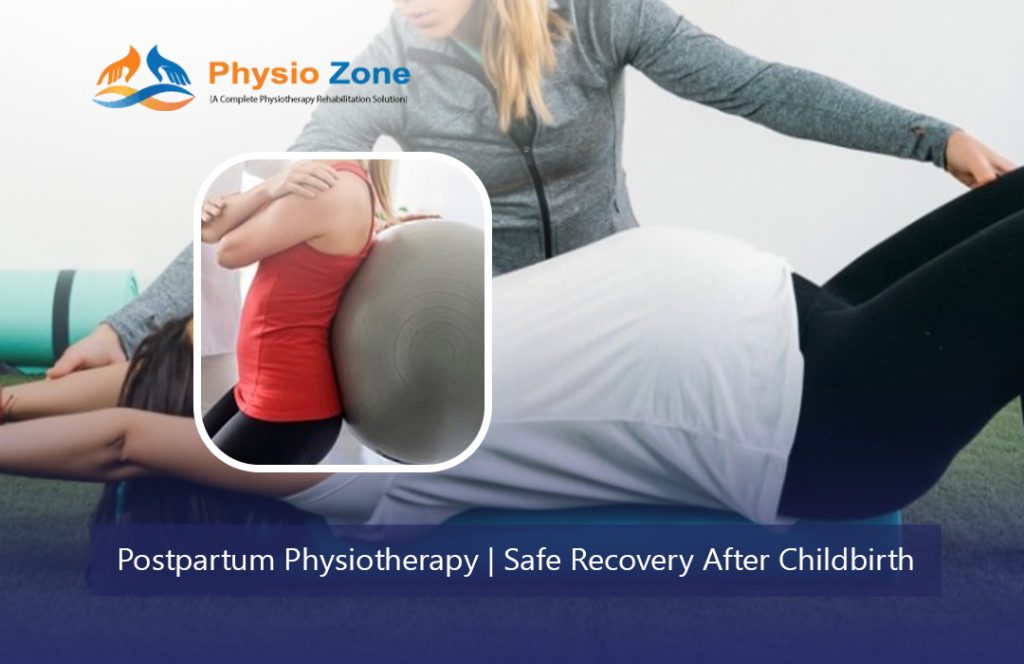
Childbirth is a beautiful journey, but it brings physical challenges that many new mothers face. Postpartum physiotherapy is a specialized treatment that helps women recover safely, restore strength, and regain mobility after delivery. Whether you had a normal birth or a C-section, physiotherapy after childbirth is essential for long-term health and comfort.
What Is Postpartum Physiotherapy and Why New Mothers Need It
Postpartum physiotherapy is a type of therapy focused on healing the body after pregnancy. It addresses common issues such as weakened core muscles, pelvic floor dysfunction, back pain, and joint discomfort. Early intervention through physiotherapy can prevent long-term complications, improve mobility, and support overall well-being.
Women who engage in postpartum physiotherapy experience faster recovery, reduced pain, and increased confidence in daily activities.
Common Post-Pregnancy Problems Treated With Physiotherapy
After childbirth, many women face:
- Pelvic floor weakness leading to incontinence or prolapse
- Diastasis recti (separation of abdominal muscles)
- Back, hip, and joint pain due to posture changes
- Reduced core stability and mobility
- Scar tissue issues after a C-section
Physiotherapy treatments are designed to target these issues safely and effectively, ensuring a smoother recovery process.
When Should You Start Postpartum Physiotherapy After Childbirth?
Timing is important for safe recovery. Typically, physiotherapy can begin:
- After a normal delivery: 6 weeks postpartum
- After a C-section: Once the incision has healed and doctor approval is obtained
Early physiotherapy ensures that muscles regain strength, joints recover function, and pain is managed properly. Delaying treatment may prolong discomfort or lead to further complications.
Benefits of Postpartum Physiotherapy for Faster and Safer Recovery
The advantages of postpartum physiotherapy are significant:
- Strengthens core muscles and improves stability
- Reduces pain in the back, hips, and joints
- Prevents pelvic floor problems such as incontinence or prolapse
- Enhances mobility and flexibility for daily activities
- Promotes overall health and confidence in physical recovery
Investing time in physiotherapy is not only about healing but also about ensuring long-term wellness.
Pelvic Floor Physiotherapy After Delivery: Why It’s Essential
The pelvic floor muscles support the bladder, uterus, and bowel. Pregnancy and childbirth often weaken these muscles, leading to urinary incontinence, prolapse, or sexual dysfunction. Postpartum pelvic floor exercises guided by a physiotherapist can restore muscle strength, improve function, and prevent complications.
Postpartum Physiotherapy Exercises for Core Strength and Stability
Some commonly recommended exercises include:
- Kegel exercises for pelvic floor strengthening
- Bridging exercises to strengthen glutes and lower back
- Modified crunches for gentle core activation
- Stretching routines to relieve back and hip tension
These exercises, when performed under guidance, accelerate recovery and reduce postnatal discomfort.
Managing Back Pain, Hip Pain, and Joint Pain After Pregnancy
Pregnancy shifts your posture and adds strain to joints and muscles. Postpartum physiotherapy helps manage:
- Lower back pain
- Hip and pelvic pain
- Joint stiffness and discomfort
Through manual therapy, targeted exercises, and posture correction, physiotherapists relieve pain while preventing long-term musculoskeletal problems.
Postpartum Physiotherapy After Normal Delivery vs C-Section
- Normal Delivery: Focus on gentle exercises, pelvic floor, and core strengthening
- C-Section: Emphasis on scar tissue management, safe abdominal exercises, and gradual core activation
Tailored physiotherapy plans ensure recovery is safe, effective, and personalized for each mother.
How Physiotherapy Helps With Diastasis Recti Recovery
Diastasis recti is a common condition where abdominal muscles separate during pregnancy. Postpartum physiotherapy helps:
- Restore abdominal strength
- Improve posture and core stability
- Reduce discomfort and prevent hernia risk
Targeted exercises accelerate healing and support daily activities with less strain.
Choosing the Right Postpartum Physiotherapist for Your Recovery
Selecting an experienced physiotherapist ensures a safe and effective recovery. Look for:
- Certifications in postpartum physiotherapy
- Experience with pelvic floor and core rehabilitation
- Personalized treatment plans and ongoing guidance
A skilled physiotherapist not only treats physical issues but also educates mothers on maintaining long-term health.
Conclusion
Postpartum physiotherapy is crucial for every new mother. It ensures a safe recovery, relieves pain, strengthens muscles, and restores mobility. Investing in professional physiotherapy after childbirth can prevent long-term issues and promote overall well-being. For a safe and guided recovery, consult experienced physiotherapists today.
Frequently Asked Questions (FAQs)
How soon can I start postpartum physiotherapy?
After a normal delivery, typically 6 weeks; after a C-section, when the incision is fully healed and doctor-approved.
Is postpartum physiotherapy painful?
No, exercises are gentle and designed to gradually restore strength without causing discomfort.
Can postpartum physiotherapy prevent urinary incontinence?
Yes, pelvic floor exercises guided by a physiotherapist strengthen muscles and reduce incontinence risk.
Do I need physiotherapy after every type of delivery?
While recommended for all, the approach may differ between normal and C-section deliveries.
How long does recovery take with postpartum physiotherapy?
Recovery varies, but consistent therapy often shows noticeable improvement in 6–12 weeks.
Can I do postpartum physiotherapy at home?
Yes, with guidance from a physiotherapist, safe home exercises can complement in-clinic sessions.