
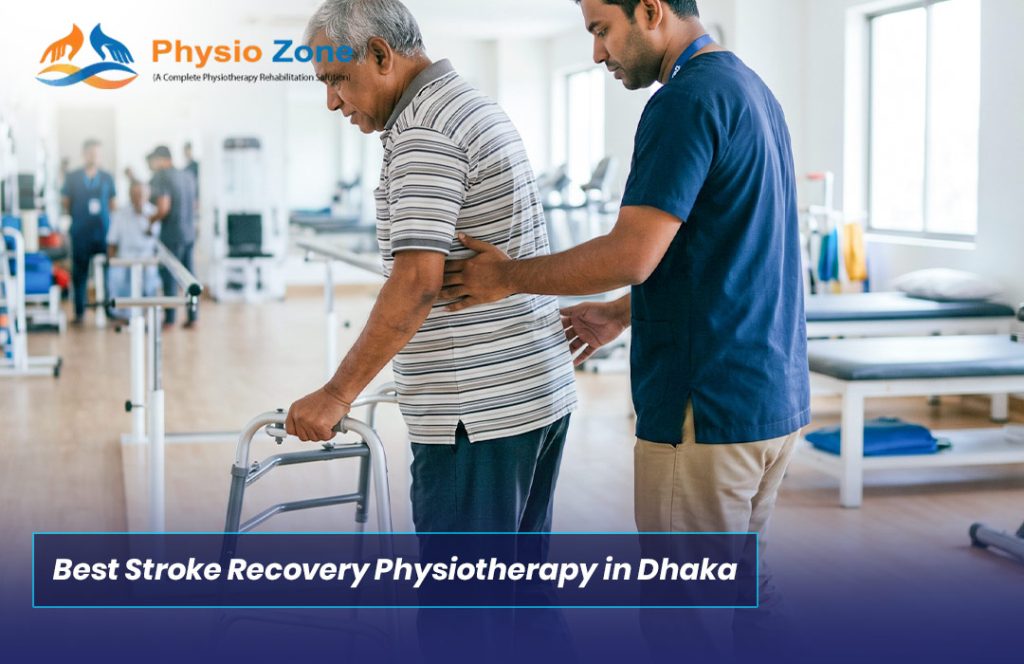
Stroke is one of the leading causes of disability worldwide, and many people in Bangladesh experience physical challenges after a stroke. Weakness, difficulty walking, balance problems, speech issues, and reduced independence are common problems faced by stroke survivors. Fortunately, proper rehabilitation and physiotherapy can significantly improve recovery and quality of life.
If you are looking for the best stroke recovery physiotherapy in Dhaka, understanding the importance of early rehabilitation and choosing the right treatment approach can make a huge difference. Modern physiotherapy helps patients regain movement, strength, coordination, and confidence while reducing complications associated with stroke.
What Is a Stroke?
A stroke occurs when the blood supply to a part of the brain is interrupted. This interruption causes damage to brain cells, affecting different body functions depending on the area involved.
There are two major types of stroke:
- Ischemic Stroke (caused by blood clots)
- Hemorrhagic Stroke (caused by bleeding in the brain)
Stroke can affect:
- Muscle strength
- Walking ability
- Balance and coordination
- Speech and swallowing
- Memory and cognitive function
- Daily activities
Because every stroke is different, each patient requires an individualized rehabilitation program.
Why Physiotherapy Is Important After Stroke
Stroke rehabilitation is essential because the brain has the ability to reorganize itself through a process known as neuroplasticity. Physiotherapy uses repetitive exercises and functional training to help the brain create new pathways and regain lost functions.
The main goals of stroke physiotherapy include:
- Restoring mobility
- Improving muscle strength
- Enhancing balance and coordination
- Preventing muscle stiffness
- Increasing independence
- Reducing the risk of falls
- Improving overall quality of life
Early rehabilitation often produces better outcomes than delayed treatment.
Common Problems After Stroke
Every stroke survivor experiences different symptoms. Some of the most common issues include:
Weakness on One Side of the Body
Many patients develop weakness or paralysis affecting one side. This can make walking, standing, and daily activities difficult.
Balance Problems
Poor balance increases the risk of falling and injury.
Muscle Tightness
Spasticity and stiffness can restrict movement and cause discomfort.
Difficulty Walking
Patients may struggle with:
- Standing up
- Climbing stairs
- Walking independently
Hand Function Problems
Loss of hand movement affects activities like:
- Eating
- Writing
- Dressing
- Holding objects
Speech and Swallowing Issues
Some stroke survivors experience communication difficulties or problems swallowing food safely.
Benefits of Stroke Physiotherapy
Professional physiotherapy offers numerous benefits:
Faster Recovery
Regular exercise and guided treatment accelerate functional improvements.
Improved Mobility
Patients gradually regain the ability to:
- Sit
- Stand
- Walk
- Climb stairs
Better Muscle Strength
Strengthening exercises help restore movement and prevent weakness.
Reduced Pain and Stiffness
Stretching and mobility exercises minimize joint problems.
Enhanced Balance
Balance training reduces the chances of falling.
Greater Independence
Patients become more capable of performing daily activities without assistance.
Improved Quality of Life
Stroke rehabilitation promotes confidence and social participation.
When Should Stroke Rehabilitation Start?
Experts recommend beginning rehabilitation as early as possible after medical stabilization. Early intervention helps maximize recovery potential and reduce long-term disability.
Generally, rehabilitation can start:
- Within 24–72 hours after stroke (under medical supervision)
- During hospitalization
- After discharge at home or in rehabilitation centers
Delaying therapy can result in:
- Muscle contractures
- Joint stiffness
- Loss of mobility
- Poor functional outcomes
Physiotherapy Techniques Used for Stroke Recovery
Functional Exercise Training
Therapists focus on activities patients need in daily life, such as:
- Standing
- Walking
- Sitting
- Reaching
- Grasping objects
These exercises improve independence.
Range of Motion Exercises
These exercises prevent stiffness and maintain joint flexibility.
Benefits include:
- Reduced pain
- Better mobility
- Prevention of contractures
Strength Training
Muscle weakness is common after stroke.
Strengthening exercises target:
- Arms
- Legs
- Core muscles
This improves overall physical performance.
Balance Training
Balance exercises help patients:
- Stand steadily
- Walk safely
- Prevent falls
Examples include:
- Weight shifting
- Standing exercises
- Stability activities
Gait Training
Walking retraining is one of the most important components of stroke rehabilitation.
Therapists help patients:
- Improve posture
- Increase walking speed
- Enhance coordination
- Build confidence
Advanced gait training methods are often used in neurological rehabilitation centers.
Neurodevelopmental Therapy
This approach aims to restore normal movement patterns and improve motor control.
It focuses on:
- Posture
- Balance
- Muscle coordination
Electrical Stimulation
Electrical stimulation may assist weakened muscles and improve movement in selected patients.
Modern rehabilitation centers often include electrotherapy as part of treatment programs.
Home Exercise Programs
Home exercises are essential because recovery depends on repetition and consistency.
Patients are encouraged to practice regularly to maximize brain plasticity and functional improvement.
Stages of Stroke Recovery
Acute Stage
Occurs immediately after stroke.
Goals include:
- Preventing complications
- Positioning
- Gentle movement exercises
Subacute Stage
During this phase, therapists work on:
- Sitting balance
- Standing
- Walking
- Functional training
Chronic Stage
Even months or years after stroke, patients can still make improvements with proper rehabilitation.
Treatment focuses on:
- Strength
- Mobility
- Endurance
- Independence
Signs That Indicate You Need Professional Stroke Physiotherapy
Seek physiotherapy if a stroke survivor experiences:
- Weakness in arms or legs
- Difficulty walking
- Loss of balance
- Frequent falls
- Muscle stiffness
- Paralysis
- Difficulty standing
- Reduced hand function
- Lack of independence
Early treatment generally provides better outcomes.
Home Physiotherapy for Stroke Patients
Many stroke patients have difficulty traveling. Home physiotherapy services are becoming increasingly popular in Dhaka because they offer:
Convenience
Patients receive treatment in familiar surroundings.
Personalized Attention
Therapists tailor exercises according to individual needs.
Better Family Involvement
Caregivers learn how to assist safely.
Increased Comfort
Patients often feel more relaxed at home.
Role of Family Members During Recovery
Family support plays a crucial role in stroke rehabilitation.
Caregivers should:
- Encourage exercise participation.
- Provide emotional support.
- Ensure medication compliance.
- Promote independence.
- Avoid doing everything for the patient.
- Maintain a safe environment.
Recovery becomes more successful when family members actively participate.
How Long Does Stroke Recovery Take?
Recovery time varies depending on:
- Severity of stroke
- Age of the patient
- Overall health
- Speed of rehabilitation
- Consistency of exercises
Some patients recover within several months, while others may require years of rehabilitation.
Progress usually continues over time with proper therapy and dedication.
Features of the Best Stroke Recovery Physiotherapy Center in Dhaka
When choosing a rehabilitation center, look for:
Experienced Physiotherapists
Professionals with neurological rehabilitation expertise can provide better outcomes.
Individualized Treatment Plans
Each stroke survivor has unique needs.
Multidisciplinary Approach
Collaboration among:
- Physiotherapists
- Occupational therapists
- Speech therapists
provides comprehensive care.
Modern Equipment
Advanced rehabilitation tools enhance treatment effectiveness.
Evidence-Based Treatment
Scientific approaches ensure safe and effective recovery.
Home Physiotherapy Services
Home-based rehabilitation is beneficial for patients with mobility limitations.
Tips for Faster Stroke Recovery
Exercise Regularly
Consistency is one of the biggest factors affecting recovery.
Follow Medical Advice
Always follow recommendations from doctors and therapists.
Maintain Proper Nutrition
Healthy food supports brain recovery.
Stay Positive
Mental health and motivation are essential.
Practice Daily Activities
Simple tasks help improve independence.
Prevent Falls
Ensure a safe environment by:
- Removing obstacles
- Installing handrails
- Using assistive devices when needed
Can Stroke Patients Fully Recover?
Recovery varies from person to person.
Many patients achieve significant improvements in:
- Walking
- Balance
- Arm function
- Daily activities
Some individuals regain complete independence, while others may require ongoing support.
The key factors influencing recovery include:
- Early rehabilitation
- Consistent physiotherapy
- Family support
- Motivation
- Professional guidance
Why Early Stroke Rehabilitation Matters
Research and clinical experience show that starting physiotherapy early helps maximize brain plasticity and improves functional outcomes. Delayed rehabilitation may reduce the chances of regaining movement and independence.
Final Thoughts
Finding the best stroke recovery physiotherapy in Dhaka is one of the most important decisions for stroke survivors and their families. Stroke rehabilitation is not just about exercises; it is a comprehensive process aimed at restoring independence, improving mobility, and enhancing quality of life.
With the right physiotherapist, structured rehabilitation program, and consistent effort, many stroke survivors can achieve remarkable improvements. Early intervention, evidence-based treatment, and strong family support remain the foundations of successful recovery.
If you or a loved one has suffered a stroke, do not delay rehabilitation. Timely physiotherapy can make a life-changing difference and help patients regain confidence, mobility, and independence.