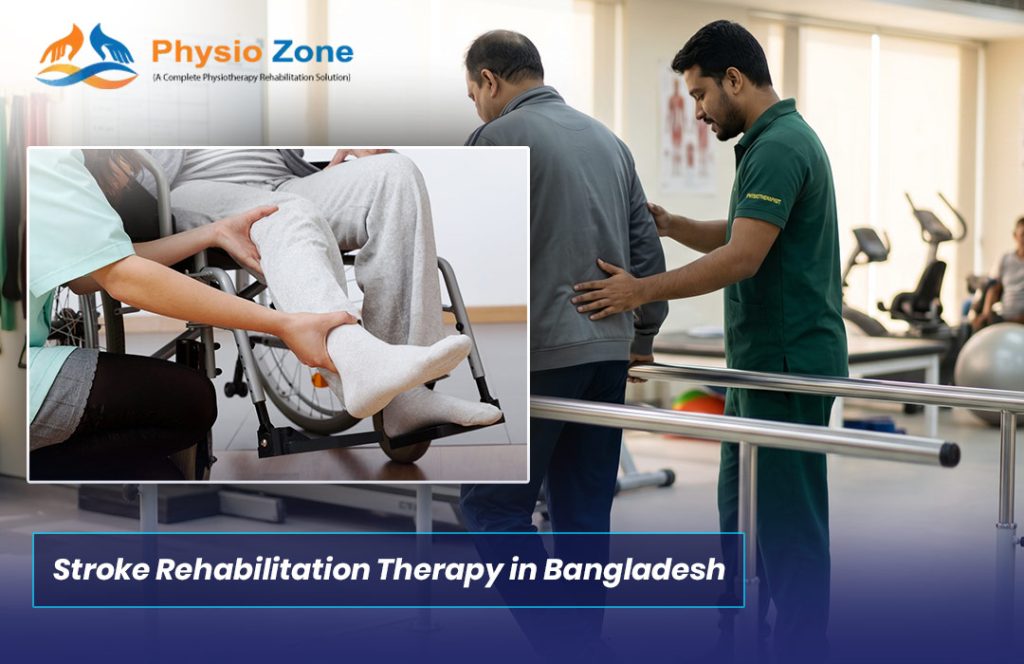
Stroke is one of the leading causes of disability around the world, including Bangladesh. Many people who survive a stroke face difficulties with movement, speech, balance, and daily activities. However, with proper rehabilitation therapy, patients can regain independence and improve their quality of life.
Stroke rehabilitation therapy plays an important role in helping stroke survivors recover physically, mentally, and emotionally. In Bangladesh, the demand for professional stroke rehabilitation services is increasing as more people become aware of the benefits of early and structured physiotherapy.
If you or a loved one is recovering from a stroke, understanding rehabilitation therapy can help you make better decisions and achieve better results.
What Is Stroke Rehabilitation Therapy?
Stroke rehabilitation therapy is a specialized treatment program designed to help stroke survivors recover lost functions and regain independence. It includes various therapies that focus on improving movement, muscle strength, balance, coordination, speech, and daily living skills.
The main goal of rehabilitation is to help patients return to their normal lives as much as possible.
For more information about physiotherapy services, visit:
Why Is Stroke Rehabilitation Important?
A stroke can affect different parts of the brain. Depending on the area involved, patients may experience:
- Weakness on one side of the body
- Difficulty walking
- Loss of balance
- Muscle stiffness
- Speech problems
- Swallowing difficulties
- Memory and cognitive issues
- Difficulty performing daily activities
Without proper rehabilitation, these problems may become permanent. Early rehabilitation significantly increases the chances of recovery.
Learn more about neurological physiotherapy at:
Understanding Stroke in Bangladesh
Stroke has become a major health concern in Bangladesh. Factors such as high blood pressure, diabetes, smoking, obesity, and lack of physical activity contribute to the growing number of stroke cases.
Many patients are now seeking professional rehabilitation services because recovery does not end after hospital discharge. Continuous therapy is necessary to improve mobility and restore function.
Read more:
When Should Stroke Rehabilitation Begin?
Rehabilitation should start as early as possible. In many cases, therapy begins within 24 to 48 hours after the patient’s condition becomes stable.
Early rehabilitation offers several advantages:
- Faster recovery
- Reduced complications
- Improved muscle strength
- Better balance and coordination
- Increased independence
- Lower risk of long-term disability
For expert guidance, visit:
Goals of Stroke Rehabilitation Therapy
Every patient has unique needs, but the common goals include:
Restoring Movement
Physiotherapy helps improve the movement of affected arms and legs through targeted exercises and training.
Improving Balance
Balance problems are common after a stroke. Rehabilitation exercises help reduce the risk of falls.
Increasing Muscle Strength
Strengthening exercises help weak muscles become stronger and more functional.
Reducing Muscle Stiffness
Stretching techniques and therapeutic exercises help manage spasticity and improve flexibility.
Enhancing Walking Ability
Gait training helps patients regain confidence and independence while walking.
Improving Daily Activities
Therapists teach patients how to perform everyday tasks such as dressing, bathing, and eating.
Learn about musculoskeletal physiotherapy:
Types of Stroke Rehabilitation Therapy
Physiotherapy
Physiotherapy is one of the most important components of stroke recovery. It focuses on:
- Muscle strengthening
- Range of motion exercises
- Balance training
- Walking exercises
- Coordination improvement
- Posture correction
Read more:
Occupational Therapy
Occupational therapy helps patients regain the ability to perform daily activities independently.
These activities include:
- Eating
- Dressing
- Writing
- Bathing
- Using household items
Speech and Language Therapy
Some stroke survivors experience communication difficulties. Speech therapy helps improve:
- Speaking
- Understanding language
- Reading
- Writing
- Swallowing function
Cognitive Rehabilitation
This therapy addresses problems related to:
- Memory
- Attention
- Concentration
- Problem-solving skills
Common Problems After Stroke
Weakness on One Side of the Body
Hemiplegia or hemiparesis is common after a stroke. Patients often struggle with movement and coordination.
Muscle Tightness
Spasticity causes muscles to become stiff and difficult to move.
Difficulty Walking
Walking problems can affect confidence and increase the risk of falls.
Balance Disorders
Poor balance makes everyday activities challenging.
Shoulder Pain
Many stroke patients experience pain in the shoulder due to muscle weakness and improper positioning.
Speech Problems
Communication difficulties can affect social interaction and emotional well-being.
Learn more about balance rehabilitation:
Benefits of Stroke Rehabilitation Therapy
Stroke rehabilitation offers many benefits:
- Improves mobility
- Enhances muscle strength
- Increases flexibility
- Reduces pain
- Improves balance
- Promotes independence
- Enhances quality of life
- Reduces complications
- Prevents secondary disabilities
- Builds confidence
For more details, visit:
Physiotherapy Techniques Used in Stroke Rehabilitation
Range of Motion Exercises
These exercises prevent joint stiffness and maintain flexibility.
Strengthening Exercises
Strength training helps improve muscle function and mobility.
Balance Training
Balance exercises help patients stand and walk safely.
Gait Training
Therapists teach proper walking patterns to improve mobility.
Functional Training
Patients practice real-life activities to regain independence.
Stretching Exercises
Stretching reduces muscle tightness and improves flexibility.
Read more:
Importance of Home Exercise Programs
Recovery continues even after leaving the clinic. Home exercise programs are essential because they:
- Promote faster improvement
- Maintain flexibility
- Increase muscle strength
- Prevent complications
- Support long-term recovery
Patients should follow exercises prescribed by qualified physiotherapists.
Visit:
Stroke Rehabilitation for Elderly Patients
Older adults are at higher risk of stroke. Rehabilitation therapy helps elderly patients:
- Improve mobility
- Maintain independence
- Reduce fall risks
- Improve balance
- Enhance quality of life
Even elderly patients can achieve significant improvements with consistent therapy.
How Long Does Stroke Recovery Take?
Recovery time varies from person to person.
Some patients improve within weeks, while others may require months or years of rehabilitation.
Factors affecting recovery include:
- Severity of the stroke
- Age of the patient
- General health condition
- Early initiation of therapy
- Frequency of rehabilitation sessions
- Family support
Learn more:
The Role of Family Support
Family members play an important role in recovery.
They can help by:
- Encouraging exercise
- Assisting with daily activities
- Providing emotional support
- Ensuring medication compliance
- Helping patients maintain a healthy lifestyle
Positive support often leads to better outcomes.
Preventing Another Stroke
Lifestyle changes are important to reduce the risk of future strokes.
Control Blood Pressure
High blood pressure is one of the biggest risk factors.
Manage Diabetes
Keeping blood sugar levels under control is essential.
Quit Smoking
Smoking significantly increases stroke risk.
Exercise Regularly
Physical activity improves cardiovascular health.
Maintain a Healthy Diet
Eating nutritious foods supports overall health.
Follow Medical Advice
Patients should attend regular check-ups and take medications as prescribed.
Read more:
Why Choose Professional Stroke Rehabilitation Therapy in Bangladesh?
Professional rehabilitation centers provide:
- Personalized treatment plans
- Experienced physiotherapists
- Advanced rehabilitation techniques
- One-to-one care
- Evidence-based treatment
- Long-term recovery programs
The right rehabilitation approach can make a significant difference in a patient’s recovery journey.
Explore all available services:
Conclusion
Stroke rehabilitation therapy in Bangladesh has become increasingly important as more people seek effective ways to recover from stroke-related disabilities. Early intervention, professional physiotherapy, and regular exercise can help stroke survivors regain independence and improve their quality of life.
Recovery after a stroke is a gradual process, but with proper rehabilitation, patience, and family support, many patients can return to their daily activities and enjoy a better future.
If you or a loved one is recovering from a stroke, seeking professional stroke rehabilitation therapy can be one of the most important steps toward a successful recovery.