Skip to content
Sat–Thu · 10 am–9 pm · Uttara, Dhaka

Blogs

Motor Neuron Disease

Motor Neuron Disease: Symptoms, Causes & Treatments

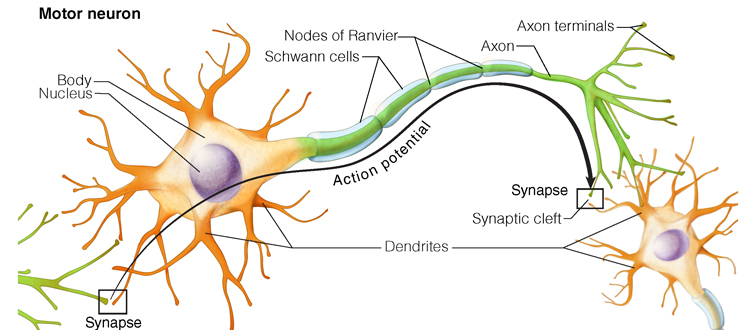
Motor Neuron Disease (MND) is a rare but debilitating condition that affects the nerve cells responsible for controlling voluntary muscles. While it is not as commonly discussed as other neurological conditions, MND has a profound impact on individuals and their families. In this blog, we will explore various aspects of MND, from its symptoms and causes to treatment options and support systems available in Bangladesh. Understanding Motor Neuron Disease: A Brief Overview Motor Neuron Disease is a group of progressive neurological disorders primarily affecting motor neurons, the brain, and spinal cord cells responsible for sending signals to muscles. As these neurons degenerate, muscle function weakens, leading to challenges in mobility, communication, and other daily activities. The most common form of MND is Amyotrophic Lateral Sclerosis (ALS). Key Symptoms to Recognize Early Signs Recognizing early symptoms can be crucial for timely intervention. Some common symptoms include: Muscle weakness, particularly in the arms or legs Difficulty speaking or swallowing Twitching and cramping of muscles Loss of balance and coordination Progressive weight loss and fatigue If you or a loved one experiences these symptoms, it is essential to consult a neurologist promptly. Leading Causes and Risk Factors in Bangladesh The exact causes of MND remain unclear, but several factors may contribute, including: Genetics: Family history plays a significant role in some cases. Environmental Factors: Exposure to toxins, chemicals, or heavy metals may increase risks. Age and Gender: MND is more common in individuals aged 50-70, with men being slightly more at risk. In Bangladesh, occupational hazards and limited awareness can also contribute to the onset of the disease. Diagnosing Motor Neurones Disease: What to Expect Diagnosing MND involves a comprehensive evaluation, including: Neurological examinations to assess reflexes and muscle strength Electromyography (EMG) to measure electrical activity in muscles Blood tests to rule out other conditions Imaging scans like MRI to detect abnormalities in the brain or spinal cord Early diagnosis helps manage symptoms more effectively and plan for long-term care. Effective Treatments Available in BD While there is no cure for MND, several treatments can slow its progression and improve quality of life: Medications: Drugs like Riluzole can reduce the damage to motor neurons. Physical Therapy: To maintain muscle strength and flexibility. Speech Therapy: For individuals experiencing communication challenges. Assistive Devices: Wheelchairs, braces, and communication aids can enhance independence. Leading physiotherapy centres in Bangladesh, like Physio Zone, provide personalized treatment plans for MND patients. Lifestyle Adjustments for Patients and Families Adapting to MND involves lifestyle changes to accommodate physical limitations. These include: Installing mobility aids at home Preparing nutrient-rich, easy-to-swallow meals Establishing a daily exercise routine with a physiotherapist’s guidance Family members also need emotional support and resources to manage caregiving responsibilities. Support Systems and Resources in Bangladesh Support groups and organizations in Bangladesh play a crucial role in helping MND patients and their families. These include: Neurological care centres offering specialized services Online and offline support groups providing emotional and practical assistance Non-governmental organizations (NGOs) working to raise awareness and offer financial aid Research and Advances in Motor Neuron Disease Research into MND is ongoing, with promising advancements in areas such as: Stem cell therapy for regenerating damaged neurons Gene therapy targeting hereditary cases of MND Improved medications aimed at slowing disease progression Bangladesh is gradually adopting global research initiatives, bringing hope to patients. Coping Mechanisms for Patients and Caregivers Living with MND requires robust coping strategies, including: Mindfulness practices and counselling for mental well-being Regular social interaction to combat isolation Education on the disease to empower caregivers Support groups can also be invaluable for sharing experiences and solutions. Where to Seek Specialized Care in BD Patients can contact neurologists and rehabilitation centres across Bangladesh for expert care. Institutions like Physio Zone in Dhaka offer specialized treatment plans tailored to MND patients’ needs. Early intervention and consistent care can significantly enhance the quality of life. Lower motor neuron disease affects nerve cells, causing breathing muscle weakness. A person may have trouble breathing. Doctors check for similar symptoms to diagnose the condition early. Conclusion Motor Neuron Disease presents significant challenges, but with early diagnosis, effective treatments, and robust support systems, patients and caregivers in Bangladesh can find ways to navigate this condition. Awareness and community support are key to ensuring that individuals affected by MND live with dignity and hope.

Motor Neuron Disease: Symptoms, Causes & Treatments Read More »
thoracic outlet syndrome

Thoracic Outlet Syndrome: Causes, Symptoms, And Treatments

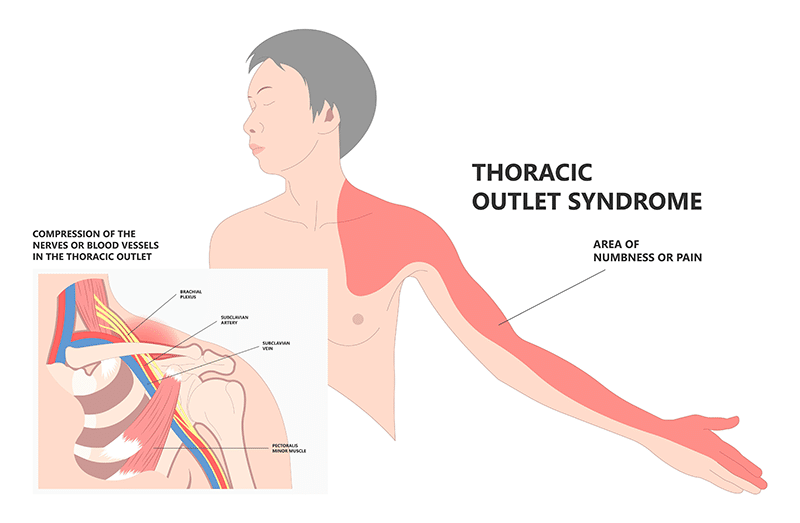
Thoracic Outlet Syndrome (TOS) is a complicated situation that affects the thoracic outlet, the area between your collarbone and first rib where nerves and blood vessels pass through. When this passageway becomes compressed, it can cause a range of symptoms. Let’s explore the causes, symptoms, and treatments for TOS and understand how it can be managed effectively. What Is Thoracic Outlet Syndrome? Thoracic Outlet Syndrome refers to disorders caused by compression of nerves or blood vessels in the thoracic outlet. It can affect the brachial plexus (nerves), subclavian artery, or subclavian vein, leading to pain, numbness, or vascular issues in the upper body. TOS can be classified into three types: Neurogenic TOS (affecting nerves) Venous TOS (affecting veins) Arterial TOS (affecting arteries) Common Causes of Thoracic Outlet Syndrome The causes of TOS vary but often involve structural abnormalities or trauma. Common causes include: Repetitive Movements: Prolonged overhead activities or repetitive arm motions. Injuries: Whiplash or collarbone fractures causing anatomical changes. Congenital Factors: Presence of an extra cervical rib or abnormal muscle structure. Poor Posture: Hunched shoulders or forward head posture compressing the thoracic outlet. Tumors or Masses: Rarely, growths in the area may cause compression. Recognizing the Symptoms of Thoracic Outlet Syndrome Symptoms of TOS depend on the type and severity of compression: Neurogenic TOS: Weakness in the arm, tingling in fingers, and neck or shoulder pain. Venous TOS: Swelling in the arm, bluish discoloration, and heaviness. Arterial TOS: Coldness or pale color in the arm, weak pulse, and possible sores on fingers. Risk Factors That Increase Your Chances of TOS Several factors may heighten your risk of developing TOS, including: Gender: Women are more likely to create TOS than men. Age: Most cases occur between 20-50 years old. Occupation: Jobs involving repetitive motions or heavy lifting. Athletic Activities: Sports like swimming or baseball that require repetitive arm motions. Non-Surgical Treatments for Thoracic Outlet Syndrome In many cases, TOS can be managed with non-surgical approaches: Physical Therapy: Strengthening and stretching exercises to improve posture and relieve compression. Medications: Anti-inflammatory drugs to reduce pain and swelling. Lifestyle Modifications: Avoiding repetitive activities that exacerbate symptoms. Heat or Ice Therapy: Relieving muscle tightness and inflammation. Ultrasound Therapy: Enhancing blood flow and healing. Surgical Options for Severe Thoracic Outlet Syndrome If conservative treatments fail, surgery may be recommended. Surgical options include: Rib Resection: Remove the first rib to create space in the thoracic outlet. Scalenectomy: Removal of the scalene muscles contributing to compression. Bypass Surgery: Blood flow is rerouted around the compressed vessel for arterial TOS. How Physical Therapy Can Help Manage TOS Physical therapy plays an essential role in managing TOS by: Restoring proper alignment of the shoulder and neck. Reducing muscle tension and improving flexibility. Strengthening the muscles around the thoracic outlet to alleviate compression. Preventing recurrence through posture correction and ergonomic education. Lifestyle Adjustments for Preventing Thoracic Outlet Syndrome Preventing TOS often involves simple lifestyle changes, such as: Maintaining good posture while sitting or standing. Taking frequent breaks during repetitive activities. Engaging in regular exercise to strengthen muscles. Avoid carrying heavy bags over the shoulder. When to See a Specialist for Thoracic Outlet Syndrome Consult a healthcare professional if you experience tenacious symptoms such as: Unexplained pain in your neck, shoulder, or arm. Weakness or tingling in your fingers. Swelling or discoloration in your hand or arm. Tips for Recovering from Thoracic Outlet Syndrome Surgery Recovery from TOS surgery requires patience and a structured rehabilitation plan: Follow your physical therapy regimen diligently. Avoid heavy lifting or repetitive motions during the initial healing phase. Stay active with low-impact exercises to regain mobility. Maintain a healthy lifestyle to prevent recurrence. Final Thoughts Thoracic Outlet Syndrome can significantly impact your quality of life, but early diagnosis and appropriate treatment can help you manage the condition effectively. By understanding the causes, symptoms, and available treatments, you can take proactive steps to address TOS and regain control of your daily activities. If you suspect TOS, don’t hesitate to seek professional advice for proper evaluation and care.

Thoracic Outlet Syndrome: Causes, Symptoms, And Treatments Read More »

Whiplash Injury

Whiplash Injury: Causes, Symptoms, And Best Treatments

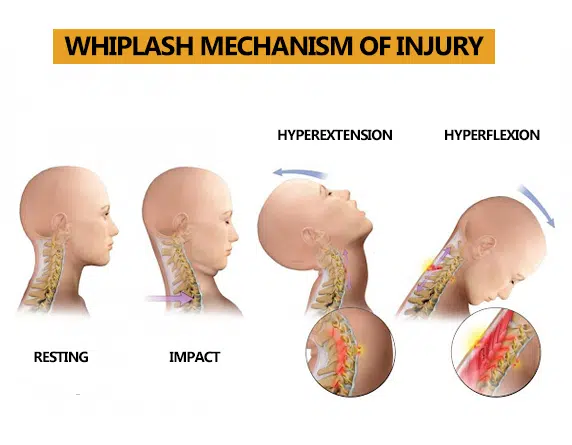
Whiplash is a neck injury caused by an abrupt and forceful back-and-forth motion, often likened to the cracking of a whip. This injury is most commonly connected to car accidents, but it can also result from sports injuries, physical assaults, or falls. If not addressed promptly, whiplash can lead to long-term complications, making early diagnosis and effective treatment crucial. Understanding Whiplash: What It Is and How It Happens Whiplash occurs when the neck experiences rapid movement beyond its normal range of motion. This force can strain or tear the soft tissues, such as muscles and ligaments, in the cervical spine. The injury disrupts the alignment and function of the neck, often leading to discomfort and limited mobility. Top Causes of Whiplash Injury You Should Know The most common causes of whiplash include: Rear-end car collisions – Sudden impact jerks the neck violently. Contact sports – Football, rugby, or wrestling accidents. Slips and falls – Sudden jolts during impact can stress the neck. Physical assaults – For instance, being shaken or punched. Common Symptoms of Whiplash: Early Warning Signs Symptoms of whiplash may not appear immediately and can range from mild to severe: Neck pain and stiffness Limited range of motion in the neck Headaches, typically starting at the base of the skull Dizziness or fatigue Tingling or numbness in the arms Shoulder and upper back pain Diagnosis: How Doctors Identify Whiplash Doctors diagnose whiplash using a combination of methods: Patient history and symptom analysis – Understanding the incident and reported symptoms. Physical examination – Checking the range of motion, pain points, and tenderness. Imaging tests – X-rays, CT scans, or MRIs help rule out fractures or other serious injuries. Effective Treatment Options for Whiplash Relief Timely treatment can help alleviate whiplash pain and prevent chronic issues: Rest and immobilization – Short-term use of neck braces or collars. Ice or heat therapy – To reduce swelling and improve blood flow. Over-the-counter medications – Pain relievers and anti-inflammatory drugs. Physical therapy – A cornerstone of recovery. Physical Therapy: A Key Step in Whiplash Recovery Physical therapy is critical for regaining mobility and strength. Therapists use targeted exercises to: Improve neck flexibility. Strengthen neck and shoulder muscles. Restore normal range of motion. The Role of Pain Management in Whiplash Treatment Chronic pain may require specialized interventions: Injections – Corticosteroid injections to reduce inflammation. Chiropractic care – Aligning the spine to relieve pressure. Massage therapy – Easing muscle tension. When to See a Doctor for Whiplash Symptoms Consult a doctor if: Pain persists or worsens after a few days. You experience neurological symptoms like numbness or weakness. Symptoms interfere with daily activities. Preventing Whiplash: Tips for Staying Safe Prevention is always better than cure. Follow these tips: Use proper seat belts – They minimize neck movement during car accidents. Maintain good posture – Especially when driving or sitting for long periods. Use protective gear – Helmets and neck braces for sports. Adjust car headrests – Ensure they are level with the top of your head. What to Expect During Whiplash injury symptoms Recovery Recovery timelines vary depending on injury severity: Mild cases – Often resolve within a few weeks with basic care. Severe cases may take several months and require ongoing therapy and monitoring. Maintaining a positive attitude, adhering to treatment plans, and staying active (as recommended) can significantly speed up recovery. Final Thoughts Whiplash injuries may seem minor initially, but their impact can be long-lasting if not treated properly. Early diagnosis, effective treatment, and preventive measures are key to ensuring a full recovery. If you suspect you have whiplash, don’t delay seeking medical attention—it’s your first step toward a pain-free life.

Whiplash Injury: Causes, Symptoms, And Best Treatments Read More »

Expert Physiotherapy

Why Expert Physiotherapy Is Key For Your Rehab

Getting better after an accident, surgery, or long-term illness can be challenging, but expert physiotherapy can make all the difference. With the right guidance, personalized treatment, and advanced techniques, physiotherapy provides a pathway to effective rehabilitation. Here’s why expert physiotherapy is essential for a successful recovery. 1. Personalized Treatment Plans Each individual’s rehabilitation needs are unique. Expert physiotherapists assess your condition, injury history, and personal goals to design a plan tailored specifically for you. This customized approach enhances recovery, minimizes risks, and targets areas needing the most attention, ensuring every session is both safe and effective. 2. Comprehensive Pain Management Pain is one of the most challenging aspects of any injury. Through various therapeutic techniques—such as manual therapy, ultrasound, and targeted exercises—physiotherapy reduces pain without relying on medications. An experienced physiotherapist understands which methods will work best for specific injuries, providing relief and making staying motivated and engaged in your rehabilitation journey easier. 3. Accelerated Recovery Through Advanced Techniques From dry needling and cupping to laser therapy, expert physiotherapists use advanced treatments to stimulate healing. These methods reduce inflammation, increase blood circulation, speed up tissue repair, and promote muscle relaxation. Utilizing the latest techniques allows for a fastergetting better so you can get back to your daily tasks faster sooner. 4. Improved Mobility and Strength Injuries often lead to decreased mobility and muscle weakness. A skilled physiotherapist identifies areas that require strength-building and flexibility enhancement. By focusing on these areas, physiotherapy improves joint mobility, restores range of motion, and strengthens muscles surrounding the injured area, ensuring long-term benefits. 5. Preventing Re-Injury One of the most overlooked aspects of recovery is preventing re-injury. Without proper guidance, individuals may return to their regular routines too quickly, increasing the risk of setbacks. Expert physiotherapists teach safe ways to move, lift, and perform daily tasks, providing tools to avoid further damage and build lasting strength. 6. Mental and Emotional Support Rehabilitation can be mentally demanding, but expert physiotherapists offer support and encouragement along the way. Their guidance instills confidence and keeps you motivated, helping you overcome psychological barriers during recovery. This level of care makes the rehabilitation process more manageable, promoting a holistic approach to healing. 7. Long-Term Health Benefits Beyond injury recovery, physiotherapy offers long-term health benefits. By focusing on strength, flexibility, and endurance, physiotherapy builds a foundation for a healthier lifestyle. Many individuals continue to experience benefits long after their recovery, enjoying improved posture, balance, and physical fitness that contribute to overall well-being. Conclusion Expert physiotherapy is not just about healing—it’s about achieving full recovery with lasting benefits. Through personalized plans, advanced techniques, and a focus on safe, effective practices, skilled physiotherapists play an essential role in rehabilitation. Investing in professional physiotherapy is investing in your health, allowing you to recover efficiently, prevent future injuries, and return to the life you love with confidence.

Why Expert Physiotherapy Is Key For Your Rehab Read More »

Physiotherapy For Lower Back

Physiotherapy For Lower Back Pain: Exercises and Tips

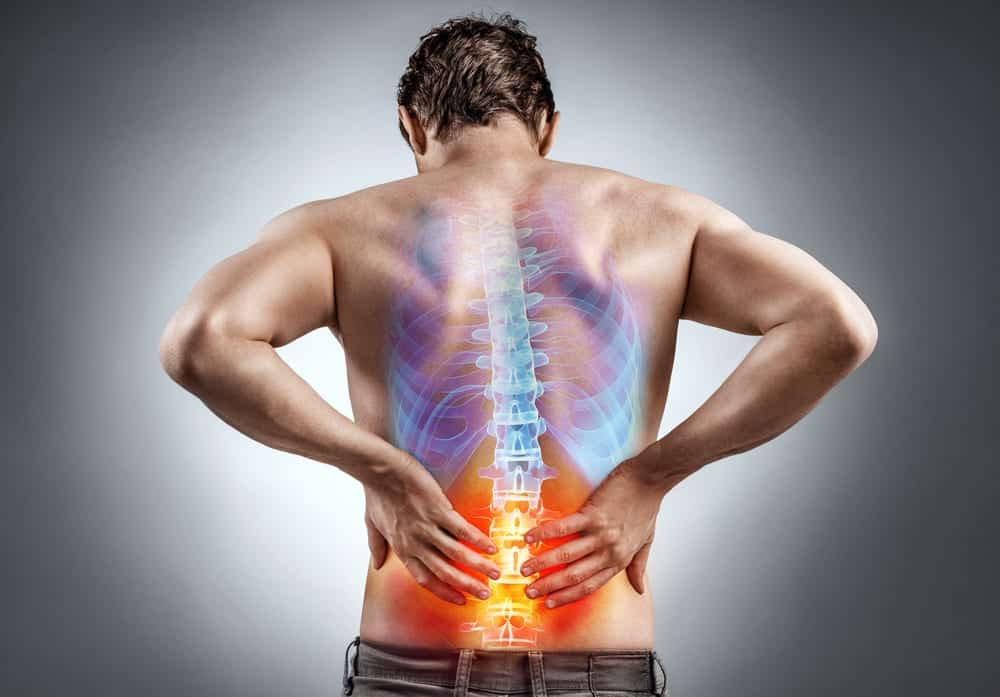
People often have lower back pain, which can happen to people of any age because of like poor posture, prolonged sitting, heavy lifting, or even stress. If left untreated, this discomfort can interfere with daily activities, causing physical and mental strain. Physiotherapy is one of the most effective treatments for managing lower back pain, offering relief through targeted exercises and expert guidance on posture and movement. Why Choose Physiotherapy for Lower Back Pain? Physiotherapy addresses the root causes of pain by improving flexibility, strengthening muscles, and correcting posture. Unlike medications that may mask the pain temporarily, physiotherapy provides long-term solutions that help prevent recurrences. You can receive a personalized plan that matches your unique needs and limitations by working with a licensed physiotherapist. Top Physiotherapy Exercises for Lower Back Pain Here are some effective exercises that physiotherapists often recommend for alleviating lower back pain: Pelvic Tilts Lay on your back with your feet flat on the floor and your knees bent. Slowly tilt your pelvis forward and flatten your back against the ground. Hold for a few seconds, then relax. Repeat 10-15 times. This exercise strengthens your core and alleviates tension in the lower back. Cat-Cow Stretch Get down on all fours with your knees under your hips and hands under your shoulders. Inhale, arching your back, and lifting your head (the “cow” position). Let out a breath, rounding your back and the “cat” pose, where your chin is tucked into your chest. This gentle stretch helps improve flexibility and ease lower back stiffness. Knee-to-Chest Stretch Lay on your back with your feet flat on the floor and your knees bent. Using both hands, raise one leg to your chest. Hold for 15-30 seconds, then switch to the other knee. This stretch lengthens the lower back muscles and relieves tension. Bridge Exercise Lie on your back with knees bent and feet hip-width apart. Tighten your core. Stand up straight and push your hips off the ground. a Straight line from shoulders to knees. Hold for a few seconds, then slowly lower back down. Bridges help strengthen the glutes, lower back, and core, supporting better spinal alignment. Child’s Pose Get down on your knees and Take a seat back. Lower your chest to the floor and reach your arms out in front of you. Hold for at least 30 seconds while taking deep breaths. This gentle stretch makes the muscles in your back feel better and helps you relax in general. Tips for Managing Lower Back Pain Alongside exercises, here are some essential tips to manage and prevent lower back pain: Maintain Good Posture: Ensure that your sitting and standing postures support your back. Sit with your feet flat on the ground, and avoid slouching. Avoid Prolonged Sitting: Take short breaks to stand up, stretch, or walk every 30-45 minutes, especially if you work at a desk. Lift Objects Properly: Always bend your When lifting something big, keep it close to your body and bend your knees. Items. Avoid twisting your spine. Incorporate Core Strengthening: Strengthening your core muscles can offer better spinal support and reduce strain on the lower back pain relief. Stay Active: Taking part in regular activities helps keep your muscles strong.flexible and strong. For healthy spines, walking, swimming, and yoga are all great options. Benefits of Consulting a Physiotherapist Working with a physiotherapist is key to understanding your lower back pain and receiving tailored advice. They can check out your condition and guide you on which exercises best suit you. Physiotherapy can also offer additional treatments like heat therapy, ultrasound, and manual manipulation to speed up recovery. Incorporating physiotherapy into your routine provides immediate relief and promotes long-term back health. Following a personalized exercise plan and adopting back-friendly habits, you can enjoy a pain-free life and prevent future discomfort. Conclusion Physiotherapy is a proven approach to managing and alleviating lower back pain through targeted exercises and lifestyle adjustments. Adopting these exercises and tips can significantly affect your daily comfort, whether your pain is mild or severe. Consult a professional physiotherapist to create a custom treatment plan that supports your journey toward  with lower back pain relief a pain-free and active lifestyle.

Physiotherapy For Lower Back Pain: Exercises and Tips Read More »

Physiotherapy Techniques

Explore Effective Physiotherapy Techniques For Recovery

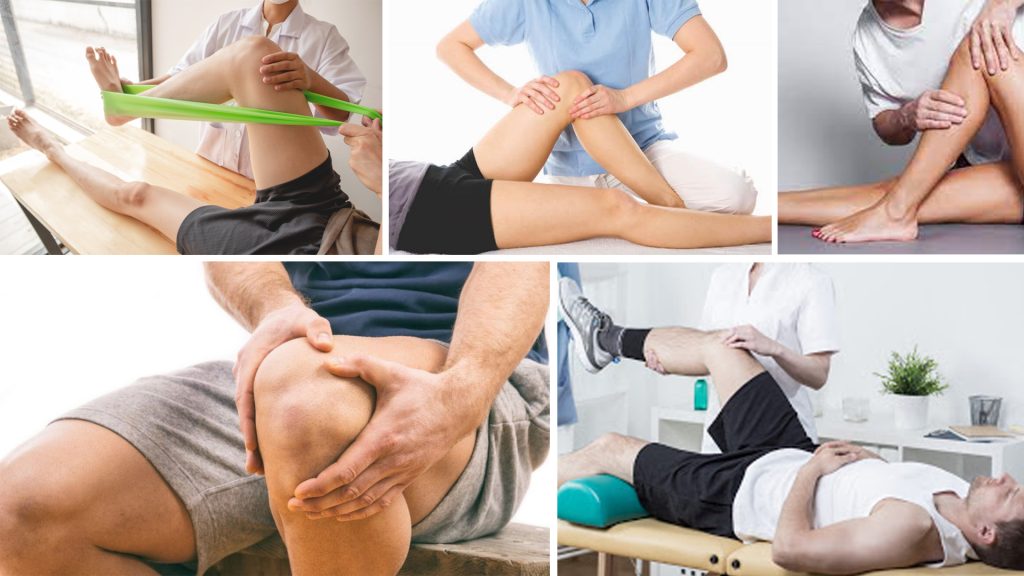
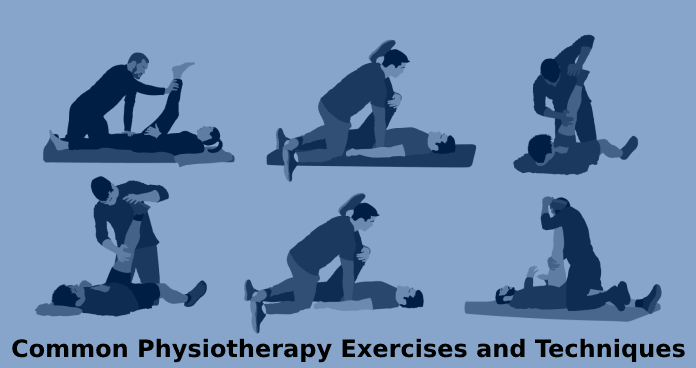
Physiotherapy has become essential for promoting recovery, enhancing mobility, and restoring physical functionality after an injury or surgery. Through specialized techniques and exercises, physiotherapists help patients regain their strength, reduce pain, and improve overall well-being. Let’s dive into some of the most effective physiotherapy techniques for recovery. 1. Manual Therapy Manual therapy involves hands-on techniques like joint mobilizations, soft tissue massage, and manipulations. This approach helps alleviate pain, increase joint flexibility, and reduce muscle tension. It’s especially effective for lower back pain, neck stiffness, and joint injuries. Manual therapy sets the foundation for faster recovery and more effective physical activity by improving blood flow and releasing muscle tightness. 2. Electrotherapy Electrical waves are used in electrotherapy to work on muscles reduce pain. Common methods include Transcutaneous Electrical Nerve Stimulation (TENS) and Ultrasound Therapy. These treatments can help manage pain, reduce inflammation, and stimulate healing, making them beneficial for chronic pain conditions and acute injuries. 3. Exercise Therapy Exercise therapy is a cornerstone of physiotherapy and includes a range of tailored exercises designed to enhance strength, flexibility, and endurance. Physiotherapists create personalized exercise routines that address specific needs, such as strengthening weakened muscles, improving cardiovascular fitness, or enhancing mobility in stiff joints. Regular exercise therapy promotes long-term recovery and reduces the likelihood of future injuries. 4. Heat and Cold Therapy Heat and cold therapy play a significant role in managing pain and swelling. Cold therapy, or cryotherapy, reduces inflammation, especially after acute injuries. On the other hand, heat treatment helps relax muscles and boost blood flow and relieve chronic pain. Physiotherapists often recommend alternating between hot and cold applications to accelerate recovery. 5. Hydrotherapy Hydrotherapy involves exercises performed in a water environment, which reduces joint stress and offers resistance. Water’s buoyancy supports the body, making movement easier for patients with arthritis or severe muscle weakness. Hydrotherapy effectively improves balance, coordination, and muscle strength while minimizing discomfort. 6. Stretching and Flexibility Training Stretching is an important part of staying flexible and getting more flexible, which is crucial for joint health and range of motion. Techniques such as static, dynamic, and proprioceptive neuromuscular facilitation (PNF) are commonly used to enhance flexibility and prevent injuries. Stretching helps reduce stiffness, improve circulation, and prepare the body for more rigorous exercises. 7. Posture Correction and Ergonomics Many injuries result from poor posture or repetitive strain at work. Physiotherapists guide posture correction and ergonomic adjustments, which help minimize stress on muscles and joints. This education and training promote healthier movement patterns, reduce discomfort, and improve physical alignment. 8. Balance and Coordination Training Balance and coordination training are vital for patients recovering from neurological conditions or surgery. These exercises help rebuild proprioception (awareness of body position), strengthen core muscles, and enhance stability. This type of training reduces the risk of falls and aids in a faster return to daily activities. 9. Dry Needling and Acupuncture Dry needling and acupuncture are specialized techniques that involve inserting thin needles into specific points of the body to ease pain and muscle tightness, and stimulate healing. These methods effectively treat musculoskeletal pain, enhance blood flow, and improve overall muscle function. Final Thoughts Effective physiotherapy techniques provide a holistic approach to recovery by combining various methods tailored to the patient’s unique needs. Whether recovering from surgery, an injury, or managing chronic pain, physiotherapy can be crucial in restoring physical function and improving quality of life. Working closely with a trained physiotherapist will ensure you receive a personalized treatment plan for optimal recovery.

Explore Effective Physiotherapy Techniques For Recovery Read More »

Physiotherapy Treatment

Benefits of Physiotherapy Treatment For Pain Relief

Living with pain can make your life a lot less enjoyable, making even simple daily tasks challenging. Fortunately, physiotherapy offers a holistic and successful way to deal with pain that doesn’t involve drugs or invasive procedures. By addressing the root causes of discomfort, physiotherapy session can help restore movement, improve function, and alleviate pain sustainably. Below, we explore the key benefits of physiotherapy treatment for pain relief and how it can positively impact your life. 1. Targeted Pain Relief Through Personalized Treatments Physiotherapy is known for its individualized approach. Rather than applying a one-size-fits-all solution, physiotherapists assess your condition and tailor a treatment plan targeting the exact areas of discomfort. This ensures that the treatment is efficient and addresses the underlying causes of pain, which is particularly helpful for chronic conditions. 2. Improves Mobility and Flexibility Limited mobility and stiffness are common issues associated with pain. Physiotherapy incorporates stretching exercises and mobility-enhancing techniques that help improve flexibility and ease of movement. Whether you’re dealing with joint pain, back pain, or post-injury stiffness, physiotherapy can improve your range of motion, making everyday movements smoother and less painful. 3. Reduces Dependency on Pain Medication Chronic pain sufferers often rely on painkillers for relief, which may lead to dependency and potential side effects over time. Physiotherapy offers a natural solution that reduces the need for medication. By addressing pain through physical methods such as manual therapy, therapeutic exercises, and electrical stimulation, physiotherapy provides long-term relief without relying on drugs. 4. Speeds Up Recovery After Injury or Surgery Getting better after surgery or an accident can be slow and painful. Physiotherapy speeds up recovery by using techniques that promote healing, reduce swelling, and prevent scar tissue formation. Regular physiotherapy sessions help you regain strength and function more quickly, allowing you to return to your daily activities with less discomfort. 5. Addresses the Root Cause of Pain Unlike pain medications that mask symptoms, physiotherapy seeks to find and treat the main reason for pain. Physiotherapists are trained to analyze movement patterns and detect issues causing pain. By correcting these underlying issues, physiotherapy provides lasting relief and helps prevent recurring pain. 6. Enhances Posture and Prevents Future Injuries Poor posture commonly contributes to chronic pain, especially in the neck, shoulders, and lower back. Physiotherapists can help you adopt better posture habits and strengthen supporting muscles to alleviate strain on your body. Additionally, physiotherapy teaches you techniques for moving safely and avoiding injuries, reducing the likelihood of pain in the future. 7. Boosts Overall Physical Health Regular physiotherapy sessions improve not just your specific pain points but also your overall physical health. The exercises and routines prescribed in physiotherapy enhance blood flow, improve muscle tone, and promote better alignment. This holistic approach helps you feel stronger, healthier, and more resilient against physical stressors. Choosing Physiotherapy for Pain Relief Physiotherapy offers a powerful, holistic approach to pain management and recovery. Whether you have chronic pain, are healing from surgery, or are just plain busy with a recent injury, physiotherapy provides an individualized plan tailored to your needs. By talking to the root cause of pain, improving mobility, and promoting overall health, physiotherapy helps you regain control of your body and quality of life. The Bottom Line Physiotherapy is a powerful, drug-free solution for pain relief that targets the root causes of Feeling bad. By improving mobility, enhancing posture, speeding up recovery, and reducing reliance on medication, physiotherapy helps you achieve lasting pain relief and a better quality of life. If you’re seeking an effective, personalized approach to managing pain, physiotherapy could be your path to sustained wellness and resilience.

Benefits of Physiotherapy Treatment For Pain Relief Read More »

Modern Treatments For Paralysis

Top Modern Treatments For Paralysis: What You Should Know

Paralysis is a life-altering condition that affects muscle function and can be caused by different things like spinal cord injuries, strokes, or neurological diseases. Fortunately, recent Making progress in medical science has introduced modern treatment options that offer new hope and improved quality of life for people living with paralysis. This blog will explore some of the most effective and innovative treatments. 1. Stem Cell Therapy Stem cell therapy is an exciting field in treating paralysis. It is about using stem cells to change into different types of cells, so they can fix or replace broken cells. Nerve cells. Researchers are actively studying how stem cells can regenerate damaged spinal cord injury tissues, and while it’s still in its experimental stages, initial results are promising. Some patients have shown partial improvement in mobility and sensation, making stem cell therapy a potential game-changer for paralysis treatment shortly. 2. Functional Electrical Stimulation (FES) Functional Electrical Stimulation is a therapy that uses electrical impulses to activate paralyzed muscles. This technology helps improve muscle tone, blood flow, and, in some cases, muscle control. FES can be particularly effective for patients with spinal injury, enabling them to perform specific movements. Devices like FES bikes allow individuals to exercise their legs, which helps to prevent muscle atrophy and improves cardiovascular health. 3. Exoskeletons and Robotic-Assisted Therapy Robotic-assisted devices like exoskeletons are becoming more widely used in rehabilitation. These wearable robotic systems support and stimulate walking in patients who have lost the ability to move their lower limbs. Exoskeletons aid in regaining movement, contribute to muscle strength and improve circulation. Although exoskeleton technology is still evolving, it has already helped many individuals regain mobility that wasn’t possible before. 4. Transcutaneous Electrical Nerve Stimulation (TENS) TENS therapy is a non-invasive method that uses low-voltage electrical currents to relieve pain and encourage nerve function. It is commonly used in treating paralysis-related nerve pain and can aid in rehabilitation by encouraging nerve cells to communicate better with the muscles. Many patients find TENS beneficial, especially when combined with other therapies. 5. Virtual Reality (VR) Therapy Virtual reality is emerging as a novel approach to rehabilitation for people with paralysis. Through VR, patients engage in simulated environments where they perform specific movements, stimulating brain activity related to motor functions. This “mental practice” has improved motor control and neural plasticity, aiding in recovering lost functions. VR is particularly useful in stroke rehabilitation, where patients practice movements encouraging neural pathways to re-establish. 6. Regenerative Medicine and Gene Therapy Regenerative medicine, including gene therapy, is another promising area of research in paralysis treatment. Scientists are studying ways to manipulate genes and encourage nerve regrowth to repair damaged spinal cords. Although still experimental, this approach holds potential for future treatments that could restore nerve function and mobility. 7. Aquatic Therapy Aquatic therapy involves working out in a pool, which can be particularly beneficial for People with paralysis. Water reduces pressure on the body and provides gentle resistance, allowing patients to move more freely and safely than on land. Aquatic therapy improves cardiovascular health, muscle strength, and flexibility, making it an excellent complementary treatment for rehabilitation patients. 8. Acupuncture and Alternative Therapies Many patients with paralysis also explore alternative treatments like acupuncture, massage therapy, and chiropractic care. These therapies may help reduce pain, improve blood circulation, and support muscle relaxation, which can be particularly helpful when combined with conventional rehabilitation techniques. Choosing the Right Treatment Every case of paralysis is unique, and the best treatment option depends on the individual’s condition, cause of paralysis, and overall health. Consulting with a medical professional specializing in neurological rehabilitation is essential to creating a personalized treatment plan. Final Thoughts Modern treatments for paralysis are evolving rapidly, offering hope for improved recovery and improved quality of life. From cutting-edge technologies like exoskeletons and VR therapy to advancements in regenerative medicine, today’s options provide many pathways for healing. If you or a loved one is navigating paralysis, these treatments represent a significant step forward in achieving greater independence and quality of life.

Top Modern Treatments For Paralysis: What You Should Know Read More »

Carpal Tunnel Relief

Effective Physiotherapy For Carpal Tunnel Relief

People who have Carpal Tunnel Syndrome (CTS) often feel pain, numbness, and tingling in their hands and arms. It happens when the middle nerve, which runs through the wrist, is compressed. If left untreated, CTS can lead to weakness in the hand and difficulty with daily activities. One of CTS’s most effective non-surgical treatments is physiotherapy, which offers targeted exercises and techniques to alleviate symptoms and improve functionality. Understanding Carpal Tunnel Syndrome Carpal Tunnel Syndrome affects the carpal tunnel, a narrow way through the wrist that houses the median nerve. When this tunnel narrows, or pressure is applied, the nerve becomes compressed, leading to symptoms such as: Fingers (especially the thumb) that feel numb or tingly, index and middle fingers) Hand weakness, especially when gripping objects Pain that may extend from the wrist up to the arm or shoulder Over and overhand motions, wrist injuries, arthritis, or conditions like diabetes and hypothyroidism can cause CTS. It’s essential to seek early treatment to prevent permanent nerve damage. How Physiotherapy Helps in Carpal Tunnel Relief Physiotherapy focuses on reducing pain, restoring function, and preventing the condition from worsening. The following physiotherapy techniques are commonly used to treat CTS: 1. Stretching and Strengthening Exercises Gentle stretches and exercises help relieve pressure on the median nerve by improving flexibility and strength in the wrist and hand muscles. These exercises may include wrist flexor and extensor stretches, nerve gliding exercises, and hand strengthening routines. They improve circulation, reduce stiffness, and enhance wrist mobility. 2. Manual Therapy It involves hands-on techniques performed by the physiotherapist to mobilize the wrist joints and soft tissues. This reduces tension in the wrist and surrounding areas, improving the space in the carpal tunnel and minimizing nerve compression. 3. Ultrasound Therapy Ultrasound therapy uses sound waves to penetrate deep into the tissues, reducing inflammation and promoting healing. It is particularly beneficial in reducing swelling and pain associated with CTS, helping the patient regain normal hand function. 4. Splinting and Ergonomic Advice Hand splints are often recommended to keep the wrist neutral, especially at night. Physiotherapists may also provide ergonomic advice on adjusting daily activities, such as work tasks or computer use, to prevent further strain on the wrist. 5. Nerve Gliding Techniques Nerve gliding exercises allow the median nerve to move more freely within the carpal tunnel, lowering compression symptoms. These gentle movements help restore the nerve’s mobility and alleviate pain and tingling sensations. Benefits of Physiotherapy for Carpal Tunnel Non-invasive: Physiotherapy offers a non-surgical strategy for managing and treating CTS, often preventing surgery. Pain relief: Effective physiotherapy techniques help reduce pain, numbness, and discomfort. Improved hand function: By strengthening the hand and wrist, patients can return to normal activities with enhanced mobility. Prevention of recurrence: Through exercises and ergonomic adjustments, physiotherapy helps prevent the reoccurrence of symptoms by addressing the underlying causes of CTS. When to Seek Physiotherapy If you are experiencing symptoms of Carpal Tunnel Syndrome, seeking early intervention is crucial. Physiotherapy can help manage and reduce symptoms, especially in the early stages. If symptoms persist despite conservative treatments, your physiotherapist may refer you to a specialist for further evaluation. Conclusion Physiotherapy is an effective and non-invasive treatment option for Carpal Tunnel Syndrome patients. With targeted exercises, manual therapy, and lifestyle adjustments, physiotherapy helps reduce symptoms, improve wrist function, and prevent further complications. If you’re dealing with CTS, consulting a qualified physiotherapist is a proactive step toward long-term relief and improved quality of life. At PhysioZone BD, we specialize in personalized physiotherapy treatments for Carpal Tunnel Syndrome. Our experienced team will work with you to develop a tailored plan to relieve your signs and restore hand function. Contact us today to schedule an appointment and begin your journey to recovery.

Effective Physiotherapy For Carpal Tunnel Relief Read More »

Scoliosis Treatment in Bangladesh

Scoliosis Treatment In Bangladesh: What To Know

Scoliosis is a medical condition described by an abnormal curvature of the spine. It affects people of all ages but is most commonly diagnosed in children and adolescents. In Bangladesh, the awareness and understanding of scoliosis have improved over the years, leading to better access to treatment options. This article aims to provide essential information about scoliosis treatment in Bangladesh, including the types of treatments available, diagnosis, and tips for managing the condition. Understanding Scoliosis Scoliosis can develop for various reasons, including congenital factors (present at birth), neuromuscular conditions (such as cerebral palsy), or idiopathic causes (of unknown origin). The spine’s curvature may result in various symptoms, including back pain, uneven shoulders or hips, and, in severe cases, respiratory problems. Early findings and treatment are crucial in managing scoliosis effectively. Diagnosis of Scoliosis Find out typically begins with a physical check by a doctor or nurse, who will look for signs of scoliosis, such as uneven shoulders or a prominent rib cage. If scoliosis is suspected, the following diagnostic methods may be employed: X-rays: The most common imaging technique used to determine the degree of spinal curvature. MRI: Sometimes recommended to rule out the conditions that may contribute to scoliosis. CT scans: These are useful for providing detailed images of the spine. Treatment Options in Bangladesh Treatment for scoliosis varies depending on the curve’s severity and the patient’s age. Here are the primary treatment options available in Bangladesh: Observation Doctors may recommend regular monitoring without immediate intervention for mild cases of scoliosis, particularly in children. This approach allows for tracking any changes in curvature over time. Bracing For moderate scoliosis, particularly in growing children, bracing is often prescribed. A brace is designed to prevent further spine curvature as the child grows. Common types of braces include: TLSO (Thoraco-Lumbo-Sacral Orthosis): A rigid brace that supports the thoracic and lumbar spine. Boston Brace: A custom-molded plastic brace worn under clothing. Supporting is most effective when the patient is still growing, as it can halt the progression of scoliosis. Physical Therapy Physical therapy plays a crucial role in caring for scoliosis. A trained physiotherapist can develop a customized exercise plan to improve flexibility, strength, and posture. Techniques may include: Strengthening exercises: Targeting core muscles to support the spine. Stretching exercises: To loosen up muscles and make them more flexible. Postural training: Encouraging proper alignment and posture during daily activities. Surgical Intervention In severe cases, surgical options may be thought about, especially when the curvature is significant (generally over 45-50 degrees) and causing discomfort or complications. The most common surgical process is spinal fusion, which involves: Fusing vertebrae: Bone grafts and metal rods stabilize the spine and correct the curvature. Decompression: Sometimes, the surgeon may remove bone or tissue pressing on nerves. Availability of Treatment in Bangladesh Several hospitals and specialized clinics in Bangladesh have emerged in recent years, offering advanced scoliosis treatment options. Some notable facilities include: Dhaka Shishu Hospital: Known for its pediatric care, including scoliosis assessment and treatment. Bangladesh Orthopaedic Society: Provides resources and referrals for scoliosis treatment. Private clinics and physiotherapy centers: Offer bracing, physical therapy, and consultation services. Conclusion Scoliosis is a manageable condition with various treatment options available in Bangladesh. Early detection and intervention can significantly impact the quality of life for people affected by scoliosis. If you suspect scoliosis or have been diagnosed, it is Important to consult with a healthcare professional to determine the best course of action. With proper treatment, many individuals with scoliosis can lead healthy and active lives.

Scoliosis Treatment In Bangladesh: What To Know Read More »

Message Us on WhatsApp