Skip to content
Sat–Thu · 10 am–9 pm · Uttara, Dhaka

Blogs

plantar fasciitis Pain

Top Exercises And Stretches For Plantar Fasciitis Pain

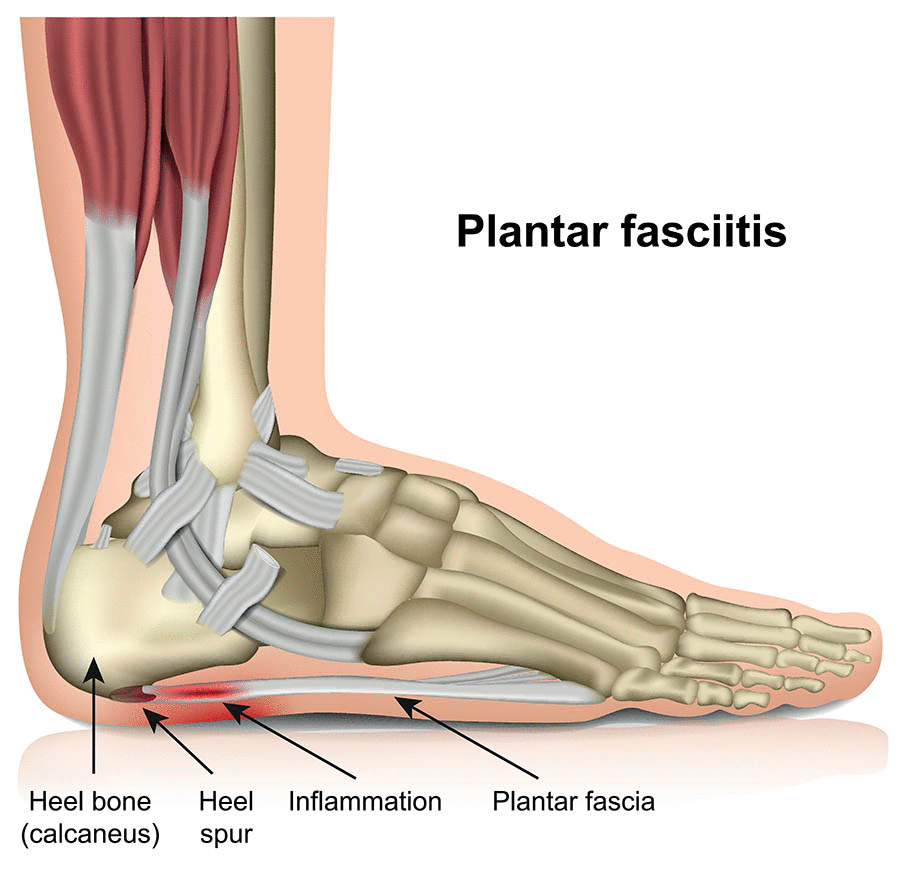
Plantar fasciitis is a common foot condition described by plantar fascia inflammation, which is a thick band of tissue that puts the heel bone and the toes together. People with this disease often have it hurt their heels when they take their first steps in the morning or after long periods of sitting. Fortunately, incorporating specific exercises and stretches into your daily routine can help ease pain, improve flexibility, and promote healing. Here are some practical exercises and stretches for managing plantar fasciitis pain: Calf Stretches Tight calves can contribute to plantar fasciitis. Spreading out the calf muscles can relieve tension on the plantar fascia. How to do it: Stand facing a wall with your hands against it. Step one foot back, keeping it straight and the heel on the ground You should feel a stretch in the back leg when you bend your front knee and lean forward. Hold for 15-30 seconds, then switch legs. Repeat 2-3 times for each leg. Plantar Fascia Stretch This stretch directly targets the plantar fascia, promoting flexibility and reducing pain. How to do it: Sit in a chair with one foot overlapping over the opposite knee. Pull the affected foot’s toes back towards your shin using your hand. Stretch for 15 to 30 seconds, then once more two or three times. Towel Stretch This exercise enhances the suppleness of the plantar fascia and the Achilles tendon. How to do it: Sit on the floor with your legs added to in front of you. Take a towel and loop it around the ball of the affected foot. Keeping your knee straight, gently pull the towel towards you until you feel a stretch in your calf and foot. Keep in mind for 15-30 seconds and repeat 2-3 times. Foot Rolling You can depend on a tennis ball or a frozen water bottle to work by massaging the plantar fascia and reducing inflammation. How to do it: Sit in, put a tennis ball or a frozen water bottle under your foot, and sit down. Roll it back and forth while putting light pressure on the arch of your foot for 5-10 minutes. Heel Raises Strengthening the muscles in your feet can help support the plantar fascia. How to do it: Stand with your feet hip-width apart. On the balls of your feet, slowly lift and take off your heels. Hold for a moment, then lower your heels back down. Repeat 10-15 times for 2-3 sets. Toe Flexor Stretch This stretch targets the toe flexor muscles, which can become tight and contribute to plantar fasciitis. How to do it: Sit down and place your affected foot across your On the other knee. Press your toes against your shin with your fingers, stretching the underside of your foot. Hold for 15 to 30 seconds, and then do it repeatedly. Arch Strengthening Strengthening the arch can provide support to the plantar fascia. How to do it: Sit or stand with your feet flat on the ground. Try to lift your arch without curling your toes, as if trying to make your foot shorter. Hold the arch lift for 5 seconds, then relax. Repeat 10-15 times. Foot pain is often caused by conditions such as plantar fasciitis and heel spur. The plantar fascia ligament plays a key role in supporting the arch of the foot, and when inflamed, it leads to plantar fasciitis symptoms like heel discomfort, especially with flat feet. Common treatments include physical therapy, where exercises help stretch and strengthen the fascia. A night splint can also be used to keep the foot in a dorsiflexed position, easing pain in the morning. While nonsurgical treatment are preferred, severe cases might require ankle surgery to relieve chronic pain. Plantar fasciitis treatment options are most effective when started early to prevent further complications. Plantar heel pain is a common issue, often linked to conditions like plantar fasciitis and Achilles tendonitis, which can cause sharp pain in the heel, especially with a tight Achilles tendon. Patients with flat feet are particularly at risk, experiencing discomfort that worsens with morning pain or after long periods of inactivity. Physical therapists recommend stretching exercises such as toe curls to strengthen connective tissue and relieve strain on the Achilles tendon. Nonsurgical options like shockwave therapy can help heal tiny tears and prevent further damage, though severe cases may require plantar fasciitis surgery. In rare instances, complications like a stress fracture or bone spur may occur, making early intervention and treatment critical to managing symptoms Conclusion Including these exercises and stretches into your daily routine can significantly alleviate plantar fasciitis pain and promote healing. It’s essential to perform them gently and consistently. However, talking to a doctor or nurse about a personalized treatment plan is crucial if pain persists or worsens. With patience and dedication, you can take steps toward recovery and regain comfort in your daily activities.

Top Exercises And Stretches For Plantar Fasciitis Pain Read More »
Ankle Sprain Recovery

Best Physiotherapy For Ankle Sprain Recovery

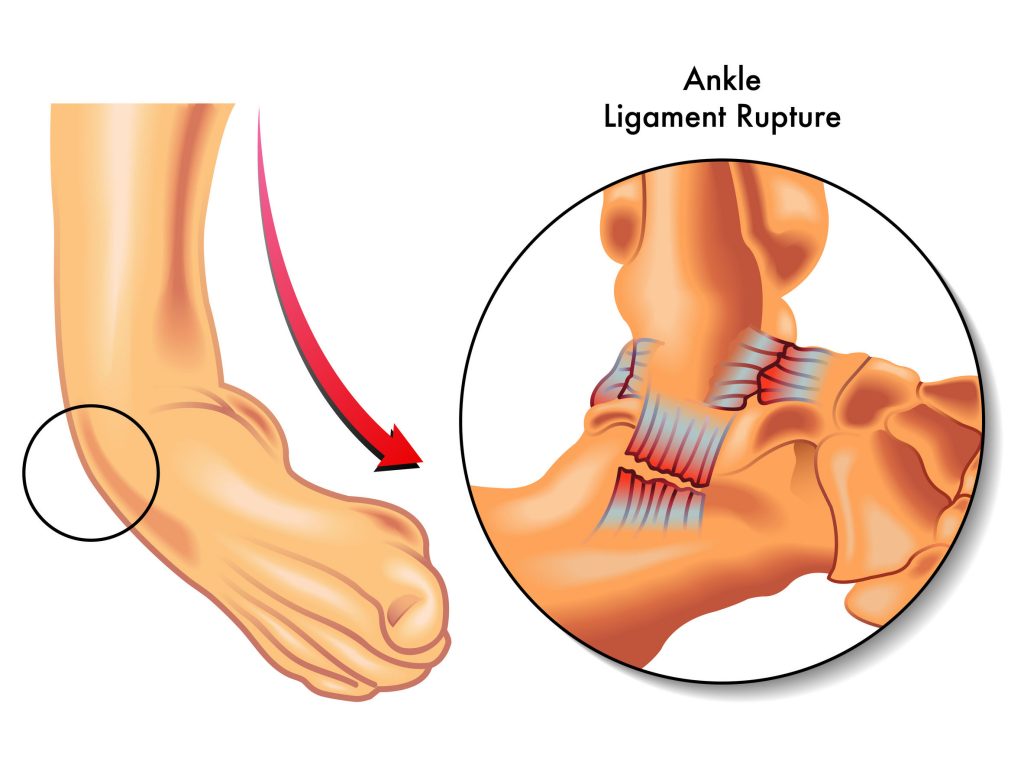
Ankle sprains are prevalent injuries during sports, recreational activities, or even when trudging on uneven ground. This type of injury happens when the tendons that support the ankle stretch or rip because the foot turns or rolls too much. Recovering from an ankle injuries often requires proper management and rehabilitation, where physiotherapy plays a pivotal role. This article explores how physiotherapy can facilitate optimal recovery from an ankle sprain, helping individuals regain strength, mobility, and confidence in their movements. Understanding Ankle Sprains An ankle sprain can vary in harshness and is classified into three grades: Grade I: Mild sprain with slight stretching and microscopic ligament tearing. Symptoms may include mild pain and swelling, with little to no loss of function. Grade II: Moderate strain involving partial tearing of the ligament. This grade often results in moderate pain, swelling, bruising, and difficulty bearing weight. Grade III: Severe sprain where the ligament is completely torn. This can cause significant swelling, severe pain, instability, and inability to put weight on the affected ankle. Prompt and effective treatment is essential to ensure a full recovery and to prevent long-term complications such as chronic pain, instability, or recurrent sprains. The Role of Physiotherapy in Recovery Physiotherapy provides a structured look at recovery, focusing on restoring function, alleviating pain, and preventing future injuries. Here’s a breakdown of how physiotherapy can assist in the recovery process: Initial Assessment and Diagnosis Upon your first visit, a physiotherapist will thoroughly assess your ankle. This includes evaluating the joint’s range of motion, strength, and stability. They will also review your medical history and the circumstances surrounding your injured ankle. This initial Review is crucial for creating a treatment plan that is unique to you and fits your needs. Pain Management Techniques Physiotherapists employ varied techniques to manage pain and inflammation during the acute phase of recovery. These may include: Cold Therapy: Applying ice packs reduces swelling and numbness in the initial days after the injury. Electrical Stimulation: Using modalities such as TENS (Transcutaneous Electrical Nerve Stimulation) to relieve pain and promote healing. Manual Therapy: Hands-on techniques that help improve circulation, reduce swelling, and ease pain in the affected area. Restoring Mobility Restoring the range of motion is a critical component of rehabilitation. The physiotherapist will guide you through gentle mobility and stretching techniques to help the body heal and stop Being stiff in the ankle joint. Depending on the severity of the sprain, these exercises typically begin within a few days of the injury. Strengthening Exercises As you progress, strengthening exercises become a focal point of the rehabilitation program. Weakness in the muscle areas around the ankle can contribute to Unstable and increase the risk of future sprains. Your physiotherapist will design a tailored strengthening regimen that may include: Resistance Band Exercises: These help target specific muscle groups that support the ankle. Weight-Bearing Exercises: Gradually introduce weight-bearing activities as your strength improves. Functional Exercises: Activities that mimic everyday tasks or sports-specific movements to prepare your ankle for return to normal activities. Balance and Proprioception Training Balance and proprioception are crucial for ankle pain stability and injury prevention. Proprioception refers to the body’s ability to sense its position in space. Your physiotherapist may incorporate balance training using the following: Balance Boards: These tools challenge your stability and enhance coordination. Single-Leg Stands: Simple exercises that improve your balance on one leg, mimicking real-life scenarios. Dynamic Movements: Activities that require quick changes in direction or jumping to simulate the demands of sports and daily life. Education and Injury Prevention An essential aspect of physiotherapy is educating patients about their injuries and how to prevent future occurrences. This includes discussing proper footwear, techniques for warming up and cooling down, and exercises that can be performed at home to maintain strength and flexibility. Understanding the biomechanics of your movement can help you make intelligent choices and lower your risk of re-injury. Gradual Return to Activity Finally, your physiotherapist will develop a safe and gradual return-to-activity plan, allowing you to transition back to sports or daily routines. This step-by-step approach ensures that your injured foot is adequately prepared for the demands of your activities, reducing the likelihood of re-injury. Conclusion Physiotherapy is integral to ankle sprain recovery, offering a comprehensive approach that encompasses pain management, mobility restoration, strength building, and injury pain prevention. By working with a qualified physiotherapist, Those involved can optimize their recovery, regain confidence in their movements, and reduce the risk of future sprains. If you’ve suffered an ankle sprain, consider seeking professional physiotherapy to guide you through recovery and help you return to your favorite activities more vital than ever.

Best Physiotherapy For Ankle Sprain Recovery Read More »

Baker’s Cyst Knee

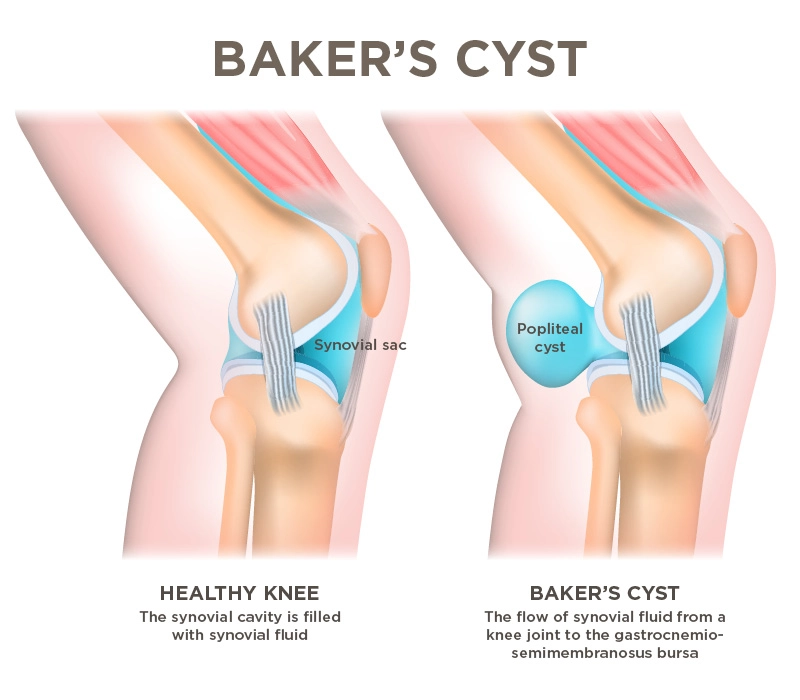
Baker’s Cyst Knee: Causes, Symptoms, And Treatments

A Baker’s popliteal cyst is a fluid-filled sac at the back of the knee. It is commonly linked to knee joint problems like arthritis or cartilage damage. While the cyst is not typically dangerous, it can cause feelings of badness and limit mobility if left untreated. This piece will discuss the signs, symptoms, and treatment options for a Baker’s cyst. Causes of Baker’s Cyst A Baker’s cyst is usually the result of excess fluid production in the knee joint, often due to underlying conditions such as: Arthritis: Hip and knee pain and rheumatoid arthritis are common culprits. These conditions cause inflammation in the knee, leading to fluid buildup. Meniscus Tears: Damage to the knee’s cartilage can trigger an overproduction of joint fluid, contributing to the development of a Baker’s cyst. Knee Injuries: Trauma or injuries, such as ligament strains or sprains, can increase joint fluid and cause a cyst to form. Inflammatory Conditions: Conditions like gout or lupus, which cause inflammation in the knee, can also result in cyst formation. Symptoms of Baker’s Cyst The symptoms of a Baker’s cyst can vary depending on the size and underlying cause, but common signs include: Swelling Behind the Knee: A noticeable lump or swelling at the back of the knee is the most common symptom. Pain or Discomfort: Mild to moderate pain, significant when fully extending or flexing the knee. Stiffness: The knee may feel rigid or tight, limiting your ability to bend or straighten the leg. Limited Mobility: In severe cases, the cyst can restrict movement or even cause locking of the knee joint. Calf Swelling: In rare cases, the cyst may burst, which causes fluid to leak into the calf, leading to swelling and discomfort. Diagnosis If you suspect a Baker’s cyst, a medical professional will usually perform a physical check and may suggest imaging tests such as an ultrasound or MRI to confirm the diagnosis. These tests help identify the size of the cyst and any underlying conditions that may be contributing to it. Treatment Options for Baker’s Cyst While a Baker’s cyst may sometimes resolve independently, treatment is often necessary if it causes significant discomfort or restricts mobility. Here are some standard treatment options: Rest and Ice: In mild cases, rest and ice packs can help reduce Getting bigger and alleviate discomfort. Compression and Elevation: Wearing a compression bandage and raising the leg can help manage symptoms and reduce swelling. Medications: Not steroids; anti-inflammatory drugs (NSAIDs) such as ibuprofen can help reduce pain and inflammation. Physical Therapy: Targeted exercises to strengthen the knee and improve flexibility can help manage symptoms and prevent future occurrences. Aspiration: In cases where the baker cyst causes significant discomfort, a doctor may drain the fluid using a needle, a procedure known as aspiration. Corticosteroid Injections: Corticosteroids can be injected into the knee to reduce inflammation and prevent fluid buildup. Surgery: If the cyst is large or doesn’t respond to conservative treatments, surgical removal may be necessary. In some cases, repairing the underlying cause (like a torn meniscus) can prevent the baker cyst from recurring. Prevention Tips To reduce the risk of developing a Baker’s cyst or prevent recurrence, consider these tips: Maintain a Healthy Weight: Reducing knee stress can lower the risk of joint issues. Strengthen Your Knee: Engage in exercises that strengthen the muscles around the knee to support joint stability. Protect Your Knees: Wear proper protective gear during activities that strain the knee, and avoid overuse or sudden impact injuries. When to See a Doctor If you experience persistent swelling, pain, or stiffness in your knee, it’s essential to consult a healthcare professional. Early findings and treatment can help manage symptoms and prevent complications. Conclusion Baker’s cysts are commonly linked to underlying knee problems and can cause discomfort if untreated. Being aware of the symptoms and seeking appropriate treatment can effectively manage a Baker’s cyst and prevent future issues. Always talk to a doctor to get a correct evaluation and personalized treatment plan.

Baker’s Cyst Knee: Causes, Symptoms, And Treatments Read More »

manual therapy

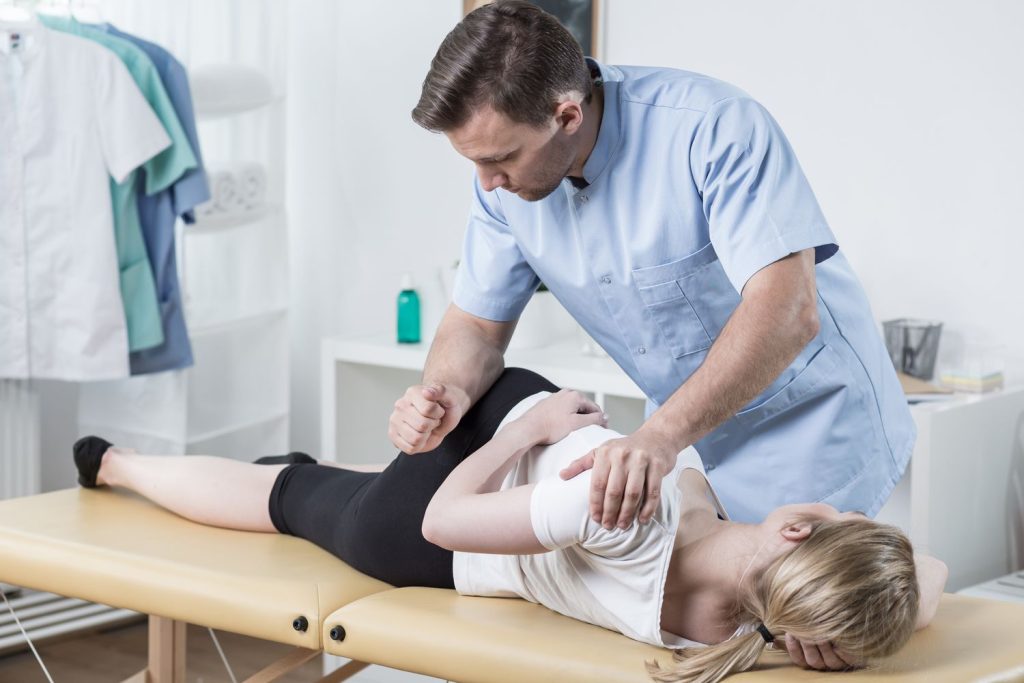
What Is Manual Therapy And How Can It Help You?

Manual therapy is a more specific form of physical therapy that is about hands-on techniques to alleviate pain, improve mobility, and promote overall musculoskeletal health. This approach is designed to address various conditions affecting the muscles, joints, and connective tissues. Understanding manual techniques and its benefits can help you make choices about your care options. What is Manual Therapy? Manual therapy includes a range of hands-on methods used by trained physical therapists to diagnose and treat musculoskeletal pain and dysfunction. These techniques include: Joint Mobilization: Gentle, controlled movements are applied to the joints to determine their range of motion and reduce stiffness. Soft Tissue Manipulation: How to Do It, such as massage or kneading to relieve muscle tension, reduce pain, and enhance circulation. Myofascial Release: Targeted pressure and stretching of the fascia (the connective tissue areas around muscles) to release tension and restore flexibility. Strain-Counterstrain: A technique that involves positioning the body in a way that alleviates discomfort and promotes healing in strained muscles or tissues. How Does Manual Therapy Work? Manual therapy works by applying specific forces to the affected areas of the body to address restrictions and imbalances. These techniques help to: Increase Blood Flow: Enhancing circulation in the targeted areas can promote faster healing and reduce muscle soreness. Improve Joint Function: By mobilizing stiff joints and reducing restrictions, manual therapy can restore normal movement patterns. Release Muscle Tension: Soft tissue techniques help to Hold on tight muscles, relieve pain, and improve overall comfort. Enhance Flexibility: Stretching and manipulation of the fascia and muscles can increase the range of motion and reduce stiffness. Benefits of Manual Therapy Manual therapy offers several benefits for individuals suffering from musculoskeletal issues: Pain Relief: Techniques used in manual therapy can help alleviate acute and chronic pain, providing immediate relief and long-term benefits. Improved Mobility: By addressing joint and muscle restrictions, manual therapy can enhance flexibility and restore normal movement. Enhanced Function: Patients often experience improved function in daily activities and sports performance as a result of increased joint mobility and reduced muscle tension. Reduced Muscle Spasms: Soft tissue techniques can help relax and reduce involuntary muscle contractions, leading to decreased discomfort. Promotes Healing: Improved circulation and reduced tension contribute to faster recovery and overall well-being. When is Manual Therapy Used? Manual therapy is commonly used to treat a variety of conditions, including: Back and Neck Pain: Alleviates discomfort and improves mobility in the spine. Joint Pain: Helps manage pain and stiffness in various joints, such as the shoulders, knees, and hips. Sports Injuries: Aids in the recovery of injuries sustained during physical activity, such as strains and sprains. Muscle Tension: Relieves tightness and discomfort in muscles caused by stress or overuse. Is Manual Therapy Right for You? Manual therapy can be highly effective for many individuals, but it is essential to consult with an appropriate physical therapist to determine if it is appropriate for your specific condition. Your massage therapist will evaluate your needs and develop a custom-made treatment plan that may include manual therapy treatment as part of a complete approach to your care. conclusion  Manual therapy is a valuable treatment option for addressing musculoskeletal pain and dysfunction. By utilizing hands-on techniques to improve joint function, release muscle tension, and enhance overall mobility, manual therapy can significantly contribute to your recovery and overall well-being. If you’re experiencing pain or discomfort, consider discussing manual therapy with your physical therapist to explore how it may benefit you.

What Is Manual Therapy And How Can It Help You? Read More »

hand therapy

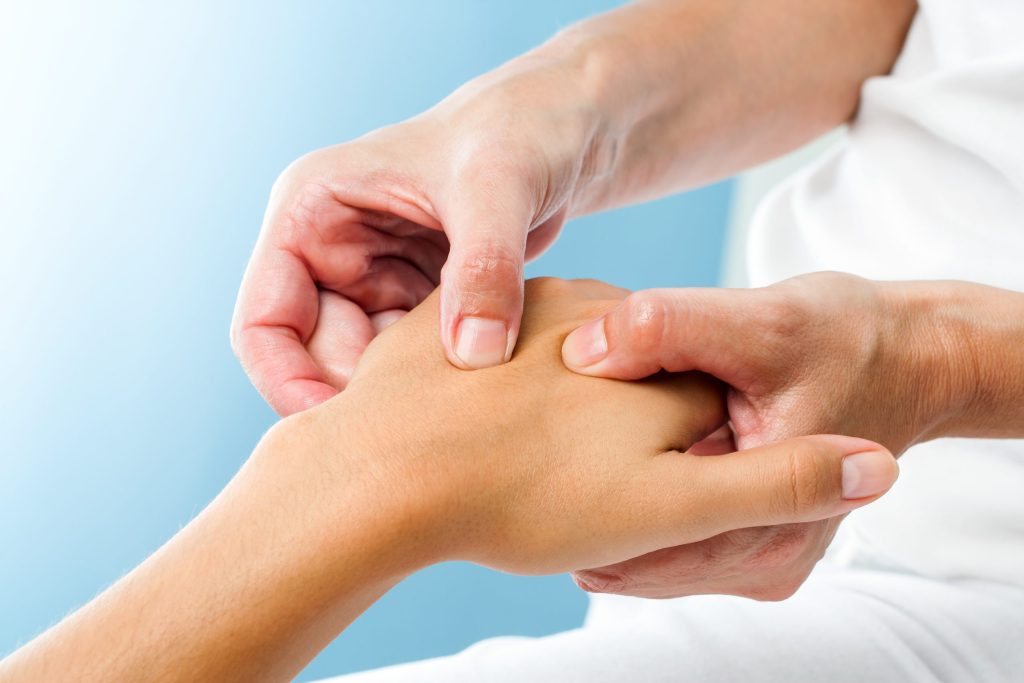
Recover Fast: Hand Therapy For Sports Injuries

In the world of sports, injuries are an unfortunate yet common occurrence. Among these, hand injuries are particularly challenging due to their complexity and the crucial role hands play in almost every sport. Whether you’re an amateur athlete or a professional, proper recovery is key to returning to peak performance. One effective approach to healing hand injuries is hand therapy. Here’s a closer look at how hand therapy can help you recover fast and get back in the game. Understanding Hand Injuries in Sports Hand injuries in sports can range from minor strains and sprains to more severe Broken bones and dislocations. Common sports-related hand injuries include: Fractures: Breaks in the bones of the hand due to direct impact or falls. Sprains: Ligament injuries caused by stretching too far or tearing. Dislocations: When bones in the hand become displaced from their normal position. Tendinitis: Inflammation of tendons due to repetitive stress. Soft Tissue Injuries: Damage to muscles, tendons, or ligaments. Each of these injuries requires a tailored look at to ensure effective healing and prevent long-term issues. What is Hand Therapy? Hand therapy is a specialized form of Getting Better, which is designed to help individuals recover from hand injuries. It combines various techniques to restore function, alleviate pain, and improve strength. Hand therapists are highly trained professionals who use a range of treatment plan, including: Manual Therapy: Hands-on techniques to mobilize joints and soft tissues. Exercise Programs: Custom exercises to strengthen muscles, improve flexibility, and enhance coordination. Splinting: Using custom-made splints to immobilize or support injured areas. Modalities: Techniques such as heat, cold, ultrasound, and electrical stimulation to reduce pain and inflammation. Education: Guiding proper body mechanics and injury prevention strategies. Benefits of Hand Therapy for Sports Injuries Accelerated Healing: Hand therapy techniques can promote faster recovery by Getting more blood flow, reducing swelling, and facilitating the healing of tissues. Pain Relief: Therapists use various methods to manage pain and discomfort, helping athletes return to their activities more comfortably. Restored Function: Through targeted exercises and treatments, hand therapy helps fix the full range of motion and strength, enabling athletes to regain their previous performance levels. Prevention of Future Injuries: Educating athletes on proper techniques and strengthening exercises can help prevent re-injury and reduce the risk of future problems. Personalized Care: Hand therapy is tailored to each individual’s specific needs and injury, ensuring a customized approach to recovery. The Road to Recovery Recovering from a hand injury requires patience and adherence to a well-structured therapy plan. Here are some tips to ensure you get the most out of your hand therapy sessions: Follow the Therapist’s Advice: Stick to the prescribed exercises and treatment plans to maximize your recovery. Communicate Openly: Discuss any concerns or changes in symptoms with your therapist to adjust the treatment as needed. Stay Consistent: Regular therapy sessions and practice of recommended exercises are crucial for effective recovery. Be Patient: Healing takes time, so give yourself grace and allow your body the necessary time to recover fully. Conclusion Hand therapy is a vital component of recovering from sports-related hand injuries. By addressing the specific needs of each injury and providing personalized treatment, hand therapy helps athletes heal faster, regain strength, and return to their sports with confidence. If you’ve suffered a hand injury, consider seeking the expertise of a qualified hand therapist to guide you on the road to recovery.

Recover Fast: Hand Therapy For Sports Injuries Read More »

exercise therapy

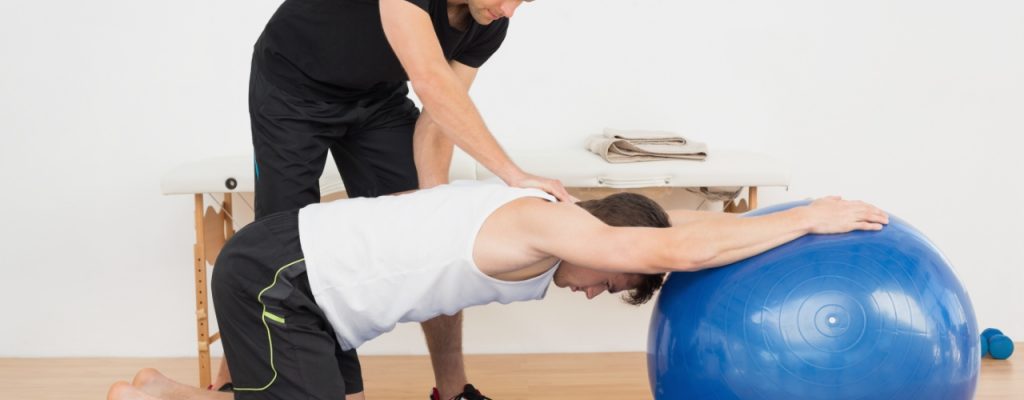
The Benefits Of Exercise Therapy You Need To Know

Exercise therapy is a cornerstone of physical rehabilitation and overall wellness, offering a range of benefits that can improve both physical and Health and mental. Here’s a comprehensive look at why incorporating exercise therapy into your routine can be transformative. 1. Enhances Physical Function One of the main advantages of exercise treatment is its ability to improve physical function. Regular physical activity helps strengthen muscles, increase joint flexibility, and improve coordination. For individuals recovering from injuries or surgeries, targeted exercise therapy can facilitate faster and more effective rehabilitation, helping them regain mobility and functionality. 2. Reduces Pain and Inflammation Exercise therapy can play a very important role in caring for chronic pain conditions such as arthritis and lower back pain. By encouraging blood flow and reducing muscle tension, exercise can help alleviate pain and decrease inflammation. Stretching and strengthening exercises also support joint stability and reduce the risk of further injury. 3. Improves Cardiovascular Health Engaging in regular exercise therapy boosts cardiovascular Health by improving heart function and increasing circulation. Aerobic movements, such as walking, cycling, or swimming, help lower blood pressure, reduce cholesterol levels, and enhance overall cardiovascular endurance. This can reduce the risk of heart sickness and stroke. 4. Supports Weight Management Exercise therapy is an effective tool for weight management and obesity prevention. By increasing the number of calories burned, exercise helps maintain a healthy weight. Combining cardiovascular and strength-training exercises can enhance metabolism, build lean muscle mass, and support long-term weight control. 5. Enhances Mental Health The mental health benefits of exercise therapy are well-documented. Physical activity increases the release of endorphins, which are natural mood lifters. Regular exercise can help reduce signs (s) of anxiety, depression, and stress. In addition, the sense of accomplishment and improved self-esteem that comes from meeting exercise goals can contribute to better mental well-being. 6. Boosts Immune Function Exercise therapy can strengthen the immune system, making the body more resilient to infections and getting sick. Regular physical activity enhances the circulation of immune cells and promotes a balanced immune response, helping to keep the body’s defenses robust. 7. Improves Sleep Quality For those having a hard with sleep disorders or insomnia, exercise therapy can offer significant relief. Engaging in physical activity helps regulate sleep patterns and improve the quality of sleep. Regular exercise promotes deeper, more restorative sleep and can help reduce symptoms of sleep-related issues. 8. Increases Energy Levels Against what one might expect, regular exercise boosts energy levels. Exercise therapy helps improve overall stamina and reduces feelings of fatigue. By enhancing cardiovascular function and promoting better oxygen and nutrient delivery to tissues, exercise increases overall energy and vitality. 9. Enhances Balance and Coordination Exercise therapy is crucial for maintaining and improving balance and coordination, especially in older adults. Balance exercises and activities that focus on core strength and peacefulness can reduce the risk of falls and improve overall functional stability. 10. Provides Social Interaction Participating in group exercise therapy sessions or fitness classes provides opportunities for social interaction. Building connections with others through exercise can foster a sense of community, support, and motivation, contributing to a more enjoyable and long-term exercise routine. Conclusion Incorporating exercise therapy into your routine can yield numerous benefits that extend beyond physical Health. From pain management and improved cardiovascular function to enhanced mental well-being and better sleep, exercise therapy is a strong tool for overall Health and quality of life. Whether you’re Getting Back from an injury, caring for a chronic condition, or simply looking to improve your well-being, exercise therapy offers a holistic approach to achieving your health goals.

The Benefits Of Exercise Therapy You Need To Know Read More »

electrotherapy

Feel Better Faster: The Benefits Of Electrotherapy

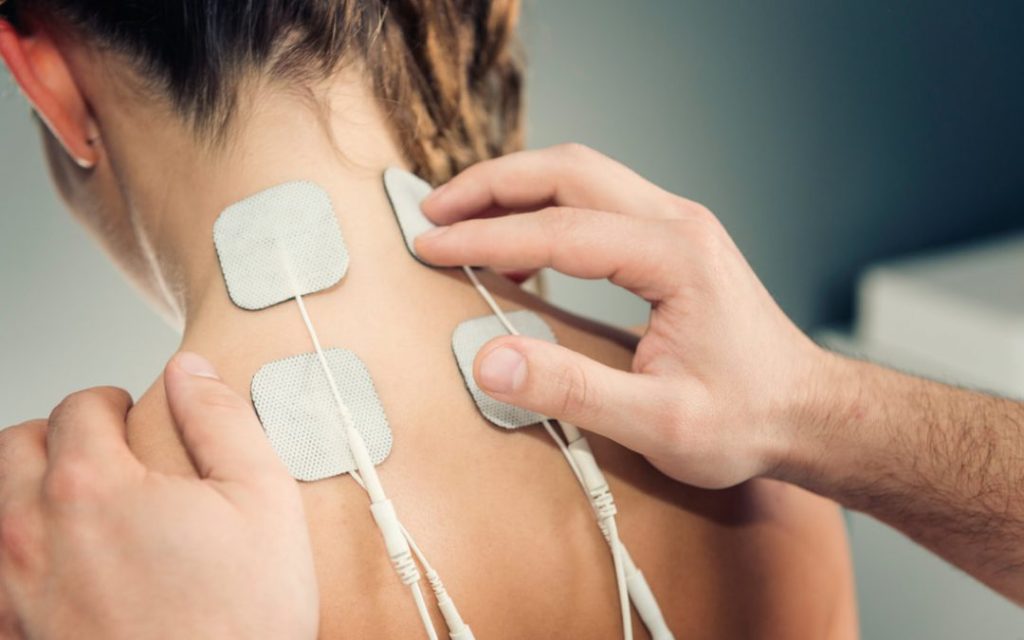
In the realm of physical therapy, electrotherapy is emerging as a powerful tool for accelerating recovery and enhancing overall well-being. This technique utilizes electrical currents to stimulate nerves and muscles, offering a range of benefits for those dealing with pain, injury, or chronic conditions. Here’s an in-depth look at how electrotherapy can help you feel better faster and why it might be an excellent addition to your treatment plan. What is Electrotherapy? Electrotherapy involves the application of electricity currents applied to the body via skin-implanted electrodes. These currents can help to stimulate nerves and muscles, improve circulation, and promote healing. The most common types of electrotherapy include: Transcutaneous Electrical Nerve Stimulation (TENS): Used primarily for pain relief, TENS sends low-voltage electrical currents through the skin to interfere with pain signals. Electrical Muscle Stimulation (EMS): Targets muscle groups to promote muscle contraction, which can aid in muscle strengthening and recovery. Interferential Current Therapy (IFC): It uses two medium-frequency electrical currents that intersect to provide deep tissue stimulation, reduce pain, and promote healing. Ultrasound Therapy: Employs high-frequency sound waves to get inside deeper tissues, reducing inflammation and enhancing tissue repair.Key Benefits of Electrotherapy Pain Relief: One of the most very important benefits of electrotherapy is its ability to manage and reduce pain. TENS, for example, can help mask pain signals and stimulate the production of mood boosters, which are natural painkillers produced by the body. Enhanced Muscle Recovery: EMS can be particularly beneficial for athletes or individuals recovering from muscle injuries. By stimulating muscle contractions, EMS helps improve blood flow to the affected area, reducing muscle discomfort and speeding up recovery. Improved Circulation: Electrotherapy can help enhance blood flow to specific areas of the body. This increased circulation can promote healing, reduce swelling, and help heal areas that have been hurt. Reduced Inflammation: Electrotherapy, particularly ultrasound therapy, can help to lessen inflammation by increasing blood flow and promoting the repair of tissues. This can be especially useful for individuals suffering from conditions like arthritis or tendonitis. Muscle Strengthening: For individuals with weakened muscles due to injury or surgery, EMS can help to improve muscle strength and endurance. This is achieved by stimulating muscle contractions, which can be an effective way to maintain muscle tone and function. Rehabilitation Support: Electrotherapy can be an integral part of a rehabilitation program. It can assist in regaining function, mobility, and strength following surgery or injury, helping individuals return to their daily activities more quickly. Non-Invasive Treatment: Electroshock is a non-invasive treatment option, which means it does not require any surgery steps or medications. This makes it a safer alternative for many individuals, particularly those who are looking for drug-free pain management solutions. When to Consider Electrotherapy Electrotherapy can be beneficial for a variety of conditions and situations, including: Chronic Pain: Such as lower back pain, arthralgia, and neuropathic pain. Acute Injuries: Like sprains, strains, and post-surgical recovery. Muscle Weakness: Due to disuse or injury. Inflammatory Conditions: Such as tendonitis or bursitis. Conclusion Electrotherapy offers a range of benefits that can help you feel better faster by addressing pain, enhancing muscle recovery, and improving overall function. If you are dealing with chronic pain, Getting Back from an injury, or looking to boost your rehabilitation efforts, electrotherapy could be a valuable addition to your treatment plan. Check out with a physical therapist to determine if electrotherapy is right for you and how it can be integrated into your overall care strategy.

Feel Better Faster: The Benefits Of Electrotherapy Read More »

chronic pain

Simple Tips For Managing Chronic Pain Every Day

Chronic Pain is a daily reality for millions of people worldwide, and finding efficient ways how to deal with it can make life a lot better. While there’s no one-size-fits-all solution, incorporating certain strategies and adding them to your daily routine can help ease your Pain and enhance your overall well-being. Here are some practical tips for managing chronic Pain every day: Establish a Routine Consistency can be a powerful ally in managing chronic Pain. Create a daily routine that comes with regular exercise, healthy meals, and sufficient rest. Stick to the same sleep schedule to help your body recover and reduce pain sensitivity. Engage in Gentle Exercise Physical activity can be a key element in managing chronic Pain. Not-too-bad exercises such as walking, swimming, or yoga can help maintain flexibility, make muscles stronger, and improve overall health without putting excessive strain on your body. Start slowly and step by step increase the intensity to avoid overexertion. Practice Relaxation Techniques Stress can exacerbate chronic Pain treatment , making relaxation techniques an essential part of pain management. Techniques such as deep breathing, being still, and moving forward muscle relaxation can help calm the nervous system and reduce pain perception. Find a method that works for you and incorporate it into your daily routine. Stay Hydrated and Eat Well Proper nutrition and water intake play a crucial role in managing chronic Pain. Drinking enough water and Taking in a balanced diet rich in anti-foods that make inflammation worse, like fruits, vegetables, and omega-3 fatty acids, can help reduce inflammatory response and support overall health. Use Heat and Cold Therapy Applying heat or cold to The areas hit can provide temporary relief from Pain. One way to use heat treatment option is with an electric blanket. Or a warm bath can help you calm down. Those tense muscles, while cold therapy, like ice packs, can reduce the inflammatory response and numb the Pain. Experiment with both to see which offers the best relief for your condition. Explore Alternative Therapies Fitting together therapies such as acupuncture, massage, and chiropractic care can offer additional relief for chronic Pain. Check out with a healthcare professional to explore these options and determine which therapies may be beneficial for your specific condition. Keep a Pain Journal Tracking your pain levels, triggers, and relief methods in a notepad can help identify patterns and effective strategies. By documenting your experiences, you can better understand what exacerbates or alleviates your Pain and make informed adjustments to your management plan. Seek Professional Support Managing chronic Pain often requires many different approaches. Consult with healthcare professionals, including pain specialists, physical therapists, and psychologists, to develop a comprehensive pain management plan tailored to your needs. Stay Socially Connected Isolation can negatively impact mental health and exacerbate Pain. Stay in touch with family and friends, Take part in social events, and seek support from support groups or online communities. Sharing experiences and receiving emotional support can be an important aspect of coping with chronic Pain. Prioritize Mental Health Chronic Pain often comes hand-in-hand with high impact chronic pain emotional challenges such as anxiety and depression. Think of speaking with a mental health professional to address any psychological aspects of your Pain. Cognitive-behavioral therapy (CBT) and other therapeutic approaches can help manage the mental state impact of chronic Pain condition. Conclusion Managing chronic Pain requires a holistic and personalized approach. By incorporating these simple yet effective strategies into your daily routine, you can ease up on discomfort and enhance your overall well-being. Establishing a consistent routine, engaging in gentle exercise, practicing relaxation techniques, and maintaining proper nutrition are all crucial steps. Additionally, utilizing heat and cold therapy, exploring alternative treatments, keeping a pain journal, seeking professional support, staying socially connected, and prioritizing mental health can collectively contribute to better pain management. Remember, managing chronic Pain is an ongoing process, and finding the right combination of ideas can make a very important difference in your daily life. Stay patient and proactive, and don’t hesitate to seek support when needed.

Simple Tips For Managing Chronic Pain Every Day Read More »

The Benefits of Neurological Therapy for Brain and Body

Neurological therapy, often referred to as neurotherapy or neurorehabilitation, encompasses a range of therapeutic techniques designed to enhance brain function and promote overall physical well-being. This specialized form of therapy targets neurological conditions and injuries, aiming to improve cognitive abilities, motor skills, and quality of life. Here’s a comprehensive look at the benefits of neurological therapy: 1.Enhanced Cognitive Function: Neurological therapy includes exercises and activities tailored for memory, focus, and problem-solving to improve brain functions. By participating in these activities, individuals can experience improved mental clarity, sharper focus, and enhanced overall cognitive function. 2.Improved Motor Skills and Coordination: Therapy focuses on regaining strength, balance, and coordination for individuals recovering from neurological injuries or conditions affecting motor skills. Through targeted exercises and therapies, neurological therapy helps people regain control over their movements and improve their overall physical capabilities. 3.Pain Management: Neurological therapy often incorporates techniques to alleviate pain associated with neurological conditions such as headaches, nerve pain, and muscle stiffness. Therapists use specialized approaches like manual therapy, acupuncture, or electrical boosting to reduce pain and improve comfort. 4.Emotional and Psychological Well-being: Living with neurological conditions can impact emotional health. Neurological therapy includes counseling and therapeutic interventions aimed at enhancing emotional resilience, reducing anxiety, and promoting a positive outlook on life. 5.Enhanced Quality of Life: Neurological therapy aims to enhance the overall quality of life by addressing both cognitive and physical aspects. Improved cognitive function, better motor skills, reduced pain, and enhanced emotional well-being contribute to a more fulfilling and independent lifestyle. 6.Personalized Treatment Plans: Each individual’s neurological therapy plan is customized to address specific needs and goals. Therapists assess the unique challenges and strengths of each patient, tailoring exercises and interventions accordingly for optimal results. 7.Long-Term Benefits: Consistent participation in neurological therapy can lead to long-term benefits such as sustained cognitive improvements, better mobility, and enhanced overall health outcomes. The focus on rehabilitation and ongoing support helps individuals maintain and build upon their progress over time. Neuro Rehabilitation: Neuro rehabilitation is a specialized therapy aimed at helping individuals recover from neurological injuries or disorders, such as stroke, spinal cord injury, or traumatic brain injury. It focuses on improving the patient’s physical, cognitive, and emotional functions through a multidisciplinary approach, including physical therapy, occupational therapy, speech therapy, and psychological support. The goal is to maximize independence and improve the quality of life. Inpatient Rehabilitation: Inpatient rehabilitation provides intensive, around-the-clock care for patients who require comprehensive therapy after a major illness, injury, or surgery. Patients receive daily therapy sessions tailored to their specific needs, which may include physical therapy, occupational therapy, and speech therapy. The structured environment and medical supervision help accelerate recovery and prepare patients for a safe transition back home or to a less intensive care setting. Sports Medicine: Sports medicine is a branch of healthcare that focuses on the prevention, diagnosis, treatment, and rehabilitation of sports-related injuries. It serves athletes and active individuals by addressing musculoskeletal injuries, enhancing physical performance, and promoting overall fitness. The field often involves a multidisciplinary team of physicians, physical therapists, and athletic trainers working together to ensure safe and effective recovery and return to sport. Occupational Therapist: An occupational therapist (OT) is a healthcare professional who helps individuals of all ages engage in meaningful activities or “occupations” that are important to their daily lives. OTs work with patients who have physical, developmental, or emotional challenges, using therapeutic techniques to improve their ability to perform daily tasks, regain independence, and enhance their overall well-being. Patients: Patients are individuals who receive medical care or treatment for various health conditions, injuries, or diseases. They rely on healthcare professionals to diagnose, treat, and manage their conditions, with the goal of improving their health and quality of life. Patient-centered care emphasizes the importance of understanding each patient’s unique needs and preferences to deliver personalized, effective treatment. Physical Medicine: Physical medicine, also known as physiatry or rehabilitation medicine, focuses on diagnosing, treating, and managing physical impairments or disabilities. It emphasizes non-surgical methods to enhance and restore functional ability and quality of life for patients with musculoskeletal, neurological, or cardiopulmonary conditions. Treatments often include physical therapy, medications, and pain management techniques. Neuro Therapy: Neuro therapy is a therapeutic approach used to treat neurological disorders and injuries by stimulating the brain’s neural pathways. Techniques may include biofeedback, cognitive-behavioral therapy, and neurofeedback, all aimed at improving cognitive functions, emotional regulation, and physical abilities. This therapy is often used for conditions such as ADHD, anxiety, stroke, and traumatic brain injury. Amyotrophic Lateral Sclerosis (ALS): Amyotrophic lateral sclerosis (ALS) is a progressive neurodegenerative disease that affects nerve cells in the brain and spinal cord. This condition leads to the gradual loss of voluntary muscle control, resulting in severe physical disability. Though there is no cure for ALS, treatments focus on managing symptoms, slowing disease progression, and improving the quality of life for patients. Traumatic Brain Injury (TBI): Traumatic brain injury (TBI) occurs when a sudden trauma, such as a blow or jolt to the head, causes damage to the brain. Symptoms can range from mild concussions to severe brain damage, affecting cognitive, physical, and emotional functions. Rehabilitation for TBI involves a multidisciplinary approach, including physical therapy, occupational therapy, and neuropsychological support, aimed at restoring function and independence. Neurological Injury: Neurological injury refers to damage to the nervous system, which can result from trauma, disease, or disorders affecting the brain, spinal cord, or peripheral nerves. Such injuries can lead to a range of symptoms, including motor and sensory deficits, cognitive impairment, and emotional challenges. Rehabilitation focuses on restoring lost functions, managing symptoms, and improving the overall quality of life. Vestibular Therapy: Vestibular therapy is a specialized form of physical therapy designed to treat dizziness, vertigo, and balance disorders that stem from issues within the inner ear or vestibular system. Through exercises that retrain the brain to compensate for these deficits, vestibular therapy helps reduce symptoms, improve balance, and enhance overall stability and mobility. Hand Therapy: Hand therapy is a specialized area of rehabilitation focused on treating

The Benefits of Neurological Therapy for Brain and Body Read More »

Why Geriatric Therapy is Essential for Active and Healthy Aging

As we journey through life, our bodies and minds undergo profound changes, especially as we age. For older adults, Keeping up an active and healthy lifestyle becomes increasingly important. This is where geriatric therapy plays a pivotal role, offering specialized care and interventions designed to enhance quality of life and overall well-being. Understanding Geriatric Therapy Geriatric therapy encompasses a range of healthcare services tailored specifically for older adults. It focuses on addressing age-related issues such as mobility challenges, cognitive decline, chronic pain, and emotional well-being. Through personalized treatment plans, geriatric therapists aim to optimize physical function and independence while promoting mental health resilience. Benefits of Geriatric Therapy Improved Physical Function: Aging often brings about physical limitations. Geriatric therapy employs exercises and rehabilitation techniques to improve strength, flexibility, and balance. This helps older adults maintain mobility and reduce the risk of falls, thereby enhancing their confidence in daily activities. Pain Management: Chronic conditions like arthritis and osteoporosis can significantly impact quality of life. Geriatric therapists utilize various modalities such as therapeutic exercises, manual therapy, and pain-relieving techniques to alleviate discomfort and improve joint mobility. Cognitive Enhancement: Cognitive decline is a common concern among seniors. Geriatric therapy includes cognitive rehabilitation exercises that stimulate brain function, enhance memory, and promote mental clarity. These interventions are crucial for delaying the onset of dementia and improving overall cognitive abilities. Emotional Support: Getting older can sometimes make you feel alone, depressed, or anxious. Geriatric therapists provide emotional support and counseling care to help seniors cope with life transitions, loss, and adjustments. This holistic approach ensures that emotional well-being is prioritized alongside physical health. Nutritional Guidance: Proper nutrition is fundamental for maintaining health at any age. Geriatric therapists offer dietary assessments and recommendations tailored to individual needs, ensuring that older adults receive adequate nutrition to support overall health and vitality. The Role of Geriatric Therapists Geriatric therapists are trained professionals with specialized knowledge of aging-related issues. They collaborate closely with older adults, caregivers, and healthcare workers to create elaborate care plans that address specific concerns and goals. Whether through physical therapy, occupational therapy, or speech therapy, these professionals are dedicated to maximizing functional independence and enhancing quality of life. Conclusion In conclusion, geriatric therapy is not just about treating ailments but empowering older adults to live actively and healthily. By addressing physical, cognitive, emotional, and nutritional aspects, geriatric therapists play a crucial role in promoting longevity and well-being. Embracing geriatric therapy ensures that seniors can enjoy a satisfactory and independent lifestyle as they age gracefully. If you or a loved one are navigating the challenges of aging, consider consulting a senior therapist to discover how personalized therapy can support your journey toward active and healthy aging. Your well-being matters and geriatric therapy is here to help you thrive in every stage of life.

Why Geriatric Therapy is Essential for Active and Healthy Aging Read More »

Message Us on WhatsApp