
Physical Therapy for Knee Injuries
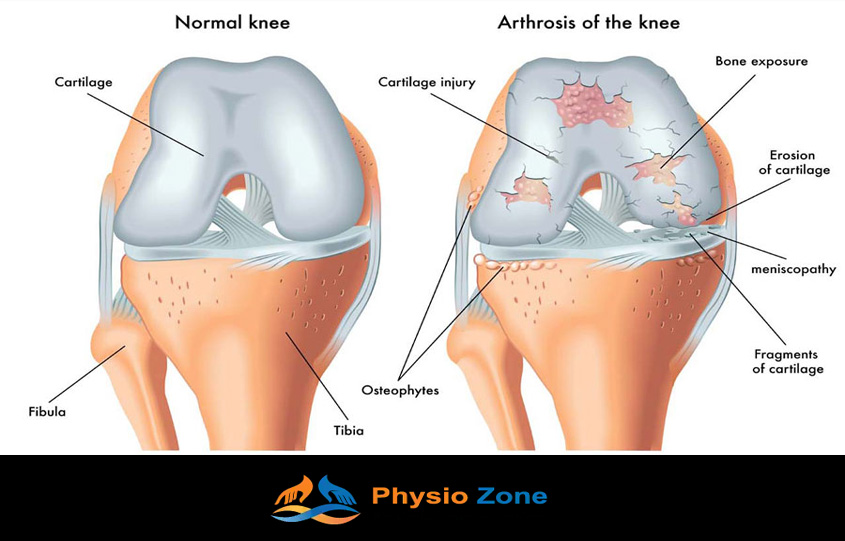
Knee injuries are common and can happen to people of all ages and levels of exercise. Physical therapy is an important part of getting back on your feet after a knee injury, whether you’re a player trying to get back in the game, a weekend warrior who got hurt suddenly, or just someone who likes to move around without pain. Welcome to our complete guide on “Physical Therapy for Knee Injuries” The knee is a complicated joint that has to carry a lot of weight every day. This makes it prone to injuries like tendon sprains, torn meniscus, and dislocated kneecaps. Knee injuries can vary in how bad they are, but the value of proper rehabilitation stays the same. In this series of articles, we’ll learn more about knee problems and how physical therapy is a key part of getting better. We’ll talk about the latest treatments, exercises, and expert tips to help you get your knee strong, stable, and confident again so you can get back to doing the things you love. What injuries require physical therapy? Any damage to the knee could make it hard for you to move around. Strains, tears, sprains, and bruises can cause a lot of pain and sometimes even need surgery. When ligaments are torn, they almost always need surgery and a lot of physical rehab. Most sprains and strains don’t need surgery, but they still hurt. They should be handled with care, or they could get worse. If you hurt your knee and don’t know how bad it is, you should see a doctor right away. They will figure out what’s wrong with you and get you started on the road to getting better. Types of Knee Injuries and Common Causes Knee injuries can be debilitating and are often caused by a variety of factors, including accidents, sports activities, and even everyday wear and tear. Understanding the different types of knee injuries and their common causes is crucial for prevention and proper treatment. In this article, we will explore several common knee injuries and what leads to them: Anterior Cruciate Ligament (ACL) Tear: Common Cause: Sudden stops, changes in direction, or direct impact to the knee, often occurring in sports like soccer, basketball, and skiing. Medial Collateral Ligament (MCL) Sprain: Common Cause: Forceful impact to the outer knee, typically during contact sports or accidents. Meniscus Tear: Common Cause: Twisting the knee while bearing weight, often during activities that involve pivoting or squatting. Patellar Tendonitis (Jumper’s Knee): Common Cause: Repetitive jumping and landing, overuse, or excessive strain on the patellar tendon. Patellar Dislocation: Common Cause: A sudden change in direction or a direct blow to the knee, frequently seen in sports with rapid movements. Iliotibial (IT) Band Syndrome: Common Cause: Overuse or repetitive friction of the IT band along the outer thigh, common in runners and cyclists. Bursitis: Common Cause: Prolonged kneeling, overuse, or trauma to the knee, leading to inflammation of the bursae. Osteoarthritis: Common Cause: Age-related wear and tear, joint overuse, or a previous injury that results in the breakdown of cartilage. Rheumatoid Arthritis: Common Cause: Autoimmune condition affecting the joints, including the knee. Tendon Tears (Quad or Hamstring): Common Cause: Sudden, forceful contractions or overstretching of the tendons, often seen in athletes. Understanding these knee injuries and their causes is the first step in preventing them or seeking appropriate treatment. Whether you’re an athlete, an active individual, or simply looking to maintain your knee health, recognizing the signs and risks associated with these injuries can help you take proactive measures to protect your knees and ensure their long-term well-being. 6 physical therapy exercises for knee injuries 1. SIDE STEPS For this workout, you’ll need a support band. They can be bought for a reasonable amount of money. They should also be at your gym. Wrap the exercise band around your ankles. Stand up straight with your feet together and your knees slightly bent. Keep your head and hips level, and make sure your toes are pointed straight. Take two steps to one side. After eight or nine steps, go back the way you came. The resistance band should make the steps a little harder, but not so hard that you have to stretch. If the resistance band makes your knees fall, it’s too tight. If you fall forward, you’re taking too big of steps. Take more steps, but not bigger ones, as time goes on. The hips and glutes get stronger when you do side steps. When your knee hurts, taking care of the muscles around it can help. 2. SINGLE-LEG DEADLIFT For the single-leg deadlift, your muscles have to help you keep your balance. Stand on one leg and slightly bend the knee. Reach forward and down toward the ground. As you move forward, the foot that is in the air should rise at the same rate. Keep your knees still and reach as far down as you can. Slowly stand up again, and do this 5 times for each leg. Keep your back straight the whole time. When you reach down, you should be able to move your knees as you wish. The goal of the exercise is to strengthen the legs, back, and abdominal muscles. 3. Hamstring stretch Knee pain can be made worse by tight hamstrings, so stretching them out is a great way to ease pain. Put a mat or other padding material under your back to make this stretch more comfortable and get the most out of it. How to stretch your hamstrings: Lay down on the floor or a mat and put your legs out straight in front of you. If it makes you feel better, bend your knees and put your feet flat on the ground. Next, wrap the bottom of one foot with a towel, belt, or band. Straighten that leg and lift it into the air. Pull the wrap with your arms to help you find a deep but easy stretch along the back of your leg. Hold
Physical Therapy for Knee Injuries Read More »