Skip to content
Sat–Thu · 10 am–9 pm · Uttara, Dhaka

Blogs

Physiotherapy Exercises for Beginners

Top 5 Physiotherapy Exercises for Beginners to Start Today

Are you new to physiotherapy? Maybe you’re in pain or recovering from an injury and don’t know where to begin. You’re not alone. Starting your recovery journey can feel overwhelming—but it doesn’t have to be. With the proper physiotherapy exercises, you can regain mobility, reduce discomfort, and move toward a pain-free life—even as a beginner. Let’s dive into these exercises, why they matter, and how you can start practicing today. What Are Physiotherapy Exercises for Beginners? Physiotherapy exercises are gentle, controlled movements that restore function and reduce pain. For beginners, these exercises are simple, low-impact, and can often be done at home with little to no equipment. They’re commonly recommended for conditions like back pain, joint stiffness, or post-injury rehabilitation. Why You Shouldn’t Wait to Start—Even If You’re in Pain Delaying physiotherapy can slow down your recovery. The longer you wait, the harder it may become to regain mobility. These beginner exercises are designed to help you move safely even when in pain. The goal isn’t to push through the pain—but to move gently and consistently to prevent stiffness and promote healing. How to Know If These Exercises Are Right for You Still unsure if these movements will help? Ask yourself: Are you struggling with stiffness, weakness, or mild pain? Has your physiotherapist recommended daily improving movement? Do you want to prevent your condition from worsening? If the answer is yes, then these beginner exercises are a safe place to start. However, always consult a professional before starting any new routine. The Role of Breathing and Patience in Your Recovery Many beginners forget how important breathing is during physiotherapy. Deep, controlled breaths relax the body, improve oxygen flow, and support muscle function. Pair that with patience, and you’re setting yourself up for long-term success. Top 5 Beginner-Friendly Physiotherapy Exercises These five movements are perfect for easing into a healthy routine. Remember to breathe deeply and stop if you feel sharp pain. 1. Ankle Pumps Lie down on your back. Point and flex your feet slowly. 🕒 Duration: 2–3 minutes 🎯 Benefit: Improves circulation and prevents swelling 2. Pelvic Tilts Lie on your back with your knees bent. Gently press your lower back into the floor, then release. 🕒 Reps: 10–15 🎯 Benefit: Strengthens the core and relieves lower back pain 3. Shoulder Rolls While standing or sitting, roll your shoulders backward and forward. 🕒 Reps: 10 in each direction 🎯 Benefit: Improves posture and reduces shoulder tension 4. Heel Slides Lie on your back and slowly slide your heel toward your buttocks, then back. 🕒 Reps: 10 each leg 🎯 Benefit: Helps with knee mobility 5. Wall Push-Ups Stand a few feet from a wall. Place your palms on the wall and push in and out slowly. 🕒 Reps: 10–15 🎯 Benefit: Builds upper body strength without straining joints Common Mistakes Beginners Make—and How to Avoid Them Doing Too Much Too Soon – Start slow. Let your body adjust. Skipping Warm-Ups – Always prep your body before stretching. Holding Your Breath – Stay relaxed. Inhale and exhale smoothly. Ignoring Pain Signals – Mild discomfort is okay, but sharp pain isn’t. How Long Should You Practice? Consistency matters more than intensity. Aim for 15–20 minutes a day, 4–5 times a week. You don’t need to commit hours—just regular effort. This habit can gradually lead to noticeable improvements in pain, flexibility, and strength. Your Progress Might Be Slow—But It’s Still Progress Healing isn’t always fast, but every small step matters. You may not feel instant relief, but your mobility and comfort will improve with time. Celebrate the little wins and keep moving forward. ✅ Conclusion Physiotherapy doesn’t have to be intimidating. These beginner-friendly exercises can be done at your own pace from the comfort of your home. Ready to take the first step toward recovery? Start today—because a pain-free life is possible. 🙋 Frequently Asked Questions (FAQs) Can I do these exercises at home without a physiotherapist? Yes, but it’s best to consult a physiotherapist to ensure they suit your condition. How soon will I feel better? Some people feel relief within a week, while others may take longer. Consistency is key. What if I feel pain during the exercises? Stop immediately and speak to a professional. Pain is a signal—don’t ignore it. Do I need the equipment to get started? No. Most beginner exercises can be done using your body weight and a mat. Are these exercises safe for elderly people? Yes, but with supervision or guidance from a physiotherapist. Can I do these exercises post-surgery? Only if approved by your doctor or physiotherapist. How do I stay motivated? Track your progress, set small goals, and remind yourself why you started.

Top 5 Physiotherapy Exercises for Beginners to Start Today Read More »

Pelvic Floor Physiotherapy for Women

Pelvic Floor Physiotherapy for Women; A Complete Guide to Recovery

What Is Pelvic Floor Physiotherapy for Women? Pelvic floor physiotherapy is a specialized form of physical therapy aimed at strengthening and relaxing the muscles in the pelvic area. These muscles are vital in bladder control, sexual function, and core stability. Whether you’re recovering after childbirth or managing discomfort, this therapy can make a real difference. How to Know If You Need It Many women silently experience symptoms without realizing they can get help. You may benefit from pelvic floor therapy if you: Leak urine when laughing, sneezing, or running Feel a heavy or bulging sensation in the pelvic area Experience painful intercourse Struggle with constipation Are you recovering from childbirth or gynecological surgery If any of these sound familiar, it’s time to consider an assessment with a pelvic health physiotherapist. Real Women, Real Results At PhysioZone BD, we’ve seen countless women regain control and confidence. Like Maria, a 34-year-old mother of two, who said: “I thought I had to live with the discomfort forever. But just after five sessions, my symptoms improved dramatically.” Stories like Maria’s are not rare—they’re what we aim for every day. What Causes Pelvic Floor Issues? Several factors can trigger pelvic floor dysfunction: Pregnancy and childbirth Aging or menopause Obesity Chronic coughing High-impact exercise or lifting Surgery in the pelvic area These changes weaken or overstrain the pelvic muscles, leading to uncomfortable symptoms. What Happens in a Therapy Session? Your first session usually involves a detailed consultation. After understanding your medical history, the physiotherapist may perform: A posture and muscle strength assessment Gentle internal or external examination A tailored treatment plan Ongoing sessions may include: Breathing techniques Manual therapy Pelvic floor muscle training Biofeedback tools Guidance on home exercises Most sessions last 30–45 minutes and are completely private and respectful of your comfort. Easy Home Exercises That Help Alongside professional therapy, these simple exercises can support your recovery: Kegels: Tighten and hold the pelvic floor muscles for 5 seconds, then relax. Repeat 10 times. Bridge Pose: Strengthens glutes and supports pelvic alignment. Deep Breathing: Helps relax and coordinate your core and pelvic muscles. Always consult a physiotherapist before starting any exercises. Conclusion Pelvic floor physiotherapy is not just for women with severe symptoms—it’s for anyone looking to take control of their body and health. At PhysioZone BD, we provide compassionate, expert care designed for women at every stage of life. 👉 Book your first assessment today and take the first step toward feeling stronger and more confident. Frequently Asked Questions (FAQs) Is pelvic floor physiotherapy painful? Most sessions are gentle and guided with your comfort in mind. Some exercises may feel unusual but should not cause pain. How many sessions do I need? This varies, but most women see improvement within 4–6 sessions. Your physiotherapist will tailor the plan based on your progress. Can I do pelvic floor therapy after pregnancy? Absolutely! Restoring pelvic strength postnatally—even months or years after delivery is highly recommended. Is it embarrassing or awkward? Not at all. Our trained therapists create a supportive and respectful environment for all women. Will this help with urinary incontinence? Yes, pelvic floor therapy is one of the most effective, non-surgical treatments for incontinence. Can I do this at home? You can support your therapy with home exercises, but a trained physiotherapist is essential for proper assessment and progress tracking. Does insurance cover pelvic floor physiotherapy? Many health insurance plans do. Contact us to discuss coverage options.

Pelvic Floor Physiotherapy for Women; A Complete Guide to Recovery Read More »

Physiotherapy for Elderly People

Physiotherapy for Elderly People; Effective Techniques

Physiotherapy for Elderly People: Why It Matters Aging often brings challenges like joint pain, decreased balance, and limited mobility. These issues can affect independence and overall quality of life. Physiotherapy for elderly people focuses on restoring movement, building strength, and preventing falls—allowing seniors to live more comfortably and confidently. At PhysiozoneBD, we specialize in personalized care plans designed to support the unique needs of older adults. Common Age-Related Issues Physiotherapy Can Help Arthritis and joint pain Post-stroke rehabilitation Balance and coordination problems Osteoporosis and fall prevention Back pain and posture issues With consistent physiotherapy, many of these conditions can be managed effectively—without relying solely on medication or surgery. Safe and Simple Exercises for Older Adults Our licensed therapists recommend gentle routines that can be done at home or in a clinic: Seated leg lifts – Strengthens the thighs without strain Shoulder rolls – Improves flexibility and posture Ankle pumps – Aids circulation and reduces swelling Wall push-ups – Builds upper-body strength safely Standing marches – Enhances balance and coordination Every session is customized to your comfort and physical ability, ensuring a safe and supportive environment. In-Home vs Clinic-Based Physical Therapy We offer in-clinic and home physiotherapy services in Dhaka, depending on what works best for you or your loved one. Home therapy is ideal for individuals with mobility challenges or post-surgery recovery. Clinic-based treatment provides access to advanced equipment and hands-on supervision. ✅ Book a consultation with us to find the right fit! Emotional and Mental Benefits of Physiotherapy It’s not just about the body—physiotherapy helps reduce anxiety, depression, and isolation in elderly people. Regular sessions give patients a sense of routine, progress, and connection with their therapist, improving emotional well-being alongside physical health. Physiotherapy for elderly people improves mobility, reduces pain, and enhances quality of life. Geriatric physical therapy offers tailored balance exercises, speech therapy, and pain management. Trusted physical therapists ensure safe, effective senior care. Conclusion Physiotherapy for elderly people is not a luxury—it’s a necessity. Proper care allows older adults to regain control over their bodies and lives. Whether it’s pain relief, improved movement, or emotional support, we’re here to help. 👉 Schedule a consultation with PhysioZoneBD today and bring back the joy of movement. Frequently Asked Questions (FAQs) Is physiotherapy safe for elderly people? Yes, it is very safe when guided by a trained physiotherapist. Each plan is tailored to the individual’s abilities and health conditions. How often should an elderly person do physiotherapy? It depends on the condition, but typically 2–3 sessions per week offer effective results. Can physiotherapy help avoid surgery? In many cases, yes. Physiotherapy can manage conditions like arthritis and back pain, reducing the need for surgery. Do you offer home physiotherapy services in Dhaka? Yes, we provide professional in-home physiotherapy services across Dhaka, including Mailbag and nearby areas. What is the cost of physiotherapy sessions for seniors? Costs vary depending on the treatment plan. Contact us for a personalized quote. Are your therapists licensed and experienced with elderly care? Absolutely. All our physiotherapists are certified and experienced in geriatric rehabilitation. How long does it take to see improvements? Most patients start feeling improvements within 2–4 weeks, depending on the condition and therapy frequency.

Physiotherapy for Elderly People; Effective Techniques Read More »

Joint Flexibility benefits

Joint Flexibility; Benefits and Stretching Techniques

Joint flexibility is an essential aspect of overall health. It refers to the ability of your joints to move through their full range of motion. Keeping your joints flexible not only helps in improving your mobility but also prevents injuries, reduces pain, and enhances your overall quality of life. In this post, we’ll discuss why joint flexibility matters, the benefits of stretching, and some easy techniques to improve it. What is Joint Flexibility? Joint flexibility is the ability of your joints to move freely within their normal range of motion. Flexibility is essential for day-to-day tasks such as bending, stretching, and even walking without discomfort. Good joint mobility improves your posture and allows you to move with ease. Why Does Flexibility Matter Every Day? Good flexibility plays a major role in everyday activities. Whether it’s tying your shoes, reaching for something on a high shelf, or simply walking, flexible joints make these tasks easier and less painful. In addition, regular stretching prevents stiffness, keeps you more active, and can improve your performance in physical activities like sports or exercise. Top Benefits of Joint Flexibility There are several benefits to maintaining or improving your joint flexibility: Prevents Injuries: Flexible joints are less likely to get strained or injured during physical activities. Reduces Pain: Stretching can reduce joint pain caused by conditions like arthritis. Enhances Posture: Flexibility in key areas like your hips and shoulders helps you stand taller and more aligned. Improves Mobility: Flexible joints help you move more freely, making daily activities easier and more comfortable. How Flexibility Improves Your Movement? When your joints are flexible, they can move more smoothly. This increases your overall range of motion, making movements more efficient and fluid. Flexibility also helps to prevent stiffness and discomfort, allowing you to perform both everyday activities and physical exercises with less effort. Easy Stretches for Better Mobility If you’re you’re to increase your joint mobility, here are some easy stretches you can do daily: Hamstring Stretch: Sit on the floor and stretch one leg out. Reach toward your toes to stretch the back of your leg. Shoulder Rolls: Gently roll your shoulders forward and backward to release tension in the upper body. Hip Flexor Stretch: Step one leg forward and bend your knee while keeping the other leg straight to stretch your hip. Neck Tilts: Gently tilt your head from side to side to stretch the muscles in your neck. Safe Stretching Techniques When stretching, always aim to avoid overstretching. Here are some techniques to ensure your stretching is safe: Start Slowly: Warm up your body before stretching. Hold the Stretch: For each stretch, hold for 15-30 seconds to let your muscles adjust. Breathe Deeply: Breathing deeply helps your body relax into the stretch No Bouncing: Avoid bouncing while stretching to reduce the risk of muscle strain. How to Avoid Injury While Stretching? Injury prevention is key when working on flexibility. To minimize the risk of injury: Stretch Regularly: Consistency is key to improving flexibility without overdoing it. Don’t to Pain: Stretch to the point of mild discomfort, not pain. Listen to Your Body: If something feels wrong, stop stretching and seek guidance from a healthcare professional. Avoid Cold Muscles: Always warm up before stretching to increase muscle flexibility. Flexibility vs. Strength: What’s Your Joints? Both flexibility and strength are crucial for joint health. Flexibility exercises allow your joints to move through a full range of motion, while strength helps support those joints and keep them stable. A balanced routine that includes both stretching and strength training will improve joint function and overall health. How Often Should You Stretch? To see improvements in joint flexibility, it’s important to stretch regularly. Ideally, stretch every day or at least 3-4 times per week. This will ensure that your joints stay flexible and healthy, reducing the risk of stiffness and injury. Why Warm-Ups and Cool-Downs Matter? Warming up before stretching is important to prepare your muscles and joints for movement. A proper cool-down after stretching helps reduce muscle tightness and allows your body to relax. Both warm-ups and cool-downs prevent injury and improve the effectiveness of your stretching routine. Conclusion Joint flexibility is a vital aspect of overall health, ensuring that your body moves freely and efficiently. Regular stretching can reduce pain, prevent injuries, and improve your posture and mobility. By incorporating simple stretching techniques into your routine, you’ll maintain flexible, healthy joints. Always remember to stretch safely, listen to your body, and take care of your joints for a more active and pain-free life. Frequently Asked Questions What is the best way to improve joint flexibility? The best way is by regularly performing stretching exercises and incorporating them into your daily routine. Can stretching prevent joint pain?  Yes, regular stretching can reduce joint stiffness and alleviate pain caused by conditions like arthritis. How long should I hold a stretch?  Hold each stretch for 15-30 seconds for maximum benefit. Is it safe to stretch every day?  Yes, stretching daily is safe as long as you do it gently and without pushing your body too hard. What should I avoid when stretching?  Avoid bouncing, overstretching, and stretching cold muscles. Always warm up first. How can I tell if I’m stretching too much?  If you feel sharp pain or discomfort, stop immediately. Stretch to a point of mild tension, not pain. Can strength training help with flexibility?  Yes, strength training helps support your joints and improves flexibility by increasing muscle balance. Is stretching enough for joint health?  While stretching is important, strengthening exercises should also be part of your routine for overall joint health. When is the best time to stretch?  Stretching is most effective after a warm-up or exercise session, but it can also be done at any time to improve flexibility.

Joint Flexibility; Benefits and Stretching Techniques Read More »

Frozen Shoulder Recovery

Frozen Shoulder Recovery; Physiotherapy Insights

Frozen shoulder, medically known as adhesive capsulitis, is a condition that causes pain and stiffness in the shoulder joint, making it difficult to move your arm. The recovery process can take time, but with the right approach, especially physical therapy, most people can regain shoulder mobility and reduce pain. What is a Frozen Shoulder? Frozen shoulder is a condition where the shoulder joint becomes stiff and painful, often making daily activities such as reaching or lifting difficult. It occurs when the tissue around the shoulder joint thickens and tightens, leading to a loss of movement. While it can happen to anyone, it is more common in people aged 40-60. Why Does Frozen Shoulder Happen? Common Causes The exact cause of a frozen shoulder isn’t always clear, but there are several factors that may contribute, including: Injury or surgery: If you’ve had shoulder surgery or an injury, it can lead to limited movement, which may increase the risk of a frozen shoulder. Health conditions: Conditions like diabetes, thyroid disorders, or heart disease can make you more prone to developing a frozen shoulder. Prolonged immobility: Keeping the shoulder movement still for long periods due to illness or injury can increase your chances of developing the condition. How to Spot Frozen Shoulder: Key Signs and Symptoms Recognizing the early signs of a frozen shoulder can help in early intervention and prevent further discomfort. Key symptoms include: Pain: Often starts gradually and worsens over time, particularly at night. Stiffness: Difficulty moving your arm in certain directions, especially when reaching behind your back or lifting your arm overhead. Limited Range of Motion: You may notice it’s harder to perform everyday tasks, such as brushing your hair or reaching for objects on a high shelf. Why Early Treatment is Important for Frozen Shoulder The earlier you begin surgical treatment, the better the chances of a quicker and smoother recovery. Without proper treatment, frozen shoulders can become worse, leading to prolonged pain and immobility. Physiotherapy plays a crucial role in managing pain relief, improving flexibility, and speeding up recovery. How Physiotherapy Can Help You Recover from Frozen Shoulder Physical therapy is one of the most effective ways to treat frozen shoulders. A physiotherapist will work with you to: Pain relief: Using gentle techniques, your physiotherapist can reduce the pain associated with frozen shoulders. Improve movement: They will guide you through stretches and exercises designed to increase the range of motion in your shoulder. Prevent stiffness: Regular physiotherapy sessions can help prevent the shoulder from becoming stiffer and limit further damage. Easy Shoulder Stretches to Relieve Pain Here are some simple shoulder stretches you can do at home to help with a frozen shoulder: Pendulum Stretch: Stand and lean forward, letting your arm dangle. Swing it in small circles to loosen the joint replacement. Towel Stretch: Hold a towel behind your back with one hand and pull it upward with the other hand. This stretch targets the shoulder muscles and improves the range of motion. Cross-Body Reach: Extend one arm across your body and gently pull it towards your chest with the opposite hand. Hold for 30 seconds, repeat several times. What Happens During Physiotherapy for Frozen Shoulder? During your physiotherapy sessions, your physiotherapist will assess the severity of your condition and guide you through exercises that target muscle flexibility, joint mobility, and strength. They may also use other methods, such as heat or cold physical therapy, manual therapy, or ultrasound, to alleviate pain and inflammation. Tips to Avoid Frozen Shoulder in the Future Taking preventive measures can reduce the risk of developing a frozen shoulder again: Stay active: Regular physical activity can help keep your shoulders and joints flexible. Strengthen your shoulder muscles: Strengthening exercises can help prevent stiffness and injury. Avoid long periods of immobility: Try to move your shoulder exercises regularly, even after surgery or injury, to maintain its range of motion. How Long Does It Take to Recover from Frozen Shoulder? Recovery time can vary, but typically, it may take anywhere from 6 months to 2 years. The recovery process is gradual, and with consistent physiotherapy, most people experience significant improvements in their range of motion and pain reduction. When Should You See a Doctor for Frozen Shoulder? If your shoulder pain is persistent or worsening, or if you’re unable to perform everyday tasks due to stiffness, it’s time to consult a doctor. Early intervention is essential for faster recovery. Frequently Asked Questions What causes frozen shoulders? Frozen shoulders usually result from inflammation and thickening of the shoulder joint capsule. It may be triggered by injury, surgery, or certain health conditions. Is frozen shoulder permanent?  No, frozen shoulders are not permanent. With proper treatment and physiotherapy, most people recover completely or experience significant improvements. Can physiotherapy cure frozen shoulders?  While physiotherapy doesn’t cure frozen shoulders outright, it significantly helps reduce pain, improve movement, and speed up recovery. How do I know if I have a frozen shoulder?  If you experience shoulder pain and stiffness, especially when reaching or lifting your arm, you may have frozen shoulders. A doctor can provide a proper diagnosis. Are there any home remedies for frozen shoulders?  Home remedies like ice packs, gentle stretching, and over-the-counter pain medications can help relieve pain, but physiotherapy is the most effective treatment. Can I recover from a frozen shoulder without surgery?  Yes, most people recover from frozen shoulders with physiotherapy and non-surgical treatments, such as pain management and stretching exercises. How long should I wait before seeing a physiotherapist?  It’s ideal to see a physiotherapist as soon as you notice the symptoms of a frozen shoulder. Early treatment helps prevent long-term stiffness and pain. Is it safe to stretch if I have a frozen shoulder?  Yes, gentle stretching under the guidance of a physiotherapist is important for recovery. Avoid overstretching, which could lead to more pain. Can frozen shoulders happen again?  It’s possible for frozen shoulders to recur, especially if you don’t maintain shoulder mobility or if you experience another injury. What

Frozen Shoulder Recovery; Physiotherapy Insights Read More »

Stroke Recovery therapies

Stroke Recovery; Key Therapies for Faster Rehabilitation

Recovering from a stroke can be a challenging journey, but with the right therapies, support, and mindset, a faster and more complete recovery is possible. Understanding stroke recovery and knowing the therapies available can make a significant difference in how you heal. In this guide, we will explore key therapies and strategies to help you or your loved one through the stroke recovery process. What Happens in the Brain During a Stroke? A stroke occurs when the blood flow to the brain is interrupted, causing brain cells to become damaged or die. This can result in the loss of certain brain functions, such as movement, speech, or memory. The effects of a stroke vary depending on the area of the brain affected. Early stroke treatment is crucial for reducing brain damage and improving recovery outcomes. Why Early Stroke Treatment is Important for Recovery Receiving medical attention right after a stroke is vital for minimizing brain damage. Early intervention, such as clot-busting drugs or surgery, can reduce the severity of the stroke. The faster you receive care, the better your chances are for recovery. Timely rehabilitation therapies, such as physical and speech therapy, also play a critical role in regaining lost abilities. Physical Therapy: Helping You Move Again Physical therapy is one of the most important therapies after a stroke. It helps you regain strength, mobility, and balance. Exercises are tailored to each person’s specific needs, allowing individuals to move better and improve their physical function. Consistent practice helps restore movement and prevents complications, such as joint stiffness. Speech Therapy: Finding Your Voice Again Many stroke survivors experience difficulty with speaking, swallowing, and understanding language. Speech therapy is designed to help regain speech and communication skills. Speech-language pathologists work with patients to improve their ability to speak clearly, understand language, and even swallow safely. Recovery may take time, but with dedication, improvement is achievable. Occupational Therapy: Getting Back to Daily Life Occupational therapy focuses on helping stroke survivors regain their independence. It helps you relearn daily activities like dressing, cooking, and bathing. Therapists teach adaptive techniques and provide assistive devices to make everyday tasks easier. The goal is to help a stroke patient return to their normal life and feel more confident and capable. Taking Care of Your Mind After a Stroke A stroke not only affects the body but also the mind. Many stroke survivors experience anxiety, depression, and emotional changes. Mental health care is an essential part of stroke rehabilitation. Speaking with a therapist, participating in support groups, and practicing mindfulness can help restore emotional balance and improve overall well-being. Healthy Eating for a Faster Recovery Good nutrition plays a key role in stroke recovery. Eating a balanced diet helps maintain strength, energy, and health. Focus on foods rich in antioxidants, fiber, and lean protein. Incorporating fruits, vegetables, whole grains, and healthy fats into your meals can boost your recovery and support brain function. New Treatments: How Technology Helps Stroke Rehabilitation Technological advancements have opened new doors in stroke rehabilitation. From robotic therapy to virtual reality, modern treatments offer innovative ways to aid rehabilitation. These technologies can improve movement, speech, and cognitive functions, giving stroke survivors more opportunities for faster recovery and better outcomes. Why Family and Friends Are Key to Healing The support of family and friends is essential for emotional and physical recovery. Having a strong support system can help you stay motivated and positive throughout the recovery process. Loved ones can provide encouragement, assist with daily tasks, and offer emotional support, making the healing journey smoother. Staying Strong Long-Term After a Stroke Stroke rehabilitation doesn’t end after therapy sessions. It’s important to continue exercising, maintaining a healthy diet, and staying mentally active. Regular check-ups with healthcare professionals will help monitor progress and address any new concerns. Consistency is key to long-lasting recovery. Conclusion Stroke recovery can be a lengthy and challenging process, but with the right therapies, dedication, and support, recovery is possible. The combination of physical therapy, speech therapy, and occupational therapy, along with mental health support and healthy lifestyle changes, can help you regain independence and improve your quality of life. Frequently Asked Questions How long does stroke recovery take? Recovery time varies for each person. It depends on the severity of the stroke, the therapies used, and the individual’s health. Some may recover in months, while others may take years. What is the first step in stroke recovery? The first step is receiving immediate medical care. Afterward, rehabilitation therapies such as physical and speech therapy will begin, often in a hospital or stroke center. Can physical therapy help with mobility after a stroke? Yes, physical therapy is critical in improving mobility after a stroke. It helps rebuild strength, balance, and coordination to assist with movement. How can I improve my speech after a stroke? Speech therapy can help improve your ability to speak and communicate. A speech therapist will guide you through exercises to regain speech clarity. Is emotional support important during recovery? Absolutely! Emotional health is just as important as physical recovery. Having family, friends, or professional support can help you cope with the challenges of recovery. What should I eat for better recovery after a stroke? A healthy diet rich in fruits, vegetables, whole grains, and lean protein will support your recovery and overall health. Hydration is also important. How do new technologies help with stroke recovery? New technologies like robotic therapy and virtual reality can aid movement, speech, and cognitive skills, offering a faster and more effective recovery process. What role does occupational therapy play in stroke recovery? Occupational therapy helps you relearn daily tasks like dressing, eating, and bathing, making it easier to return to normal life. Is it possible to prevent another stroke? While some factors are beyond control, lifestyle changes like managing blood pressure, eating a healthy diet, and staying active can lower the risk of another stroke. How can I stay motivated during stroke recovery? Setting small, achievable goals, staying connected with loved ones, and

Stroke Recovery; Key Therapies for Faster Rehabilitation Read More »

Improving Movement and Flexibility

Effective Tips for Improving Movement and Flexibility

Improving movement and flexibility is not just about looking good or performing complex yoga poses. It’s about feeling better, moving more freely, and living a pain-free life. Whether you’re an athlete or someone who sits at a desk all day, taking the time to improve your flexibility and movement can have a profound impact on your health. In this post, we’ll cover effective tips for enhancing your movement and flexibility and how simple changes can make a big difference. Why Improving Movement is Essential for a Pain-Free Life Our bodies are designed to move. Improving movement helps maintain proper joint function and muscle health, preventing stiffness and reducing the risk of injury. A consistent movement routine promotes better posture and ensures that your muscles and joints stay flexible and strong. So, moving daily isn’t just beneficial; it’s essential for living pain-free. The Connection Between Flexibility and Mental Clarity Did you know that improving flexibility can also enhance your mental clarity? When we stretch and move our bodies, we stimulate blood flow to the brain. This boosts cognitive function and helps reduce stress. Daily activities like yoga, tai chi, or even simple stretching techniques can bring a sense of calm, leading to clearer thinking and improved focus. So, improving flexibility isn’t only good for the body but also for your mind. Stretching vs. Mobility Work: What’s Best for You? When it comes to improving movement, many people wonder whether stretching or mobility work is better. Stretching involves lengthening the muscles, while joint mobility work focuses on joint movement and improving range of motion. For optimal flexibility exercise and movement, a combination of both is usually the best approach. Mobility exercises help improve the way your joints move, and stretching keeps the muscles flexible, so incorporating both into your routine will give you the best results. Easy Stretches You Can Do Anywhere to Improve Movement Don’t have a lot of time to dedicate to flexibility exercises? No problem! Here are some easy stretches you can do anywhere to improve movement: Neck Stretch – Gently tilt your head side to side to release tension in your neck. Hamstring Stretch – While seated, reach for your toes to stretch your hamstrings. Hip Flexor Stretch – Step one foot forward and gently bend your knee to stretch your hips. Shoulder Stretch – Reach one arm across your body to stretch your shoulders. These stretches take only a few minutes but can have a big impact on your flexibility, exercise, and overall movement. How to Build a Movement Routine that Fits Your Lifestyle Building a movement routine doesn’t have to be complicated. Start by choosing exercises that fit your lifestyle. If you have a busy schedule, start with short sessions in the morning or before bed. If you’re someone who loves to work out, try adding flexibility exercises to your existing routine. Consistency is key—start small and gradually increase the intensity as your flexibility improves. Creating a routine that works for you will make it easier to stick with it in the long run. The Benefits of Yoga for Flexibility and Movement Yoga is one of the best ways to improve both flexibility and movement. It combines stretching, strength, and balance, offering a holistic approach to joint and muscle health. Regular yoga practice can increase flexibility, reduce stress, and improve posture. It’s also a great way to increase body awareness and mindfulness, which can improve movement patterns over time. Whether you’re a beginner or an advanced practitioner, yoga offers benefits for all levels. Avoiding Common Movement Mistakes That Can Cause Injury While improving movement is important, it’s equally crucial to avoid mistakes that can lead to injury. Some common mistakes include: Overstretching – Pushing your body too hard can strain muscles and joints. Ignoring Pain – If you feel pain, stop the physical activity and rest. Not Warming Up Properly – Always warm up before stretching to prevent injury. Listening to your body and practicing proper techniques will help prevent injuries and ensure that your movement routine is safe and effective. How Strength Training Plays a Role in Flexibility Many people think strength training and flexibility are separate things, but they actually go hand in hand. Strengthening muscles, especially the core and lower body, can improve posture and stability, which in turn helps with good flexibility. Strong muscles support joints, allowing for better movement. So, don’t forget to include strength training in your routine to improve flexibility and movement. The Importance of Rest in a Flexibility Program Rest is just as important as movement when it comes to flexibility. Overworking your body can lead to fatigue and even injury. Make sure to give yourself enough time to recover between stretching or joint mobility workouts. Adequate rest allows your muscles to rebuild and grow, ensuring that your flexibility continues to improve over time. Remember, it’s the balance of work and rest that leads to optimal results. Personal Stories: How Improved Movement Changed My Life Many people have found that improving their movement and flexibility can transform their daily lives. For example, one of our clients, Sarah, shared that after consistent stretching and yoga practice, she no longer experiences chronic back pain from sitting at her desk. She’s able to move freely and with less discomfort, improving her overall quality of life. Your own journey to better movement might just lead to similar results! Conclusion Improving movement and overall flexibility is a rewarding journey that benefits both your body and mind. By incorporating simple stretching techniques, mobility work, and strengthening exercises into your daily routine, you can experience greater freedom of movement, less pain, and better mental clarity. Start small, stay consistent, and watch how your body begins to feel better over time. And remember, it’s never too late to begin! Frequently Asked Questions How long does it take to see improvements in movement and flexibility? Results vary, but with consistency, you can start seeing improvements within a few weeks. Can I improve my flexibility if I’m

Effective Tips for Improving Movement and Flexibility Read More »

Elbow Pain Relief

Effective Physiotherapy for Elbow Pain Relief & Treatment

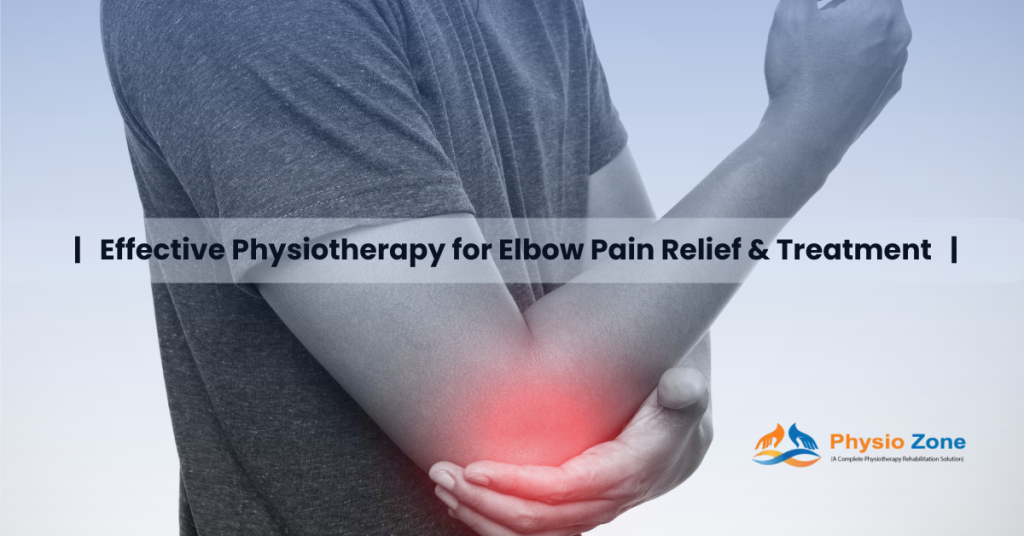
Elbow pain can be a major hindrance to daily life, affecting both your personal and professional activities. Whether you’re dealing with tennis elbow, golfer’s elbow, or general discomfort, physiotherapy is an effective treatment to help manage and reduce pain. At PhysioZone BD, we specialize in targeted physiotherapy treatments to address elbow joint pain and improve your quality of life. Understanding Elbow Pain: Causes and Symptoms Elbow pain can stem from several factors, including overuse, injury, or underlying medical conditions. Common causes include: Tennis Elbow: Pain on the outer side of the elbow. Golfer’s Elbow: Pain on the inner side. Bursitis: Inflammation of the fluid-filled sacs around the elbow. Arthritis: Joint inflammation causing pain and stiffness. The symptoms of elbow pain may include aching, swelling, and limited movement. If left untreated, it can affect your ability to perform everyday tasks like lifting, reaching, or typing. How Physiotherapy Helps Relieve Elbow Pain Physiotherapy plays a crucial role in managing and relieving elbow joint pain. A physiotherapist will assess your condition and design a personalized treatment plan to reduce pain, increase mobility, and restore function. Physiotherapy helps by: Reducing inflammation and swelling. Improving joint mobility and flexibility. Strengthening muscles around the elbow to provide better support. Teaching proper movement patterns to prevent further injury. Top Physiotherapy Techniques for Elbow Pain Relief Physiotherapists use various techniques to provide relief, such as: Manual Therapy: Hands-on techniques to mobilize the joint and ease pain. Cold and Heat Therapy: To reduce inflammation and improve blood flow Ultrasound Therapy: Uses sound waves to promote healing and reduce pain. Laser Therapy: To speed up tissue repair and reduce swelling. These treatments work together to alleviate discomfort and promote healing. The Role of Stretching in Elbow Pain Treatment Stretching exercises are key to improving flexibility and reducing muscle tension around the elbow. Physiotherapists guide you through gentle stretches that help: Improve the range of motion. Reduce stiffness. Prevent future injuries. Incorporating these stretches into your daily routine will enhance the healing process and prevent the recurrence of elbow pain. Strengthening Exercises for Long-Term Elbow Joint Pain Relief Strengthening the muscles around the elbow is essential for long-term pain relief. By building strength, you can support the joint more effectively, reducing the risk of further injury. Common strengthening exercises include: Wrist curls: Strengthen the forearm muscles. Isometric exercises: Improve muscle endurance without moving the joint. Resistance band exercises: Strengthen the muscles while promoting flexibility. Regular practice of these exercises can ensure your elbow remains strong and pain-free. When to Seek Physiotherapy for Elbow Pain If you experience persistent elbow pain that doesn’t improve with rest, it’s time to seek physiotherapy. Other signs include: Difficulty performing daily activities like lifting or gripping. Pain that worsens over time. Swelling or tenderness around the elbow. Early intervention can help prevent the pain from becoming chronic and improve your recovery. The Connection Between Posture and Elbow Pain Your posture plays a vital role in elbow health. Poor posture, especially while sitting or working at a desk, can place undue stress on your elbows, leading to pain and discomfort. By improving your posture, you can reduce the strain on your elbow joints and help prevent further injury. How Manual Therapy Can Improve Elbow Mobility Manual therapy techniques, such as joint mobilizations and soft tissue massages, are used by physiotherapists to improve elbow mobility. These hands-on techniques help: Relieve tension in the elbow and forearm muscles. Increase the range of motion in the joint. Alleviate pain caused by stiffness or inflammation. Manual therapy is essential to rehabilitation for elbow pain, helping restore normal movement and function. Preventing Elbow Pain: Tips for Daily Life You can take steps to prevent elbow pain in your daily life. Some helpful tips include: Use proper lifting techniques to avoid strain on the elbow. Take regular breaks if you’re doing repetitive tasks. Maintain good posture, especially when working at a desk or computer. Warm up before physical activity to reduce the risk of injury. Following these preventive measures can reduce your risk of elbow pain and ensure lasting joint health. What to Expect During Your First Physiotherapy Session for Elbow Pain When you visit a physiotherapist for the first time, they’ll thoroughly assess your condition. Expect to: Discuss your medical history and symptoms. Have the physiotherapist assess your elbow’s range of motion, strength, and flexibility. Receive a personalized treatment plan tailored to your needs. Begin hands-on treatment like manual therapy or stretching exercises. Your physiotherapist will guide you through the treatment process to ensure the best results for your elbow pain relief. Conclusion Physiotherapy is a highly effective way to manage and relieve elbow pain. Whether you’re dealing with an injury or chronic condition, a tailored physiotherapy treatment plan can restore mobility and improve your quality of life. At PhysioZone BD, our experienced physiotherapists are here to help you regain pain-free living. Frequently Asked Questions What causes elbow pain? Elbow pain can be caused by overuse, injury, arthritis, or conditions like tennis elbow or golfer’s elbow. How long does it take to recover from elbow pain with physiotherapy? Recovery time varies, but many people see improvement within a few weeks of physiotherapy treatment. Can stretching help relieve elbow pain? Yes, stretching helps improve flexibility and reduce muscle tension around the elbow, promoting healing. What are the best exercises for elbow pain relief? Wrist curls, isometric exercises, and resistance band exercises effectively strengthen and relieve elbow pain. When should I see a physiotherapist for elbow pain? If your pain persists or worsens, or if it limits your daily activities, it’s a good idea to seek physiotherapy. Can posture affect elbow pain? Yes, poor posture can strain your elbows and lead to pain, especially with prolonged desk work. Is manual therapy effective for elbow pain? Manual therapy can improve mobility, reduce stiffness, and alleviate pain, making it highly effective for elbow pain relief. How often should I stretch to improve elbow pain? Daily stretching, as your physiotherapist recommends, can help improve flexibility and

Effective Physiotherapy for Elbow Pain Relief & Treatment Read More »

Joint Replacement Recovery

Joint Replacement Recovery: Key Tips for Faster Healing

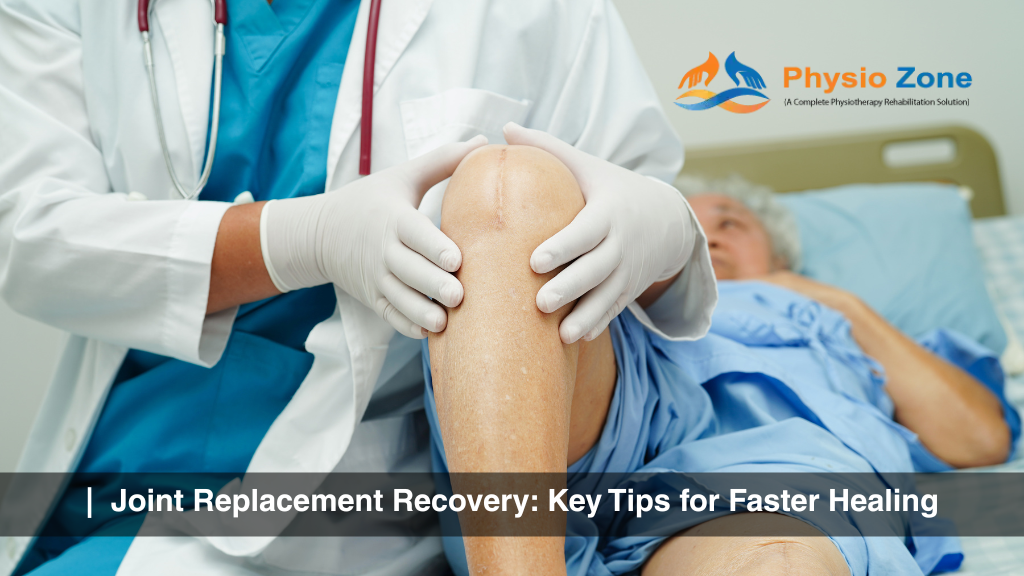
Undergoing a joint replacement surgery is a significant step toward a pain-free and more active life. However, the road to full recovery can be challenging and requires patience, care, and dedication. Whether you’re recovering from a knee, hip, or shoulder replacement, understanding the healing process and adopting the right recovery strategies will help ensure a smoother and faster recovery. In this article, we’ll explore essential tips and insights for your joint replacement recovery journey. Healing Process After Joint Replacement Recovery from joint replacement surgery varies from person to person, but there are common stages that most patients experience. Immediately after surgery, patients are monitored in a hospital setting to manage pain and ensure there are no complications. In the following weeks, physical therapy and at-home care are crucial to regaining strength and mobility. The healing process typically involves: Initial Rest and Recovery: The first few days after surgery are critical. You’ll likely use crutches or a walker to avoid putting too much weight on the joint. Swelling and discomfort are common during this period, but rest and elevation will help. Gradual Return to Movement: As healing progresses, your physical therapist will guide you through exercises designed to strengthen muscles and improve joint mobility. Long-Term Rehabilitation: Over the course of several months, you’ll work on regaining full function and strength in the joint. The Importance of Rest and Elevation in Recovery Rest and elevation are fundamental during the initial stages of joint replacement recovery. Proper rest allows your body to heal and reduces the risk of complications such as blood clots and infections. Elevating the affected limb helps manage swelling and encourages proper circulation, which is essential for faster healing. The Role of Physical Therapy in Faster Recovery Physical therapy is a cornerstone of the recovery process. A well-structured rehabilitation plan will help: Restore Range of Motion: After surgery, it’s essential to regain flexibility and movement in the affected joint. Strengthen Surrounding Muscles: Physical therapy helps rebuild strength in muscles that support the joint, reducing strain on the newly replaced joint. Prevent Stiffness: Regular therapy sessions prevent stiffness and ensure you’re moving in a healthy way. Pain Management Tips for a Smoother Recovery Journey Managing pain effectively is essential for a smooth recovery. While some pain after surgery is expected, there are several methods to minimize discomfort: Medications: Your doctor may prescribe pain relievers or recommend over-the-counter medications. Be sure to follow their guidance regarding dosages and frequency. Ice and Heat Therapy: Ice packs can help reduce swelling and numb the area, while heat can relax muscles and alleviate tension. Rest and Relaxation: Stress can exacerbate pain, so make sure to get plenty of rest, both physically and mentally. How to Create a Comfortable Home Environment Post-Surgery Creating a comfortable, safe, and convenient home environment can make your recovery process much easier. Consider the following tips: Ensure Accessibility: Place frequently used items within easy reach to avoid unnecessary bending or stretching. Create a Safe Environment: Clear any obstacles that may cause you to trip or fall. Use grab bars in the bathroom and handrails in hallways. Comfortable Seating: Arrange comfortable chairs with good back support, and use pillows or cushions to elevate the leg. How to Stay Positive During Your Recovery Staying positive during recovery can significantly impact your overall well-being. Recovery can be slow at times, but focusing on small achievements—like taking a few steps without assistance or reducing pain levels—can boost your mood and motivation. It’s important to have a support system of family, friends, or even an online community of fellow patients who understand what you’re going through. When to Call Your Doctor: Signs You Need Help While recovery is generally smooth, there are signs that indicate you should reach out to your doctor immediately: Increased pain: If pain becomes unbearable or doesn’t improve with prescribed methods Swelling or redness: Severe swelling or redness, especially if it doesn’t subside after elevating the leg or applying ice, could indicate an infection. Fever: A fever above 101°F (38.3°C) could be a sign of infection. Unexpected changes in movement: If you notice sudden stiffness or loss of range of motion, consult your doctor. Managing Swelling and Stiffness After Surgery Swelling and stiffness are common after joint replacement surgery, but they can be managed effectively with a few simple practices: Elevation and Ice: Regularly elevating your leg and applying ice can reduce swelling. Compression Garments: Compression socks or sleeves may help reduce swelling, especially in the early days after surgery. Gentle Movement: Gradual movement and stretching exercises can help combat stiffness. Make sure to follow your physical therapist’s advice. Real Stories: Personal Experiences with Joint Replacement Recovery Hearing real stories can be encouraging during your recovery journey. Many people who have undergone joint replacement surgery share similar experiences of challenges and triumphs. They often emphasize the importance of staying committed to physical therapy, managing pain proactively, and maintaining a positive outlook. Frequently Asked Questions (FAQs) How long does recovery take after joint replacement surgery? Recovery time can vary, but most patients can expect to regain full function within 6 months to a year, depending on the type of joint replacement and individual factors. Is pain normal after joint replacement surgery? Some pain is to be expected in the early stages, but it should gradually improve. Consult your doctor if pain worsens or doesn’t improve with prescribed treatments. What should I do if I feel excessive pain during physical therapy? Inform your physical therapist immediately. They can adjust your exercises or suggest alternative methods to reduce pain while continuing your rehabilitation. Can I drive after joint replacement surgery? Most people can resume driving after about 6 weeks, but it depends on your progress and which joint was replaced. How can I reduce swelling after surgery? Elevate your leg above heart level, apply ice regularly, and follow your doctor’s instructions regarding compression garments. Is it safe to exercise after joint replacement? Yes, physical activity is essential, but it’s important to follow the exercise

Joint Replacement Recovery: Key Tips for Faster Healing Read More »

Orthopedic Surgery

Orthopedic Surgery: Treatment Options & Recovery Tips

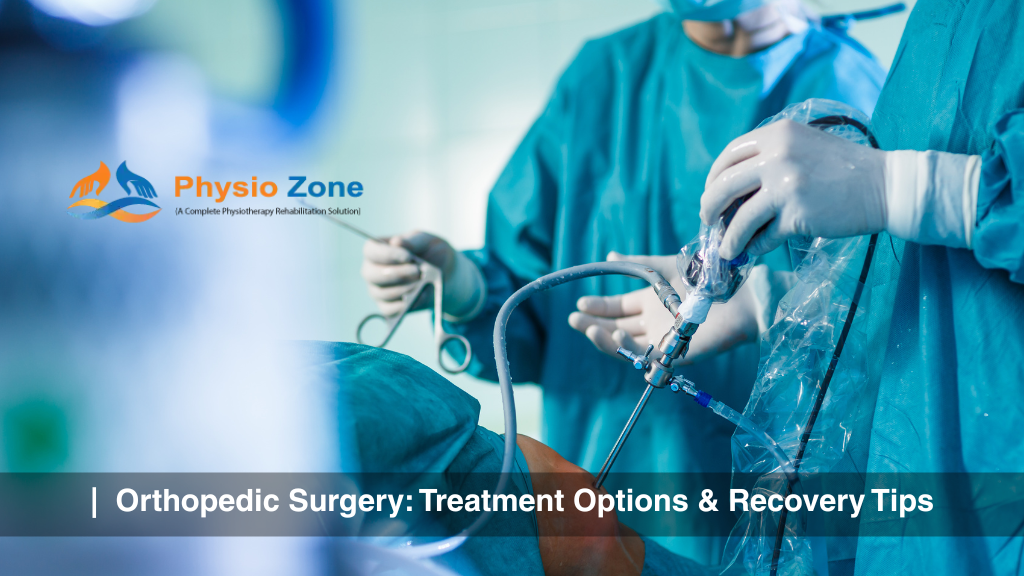
Orthopedic surgery is a common procedure that aims to treat musculoskeletal conditions, ranging from fractures to joint replacements. If you’re considering orthopedic surgery or recovering from a recent procedure, it’s essential to understand what to expect, the treatment options available, and how to ensure a smooth and effective recovery. What to Expect During Orthopedic Surgery? Orthopedic surgery is typically performed under general anesthesia or regional anesthesia, depending on the procedure. During the surgery, your surgeon will carefully address the issue at hand, such as repairing a torn ligament, replacing a joint, or correcting a bone fracture. The procedure’s length varies based on its complexity, but most orthopedic surgeries are minimally invasive, meaning smaller incisions and quicker recovery times. Top Orthopedic Surgery Treatment Options Some of the most common orthopedic surgeries include: Joint Replacement: Often done for hip, knee, or shoulder problems, where the damaged joint is replaced with an artificial one. Arthroscopy: A minimally invasive procedure used to diagnose and treat joint problems, such as cartilage damage. Fracture Repair: Fixing broken bones using metal pins, screws, or plates. Spinal Surgery: Includes procedures like laminectomy or spinal fusion to address issues in the spine. Each treatment option is tailored to your specific condition and needs. Preparing for Orthopedic Surgery: Tips for a Smooth Procedure Preparation is key to a successful surgery. Here are a few tips: Consult with your Surgeon: Have a detailed discussion about the surgery, risks, and expected outcomes. Follow Pre-Surgery Instructions: Your doctor may provide instructions such as fasting or stopping certain medications before surgery. Arrange Post-Surgery Care: Ensure you have a support system at home to help you after the procedure, including assistance with daily tasks. Pain Management After Orthopedic Surgery: What Works Best? Managing pain is an essential part of the recovery process. After surgery, pain can be controlled through: Medication: Prescription pain relievers such as opioids or over-the-counter NSAIDs. Ice and Elevation: To reduce swelling and discomfort. Physical Therapy: Pain management exercises designed by your therapist. Your healthcare provider will guide you in selecting the best option based on your specific needs. Importance of Physical Therapy in Orthopedic Surgery Recovery Physical therapy plays a crucial role in recovery after orthopedic surgery. It helps you regain strength, mobility, and function in the affected area. Physical therapists work with patients to design individualized recovery plans, starting with gentle movements and progressing to more intense exercises. Diet and Nutrition Tips for Faster Orthopedic Surgery Healing Proper nutrition supports healing after surgery. Here are some key tips: Protein-Rich Foods: Help with tissue repair and muscle recovery. Vitamin C and Zinc: Essential for wound healing and immune function. Calcium and Vitamin D: Important for bone healing. Stay Hydrated: Drinking plenty of water can promote healing and prevent complications. How to Stay Positive During Your Orthopedic Surgery Recovery The recovery process may feel long, but maintaining a positive mindset can greatly impact your healing. Here are some tips to stay motivated: Set small goals: Celebrate each milestone in your recovery. Stay connected with loved ones: Support from friends and family can boost your mood. Focus on the long-term: Visualize how your surgery will improve your quality of life. Common Orthopedic Surgery Complications and How to Avoid Them While complications are rare, they can occur. Some common issues include: Infection: Minimize risk by following your surgeon’s post-operative care instructions. Blood clots: Prevent this by staying active as advised and following your doctor’s guidelines. Stiffness and limited mobility: Work with a physical therapist to avoid long-term restrictions. When to Seek Help From A Physiotherapist If you’re experiencing pain, swelling, or limited mobility, a physiotherapist can assist with recovery. Here are some signs you may need a physiotherapist: Difficulty performing basic movements. Excessive pain not controlled by medication. Loss of strength or coordination in the affected area. Returning to Normal Activities: A Timeline for Orthopedic Surgery Recovery Recovery timelines vary depending on the surgery performed and individual health factors. However, a general timeline includes: Weeks 1-2: Rest and initial recovery; focus on pain management and gentle movements. Weeks 3-6: Begin physical therapy and gentle strengthening exercises. Weeks 6-12: Gradually return to normal activities, with continued physical therapy. 6 Months to 1 Year: Full recovery, with a return to high-impact or strenuous activities. Conclusion Orthopedic surgery can be a life-changing procedure, offering relief from pain and improved mobility. By understanding the treatment options, following pre- and post-surgery care instructions, and committing to physical therapy, you can ensure a smoother recovery and return to your normal life. Frequently Asked Questions (FAQs) What are the risks of orthopedic surgery? Orthopedic surgery risks include infection, blood clots, nerve damage, and delayed healing. However, these risks are minimized with proper care and following your surgeon’s instructions. How long does orthopedic surgery take? Surgery length varies depending on the procedure. Simple surgeries like arthroscopy may take 30 minutes, while joint replacements or spinal surgeries can take several hours. When can I return to work after orthopedic surgery? The return to work depends on your surgery type and job requirements. For office jobs, you may return in 2-4 weeks; for physical jobs, you may need 6-12 weeks. Will I need a walker or crutches after surgery? Most patients will need crutches, a walker, or a brace for support during the first few weeks of recovery, depending on the surgery. Can I drive after orthopedic surgery? You should avoid driving until you’re fully recovered, particularly if the surgery involved your legs or arms. Check with your doctor for specific guidance. How long does it take to recover from joint replacement surgery? Recovery times vary, but most people can expect a period of 6 to 12 months for full recovery, with the most significant improvements occurring in the first 3-6 months. What can I do to speed up recovery after orthopedic surgery? Stay active, follow your physical therapy plan, eat a balanced diet, and get enough rest. Avoid smoking and drinking alcohol, as they can slow healing. Are there any alternative treatments

Orthopedic Surgery: Treatment Options & Recovery Tips Read More »

Message Us on WhatsApp