Skip to content
Sat–Thu · 10 am–9 pm · Uttara, Dhaka

Blogs

Top Stroke Prevention Strategies You Need to Know

Stroke prevention is essential for leading a long, healthy life, especially as you age. Your chances of having a stroke can be greatly reduced by being aware of various risk conditions and changing your lifestyle. Whether you’re concerned about your health or simply want to stay informed, this guide will cover the top strategies you need to know to prevent a stroke. Recognizing Stroke Prevention Factors: Are You at Risk? The first step in prevention is being aware of the risk factors for stroke. Several factors contribute to stroke, and knowing them can help you identify whether you’re at risk. Some of the key stroke risk factors include: High Blood Pressure (Hypertension) High Cholesterol Levels Smoking Obesity Family History Age (those over 55 are at a higher risk) Diabetes Previous Stroke or Transient Ischemic Attack (TIA) If any of these risk factors apply to you, it’s time to take action to reduce your chances of stroke. How to Lower Your Cholesterol to Prevent Stroke Cholesterol plays a significant role in stroke risk. Building up plaque in your arteries can be caused by high cholesterol, which can cause blockages and increase the likelihood of a stroke. Here are some practical ways to lower your cholesterol: Eat a Heart-Healthy Diet: Make an effort to eat foods like fish, almonds, and leafy greens that are high in omega-3 fatty acids, fiber, and vitamins. Exercise Regularly: On most days of the week, try to get in at least 30 minutes of physical activity. Exercise helps lower LDL (bad cholesterol) and raise HDL (good cholesterol). Avoid Trans Fats and Saturated Fats: Limit your intake of fried foods, processed snacks, and fatty cuts of meat. These foods may increase cholesterol levels. Consider Medications: For some, statins or other cholesterol-lowering drugs may be necessary. Always consult with your doctor before starting any medication. How Sleep Affects Your Stroke Risk (And How to Improve It) Sleep is important for overall health, and lack of sleep has been related to an increased risk of stroke. Lack of rest can cause high blood pressure, higher cholesterol levels, and obesity—all factors that contribute to stroke risk. How to Improve Your Sleep Quality: Stick to a Sleep Schedule: Every day, even on weekends, go to bed and wake up at the same time. Create a Relaxing Bed Routine: Relax with activities such as reading, praying, or taking a warm shower. Limit Screen Time: To increase sleep quality, avoid using electronics for at least an hour before bedtime. How to Monitor and Manage Blood Sugar to Prevent Stroke High blood sugar levels, which are frequent to diabetics, raise the risk of stroke. Managing blood sugar is critical for stroke prevention. Tips for Managing Blood Sugar: Monitor Your Blood Sugar Levels Regularly: If you have diabetes, use a glucose meter to keep track of your blood sugar levels. Eat Low-Glycemic Foods: Focus on foods less likely to cause blood sugar spikes, such as whole grains, vegetables, and lean proteins. Stay Active: Exercise helps regulate blood sugar levels and improves insulin sensitivity. The Link Between Heart Health and Stroke Prevention Your heart health is closely tied to your stroke risk. When your heart is unhealthy, it can lead to conditions like atrial fibrillation or coronary artery disease, which increase the likelihood of a stroke. How to Keep Your Heart Healthy: Engage in Regular Physical Activity Eat a Heart-Healthy Diet (with fruits, veggies, and whole grains) Control Your Blood Pressure and Cholesterol Quit Smoking Limit Alcohol Consumption The Importance of a Balanced Diet A nutritious diet is essential for avoiding strokes. Foods rich in fiber, antioxidants, and healthy fats help to lower cholesterol, manage blood vessel, and prevent diabetes. Aim to include: Fruits and Vegetables Whole Grains Lean Protein Healthy Fats (like olive oil and avocado) The Impact of Alcohol on Stroke Risk and How to Limit It Heavy drinking alcohol may raise blood pressure levels and contribute to heart disease, both of which increase stroke risk. Limiting alcohol intake is key for stroke prevention. Tips to Limit Alcohol Intake: Stick to the recommended limit: no more than one drink per day for women and two for men. Choose lighter drinks, such as wine, over hard liquor. Avoid binge drinking, which can lead to significant spikes in blood pressure. Stroke Prevention for Seniors: Tips to Stay Healthy and Active As you age, stroke treatment becomes even more important. To reduce their chance of a minor stroke, seniors should focus on living a healthier lifestyle. Tips for Seniors: Engage in Regula Exercise: Low-impact activities like walking, swimming, and yoga are great for seniors. Monitor health Regularly: Keep track of your blood pressure, cholesterol, and blood thinners. Stay Socially Active: Connect in social activities that reduce stress and keep your mind sharp. Conclusion Stroke prevention is possible with healthy habits and lifestyle changes. By recognizing risk factors, managing your health, and making informed decisions about diet, exercise, and alcohol consumption, you can reduce your chances of having a stroke. Always consult a healthcare professional before making any major changes to your lifestyle. Your health is your most valuable asset—take care of it! Frequently Asked Questions (FAQ ) What is the best exercise for stroke prevention? Regular cardiovascular exercise, such as walking, swimming, or cycling, can help lower blood pressure, improve heart health, and lower the risk of strokes. How can I reduce my cholesterol without medication? Eating a heart-healthy diet, exercising regularly, and avoiding unhealthy fats can help lower cholesterol naturally. Can stress increase my stroke risk? Yes, chronic stress may raise blood pressure and increase the chance of a stroke. What foods should I avoid to prevent a stroke? Avoid processed foods, high-fat meats, fried foods, and excessive sugar. These foods have a chance to increase cholesterol and blood pressure. How often should I get my blood pressure checked? If you’re over 40 or have risk factors, it’s important to check your blood pressure at least once a year. More frequent checks may be necessary if

Top Stroke Prevention Strategies You Need to Know Read More »
Pain Relief Techniques

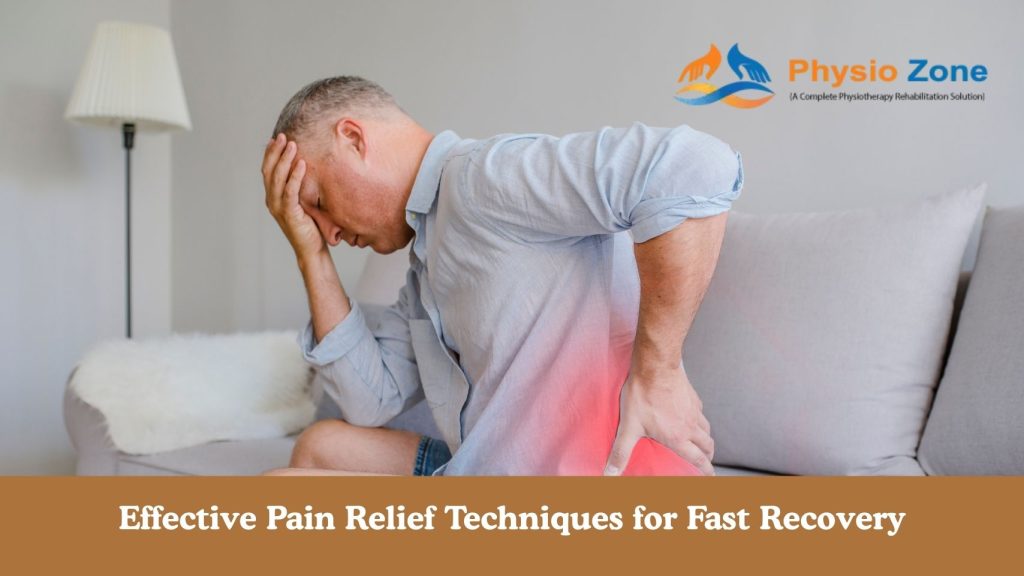
Effective Pain Relief Techniques

Pain can be a debilitating experience, but fortunately, several pain relief techniques can help manage discomfort and accelerate recovery. Whether it’s from a recent injury, chronic condition, or post-surgery recovery, understanding the best methods for alleviating pain is key to restoring your quality of life. In this article, we’ll explore the science behind pain relief, various natural remedies, and other treatments to help you get back on your feet faster. The Science Behind Pain Relief Techniques Pain is a complex response to injury or inflammation, with signals sent to the brain that lead to the sensation of discomfort. Pain relief techniques reduce the pain signals or alter the brain’s interpretation. These techniques include medication, physical therapy, lifestyle changes, and alternative therapies. By understanding the underlying mechanisms, you can choose the most effective strategies for your recovery. Top Natural Pain Relief Methods You Can Try Today If you’re looking for natural alternatives to manage pain, several methods can be effective: Aromatherapy: Essential oils popular for reducing pain, including peppermint and lavender, can be applied directly or diffused. Acupressure: This ancient technique includes applying pressure to particular spots on the body to reduce pain and tension. These methods provide a holistic approach to pain management techniques and are often used alongside other therapies for optimal results. The Role of Physiotherapy in Pain Management Physiotherapy plays a vital role in managing pain, especially for musculoskeletal injuries and chronic conditions like arthritis. A physiotherapist can design a customized exercise plan to help improve strength, mobility, and flexibility. Through hands-on techniques, such as massage and joint manipulation, physiotherapy can reduce muscle tension and relieve pain. Whether you’re recovering from surgery or trying to manage a long-term condition, physiotherapy offers a non-invasive approach to pain relief that helps you regain function and movement. Optimizing Heat and Cold Therapy for Acute and Chronic Pain Heat and cold therapy are two of the most commonly used techniques for managing pain. These therapies can be particularly effective for both acute and chronic pain: Cold Therapy: Ideal for reducing inflammation and numbing pain, cold packs are commonly used in the first 24–48 hours after an injury to reduce swelling. Heat Therapy: Heat helps relax tight muscles and improve blood circulation, making it beneficial for chronic pain and stiffness. Understanding when to apply heat and cold can optimize their effectiveness and accelerate recovery. Sleep and Pain: Enhancing Rest for Faster Recovery Adequate sleep is very important for pain management and recovery. When you sleep, your body goes into repair mode, restoring damaged tissues and reducing inflammation. On the other hand, lack of sleep may cause discomfort and stop recovery. To enhance sleep quality: Establish a routine: Going to bed simultaneously each night helps regulate your body’s natural sleep cycle. Create a comfortable environment: Keep your bedroom dark, quiet, and at a comfortable temperature. Mindfulness and relaxation: Deep breathing and meditation are two techniques that can help relax the mind and promote sound sleep. Sleep can significantly enhance your body’s ability to heal and reduce pain. Manual Therapy Techniques Manual therapy refers to hands-on techniques a trained professional performs to manipulate joints and soft tissues. These techniques can include: Massage Therapy: Increases blood circulation, reduces muscles that are tight, and improves relaxation. Chiropractic Adjustments: Focuses on realigning the spine to reduce nerve compression and alleviate pain. These therapies can effectively treat musculoskeletal pain and are often used in conjunction with other forms of treatment. Nutrition on Pain Management and Inflammation Your diet has a major effect on how you manage pain and inflammation. Some foods can aid in healing and inflammation reduction: Omega-3 Fatty Acids: They are known to lower inflammation and can be found in walnuts, flaxseeds, and fatty fish. Antioxidants: Vitamins C and E-rich fruits and vegetables can help the body’s natural healing processes. Turmeric and Ginger: Both are simple to work into your meals and have natural anti-inflammatory qualities. By including these foods in your diet, you can help your body better control heat and discomfort. When to Consult A Specialist While many pain relief techniques can be done at home, some cases may require professional intervention. If your pain is severe, persistent, or worsens over time, it’s important to consult a healthcare professional. They may recommend specialized treatments such as: Medications: For severe pain, prescription drugs may be necessary. Surgical Intervention: In particular situations, surgery may be needed to address the underlying cause of pain. To meet your pain needs, a specialist may perform an extensive assessment and provide a customized treatment plan. Conclusion Effective pain management is a method that involves using the proper techniques and understanding the underlying causes. From natural remedies to physiotherapy, many options are available to help you relieve pain and recover more quickly. By incorporating these pain relief strategies into your daily routine and consulting with professionals when necessary, you can find the best approach for your situation. Frequently Asked Questions (FAQs) What are the best natural pain relief techniques? Natural techniques like herbal remedies, aromatherapy, and acupressure are commonly used for pain relief. These can be combined with other therapies for optimal results. How does physiotherapy help with pain management? Physiotherapy helps improve mobility and flexibility through exercises and manual therapy, reducing pain and preventing further injury. When should I use heat or cold therapy? Cold therapy is effective at reducing discomfort and swelling, but heat therapy relaxes muscles and improves circulation, making it suitable for chronic pain. How important is sleep in pain recovery? Sleep is crucial as it allows the body to heal and reduce inflammation. Poor sleep can worsen pain and delay recovery. What is manual therapy? Manual therapy uses hands-on approaches such as massage and chiropractic adjustments to reduce pain while improving movement. Can I manage pain without medication? Many people manage pain effectively through natural therapies, physiotherapy, and lifestyle changes, although medication may be necessary in severe cases. How can I prevent pain from recurring? Regular exercise, proper posture, stress management, and a healthy diet

Effective Pain Relief Techniques Read More »

Instant Migraine Relief; Proven Techniques for Fast Relief

A debilitating condition that can make you feel helpless is migraines. While no magic bullet exists for migraines, certain techniques can offer instant migraine relief and help you regain control of your day. If you find yourself searching for quick migraine relief, this guide will introduce you to some of the most effective methods and tips on when to seek professional help. Let’s dive in. Solutions for Instant Migraine Relief When a migraine strikes, time is of the essence. Try these methods for immediate relief, which can dramatically improve the impact of the signs in a matter of minutes. Cold Compress: Apply a cold compress to your forehead or the back of your neck. Cold therapy can help comfort and reduce discomfort, making it one of the fastest ways to relieve migraine pain. Find a Quiet, Dark Space: Migraines are frequently produced by light and volume. Reducing these causes by resting in a calm, dark area can offer instant relief. Over-the-counter Medications: Aspirin or Ibuprofen are two over-the-counter painkillers that can also help pain management. However, these should only be used sparingly and not as a long-term solution. Breathing Techniques to Calm Migraine Symptoms Fast Breathing exercises are often overlooked but can be a powerful tool in managing migraine pain. They help in calming your nervous system and reducing stress, which may be contributing to your migraine. Here’s a simple technique to try: Deep Breathing: Breathe deeply and hold it for four counts through your nose, then exhale through your mouth for six. Repeat for five minutes. This can help lower your heart rate and alleviate some migraine symptoms. Alternate Nostril Breathing: Closing one nose, taking a breath through the other, and then changing sides is the yoga practice. It can help balance your body’s energy, reduce stress, and offer quick relief from pain relievers. Which Works Best for Migraines? While different methods work for different people, combining techniques can often offer the most effective relief. For instance, cold compresses paired with hydration and breathing exercises can provide fast, noticeable relief. It’s important to experiment and find what works best for you, as each migraine may be different in intensity and trigger. How Hydration Can Be a Game-Changer for Migraine Relief One of the most common triggers for migraines is dehydration. Even mild dehydration can cause a migraine to set in, so maintaining optimal hydration can significantly reduce your chances of experiencing one. If you feel a migraine, drinking a glass of water may help prevent it from progressing. Hydration isn’t just about drinking water—it’s also about maintaining a balance of electrolytes. Using Essential Oils for Quick Relief Essential oils have long been a natural remedy for headaches and migraines. The most effective essential oils for quick relief are: Peppermint Oil: Because of its cooling properties, it may reduce the symptoms of headaches. For instant relief, apply a few drops to the back of your neck or to your temples. Lavender Oil: Lavender’s relaxing qualities are well known. Applying lavender oil to your temples or inhaling it will help you relax and reduce migraine symptoms. Eucalyptus Oil: Eucalyptus oil may be helpful if you are suffering from sinus blood pressure. It can relieve sinus congestion and reduce migraine-related discomfort. Stretching for Migraine Relief Migraines often bring tension to the neck and shoulder muscles. Gentle stretching can help release that tension and reduce the severity of the migraine attack. Neck Stretch: Gently tilt your head forward, then slowly roll it to one side, holding it for 10 seconds before repeating it on the other. Shoulder Roll: Raise your shoulders and sit up straight, then backwards. This simple stretch can release tightness in your neck and shoulders, which often contributes to migraines. When to Seek Professional Help While at-home remedies can be effective for immediate relief, some migraines are more severe and require professional intervention. If you experience any of the following, it’s time to consult a healthcare provider: Migraines that last longer than 72 hours. Intense pain relief that doesn’t improve with home remedies. Frequent migraines (more than 3-4 per month). Other unusual symptoms such as confusion or vision changes. A healthcare professional can help you identify the root cause of your migraines and may prescribe medications or other therapies to provide longer-lasting relief. Conclusion Migraine relief doesn’t always have to be complicated. With the right techniques, like cold compresses, hydration, breathing exercises, and Using essential oils, you can greatly lessen migraine-related pain reliever and discomfort. While trying different approaches and finding what works best for you is important, don’t hesitate to seek professional help if your migraines become frequent or severe. Frequently Asked Questions How long does it take for migraine relief to kick in? Instant relief methods such as cold compresses and essential oils can provide relief within 15 to 30 minutes. Are breathing techniques effective for all types of migraines? Yes, breathing techniques are generally effective in reducing tension and calming the nervous system, making them beneficial for most migraines. Can drinking water cure a migraine? While drinking water won’t cure a migraine, staying hydrated is crucial to migraine prevention and can help ease symptoms. How often should I use essential oils for migraine relief? Essential oils can be used as often as needed. However, always dilute them before applying them to the skin to avoid irritation. What’s the best essential oil for migraine relief? Peppermint and lavender oils are the most effective for quick migraine relief. Can stretching help with migraine pain? Yes, gentle stretching can help relieve muscle tension, especially in the neck and shoulders, common triggers for migraines. When should I seek medical help for my migraine medications? If your migraines are frequent, severe, or last for more than 72 hours. Are over-the-counter medications safe for instant migraine relief techniques? Over-the-counter medications like ibuprofen and aspirin are generally safe for occasional migraine relief. However, they should not be overused. Can essential oils replace traditional migraine medication? Essential oils can provide temporary relief but should

Instant Migraine Relief; Proven Techniques for Fast Relief Read More »

Womens Health Physiotherapy

Womens Health Physiotherapy: Benefits & Expert Advice

Physiotherapy for women focuses on various health issues at different points in life. From pregnancy to menopause, physiotherapy improves overall health. If you want to improve your health or recover from a problem, women’s health physiotherapy may help. Learn what it is and how womens health physiotherapy can help you. What Is Womens Health Physiotherapy? Women’s health physiotherapy focuses on women’s unique physical health needs. It is an area of physiotherapy which focuses on treating and managing many kinds of problems mostly affecting women. This includes pelvic floor, pregnancy, after delivery, menopause, and other issues. Treatment includes focused exercises, manual therapy, and lifestyle suggestions to reduce pain and improve function. The Importance of Physiotherapy for women’s health Many women experience discomfort or decreased everyday performance as a result of particular illnesses. Women’s health physiotherapy can help restore mobility and reduce pain, removing the need for medication or surgery. This is particularly important when dealing with long-term issues like chronic pain or postpartum recovery. Key benefits include: Improved mobility and function: Physical therapy focuses on regaining movement and strength. Pain relief: Physiotherapy alleviates muscle and joint pain through various techniques like massage or dry needling. Prevention of long-term issues: Regular physiotherapy can help reduce the possibility of getting chronic diseases in the future. The Role of Physiotherapy in Pregnancy and Postpartum Care During pregnancy, women experience important physical changes that can cause pain, including back pain, pelvic pain, and posture problems. Women’s health physiotherapy offers valuable strategies to manage these changes. For postpartum care, physiotherapy aids in the recovery process, particularly pelvic floor rehabilitation and strengthening abdominal strength. Postpartum physiotherapy is essential for helping women return to pre-pregnancy fitness levels and improving their overall health. How Physiotherapy Can Help with Pelvic Floor Disorders Pelvic floor disorders are common in women, especially after childbirth or as they age. These disorders can lead to urinary incontinence, pelvic organ prolapse, or sexual dysfunction. Women’s health physiotherapy offers targeted exercises and techniques to strengthen the pelvic floor muscles. Benefits of pelvic floor physiotherapy: Improved bladder control: Physiotherapy helps manage incontinence and other bladder-related issues. Enhanced core strength: Strengthening the pelvic area supports the overall core muscles, promoting better posture and function. Sexual health benefits: Strengthening the pelvic floor improves sexual satisfaction and function. women’s Health Physiotherapy: Post-Surgical Rehabilitation for women’s health Women can face a variety of treatments, including hysterectomy breast cancer surgeries, and replacements of joints. Women’s health physiotherapy is necessary for post-surgical recovery, as it aids in the recovery of flexibility, power, and movement. After surgery, physiotherapy helps: Accelerate healing: Targeted exercises and therapies aid in the recovery process. Reduce pain and swelling: Physiotherapy techniques manage and alleviate discomfort. Restore function: Rehab helps women regain their ability to perform everyday activities. How Physiotherapy Helps with Breast Cancer Recovery For women recovering from breast cancer treatment, physiotherapy is an essential part of the recovery journey. It helps manage pain, improve shoulder movement, and reduce the risk of lymphatic fluid buildup (lymphedema). Key benefits of physiotherapy in breast cancer recovery: Restore range of motion: Physiotherapists guide patients through exercises that improve shoulder and arm mobility. Manage swelling: Lymphedema treatments prevent and reduce swelling caused by fluid buildup. Enhance emotional well-being: Physiotherapy can support mental health by helping women regain independence and confidence. Chronic Pain Management for Women Chronic pain affects many women, especially those with conditions like fibromyalgia or osteoarthritis. Physiotherapy provides effective non-medication choices to manage chronic pain. Techniques include: Manual therapy: Hands-on methods for removing tension and improving mobility. Exercise therapy: Strengthening muscles to reduce pain and improve posture. Education and lifestyle advice: Empowering women to manage pain in their daily lives through better posture and ergonomics. Benefits of Physiotherapy for Women During Pregnancy During pregnancy, physiotherapy helps manage many common symptoms like back pain, pelvic discomfort, and postural changes. Through safe and effective techniques, physiotherapists can guide pregnant women through exercises designed to reduce discomfort. Benefits include: Pain relief: Techniques like massage and gentle stretching alleviate pregnancy-related discomfort. Improved posture: Physiotherapists guide women through posture correction to prevent strain on the back and pelvis. Safe exercise programs: Strengthening exercises designed to support the body throughout pregnancy. Benefits of Physiotherapy for Women During Menopause Menopause brings hormonal changes that can affect various aspects of health, including bone density, muscle strength, and joint health. Physiotherapy can help women during this transition by focusing on strength, balance, and flexibility. Key benefits: Strengthen bones and muscles: Physiotherapists guide women through weight-bearing exercises that improve bone density and muscle tone. Improve balance and posture: Targeted exercises help maintain good posture and prevent falls. Manage hot flashes: Some studies suggest physiotherapy can help reduce the frequency of hot flashes through specific exercises. Expert Tips for Choosing the Right Women’s Health Physiotherapist When selecting a physiotherapist for women’s health, it’s important to choose someone with experience and specialization in this field. Here are some tips to guide you: Check qualifications: Ensure your physiotherapist is certified and has experience in women’s health. Look for specialization: A physiotherapist specializing in women’s health will be well-equipped to handle specific issues like pregnancy, pelvic floor disorders, or menopause. Trust your instincts: Find someone you feel comfortable with, as a positive relationship with your physiotherapist is necessary for successful treatment. FAQ: What is Women’s Health Physiotherapy?  It’s a specialized physiotherapy focusing on conditions like pelvic floor dysfunction, pregnancy issues, and postnatal recovery. How can it benefit me?  It helps relieve pain, muscle strengthening, pelvic issues, and well-being. Is it only for pregnant or postnatal women?  No, it’s helpful for all women, addressing issues like pelvic pain at any stage of life. What conditions are treated?  Conditions like incontinence, pelvic pain, prolapse, and post-surgery recovery are commonly treated. Is it safe during pregnancy?  Yes, it’s safe and helps with pregnancy-related pain and discomfort. Can it help with postnatal recovery?  Yes, it aids in strengthening muscles, improving posture, and addressing pelvic floor dysfunction. How often should I see a physiotherapist?  It is depending on your

Womens Health Physiotherapy: Benefits & Expert Advice Read More »

5 Ds Of Physiotherapy

5 Ds Of Physiotherapy; Key Principles You Need to Know

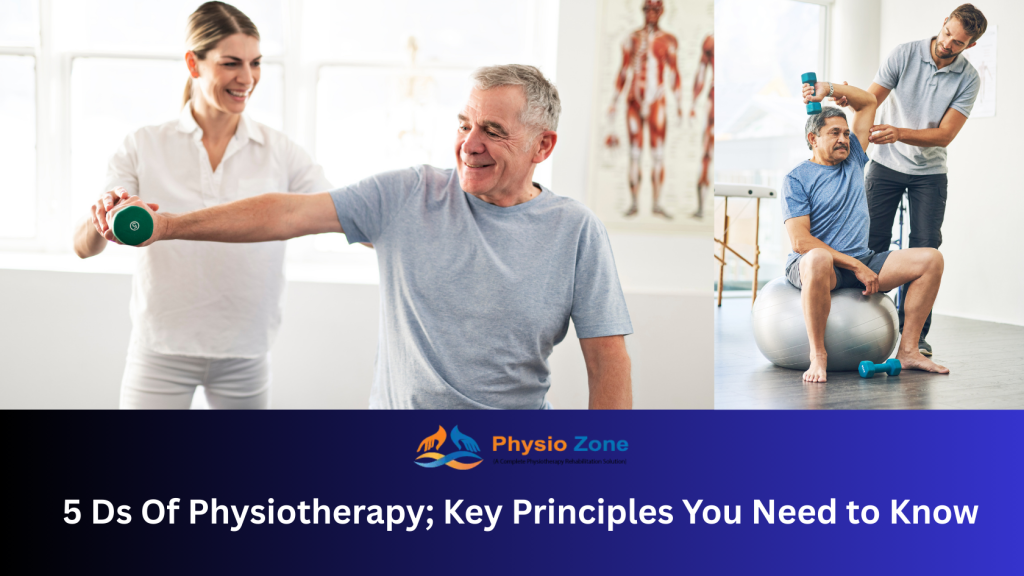
Physiotherapy is necessary for helping patients heal from many kinds of physical problems. But, when it comes to figuring out the key principles behind successful physiotherapy treatments, what are the 5 Ds of Physiotherapy? This is an important question. In this article, we will look at the 5 Ds—Diagnosis, design, delivery, dynamics, and documentation—and why they are so important in your recovery journey. 5 Ds of Physiotherapy: Key Terms The 5 Ds of physiotherapy refer to indicators that physical therapists use to identify and treat a variety of diseases. Here’s an overview of the 5 Ds of Physiotherapy: Diagnosis: Identifying the patient’s condition through assessment and tests. Design: Creating a personalized treatment plan based on the diagnosis. Delivery: Applying the treatment plan using techniques, exercises, and modalities. Dynamics: Monitoring progress and adjusting the treatment as needed. Documentation: Recording progress, changes in the plan, and outcomes for future reference. These steps ensure a thorough and effective approach to physiotherapy care. Key Principles for the 5 Ds of Physiotherapy Understanding the 5 Ds of Physiotherapy is important because they help experts find the true reason for your problem. By identifying issues early on, physiotherapists can develop particular treatments to help manage or remove such issues. The main principles that guide the use of the 5 Ds include: Accurate diagnosis: Determining the exact cause of symptoms. Personalized treatment: Crafting a physical rehabilitation plan based on individual needs. Prevention: Reducing the risk of recurrence or new symptoms. Pain management: Focusing on alleviating discomfort caused by these symptoms. Improved function: Helping patients regain normal activities and movements. Importance of Understanding the 5 Ds of Physiotherapy The importance of understanding the 5 Ds of physiotherapy.  This cannot be uneasy. When you identify these symptoms, you can take proactive steps for managing your health. Being aware of these signs may help to avoid future issues. Why Should You Care About the 5 Ds? Preventing long-term issues: Timely treatment can stop symptoms from escalating into serious, long-term conditions. Improved recovery rates: Knowing the 5 Ds helps you understand what’s happening in your body, making it easier to follow through with prescribed treatments. Better communication: Understanding these terms lets you have informed discussions with your physical therapist and health professionals. How the 5 Ds of Physiotherapy Improve Movement and Flexibility The starting point of physiotherapy is to improve flexibility and movement. The 5 Ds of Physiotherapy plays a significant role in this process. When symptoms like dizziness, nystagmus, or dysphagia are addressed, it allows for better movement patterns and more effective physical activity. Balance restoration: Treating dizziness and nystagmus can significantly improve balance and stability. Coordination recovery: Correcting drop attacks and diplopia issues helps restore smooth and coordinated movement. Enhanced flexibility: Overcoming sensory changes and muscle-related issues allows for a better range of motion. The Role of the 5 Ds of Physiotherapy in Pain Management Pain is often one of the most painful parts of an injury or disease. The 5 Ds of physiotherapy are essential for good pain management. Dizziness, drop attacks, and dysphagia-related pain can be relieved with suited physiotherapy exercises and treatments. How Physical therapists Manage Pain with the 5 Ds: Neurological rehabilitation: Treating symptoms like dysarthria or nystagmus using specific techniques can reduce associated chronic pain. Muscle strengthening: Addressing drop attacks and dizziness with strengthening exercises helps ease muscle tension and discomfort. Functional exercises: Helping patients regain normal body functions reduces pain by increasing strength and flexibility. How the 5 Ds of Physiotherapy Can Boost Your Recovery Process The recovery process is much faster and more efficient when you understand and address the 5 Ds of Physiotherapy. Early intervention with the right physiotherapy treatments can significantly speed up your physical rehabilitation. Improved healing: Physiotherapists focus on restoring functional movement patterns to prevent further injury. Holistic approach: Treating the body as a whole by managing dizziness, nausea, and sensory changes leads to comprehensive recovery. Motivation and confidence: Understanding the 5 Ds can increase your confidence in recovery, leading to better outcomes. 5 Ds of Physiotherapy; Real Patient Stories Patient stories often highlight how it can transform lives. For example, patients with dizziness can regain their balance through targeted exercises. Similarly, those struggling with dysphagia can learn swallowing techniques that improve their daily life. Real-Life Examples: John’s Journey: A 45-year-old man suffering from dizziness and drop attacks regained mobility and balance through customized occupational therapy sessions. Sarah’s Story: After dealing with dysarthria following a stroke, Sarah was able to speak again after several weeks of rehabilitation, focusing on the 5 Ds. How to Integrate Them Into Your Daily Routine Integrating the 5 Ds of Physiotherapy into your daily routine can make a huge difference. Physiotherapists often provide exercises and strategies that fit seamlessly into your lifestyle. Tips for Integration: Incorporate balance exercises to counter dizziness and drop attacks. Physical Therapy Practice speech exercises to manage dysarthria and regain communication skills. Use technique for swallowing to prevent dysphagia during meals. Exploring Their Role in Chronic Conditions Understanding the 5 Ds  is even more important for those with chronic conditions. Conditions like neurological disorders, vestibular issues, low back pain and musculoskeletal pain often involve one or more of the 5 Ds, and addressing them early can help reduce the impact on daily life. Chronic dizziness: Physiotherapists offer vestibular rehabilitation manual therapy to manage long-term dizziness. Nystagmus and sensory changes: Specialized treatments can help alleviate persistent visual disturbances and abnormal sensations. Frequently Ask Question What are the 5 Ds of Physiotherapy? The 5 Ds of physical therapy are diagnosis, design, delivery, dynamics, and documentation, key principles for effective treatment. Why are the 5 Ds of Physical therapy important? They ensure a structured, personalized approach to treatment, improving patient care and outcomes. How does the diagnosis work in the 5 Ds of Physical therapy? Diagnosis impacts the true root of the issue using tests and medical records to guide treatment. What happens during the Design phase of the 5 Ds? A personalized treatment plan develops based on the patient’s health,

5 Ds Of Physiotherapy; Key Principles You Need to Know Read More »

ফিজিওথেরাপির উপকারিতা কি কি?

ফিজিওথেরাপির উপকারিতা কি কি? জানুন সব কিছু

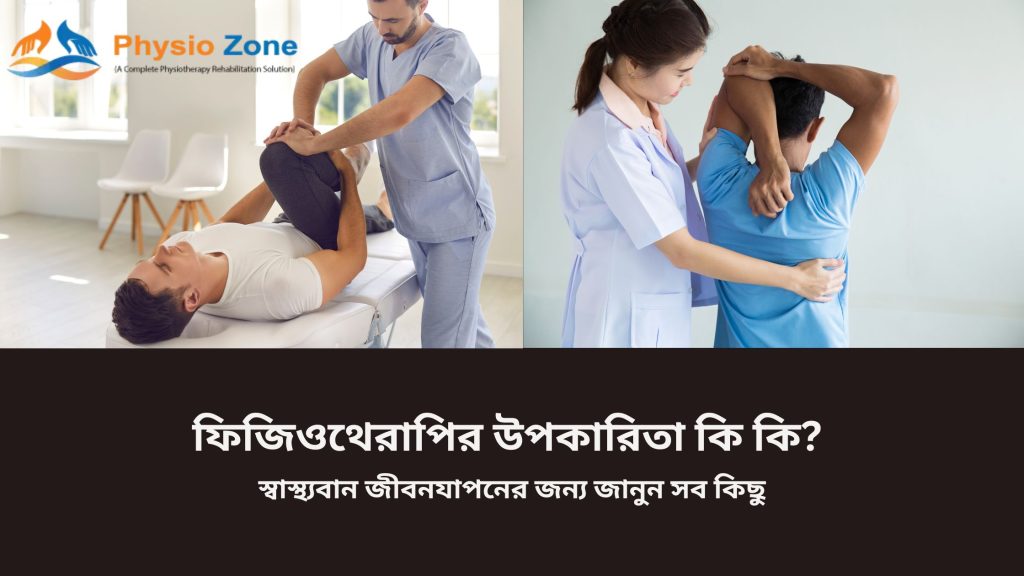
আধুনিক জীবনযাত্রা এবং ব্যস্ততার মধ্যে শারীরিক সমস্যা বা আঘাতের সম্মুখীন হওয়া খুবই সাধারণ। এই সমস্যাগুলো থেকে মুক্তি পেতে এবং স্বাস্থ্যবান জীবনযাপনের জন্য ফিজিওথেরাপি একটি অত্যন্ত কার্যকরী চিকিৎসা পদ্ধতি। আজকের এই ব্লগে আমরা ফিজিওথেরাপির উপকারিতা, এর প্রয়োজনীয়তা এবং ঢাকায় ভালো ফিজিওথেরাপি সেন্টার সম্পর্কে বিস্তারিত আলোচনা করব। ফিজিওথেরাপি কি? ফিজিওথেরাপি হল একটি চিকিৎসা পদ্ধতি যা শারীরিক ব্যায়াম, ম্যানুয়াল থেরাপি এবং বিভিন্ন প্রাকৃতিক উপাদান (যেমন: তাপ, আলো, পানির ব্যবহার) এর মাধ্যমে রোগীর শারীরিক সক্ষমতা ফিরিয়ে আনে। এটি ব্যথা কমাতে, আঘাত সারাতে এবং শারীরিক অক্ষমতা দূর করতে সাহায্য করে। ফিজিওথেরাপির উপকারিতা কি কি? ফিজিওথেরাপি শুধু ব্যথা কমায় না, এটি জীবনযাত্রার মানও উন্নত করে। এর প্রধান উপকারিতাগুলো হলো: ব্যথা কমাতে: আর্থ্রাইটিস, মাংসপেশির টান বা হাড়ের সমস্যার কারণে হওয়া ব্যথা দূর করে। গতিশীলতা বাড়াতে: আঘাত বা অস্ত্রোপচারের পর শরীরের গতিশীলতা ফিরিয়ে আনে। শারীরিক সক্ষমতা বাড়াতে: দুর্বল মাংসপেশি শক্তিশালী করে এবং ভারসাম্য উন্নত করে। প্রতিবন্ধকতা দূর করতে: শারীরিক অক্ষমতা বা প্রতিবন্ধকতা কমাতে সাহায্য করে। অস্ত্রোপচারের পর পুনর্বাসন: সার্জারির পর দ্রুত সুস্থ হতে সাহায্য করে। ফিজিওথেরাপি কেন দেওয়া হয়? ফিজিওথেরাপি বিভিন্ন শারীরিক সমস্যা সমাধানের জন্য দেওয়া হয়। এর প্রধান কারণগুলো হলো: ১. অ্যাসেসমেন্ট বা মূল্যায়ন করতে ফিজিওথেরাপিস্টরা রোগীর শারীরিক অবস্থা মূল্যায়ন করে সঠিক চিকিৎসা পরিকল্পনা তৈরি করেন। ২. ব্যথা কমাতে মাংসপেশি, হাড় বা জয়েন্টের ব্যথা কমাতে ফিজিওথেরাপি খুবই কার্যকরী। ৩. প্রতিবন্ধী চিকিৎসায় শারীরিক প্রতিবন্ধকতা কমাতে এবং স্বাধীনভাবে চলাফেরার ক্ষমতা বাড়াতে ফিজিওথেরাপি সাহায্য করে। ৪. নিউরোলজিক্যাল বা স্নায়ুবিক সমস্যায় স্ট্রোক, প্যারালাইসিস বা পারকিনসন্স রোগের মতো স্নায়ুবিক সমস্যায় ফিজিওথেরাপি অত্যন্ত গুরুত্বপূর্ণ। ৫. অর্থোপেডিক বা হাড় ও মাংসপেশির সমস্যায় হাড় ভাঙা, মাংসপেশিতে টান বা জয়েন্টের সমস্যায় ফিজিওথেরাপি চিকিৎসা দেওয়া হয়। ৬. বার্ন বা পোড়া রোগীদের ক্ষেত্রে পোড়া জায়গার চিকিৎসা এবং ত্বকের স্থিতিস্থাপকতা ফিরিয়ে আনতে ফিজিওথেরাপি সাহায্য করে। ৭. পেডিয়েট্রিক বা শিশুদের জন্য ফিজিওথেরাপি শিশুদের জন্মগত বা বিকাশগত সমস্যা সমাধানে ফিজিওথেরাপি দেওয়া হয়। ঢাকায় ফিজিওথেরাপির প্রয়োজনীয়তা ঢাকা শহরের ব্যস্ত জীবনযাত্রা এবং শারীরিক নিষ্ক্রিয়তার কারণে অনেকেই হাড়, মাংসপেশি এবং জয়েন্টের সমস্যায় ভোগেন। এছাড়া, ট্রাফিক দুর্ঘটনা বা শারীরিক আঘাতের পর ফিজিওথেরাপির প্রয়োজনীয়তা বাড়ছে। ঢাকায় অনেক ভালো ফিজিওথেরাপি সেন্টার রয়েছে, যেখানে আধুনিক পদ্ধতিতে চিকিৎসা দেওয়া হয়। ফিজিওথেরাপি সম্পর্কে সাধারণ প্রশ্নোত্তর (FAQ) ১. ফিজিওথেরাপি কি? ফিজিওথেরাপি হল একটি চিকিৎসা পদ্ধতি যা শারীরিক ব্যায়াম এবং প্রাকৃতিক উপাদানের মাধ্যমে ব্যথা কমায় এবং শারীরিক সক্ষমতা ফিরিয়ে আনে। ২. ফিজিওথেরাপির উপকারিতা কি কি? ফিজিওথেরাপি ব্যথা কমায়, গতিশীলতা বাড়ায়, শারীরিক সক্ষমতা ফিরিয়ে আনে এবং প্রতিবন্ধকতা দূর করে। ৩. ঢাকায় ভালো ফিজিওথেরাপি সেন্টার কোথায় পাওয়া যাবে? ঢাকায় অনেক ভালো ফিজিওথেরাপি সেন্টার রয়েছে, যেমন: ন্যাশনাল ইনস্টিটিউট অব ট্রমাটোলজি অ্যান্ড অর্থোপেডিক রিহ্যাবিলিটেশন (NITOR) সেন্টার ফর দ্য রিহ্যাবিলিটেশন অফ দ্য প্যারালাইজড (CRP) প্রাইভেট ফিজিওথেরাপি ক্লিনিক যেমন: ল্যাবএইড, স্কয়ার হাসপাতাল ইত্যাদি। ৪. ফিজিওথেরাপি কেন প্রয়োজন? ফিজিওথেরাপি ব্যথা কমাতে, আঘাত সারাতে এবং শারীরিক অক্ষমতা দূর করতে সাহায্য করে। ৫. ফিজিওথেরাপি কাদের জন্য প্রয়োজন? যারা ব্যথা, আঘাত, অস্ত্রোপচারের পর পুনর্বাসন, স্নায়ুবিক সমস্যা বা শারীরিক প্রতিবন্ধকতায় ভুগছেন, তাদের জন্য ফিজিওথেরাপি প্রয়োজন। ৬. ফিজিওথেরাপি কীভাবে দেওয়া হয়? ফিজিওথেরাপিস্টরা শারীরিক ব্যায়াম, ম্যানুয়াল থেরাপি এবং বিভিন্ন প্রাকৃতিক উপাদানের মাধ্যমে চিকিৎসা প্রদান করেন। ৭. ফিজিওথেরাপি কি সকলের জন্য উপযোগী? হ্যাঁ, ফিজিওথেরাপি প্রায় সকল বয়সের মানুষের জন্য উপযোগী, তবে চিকিৎসকের পরামর্শ নেওয়া জরুরি। উপসংহার ফিজিওথেরাপি শারীরিক সমস্যা সমাধানের একটি কার্যকরী এবং প্রাকৃতিক পদ্ধতি। এটি শুধু ব্যথা কমায় না, জীবনযাত্রার মানও উন্নত করে। ঢাকায় অনেক ভালো ফিজিওথেরাপি সেন্টার রয়েছে, যেখানে আপনি পেশাদার চিকিৎসা পেতে পারেন। যদি আপনি বা আপনার পরিচিত কেউ শারীরিক সমস্যায় ভুগছেন, তাহলে আজই একজন ফিজিওথেরাপিস্টের সাথে যোগাযোগ করুন। আপনার সুস্থতাই আমাদের কামনা!

ফিজিওথেরাপির উপকারিতা কি কি? জানুন সব কিছু Read More »

Is It Safe to Do Physiotherapy at Home

Is It Safe to Do Physiotherapy at Home? Expert Advice

Physical therapy is important for recovering from injuries, managing chronic pain, and increasing movement. With a constant global health crisis and a rising number of people preferring at-home treatments, many people wonder if it is safe to perform physiotherapy at home.  This blog post will answer questions, explain how you might benefit from local-based physiotherapy, and offer expert guidance on increasing your home care treatment. Can Physical Therapy Be Done at Home? The answer is yes! Physiotherapy can be done at home, but it requires careful planning and attention to your specific condition. Home physiotherapy offers flexibility, privacy, and convenience, making it an ideal choice for those who have mobility issues or cannot travel to a clinic. Can You Do Physical Therapy on Your Own? While some basic exercises can be done on your own, especially with the help of instructional videos or guides, it is essential to remember that not all conditions can be treated effectively without professional supervision. Physiotherapists provide customized treatment plans and correct your form, which reduces the risk of further injury. What Are At-Home Physical Therapists? At-home physical therapists are qualified experts that come to your home to offer specific physiotherapy sessions. These therapists can analyze your health, suggest suitable exercises, and walk you through the recovery process from the comfort of your own home services. Benefits of Physical Therapy at Home Convenience and Comfort: Receive therapy in your own home, eliminating the need for travel. Cost-Effective: You’ll save money on journeys and medical appointments. Personalized Care: A physical therapist can provide one-on-one focus and tailor exercises to your specific needs. Privacy: Some patients may prefer the privacy that home therapy offers, especially when dealing with injuries or disabilities. Consistency: With a home therapy set-up, it becomes easier to stick to your rehabilitation plan without missing sessions. Tips for Maximizing Your Home Care Physiotherapy Stay Consistent: Follow the prescribed exercises and schedule as directed by your physiotherapist. Create a Dedicated Space: Set up a safe, quiet area in your home for your therapy sessions. Track Your Progress: Write away when you work out, including your achievements or mistakes. Stay Engaged: Constantly communicate with your physiotherapist about any changes in your condition or pain. Physiotherapy Techniques You Can Expect Depending on your health condition, your at-home health physiotherapy may involve a combination of: Stretching Exercises: To improve your flexibility and range of motion. Strengthening Exercises: To target specific muscle groups for better mobility. Manual Therapy: For pain relief and improving movement in joints and tissues. Heat and Cold Therapy: To alleviate pain and reduce inflammation. Posture Correction: Important for those with back and neck pain, as well as those recovering from surgery or injury. 10 Effective Physical Therapy Exercises to Do at Home Wall Push-ups: Strengthen upper body muscles. Hip Abductions: Improve hip and leg mobility. Standing Calf Raises: Build leg strength. Bridges: Strengthen glutes and lower back. Leg Raises: Target core and hip muscles. Plank Holds: Strengthen your core and improve posture. Hamstring Stretches: Alleviate back pain and improve flexibility. Lunges: Improve balance and coordination. Ankle Circles: Enhance ankle flexibility and mobility. Neck Tilts and Rotations: Relieve tension and improve neck mobility. Physical Therapy That Targets Your Needs Not all physiotherapy programs are the same. Your physiotherapy treatment should be specific to your condition. Whether you are recovering from surgery, managing chronic pain, or dealing with a musculoskeletal injury, home physiotherapy can be customized to fit your needs. Consulting with a professional physiotherapist in Dhaka is crucial to get the most effective treatment plan for your situation. DO’s and Don’ts of Doing Physical Therapy at Home by Yourself DO’s: DO Follow Your Treatment Plan: Stick to the prescribed exercises and schedule. DO Listen to Your Body: If you feel pain or discomfort, stop and consult your physiotherapist. DO Stay Hydrated: Drink plenty of water, especially if your exercises involve strength training. DO Set Realistic Goals: Achieving gradual improvement will keep you motivated. Don’ts: DON’T Skip Appointments: Consistency is key to recovery. DON’T Push Through Pain: Overexertion can lead to further injury. DON’T Ignore Red Flags: If your condition worsens, seek professional help. DON’T Do Exercises You Haven’t Been Instructed To Do: Stick to the exercises that your therapist recommends. Tips for Self-Physical Therapy at Home If you choose to do physiotherapy on your own without the direct help of a professional, here are some tips: Watch Instructional Videos: Follow trusted online resources to ensure the correct form. Take It Slow: Start with basic exercises and gradually increase intensity. Avoid High-Risk Movements: If unsure about certain exercises, avoid them until you consult a physiotherapist. Essential Equipment for At-Home Physical Therapy Investing in some basic equipment can help you get the most out of your home physiotherapy sessions: Resistance Bands: Great for strength training and flexibility exercises. Foam Rollers: Useful for muscle relaxation and improving mobility. Dumbbells or Weights: For strength training exercises. Yoga Mat: Provides comfort and stability during exercises. Ice Packs and Heating Pads: For pain relief and reducing inflammation. Signs You Might Need Professional Assistance Physiotherapy at home can help, but if you notice any of the following symptoms, you may need to get professional help: Increased Pain: If the pain intensifies after exercises, consult a physiotherapist. No Improvement: If your situation isn’t getting better, you need to see a doctor. Home exercise Difficulties: If you have any problems with simple movements, a physiotherapist can help. FAQ Is it safe to do physiotherapy exercises at home? Yes, physiotherapy exercises can be done at home, but it’s essential to follow instructions carefully and consult a physiotherapist. What are the benefits of doing physiotherapy at home? It offers convenience, cost savings, privacy, and a personalized approach to your condition. Can I perform physiotherapy on my own without a therapist? You can, but getting professional guidance is always safer, especially for complex conditions. How do I know if my condition is suitable for home physiotherapy? A physiotherapist can assess your condition and advise whether home therapy

Is It Safe to Do Physiotherapy at Home? Expert Advice Read More »

Why Physiotherapy is Important for Everyday Living

Why Physiotherapy is Important for Everyday Living?

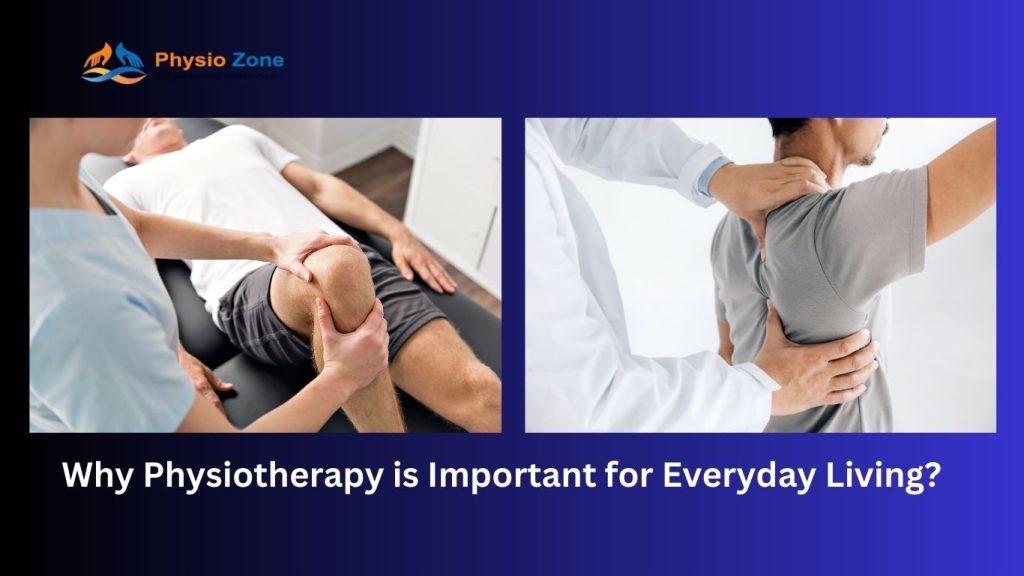
Many people in the modern age suffer from physical discomfort or pain as a result of inactivity, stress from their jobs, or the physical demands of everyday tasks. Physiotherapy provides a solution by helping people keep or recover their mobility and improve their overall condition. Physiotherapy can be very helpful for people in Dhaka, Bangladesh, where busy lives and urban living can have a bad effect on one’s physical health. This post will discuss the importance of physical therapy in daily life and how it may increase your overall standard of life. Why Physiotherapy Is Important in Our Daily Living? Top 5 Reasons Physiotherapy is important for general well-being and health and goes above and beyond simply treating injuries. Let’s examine the top five reasons that physical therapy is necessary for everyday living: 1. Improves Your Daily Performance Exercise is necessary for many daily activities, such as walking, carrying food items, and doing housework. You can complete these things more quickly and with fewer injuries if you receive physiotherapy. Physiotherapists improve strength, flexibility, and movement with individualized exercises and treatments, helping you to move more freely and carry out daily tasks with ease. 2. Surgery Can Be Prevented with Physiotherapy Physiotherapy can be an effective replacement for surgery in the treatment of injuries to the muscles. Many people suffer from illnesses like back issues, arthritic disease and joint pain. Physiotherapists use various kinds of methods, such as physical treatment and exercises, to help patients feel better and function better, which may avoid the need for painful surgeries. This is very helpful in places like Dhaka, where it may not be easy to get qualified medical care. 3. Improves Your Balance Keeping your balance gets more important as you get older to avoid falling and getting hurt. Physiotherapy helps improve your balance and stability by using specific exercises to make core muscles stronger, increase flexibility, and boost your sense of balance, which is the sense of where your body is in space. A physiotherapy program that focuses on balance can make you less likely to fall, which can help you be more active and live on your own. 4. Helps Manage Blood Pressure Did you know that physiotherapy exercises and other kinds of regular exercise can help control high blood pressure? Physical therapists usually develop programs that improve cardiovascular health. Physiotherapy supports improved heart health through the use of strength training, stretching, and aerobic activities. This lowers the need for drugs for a long time and makes people healthier in general. 5. Prevents Injuries from Happening Whether you’re an athlete or someone who enjoys walking in your local park, physiotherapy can play a major role in injury prevention. Physical therapists assess your body’s movement patterns and weaknesses and then provide tailored exercise plans that strengthen vulnerable areas. With a personalized approach, you can reduce your risk of strains, sprains, and repetitive motion injuries. Learn Why Physiotherapy is Important in Managing Chronic Pain Chronic pain is a common issue for many individuals, especially in urban environments like Dhaka, where high stress and poor posture can contribute to long-term discomfort. Targeted treatments and methods in physiotherapy can be quite useful to manage chronic pain. Techniques for Pain Relief Physical therapists help people who are in pain by using dry needling, manual therapy, and other methods. These methods get to the cause of pain, which helps reduce swelling, ease tension, and speed up the healing process. Personal Physiotherapy Treatment Plan One great thing about physiotherapy is that each balance exercise is made for the person having it. Physical therapists make a plan for you that focuses on managing your pain based on your unique needs and situation. This unique method can help you count less on medicines and be healthier overall. Say Goodbye to Chronic Pain In addition to solving current pain, physiotherapy tries to stop it from happening again. Patients may notice long-lasting comfort and increased mobility with ongoing medical care and self-management skills, which will eventually improve their quality of life. Learn Why Physiotherapy is Important in Supporting Mental Health Physical health and mental health are closely linked one with another, and physiotherapy plays a vital role in supporting both. Physiotherapy can help reduce stress, anxiety, and depression by promoting physical daily activity, which releases endorphins—our body’s natural “feel-good” hormones. Engaging in physiotherapy exercises also encourages better sleep patterns and reduces the mental toll of chronic pain, leading to improved mood and mental clarity. Physiotherapy could be a complete answer for you if you’re having problems with your mental health or how physical pain affects your health. Take Control of Your Health with Health First Group At Physiozonebd, we understand the particular issues that patients confront in Dhaka. We provide complete physiotherapy treatments suited to your specific needs. Our expert instructors aim to help you manage pain, increase movement, and avoid injuries, allowing you to take control of your health and live a more active, pain-free lifestyle. Frequently Asked Questions What is physiotherapy, and how does it help in daily life? The medical field of physiotherapy is dedicated to finding, fixing, and treating physical problems related to movement and function. It helps improve mobility, reduce pain, and prevent future injuries, making daily activities easier and more comfortable. Who can benefit from physiotherapy? Anyone can benefit from physiotherapy, whether you’re recovering from an injury, managing chronic conditions, or looking to improve your physical fitness. It’s particularly helpful for people with musculoskeletal conditions, athletes, and those with age-related mobility issues. How does physiotherapy prevent injuries? Physiotherapy helps prevent injuries by identifying weak points or imbalances in the body and providing tailored exercises to strengthen those areas. Regular physiotherapy also improves flexibility and balance, reducing the likelihood of injuries. Are physiotherapy exercises safe to do at home? Yes, physiotherapy exercises can be safely performed at home as long as they are prescribed and demonstrated by a qualified physical therapist. They will show you the right way to do the exercises and make sure they

Why Physiotherapy is Important for Everyday Living? Read More »

ফিজিওথেরাপি দ্বারা ব্যথা মুক্তি

ফিজিওথেরাপি দ্বারা ব্যথা মুক্তি: সহজ ও কার্যকর সমাধান

ব্যথা আমাদের দৈনন্দিন জীবনে একটি সাধারণ সমস্যা। এটি শরীরের বিভিন্ন অংশে হতে পারে এবং দীর্ঘমেয়াদী হলে এটি জীবনযাত্রাকে কঠিন করে তোলে। ফিজিওথেরাপি হল একটি নিরাপদ ও কার্যকর চিকিৎসা পদ্ধতি, যা ওষুধ বা অস্ত্রোপচারের প্রয়োজন ছাড়াই ব্যথা কমাতে সহায়ক। ফিজিওথেরাপি কীভাবে ব্যথা কমায়? ফিজিওথেরাপি মূলত ব্যথার মূল কারণ চিহ্নিত করে এবং নির্দিষ্ট ব্যায়াম, স্ট্রেচিং, ম্যাসাজ, তাপ ও ঠান্ডা থেরাপি এবং ইলেকট্রোথেরাপির মাধ্যমে ব্যথা উপশম করে। এটি পেশির শক্তি বাড়ায়, জয়েন্টের নমনীয়তা বাড়ায় এবং রক্তসঞ্চালন উন্নত করে, যা ব্যথা কমাতে সাহায্য করে। দীর্ঘস্থায়ী ব্যথার জন্য ফিজিওথেরাপির উপকারিতা দীর্ঘস্থায়ী ব্যথা যেমন আর্থ্রাইটিস, সায়াটিকা, এবং পিঠের ব্যথার জন্য ফিজিওথেরাপি অত্যন্ত কার্যকর। এটি ব্যথা হ্রাস করে, চলাফেরা সহজ করে এবং ব্যথার কারণে দৈনন্দিন জীবনে যে সীমাবদ্ধতা আসে তা কমিয়ে আনে। ব্যাক পেইন দূর করতে ফিজিওথেরাপির ভূমিকা ফিজিওথেরাপির মাধ্যমে বিশেষ ব্যায়াম ও থেরাপি যেমন ম্যাকেনজি এক্সারসাইজ, কোর স্ট্রেন্থেনিং, এবং পোস্টার করেকশন ব্যাক পেইন নিরাময়ে সহায়ক। এটি ডিস্কের সমস্যা, মাসল স্ট্রেস এবং স্পাইন অ্যালাইনমেন্ট উন্নত করে। হাঁটু ও জয়েন্ট ব্যথার জন্য কার্যকর ফিজিওথেরাপি হাঁটু ও জয়েন্ট ব্যথার জন্য ফিজিওথেরাপির মধ্যে স্ট্রেংথ ট্রেনিং, হাইড্রোথেরাপি, এবং ম্যানুয়াল থেরাপি অন্তর্ভুক্ত। এটি জয়েন্ট ফ্লেক্সিবিলিটি বৃদ্ধি করে, ব্যথা হ্রাস করে এবং হাঁটাচলা স্বাভাবিক করতে সহায়তা করে। ফিজিওথেরাপি বনাম ব্যথানাশক ওষুধ – কোনটি ভালো? ব্যথানাশক ওষুধ শুধু সাময়িকভাবে ব্যথা কমায়, কিন্তু ফিজিওথেরাপি ব্যথার মূল কারণ নিরাময় করে। ওষুধের পার্শ্বপ্রতিক্রিয়া থাকতে পারে, কিন্তু ফিজিওথেরাপি সম্পূর্ণ প্রাকৃতিক ও নিরাপদ। তাই দীর্ঘমেয়াদে ফিজিওথেরাপি বেশি কার্যকর ও স্বাস্থ্যকর বিকল্প। স্পোর্টস ইনজুরির পর দ্রুত সুস্থতার জন্য ফিজিওথেরাপি খেলাধুলায় আহত হলে ফিজিওথেরাপি দ্রুত পুনরুদ্ধারে সাহায্য করে। এটি পেশি ও জয়েন্টের কার্যকারিতা পুনরুদ্ধার করে এবং পুনরায় ইনজুরি প্রতিরোধ করে। বিশেষ করে, এক্সারসাইজ থেরাপি, আল্ট্রাসাউন্ড থেরাপি এবং টেপিং টেকনিক ব্যবহার করা হয়। ঘাড় ও কোমর ব্যথা নিরাময়ে সেরা ফিজিওথেরাপি কৌশল ঘাড় ও কোমর ব্যথার জন্য ফিজিওথেরাপিতে সঠিক অঙ্গবিন্যাস শেখানো হয়, স্ট্রেচিং ও স্ট্রেন্থ ট্রেনিং করানো হয় এবং ইলেকট্রোথেরাপি প্রয়োগ করা হয়। এছাড়াও, স্পাইন মোবিলাইজেশন ও ট্রিগার পয়েন্ট থেরাপি কার্যকর ভূমিকা রাখে। ফ্রোজেন শোল্ডার নিরাময়ে ফিজিওথেরাপির কার্যকারিতা ফ্রোজেন শোল্ডারের জন্য ফিজিওথেরাপিতে ম্যানুয়াল থেরাপি, জয়েন্ট মোবিলাইজেশন এবং স্ট্রেচিং ব্যবহার করা হয়, যা কাঁধের নড়াচড়া বাড়িয়ে ব্যথা কমাতে সাহায্য করে। কোল্ড ও হিট থেরাপিও ব্যবহার করা হয়। নার্ভের ব্যথা দূর করতে ফিজিওথেরাপির বিশেষ পদ্ধতি নার্ভের ব্যথার জন্য ফিজিওথেরাপির মধ্যে ট্র্যাকশন থেরাপি, ম্যানুয়াল থেরাপি ও বিশেষ স্ট্রেচিং পদ্ধতি ব্যবহার করা হয়, যা নার্ভের চাপ কমায় ও ব্যথা উপশম করে। বিশেষ করে, সায়াটিকা এবং কার্পাল টানেল সিন্ড্রোমের ক্ষেত্রে এই থেরাপি কার্যকর। ফিজিওথেরাপির মাধ্যমে অস্ত্রোপচার ছাড়াই ব্যথা মুক্তি অনেক ক্ষেত্রে, ফিজিওথেরাপির মাধ্যমে অস্ত্রোপচার ছাড়াই ব্যথা দূর করা সম্ভব। এটি দীর্ঘমেয়াদী ব্যথা ব্যবস্থাপনার জন্য একটি নিরাপদ ও কার্যকর পদ্ধতি। ফিজিওথেরাপির মাধ্যমে শুধু ব্যথা কমানোই নয়, বরং পুরো শরীরের সুস্থতা নিশ্চিত করা সম্ভব। ফিজিওথেরাপি ব্যথা উপশমের জন্য একটি সুস্থ ও প্রাকৃতিক উপায়। এটি আপনাকে ওষুধের পার্শ্বপ্রতিক্রিয়া ছাড়াই দীর্ঘমেয়াদী স্বস্তি দিতে পারে। নিয়মিত ফিজিওথেরাপি গ্রহণ করলে শরীরের কর্মক্ষমতা ও জীবনযাত্রার মান উন্নত হয়।

ফিজিওথেরাপি দ্বারা ব্যথা মুক্তি: সহজ ও কার্যকর সমাধান Read More »

হাঁটার সমস্যা ও ফিজিওথেরাপি

হাঁটার সমস্যা ও ফিজিওথেরাপি: সুস্থ চলাচলের জন্য করণীয়

হাঁটা আমাদের দৈনন্দিন জীবনের একটি গুরুত্বপূর্ণ অংশ। তবে অনেকের ক্ষেত্রে বিভিন্ন শারীরিক সমস্যা, বয়সজনিত কারণ, দুর্ঘটনা বা স্নায়বিক অসুস্থতার কারণে হাঁটতে সমস্যা হতে পারে। ফিজিওথেরাপি হাঁটার সমস্যা সমাধানে কার্যকরী ভূমিকা রাখে এবং স্বাভাবিক চলাচল ফিরিয়ে আনতে সাহায্য করে। চলুন জেনে নেওয়া যাক হাঁটার সমস্যার কারণ ও এর সমাধানে ফিজিওথেরাপির ভূমিকা। হাঁটার সমস্যার সাধারণ কারণ হাঁটার সমস্যার পেছনে বিভিন্ন কারণ থাকতে পারে। সাধারণত নিম্নলিখিত কারণগুলোর কারণে হাঁটতে অসুবিধা দেখা দিতে পারে: স্নায়বিক রোগ: স্ট্রোক, পারকিনসনস ডিজিজ বা মাল্টিপল স্ক্লেরোসিসের কারণে হাঁটতে সমস্যা হতে পারে। বয়সজনিত সমস্যা: বৃদ্ধ বয়সে পেশি দুর্বলতা, ভারসাম্যহীনতা ও আর্থ্রাইটিস হাঁটার গতিকে ব্যাহত করতে পারে। আঘাত বা অস্ত্রোপচার: দুর্ঘটনার কারণে হাড় ভাঙা, জয়েন্টের ইনজুরি বা অস্ত্রোপচারের পর হাঁটার ক্ষমতা হ্রাস পেতে পারে। ব্যথা ও জয়েন্ট সমস্যা: হাঁটু, কোমর বা পায়ের ব্যথা হাঁটার গতির ওপর নেতিবাচক প্রভাব ফেলে। ফিজিওথেরাপি কীভাবে হাঁটার সমস্যা সমাধানে সাহায্য করে ফিজিওথেরাপি হাঁটার সমস্যা নিরসনে অত্যন্ত গুরুত্বপূর্ণ ভূমিকা রাখে। এর মাধ্যমে পেশি ও জয়েন্ট শক্তিশালী করা, ভারসাম্য উন্নত করা এবং ব্যথা কমানো সম্ভব। বয়সজনিত হাঁটার সমস্যা ও সমাধান বয়স বৃদ্ধির সাথে সাথে হাঁটার ভারসাম্য ও গতি কমতে থাকে। ফিজিওথেরাপির মাধ্যমে পায়ের পেশি শক্তিশালী করা, জয়েন্টের নমনীয়তা বাড়ানো এবং সঠিক ব্যায়ামের মাধ্যমে হাঁটার দক্ষতা বৃদ্ধি করা সম্ভব। দুর্ঘটনা ও অস্ত্রোপচারের পর হাঁটার সমস্যা হাড় ভাঙা, লিগামেন্ট ইনজুরি বা অস্ত্রোপচারের পর ফিজিওথেরাপি খুবই কার্যকরী। বিশেষজ্ঞরা ব্যথা নিয়ন্ত্রণ, জয়েন্টের কার্যকারিতা পুনরুদ্ধার এবং স্বাভাবিকভাবে হাঁটার দক্ষতা বাড়ানোর জন্য বিভিন্ন ব্যায়াম ও থেরাপি প্রয়োগ করে থাকেন। স্নায়বিক রোগ ও হাঁটার অক্ষমতা স্ট্রোক, পারকিনসনস ডিজিজ বা অন্যান্য স্নায়বিক রোগে আক্রান্ত ব্যক্তিরা হাঁটার ক্ষেত্রে সমস্যার সম্মুখীন হন। ফিজিওথেরাপি তাদের পায়ের সঠিক সঞ্চালন, ভারসাম্য রক্ষা এবং হাঁটার সক্ষমতা বাড়াতে সাহায্য করে। ব্যথাজনিত হাঁটার সমস্যা ও ফিজিওথেরাপির ভূমিকা হাঁটতে গিয়ে যদি ব্যথা অনুভূত হয়, তবে তা চলাচলে বাধা সৃষ্টি করতে পারে। ফিজিওথেরাপির মাধ্যমে ব্যথা উপশম করা এবং পেশি ও জয়েন্টের স্থিতিস্থাপকতা উন্নত করা সম্ভব। ফিজিওথেরাপির মাধ্যমে পায়ের পেশি ও জয়েন্ট শক্তিশালী করা ফিজিওথেরাপিস্টরা বিভিন্ন ব্যায়াম ও চিকিৎসা পদ্ধতি ব্যবহার করেন যা পায়ের পেশিকে শক্তিশালী করে এবং জয়েন্টের স্থিতিস্থাপকতা বৃদ্ধি করে। এতে হাঁটা সহজ ও স্বাভাবিক হয়ে ওঠে। হাঁটার ভারসাম্য উন্নত করার ফিজিওথেরাপি কৌশল হাঁটার ভারসাম্য রক্ষা করা সুস্থ চলাচলের জন্য গুরুত্বপূর্ণ। ফিজিওথেরাপি ব্যায়াম, স্ট্রেচিং এবং নিউরোমাসকুলার ট্রেনিংয়ের মাধ্যমে হাঁটার ভারসাম্য উন্নত করা সম্ভব। হাঁটার সমস্যা এড়াতে দৈনন্দিন ব্যায়াম হাঁটার ক্ষমতা বাড়াতে ও ভবিষ্যতে সমস্যা এড়াতে নিয়মিত ব্যায়াম করা প্রয়োজন। কিছু কার্যকরী ব্যায়াম হলো: পায়ের স্ট্রেচিং ব্যায়াম: পেশি নমনীয় করে হাঁটার সময় কম চাপ দেয়। ভারসাম্য ব্যায়াম: এক পায়ে দাঁড়ানো বা স্টেপ আপ ব্যায়াম ভারসাম্য উন্নত করে। ওয়াকিং এক্সারসাইজ: প্রতিদিন অন্তত ৩০ মিনিট হাঁটা হাঁটার দক্ষতা বাড়ায়। সঠিক জুতা ও সহায়ক ডিভাইসের ভূমিকা হাঁটার সমস্যা সমাধানে উপযুক্ত জুতা ও সহায়ক ডিভাইস ব্যবহারের গুরুত্ব অনেক। নরম ও আরামদায়ক জুতা হাঁটার সময় চাপ কমায় এবং ভারসাম্য বজায় রাখতে সাহায্য করে। প্রয়োজনে ওয়াকিং ক্যান বা ওয়ার্কিং ব্রেস ব্যবহার করা যেতে পারে। উপসংহার হাঁটার সমস্যা জীবনের মানকে ব্যাহত করতে পারে, তবে সঠিক ফিজিওথেরাপি এবং নিয়মিত ব্যায়ামের মাধ্যমে এটি কাটিয়ে ওঠা সম্ভব। বয়সজনিত কারণ, আঘাত, অস্ত্রোপচার বা স্নায়বিক রোগজনিত কারণে হাঁটতে সমস্যা হলে দ্রুত একজন ফিজিওথেরাপিস্টের পরামর্শ নেওয়া উচিত। সুস্থ ও স্বাভাবিক চলাচলের জন্য সঠিক চিকিৎসা এবং সচেতনতা জরুরি।

হাঁটার সমস্যা ও ফিজিওথেরাপি: সুস্থ চলাচলের জন্য করণীয় Read More »

Message Us on WhatsApp