
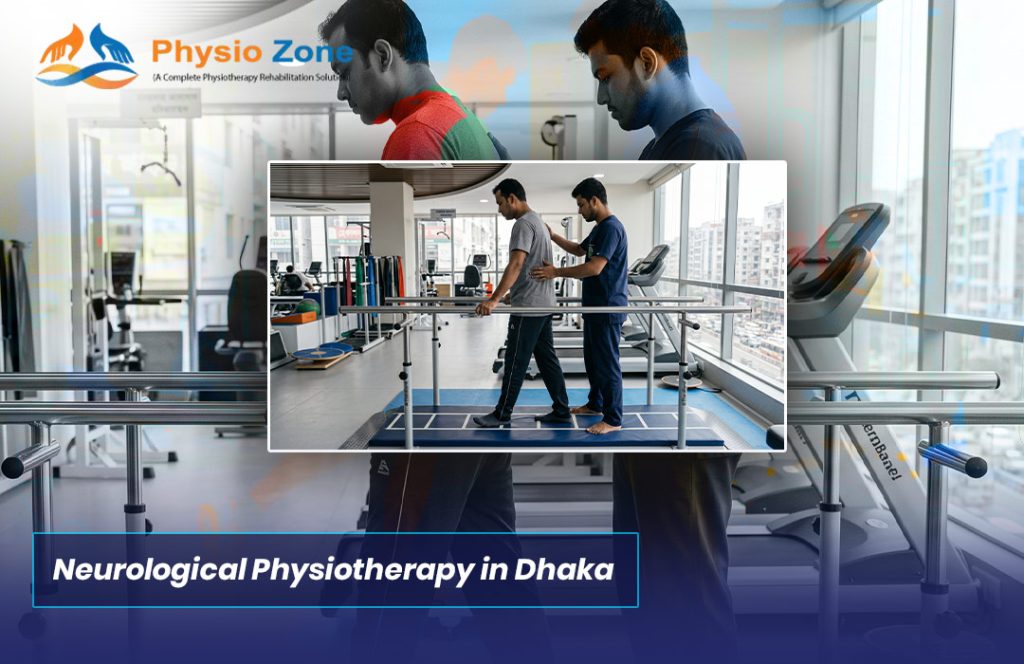
Neurological disorders can significantly affect a person’s ability to move, walk, balance, speak, and perform daily activities. Conditions such as stroke, Parkinson’s disease, spinal cord injury, multiple sclerosis, and facial paralysis often require long-term rehabilitation. Neurological physiotherapy plays a vital role in helping patients regain independence and improve their quality of life.
In Dhaka, specialized neurological physiotherapy services are becoming increasingly available, offering advanced rehabilitation programs tailored to each patient’s condition.
What Is Neurological Physiotherapy?
Neurological physiotherapy is a specialized branch of physiotherapy that focuses on treating conditions affecting the brain, spinal cord, and nervous system. It aims to restore movement, improve balance, increase strength, and help patients regain functional independence.
Unlike general physiotherapy, neurological rehabilitation requires a deep understanding of the nervous system and how the brain communicates with muscles and body movements.
The primary goals of neurological physiotherapy include:
- Improving mobility
- Restoring muscle strength
- Enhancing balance and coordination
- Preventing complications
- Increasing independence in daily activities
- Improving overall quality of life
Common Conditions Treated with Neurological Physiotherapy
Neurological physiotherapy in Dhaka helps patients suffering from various neurological disorders.
Stroke Rehabilitation
Stroke is one of the most common neurological conditions requiring physiotherapy. A stroke can cause weakness, paralysis, speech problems, and difficulty walking.
Physiotherapy helps patients:
- Regain muscle strength
- Improve walking ability
- Restore balance
- Enhance arm and hand function
- Reduce muscle stiffness
Early rehabilitation often leads to better outcomes.
Parkinson’s Disease
Parkinson’s disease affects movement and coordination. Patients may experience:
- Tremors
- Slow movement
- Muscle stiffness
- Balance problems
Neurological physiotherapy helps improve:
- Walking patterns
- Posture
- Flexibility
- Coordination
- Daily functional activities
Spinal Cord Injury
Damage to the spinal cord can lead to partial or complete paralysis.
Physiotherapy focuses on:
- Strengthening unaffected muscles
- Improving mobility
- Preventing pressure sores
- Training with assistive devices
- Increasing independence
Multiple Sclerosis
Multiple sclerosis affects the communication between the brain and body.
Therapy helps patients manage:
- Muscle weakness
- Fatigue
- Balance problems
- Walking difficulties
Bell’s Palsy
Bell’s palsy causes weakness or paralysis of facial muscles.
Physiotherapists use facial exercises and neuromuscular re-education techniques to improve facial movements.
Cerebral Palsy
Children with cerebral palsy often require neurological physiotherapy to improve:
- Motor skills
- Muscle control
- Coordination
- Balance
- Functional independence
Guillain-Barré Syndrome
Patients recovering from Guillain-Barré Syndrome need rehabilitation to restore:
- Muscle strength
- Walking ability
- Endurance
- Functional movements
Signs You May Need Neurological Physiotherapy
You should consult a neurological physiotherapist if you experience:
- Difficulty walking
- Poor balance
- Frequent falls
- Muscle weakness
- Paralysis
- Tremors
- Loss of coordination
- Difficulty performing daily activities
- Reduced arm or leg movement
- Muscle stiffness
Early intervention can greatly improve recovery outcomes.
Benefits of Neurological Physiotherapy
Neurological rehabilitation provides several benefits.
Improves Mobility
Patients gradually regain their ability to stand, walk, and move independently.
Enhances Balance and Coordination
Special exercises improve body control and reduce the risk of falls.
Increases Muscle Strength
Weak muscles become stronger through targeted rehabilitation exercises.
Reduces Spasticity
Muscle tightness and stiffness are common after neurological injuries. Physiotherapy helps reduce these symptoms.
Promotes Brain Plasticity
The brain has the ability to reorganize and form new connections. This process, called neuroplasticity, allows patients to regain lost functions through repeated practice.
Prevents Secondary Complications
Regular therapy helps prevent:
- Joint contractures
- Pressure sores
- Muscle wasting
- Poor posture
- Reduced flexibility
Improves Independence
Patients become more capable of performing daily tasks without assistance.
Enhances Quality of Life
Better movement and functional ability contribute to improved confidence and emotional well-being.
Assessment Process in Neurological Physiotherapy
Before starting treatment, physiotherapists perform a detailed assessment.
This includes:
Medical History Review
Understanding the patient’s diagnosis and symptoms.
Muscle Strength Testing
Evaluating muscle performance and weakness.
Balance Assessment
Checking postural control and stability.
Gait Analysis
Observing walking patterns and movement quality.
Range of Motion Examination
Assessing joint flexibility.
Functional Evaluation
Measuring the patient’s ability to perform daily activities.
Based on these findings, a personalized rehabilitation plan is developed.
Techniques Used in Neurological Physiotherapy
Modern neurological rehabilitation uses various evidence-based techniques.
Therapeutic Exercises
Exercises are designed to improve:
- Strength
- Endurance
- Flexibility
- Coordination
Balance Training
Balance exercises help reduce falls and improve confidence during movement.
Gait Training
Walking training focuses on:
- Proper posture
- Step length
- Weight distribution
- Speed and stability
Functional Training
Patients practice real-life activities such as:
- Sitting
- Standing
- Climbing stairs
- Dressing
- Transferring from bed to chair
Stretching Exercises
Stretching helps:
- Reduce muscle tightness
- Improve flexibility
- Prevent joint stiffness
Neuromuscular Re-education
These techniques help retrain the brain and muscles to work together effectively.
Functional Electrical Stimulation (FES)
Electrical stimulation activates weakened muscles and promotes recovery.
Manual Therapy
Hands-on techniques are used to improve joint mobility and reduce pain.
Importance of Early Rehabilitation
Early neurological rehabilitation is crucial for recovery.
Research and clinical experience show that patients who start physiotherapy soon after injury or illness often achieve:
- Faster recovery
- Better mobility
- Improved independence
- Reduced complications
Consistent therapy and family support are also essential factors in successful rehabilitation.
Home-Based Neurological Physiotherapy
Many patients in Dhaka prefer home physiotherapy services, especially those with severe mobility limitations.
Home rehabilitation offers:
- Convenience
- Personalized treatment
- Reduced travel stress
- Family involvement
- Comfortable environment
Home-based neurological physiotherapy is particularly beneficial for:
- Stroke patients
- Elderly individuals
- Parkinson’s disease patients
- Patients recovering after surgery
Neurological Physiotherapy for Stroke Patients
Stroke rehabilitation is one of the most important areas of neurological physiotherapy.
Treatment programs typically include:
- Bed mobility exercises
- Sitting balance training
- Standing practice
- Walking exercises
- Arm and hand rehabilitation
- Coordination training
- Functional activities
Recovery varies from patient to patient, and continuous therapy often leads to significant improvements.
You may also read related articles:
- Best Stroke Recovery Physiotherapy in Dhaka
- Stroke Rehabilitation Therapy in Bangladesh
- Physiotherapy Center in Dhaka
- Neurological Rehabilitation Exercises
More educational articles can be found here:
https://physiozonebd.com/news-blogs/
Choosing the Best Neurological Physiotherapy Center in Dhaka
Selecting the right rehabilitation center is important.
Consider the following factors:
Experienced Physiotherapists
Look for therapists with expertise in neurological rehabilitation.
Personalized Treatment Plans
Every patient has unique needs, so customized programs are essential.
Modern Equipment
Advanced rehabilitation technologies can improve outcomes.
Home Physiotherapy Availability
Home visits are useful for patients with severe disabilities.
Patient Reviews
Positive feedback from previous patients reflects service quality.
Multidisciplinary Approach
Collaboration between neurologists, physiotherapists, speech therapists, and occupational therapists often provides better results.
Neurological Physiotherapy Centers in Dhaka
Several centers provide neurological rehabilitation services in Dhaka.
Some well-known facilities include:
- Physio Zone
- S.K Physiotherapy & Stroke Rehab Center
- Rehab Solutions Physiotherapy
- Vision Physiotherapy Center
- Gulshan Physiotherapy Center
- Mr & Mrs Physio | Best Physiotherapy Centre
These centers offer various rehabilitation programs for stroke, Parkinson’s disease, spinal cord injury, and other neurological disorders.
How Long Does Neurological Rehabilitation Take?
Recovery time depends on:
- Type of neurological condition
- Severity of injury
- Age of the patient
- Overall health
- Consistency of therapy
Some patients recover within months, while others may require long-term rehabilitation.
The key to success is regular exercise and continuous physiotherapy.
Preventing Neurological Complications
Patients and caregivers should focus on:
- Following exercise programs regularly
- Maintaining proper nutrition
- Staying physically active
- Preventing falls
- Managing blood pressure and diabetes
- Attending follow-up appointments
These measures support long-term recovery and reduce the risk of complications.
Conclusion
Neurological physiotherapy in Dhaka plays a crucial role in helping patients recover from stroke, Parkinson’s disease, spinal cord injury, multiple sclerosis, Bell’s palsy, and other neurological conditions. Through specialized exercises, balance training, gait rehabilitation, and functional activities, patients can regain mobility and improve their quality of life.
Early intervention, personalized treatment, and consistent rehabilitation are essential for achieving the best results. With the growing availability of advanced neurological physiotherapy services in Dhaka, patients now have access to comprehensive rehabilitation programs that support long-term recovery and independence.