
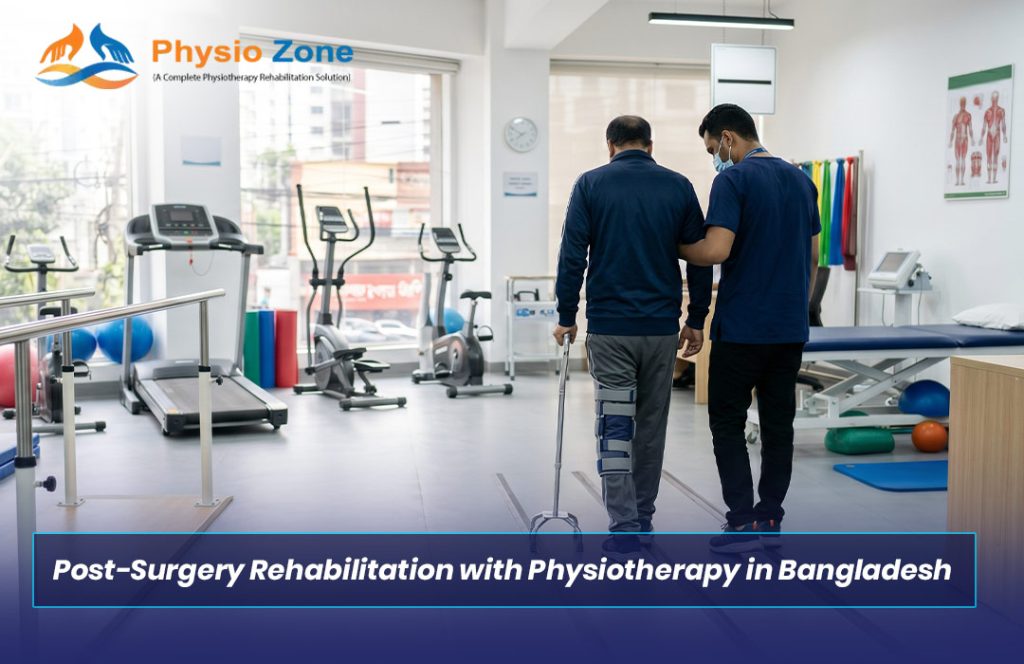
Surgery is only the first step of healing. The real journey of recovery begins after the operation is complete. For many patients in Bangladesh, returning to normal life after surgery depends on one critical factor: proper post-surgery rehabilitation through physiotherapy. Without it, muscles weaken, joints stiffen, and the risk of complications rises. With it, patients recover faster, regain strength, and return to their daily activities with confidence.
This guide is for patients who have recently had surgery, family members supporting a loved one through recovery, and anyone who wants to understand what post-operative physiotherapy actually involves in Bangladesh. We explain everything in simple, clear language so that you can make the best decisions for your health or the health of someone you care about.
What is Post-Surgery Rehabilitation?
Post-surgery rehabilitation is a structured medical process that helps a person regain physical function after an operation. It involves guided exercises, manual therapy, pain management, and education to help the body heal properly. The goal is to restore movement, rebuild strength, reduce pain, and prevent future complications.
Physiotherapy is the most important part of post-surgery rehabilitation. A trained physiotherapist assesses the patient’s condition, creates an individual recovery plan, and guides them step by step through the recovery process. Rehabilitation is not just about physical recovery. It also helps patients regain their confidence, manage anxiety about their body, and return to their work and social life.
Post-surgery rehabilitation is not optional. It is a medical necessity. Skipping physiotherapy after major surgery can lead to permanent stiffness, muscle weakness, poor balance, and chronic pain.
Why Physiotherapy After Surgery is Important
After any surgery, the body goes through a natural healing process. Tissues repair, swelling gradually reduces, and the body tries to return to normal. However, surgery also causes the surrounding muscles to weaken and joints to become stiff, because of inactivity, pain, and the trauma of the operation itself. Without professional guidance, this natural process can go wrong in several ways.
Here is why physiotherapy is essential after surgery:
1. Prevents Muscle Weakness and Atrophy
When a person stops using a limb or body part after surgery, the muscles lose strength very quickly. A physiotherapist introduces controlled exercises at the right time to stop this deterioration and rebuild the muscles progressively.
2. Restores Joint Mobility
After knee replacement, hip surgery, or shoulder operations, the joint tends to become stiff. Specific physiotherapy movements and manual therapy techniques help restore the normal range of movement in the joint, making daily tasks like sitting, walking, and climbing stairs possible again.
3. Controls Swelling and Pain
Techniques like ice therapy, ultrasound, TENS (Transcutaneous Electrical Nerve Stimulation), and specific exercises reduce post-operative swelling and manage pain without relying entirely on medication.
4. Reduces the Risk of Blood Clots
After lower limb surgeries, the risk of deep vein thrombosis (blood clots in the leg veins) increases with prolonged bed rest. Early physiotherapy involving ankle pumps and gentle walking significantly reduces this dangerous risk.
5. Prevents Scar Tissue Problems
After surgery, scar tissue forms naturally. If left untreated, excessive scar tissue can restrict movement and cause long-term tightness. Physiotherapists use techniques like scar mobilization and soft tissue massage to manage this.
6. Restores Balance and Coordination
Surgeries on the lower limbs, spine, and hips can affect the body’s balance and coordination systems. Physiotherapy exercises specifically target these systems to prevent falls and help patients move safely and confidently.
Need post-surgery physiotherapy? Contact PhysioZone BD
Our team of experienced physiotherapists in Dhaka is ready to help you plan your recovery.
Common Surgeries That Require Physiotherapy
Almost every major surgery requires some form of post-operative physiotherapy. The type and duration of rehabilitation depends on the nature of the surgery, the patient’s age, overall health, and the goals of recovery. Below is an overview of the most common surgeries that require structured physiotherapy in Bangladesh.
| Type of Surgery | Common Goal of Rehabilitation | Typical Recovery Duration |
| Knee Replacement (TKR) | Restore bending, walking, and stair climbing | 3 to 6 months |
| Hip Replacement (THR) | Rebuild hip strength, balance, and safe movement | 3 to 6 months |
| Spinal Surgery (Discectomy, Fusion) | Regain core strength, posture, and pain-free movement | 3 to 12 months |
| ACL Reconstruction (Knee Ligament) | Full return to sport and functional activities | 6 to 9 months |
| Rotator Cuff Repair (Shoulder) | Restore shoulder strength and range of motion | 3 to 6 months |
| Cardiac Surgery (Bypass, Valve) | Improve heart function, breathing, and general fitness | Ongoing (cardiac rehab program) |
| Fracture Fixation (ORIF) | Restore limb function and return to daily activities | 2 to 5 months |
| Abdominal Surgery | Breathing rehab, core strength, safe mobilization | 4 to 8 weeks |
| Stroke Surgery / Neurosurgery | Neurological recovery, mobility, speech support | 6 months to several years |
Important Note for Bangladeshi Patients
In Bangladesh, the most frequently seen post-surgery cases in physiotherapy clinics are knee replacement, spinal surgery, and fracture fixation. Many patients also come after road accident surgeries, which are unfortunately very common across the country.
The Phases of Post-Surgery Recovery
Recovery after surgery does not happen all at once. It takes place in distinct stages, and physiotherapy goals change at each stage. Understanding these phases helps patients set realistic expectations and stay motivated throughout their rehabilitation journey.
Acute Phase: Days 1 to 7 After Surgery
This is the immediate post-operative period. The focus is on controlling pain and swelling, starting very gentle movements, preventing blood clots with ankle and breathing exercises, and helping the patient sit up, transfer out of bed, and take first steps safely. The physiotherapist works closely with the surgical team during this phase.
Sub-Acute Phase: Weeks 2 to 6
In this phase, the patient moves more independently. The therapist increases the intensity of exercises, begins strengthening the muscles around the operated area, works on balance training, and starts functional activities like walking longer distances, going up and down stairs, and dressing independently. Pain should be reducing significantly at this point.
Rehabilitation Phase: Weeks 6 to 12 and Beyond
This is when the patient works toward full recovery. Exercises become more challenging, focusing on rebuilding full strength and endurance, returning to work or sport, and achieving independence in all daily activities. For complex surgeries like spinal fusion or ACL reconstruction, this phase can extend beyond six months.
Maintenance Phase: Long-Term
After formal rehabilitation ends, the patient continues an independent home exercise program to maintain their strength, flexibility, and mobility. Regular check-ins with a physiotherapist are recommended every few months to ensure lasting results and prevent recurring problems.
Section 05
Physiotherapy Techniques Used in Rehabilitation
A skilled physiotherapist uses a combination of techniques based on the patient’s surgery type, condition, and goals. The following are the most commonly used methods in post-surgery physiotherapy:
Therapeutic Exercise
This is the core of all post-surgery rehabilitation. Exercises are carefully prescribed and progressed to rebuild strength, improve range of motion, retrain muscle control, and restore function. These include bed exercises, weight-bearing exercises, resistance training, and sport-specific drills where appropriate.
Manual Therapy
Hands-on techniques are used by the physiotherapist to improve joint movement, release tight muscles and soft tissues, and reduce pain. This includes joint mobilization, soft tissue massage, and myofascial release. Manual therapy is especially helpful for patients with post-surgical stiffness.
Electrotherapy
Machines such as TENS, ultrasound therapy, and interferential therapy help manage pain, reduce swelling, and speed up tissue healing. These are commonly used in Bangladeshi physiotherapy clinics as safe, non-invasive treatment tools.
Hydrotherapy
Exercise in warm water reduces the load on joints while allowing full-body movement. This is particularly helpful after knee and hip replacement surgeries. Hydrotherapy is less widely available in Bangladesh but is offered in specialized centres.
Breathing and Chest Physiotherapy
After abdominal, cardiac, or chest surgeries, the lungs need rehabilitation. Physiotherapists teach diaphragmatic breathing, coughing techniques, and use of devices like incentive spirometers to prevent lung complications like pneumonia.
Neurological Rehabilitation
After brain or spinal surgeries, specialized neurological physiotherapy helps patients regain motor control, coordination, and independence using techniques like task-specific training, mirror therapy, and constraint-induced movement therapy.
Book a Physiotherapy Session at PhysioZone BD, Dhaka
Get a personalized rehabilitation plan designed by our expert physiotherapists.
Rehabilitation Physiotherapy in Bangladesh
In Bangladesh, physiotherapy and post-surgery rehabilitation services have improved greatly over the past decade. Major cities like Dhaka, Chittagong, and Sylhet now have well-equipped physiotherapy centres staffed by trained and registered physiotherapists. However, awareness among the general public remains low, and many patients still miss the critical rehabilitation window after surgery.
The Current Situation in Dhaka
Dhaka, as the capital city, has the highest concentration of quality physiotherapy services in Bangladesh. Clinics in Dhanmondi, Mirpur, Gulshan, and Uttara offer both clinic-based and home physiotherapy services. Modern centres are equipped with electrotherapy machines, exercise equipment, and trained staff who can manage complex post-surgical cases.
Challenges in Bangladesh
Despite this progress, several challenges remain. Many patients from outside Dhaka find it difficult to access quality physiotherapy services near their homes. Cost is a concern for some families, though physiotherapy services are generally far more affordable in Bangladesh compared to international standards. Cultural beliefs sometimes lead patients to delay physiotherapy, waiting until pain becomes severe rather than starting early rehabilitation as recommended.
The Importance of Early Referral
One of the most important messages for patients and families in Bangladesh is this: do not wait until discharge from the hospital to think about physiotherapy. Ideally, rehabilitation begins on the day of, or the day after, the operation. Surgeons and physiotherapists work best together when the referral happens early. Ask your surgeon at PhysioZone BD or any qualified centre about when to start physiotherapy before your surgery, not after.
Starting physiotherapy early after surgery, even within 24 to 48 hours, leads to better outcomes, fewer complications, shorter hospital stays, and faster return to daily life. This is supported by global medical evidence.
Home Physiotherapy vs. Clinic-Based Physiotherapy
After surgery, patients often ask whether they should do their physiotherapy at a clinic or at home. The answer depends on the stage of recovery, the type of surgery, the patient’s mobility, and practical factors like distance and transportation.
Clinic-Based Physiotherapy
Clinic-based treatment is ideal in the early and middle phases of recovery when hands-on manual therapy, electrotherapy machines, and supervised exercise are needed. In a clinic, the physiotherapist can monitor progress closely, adjust treatment based on how the patient is responding, and use specialized equipment not available at home. For complex surgeries, clinic-based care is strongly recommended.
Home-Based Physiotherapy
Home physiotherapy is a valuable option for patients who cannot travel easily due to pain, limited mobility, or lack of transportation. A physiotherapist visits the patient at home, assesses the home environment, and provides treatment and exercise programs there. This is especially helpful for elderly patients and those in the immediate post-operative weeks.
A Combined Approach Works Best
In most cases, the best results come from starting with home visits in the early recovery period, then transitioning to clinic-based sessions as mobility improves, and finally maintaining progress with an independent home exercise program. PhysioZone BD offers both home and clinic-based services in Dhaka, allowing patients to transition smoothly between the two as their recovery progresses.
PhysioZone BD: Home and Clinic Physiotherapy in Dhaka
Contact us to arrange home visits or a clinic appointment near you.
The Role of Family in Post-Surgery Recovery
In Bangladeshi culture, family plays a central role in healthcare and recovery. This is a tremendous strength. When family members understand the rehabilitation process, they become powerful allies in the patient’s recovery.
How Family Members Can Help
Family members can assist by encouraging the patient to do their daily home exercises, providing safe support when the patient is walking or moving, ensuring medications are taken on time, accompanying the patient to physiotherapy sessions, and creating a safe home environment by removing trip hazards and providing the right furniture for safe sitting and rising.
What Family Members Should Avoid
Well-meaning family members sometimes do more harm than good by over-assisting the patient. When you do everything for a recovering patient, you take away the opportunities for them to rebuild their own strength and independence. A physiotherapist will guide the family on when to help and when to step back. It is important to listen to this guidance carefully.
Tip for Families
Ask the physiotherapist to show you the patient’s home exercises during the clinic session. When family members understand the exercises correctly, they can remind and motivate the patient at home without teaching the wrong technique.
Common Mistakes Patients Make After Surgery
Many patients and families in Bangladesh, despite good intentions, make avoidable mistakes that delay recovery or lead to complications. Understanding these mistakes can help you protect your health or the health of your loved one.
Waiting Too Long to Start Physiotherapy
One of the most common and damaging mistakes is waiting for weeks or months before starting physiotherapy. The ideal time to begin is within days of the surgery. The longer you wait, the more muscle is lost, and the more joint stiffness develops. Some of this early deterioration can be very difficult to reverse later.
Stopping Physiotherapy Too Early
Patients sometimes feel that once they can walk or move without much pain, they no longer need physiotherapy. This is wrong. At this point in recovery, the muscles are still weak, balance is poor, and the risk of re-injury or chronic pain is high. Complete your full rehabilitation program as prescribed.
Relying Only on Painkillers
Pain medication is an important part of surgical recovery, but it is not a substitute for physiotherapy. Painkillers reduce pain but do not rebuild muscle, restore joint movement, or improve balance. Physiotherapy does all of these things and more.
Doing Too Much Too Soon
Some motivated patients push themselves too hard and too fast, causing re-injury or increased inflammation. Always follow the physiotherapist’s guidance on the pace of progression. Recovery is a process, not a race.
Ignoring Pain Signals
While some discomfort during rehabilitation exercises is normal, sharp or worsening pain is a warning sign. Do not ignore it. Contact your physiotherapist or surgeon immediately if you experience increased pain, sudden swelling, warmth around the wound, or loss of movement.
Not Doing Home Exercises
The one to three sessions per week in the clinic are only part of the work. The daily exercises done at home account for the majority of recovery progress. Patients who skip their home program regularly will see very slow recovery, no matter how good their clinic treatment is.
Frequently Asked Questions
When should I start physiotherapy after surgery?
Ideally, physiotherapy begins within 24 to 48 hours after surgery, often starting in the hospital with bed exercises and breathing techniques. The exact timing depends on the type of surgery and your surgeon’s instructions. Always discuss this before your operation with both your surgeon and physiotherapist.
Is physiotherapy painful after surgery?
Some discomfort during early rehabilitation is normal and expected, especially when working through stiffness. A good physiotherapist will manage this carefully, working within your pain limits and gradually increasing intensity as your healing progresses. The discomfort during physiotherapy is temporary; the benefits are lasting.
How long does post-surgery physiotherapy take in Bangladesh?
The duration depends entirely on the type of surgery and the individual patient. Simple procedures may require 4 to 8 weeks of physiotherapy. Major surgeries like total knee replacement, spinal fusion, or ACL reconstruction typically require 3 to 9 months of guided rehabilitation.
Can I do physiotherapy at home after surgery in Dhaka?
Yes. Home physiotherapy is widely available in Dhaka through services like PhysioZone BD. A physiotherapist visits your home, assesses your condition, and provides treatment and exercises there. This is especially helpful in the early weeks after surgery when travelling is difficult.
How do I find a qualified physiotherapist in Dhaka for post-surgery rehabilitation?
Look for a physiotherapist who is registered with the Bangladesh Physiotherapy Association (BPA) and has specific experience in post-surgical rehabilitation. PhysioZone BD provides expert physiotherapy services in Dhaka with trained professionals experienced in managing a wide range of post-surgery cases. You can contact them directly through their website.
What is the cost of post-surgery physiotherapy in Bangladesh?
Physiotherapy costs in Bangladesh vary depending on the location, the type of treatment, and whether sessions are at a clinic or at home. Generally, physiotherapy in Bangladesh is very affordable compared to international standards. Many clinics offer package rates for post-surgery rehabilitation. Contact PhysioZone BD directly for current session and package pricing.
What happens if I do not do physiotherapy after surgery?
Without physiotherapy, you risk developing permanent joint stiffness, significant muscle weakness, chronic pain, poor balance, post-surgical complications like blood clots, and a much longer time to recovery. In serious cases, a lack of rehabilitation can result in permanent disability and inability to return to normal daily activities.
Conclusion
Surgery addresses the problem. Physiotherapy restores the life. Post-surgery rehabilitation is not an add-on or an optional extra. It is a fundamental part of your surgical journey, and it determines the quality of life you will have after your operation.
In Bangladesh, access to quality post-surgery physiotherapy is growing, but awareness still needs to increase. Patients and families need to know that starting rehabilitation early, following through consistently, and working with a qualified physiotherapist makes an enormous difference to the outcome.
Whether you are recovering from a knee replacement, spinal surgery, a heart operation, or a fracture repair, the principles are the same: start early, be consistent, follow your physiotherapist’s guidance, do your home exercises, and trust the process.
If you or a family member in Dhaka needs post-surgery physiotherapy, PhysioZone BD is here to help. Our experienced physiotherapists work with you to create a personalized rehabilitation plan, support you at every stage of recovery, and help you return to the life you want to live.
Ready to Begin Your Recovery?
Contact PhysioZone BD today to speak with a qualified physiotherapist in Dhaka and start your post-surgery rehabilitation journey with expert guidance.