Skip to content
Sat–Thu · 10 am–9 pm · Uttara, Dhaka

Blogs

Nerve Damage Treatment blog image

Nerve Damage Treatment; Best Physiotherapy Techniques

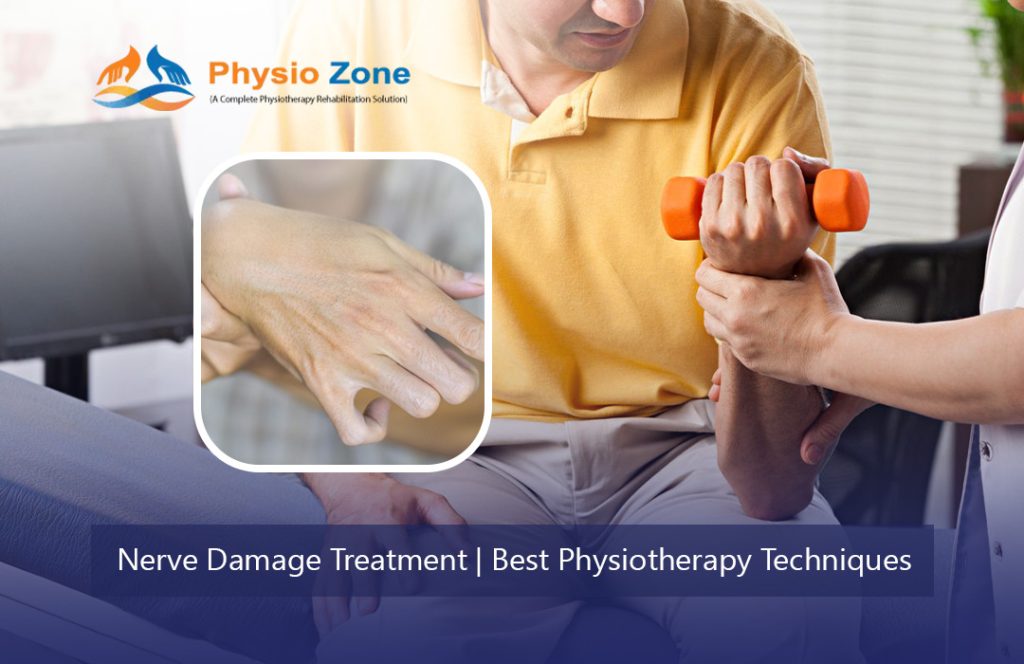
Nerve damage can seriously affect daily life by causing pain, weakness, numbness, or loss of movement. Without proper care, nerve injuries may lead to long-term disability. Nerve damage treatment through physiotherapy is widely recommended to improve nerve function, reduce pain, and support safe recovery. At Physio Zone BD, specialized physiotherapy care is provided to help patients regain strength and mobility effectively. What Is Nerve Damage? Causes, Types, and Common Symptoms Nerve damage occurs when nerves are injured, compressed, or inflamed, disrupting normal signal transmission between the brain and body. This condition may affect movement, sensation, or both. Common causes of nerve damage include: Diabetes-related neuropathy Trauma or accidents Stroke Herniated disc or spinal issues Prolonged pressure on nerves Symptoms often experienced: Tingling or numbness Sharp or burning pain Muscle weakness Loss of coordination Early diagnosis and timely nerve damage treatment are essential for better recovery outcomes. How Physiotherapy Helps in Nerve Damage Recovery Physiotherapy plays a vital role in restoring nerve function. Through guided movement and targeted techniques, nerves are stimulated to heal naturally. Muscle strength and flexibility are gradually improved, while pain and inflammation are reduced. Physiotherapy is often recommended because: Blood circulation to affected nerves is improved Muscle wasting is prevented Joint stiffness is reduced Functional movement is restored A personalized physiotherapy plan ensures safer and faster nerve healing. Best Physiotherapy Techniques for Nerve Damage Treatment Several evidence-based physiotherapy techniques are used for effective nerve damage treatment: Manual therapy for nerve mobilization Electrical stimulation for nerve activation Stretching exercises to reduce compression Strength training to support weak muscles Postural correction to relieve nerve pressure These techniques are carefully selected based on the type and severity of nerve injury. Exercises That Improve Nerve Function and Muscle Strength Therapeutic exercises are prescribed to improve nerve conductivity and muscle control. These exercises are performed gradually under professional supervision. Common exercises include: Range of motion exercises Isometric muscle strengthening Balance and coordination training Gentle stretching routines With regular practice, nerve signals are enhanced and muscle strength is regained. Role of Electrical Stimulation in Nerve Healing Electrical stimulation therapy is widely used in nerve injury physiotherapy. Mild electrical impulses are applied to stimulate damaged nerves and surrounding muscles. Benefits include: Improved nerve signal transmission Reduced pain sensitivity Faster muscle re-education Enhanced blood circulation This technique is considered safe and effective when administered by trained physiotherapists. Pain Management Methods for Nerve Injury Patients Pain management is an essential part of nerve damage rehabilitation. Physiotherapy focuses on non-invasive pain relief methods. Common pain management approaches include: Heat and cold therapy TENS therapy Soft tissue mobilization Relaxation and breathing techniques These methods help reduce dependency on pain medication while improving comfort and mobility. When to Start Physiotherapy After Nerve Damage Physiotherapy should be started as early as possible once nerve damage is diagnosed. Early intervention helps prevent complications and promotes faster healing. In most cases, treatment is initiated: After acute pain is controlled Once medical clearance is given During early rehabilitation phase Delaying treatment may slow recovery and increase stiffness or weakness. Peripheral Nerve Injury Treatment Through Physiotherapy Peripheral nerve injuries affect nerves outside the brain and spinal cord. Physiotherapy is highly effective in managing these injuries. Treatment goals include: Improving nerve regeneration Preventing muscle atrophy Restoring functional movement Enhancing daily activity performance With consistent therapy, many patients experience significant improvement. How Long Does Nerve Damage Take to Heal? Recovery Timeline Nerve healing is a gradual process and varies from person to person. Mild nerve damage may heal within weeks, while severe cases may take months. Factors affecting recovery time: Severity of nerve injury Age and overall health Timely physiotherapy intervention Patient consistency with exercises A structured physiotherapy program greatly supports long-term recovery. When to See a Physiotherapist for Nerve Damage Treatment A physiotherapist should be consulted if symptoms persist for more than a few days or worsen over time. You should seek professional help if: Pain or numbness increases Muscle weakness develops Daily activities become difficult Recovery seems slow At PhysioZone BD, expert physiotherapists provide personalized nerve damage treatment plans for optimal results. Conclusion Nerve damage can be life-altering if left untreated. Physiotherapy-based nerve damage treatment offers a safe, effective, and long-term solution for pain relief and functional recovery. With expert care, modern techniques, and patient commitment, nerve healing can be significantly improved. Early consultation at PhysioZone BD ensures the best chance for a healthy and active life. Frequently Asked Questions (FAQs) Can nerve damage be cured with physiotherapy? Physiotherapy helps improve nerve function and reduces symptoms, but recovery depends on severity. Is physiotherapy painful for nerve damage? Most techniques are gentle and designed to reduce pain, not increase it. How many physiotherapy sessions are needed for nerve damage? The number varies based on injury type and patient condition. Does electrical stimulation really help nerve healing? Yes, it supports nerve activation and muscle recovery effectively. Can nerve damage heal without treatment? Mild cases may improve, but professional treatment ensures faster and safer recovery. Is physiotherapy safe for elderly nerve patients? Yes, treatments are customized and safe for all age groups.

Nerve Damage Treatment; Best Physiotherapy Techniques Read More »

Athlete Injury Recovery

Athlete Injury Recovery Tips | Fast & Safe Rehabilitation

Athletes often push their bodies to the limit, which makes injuries a common part of their journey. A proper and safe athlete injury recovery plan is important not only for quick healing but also for long-term performance. In this guide, you will learn the best tips, physiotherapy methods, exercises, and prevention strategies to make your recovery safe and effective. What Is Athlete Injury Recovery? Athlete injury recovery is the complete process of healing after any sports-related injury. It includes pain reduction, restoring movement, rebuilding strength, and preventing future injuries. This process becomes faster when guided by an expert physiotherapist because the body heals better under proper support and treatment. LSI Keywords: sports injury rehab, athletic recovery process, physical rehabilitation for athletes Common Sports Injuries Athletes Face and Their Recovery Needs Athletes deal with many types of injuries based on their sports type and training level. Some of the most common issues include: Muscle strain Ankle sprain Knee ligament injury (ACL, MCL) Shoulder injury Back pain Tennis elbow Hamstring tear Each injury needs a unique recovery plan. A physiotherapist normally checks the injury level, mobility, swelling, and stability before starting treatment. A personalized recovery plan increases the chances of faster healing. Early-Stage Athlete Injury Recovery Tips to Reduce Pain & Swelling The first 48–72 hours are extremely important. Most physios recommend: Rest: Reduce movement to avoid worsening the injury. Ice: Apply ice packs to decrease swelling. Compression: Use elastic bandages to control inflammation. Elevation: Keep the injured area raised above heart level. These simple steps reduce pain and prepare the body for rehabilitation. Importance of Physiotherapy in Athlete Injury Recovery Physiotherapy plays a major role in fast and effective athlete injury recovery. A trained physiotherapist helps restore joint movement, rebuild strength, and reduce pain in a safe and controlled way. Benefits of physiotherapy for athletes: Faster healing Increased mobility Prevents future injury Improved muscle balance Boosts overall performance Professional treatment is always recommended because self-treatment often causes long-term problems. Best Exercises for Fast and Safe Athlete Injury Recovery Exercise is essential for rebuilding strength and improving flexibility. However, performing the wrong exercise can delay healing. Always start with physiotherapist-approved workouts. Manual Therapy for Joint Mobility Manual therapy helps reduce stiffness and increase joint movement. This treatment helps athletes regain normal function faster. Strength Training Exercises Light resistance band training Bodyweight squats Hamstring curls Glute activation exercises Flexibility & Mobility Exercises Stretching routines Foam rolling Light yoga movements Balance & Stability Workouts Single-leg balance Core strengthening Ankle stability exercises These exercises should be done gently and gradually. Pushing too hard may slow the healing process. Nutrition and Hydration Tips for Better Athlete Injury Recovery Your recovery becomes faster when your diet supports healing. Best foods for injury recovery: Protein-rich foods (egg, fish, chicken) Omega-3 foods (salmon, chia seeds) Vitamin C fruits (orange, lemon) Anti-inflammatory foods (turmeric, ginger) Proper hydration improves circulation and helps the body repair muscles. Drinking enough water helps reduce muscle cramps and stiffness. How to Prevent Re-Injury During the Athlete Injury Recovery Process Many athletes rush to return to the field, but this often leads to re-injury. Some safe steps to avoid it include: Follow the physiotherapist’s plan Avoid high-impact training too early Warm up before exercise Maintain strength and flexibility Use proper sports gear Slow and steady progress is always safer than quick return. Mental Health & Motivation Tips During Athlete Injury Recovery Recovery can be mentally stressful. Many athletes feel sad, anxious, or unmotivated. To stay positive: Set small recovery goals Celebrate progress Talk to your physio about concerns Stay connected with your team Practice relaxation exercises A strong mind supports a strong recovery. When to See a Physiotherapist for Faster Athlete Injury Recovery Visit a physiotherapist immediately if you feel: Sharp pain that doesn’t improve Swelling lasting more than 48 hours Difficulty walking or moving Repeated injuries Weakness in muscles At Physio Zone BD, you can get professional assessment, treatment, and guided recovery for any sports-related injury. Conclusion Athlete injury recovery becomes faster and safer with the right plan. A combination of physiotherapy, proper exercises, nutrition, and mental strength ensures long-term success. Always follow expert guidelines for safe rehabilitation and better sports performance. Frequently Asked Questions How long does athlete injury recovery take? It depends on the injury type. Minor injuries take days, while severe injuries may take weeks or months. Can physiotherapy speed up athlete injury recovery? Yes. Physiotherapy reduces pain, restores mobility, and improves strength, helping athletes recover faster. Should athletes continue training during recovery? Light training is okay if the physiotherapist approves it. Avoid high-impact workouts. What foods help with injury recovery? Protein, fruits, omega-3 foods, and anti-inflammatory foods support faster healing. When should I see a physiotherapist? If you feel sharp pain, swelling, or movement problems, visit a physiotherapist immediately. Can injuries come back after recovery? Yes, if proper care is not taken. Strengthening and flexibility exercises help prevent re-injury.

Athlete Injury Recovery Tips | Fast & Safe Rehabilitation Read More »

Paralysis treatment physiotherapy blog image

Paralysis is one of the most challenging physical conditions, but proper physiotherapy can bring hope, improvement, and long-term recovery. Many patients in Bangladesh see major progress when they start Paralysis Treatment Physiotherapy early. With the right exercises, advanced rehab tools, and expert physiotherapists, a patient can regain strength, movement, and independence gradually. If you are looking for the best paralysis physiotherapy in Dhaka, this complete guide will help you understand how the treatment works, what exercises are used, and how recovery becomes possible with continuous care. What Is Paralysis and How Physiotherapy Helps Recovery? Paralysis happens when muscles lose movement due to nerve or brain damage. It may occur after a stroke, spinal cord injury, accident, nerve injury, or brain disease. Physiotherapy helps by improving: Muscle strength Nerve activation Joint movement Body balance Walking ability Daily activity performance Through consistent sessions, the damaged nerves receive stimulation, which helps the body slowly recover mobility. Types of Paralysis and Why Physiotherapy Is Essential Different types of paralysis need different treatment plans: Hemiplegia – paralysis on one side of the body Paraplegia – paralysis of both legs Quadriplegia – paralysis of both arms and legs Facial paralysis – weakness of facial muscles Monoplegia – paralysis in one limb For every condition, Paralysis Treatment Physiotherapy is essential because it improves blood flow, reduces stiffness, increases sensation, and activates weak muscles. Assessment & Diagnosis Before Starting Paralysis Rehab Before starting physiotherapy, a detailed assessment is done: Medical history check Muscle power test Sensation evaluation Joint movement check Balance and coordination test Walking and gait assessment This helps the physiotherapist design a personalized rehabilitation plan for faster recovery. Early-Stage Paralysis Treatment Physiotherapy Techniques During the early stage, gentle and safe therapies are used: Passive Movement Exercises – to keep joints flexible Positioning Therapy – prevents muscle tightness Breathing Exercises – improves lung capacity Bed Mobility Training – helps in safe turning and sitting Sensory Stimulation – activates the nerves These early therapies reduce complications and prepare the body for advanced mobility exercises. Best Physiotherapy Exercises for Paralysis Patients A physiotherapist uses special exercises to activate weak muscles: Assisted leg/arm lifting Hand grip strengthening Ankle and wrist mobility exercises Bridging for lower body strengthening Sit-to-stand training Weight-bearing exercises These exercises are performed regularly for better movement and faster nerve recovery. Strength, Balance & Mobility Training for Faster Improvement As the patient becomes stable, the focus shifts to: Balance exercises Standing training Core strengthening Weight shifting practice Walking re-training Endurance-building exercises This helps patients gain independence in daily activities like walking, sitting, eating, and dressing. Role of Neurophysiotherapy in Paralysis Treatment Neurophysiotherapy is the most important part of paralysis rehab. It includes: PNF Techniques Bobath/NDT Therapy Mirror Therapy Sensory Re-education Coordination training These techniques help create new nerve pathways and improve brain-to-muscle communication. Advanced Rehab Methods: Electrotherapy, Gait Training & Robotics Modern physiotherapy uses advanced tools for faster recovery: Electrotherapy (TENS, EMS) for muscle activation Ultrasound therapy for pain reduction Gait training machines for walking Robotic rehabilitation for movement support Laser therapy for nerve healing These methods make rehabilitation more effective and help patients return to normal life quickly. Home-Based Paralysis Treatment Physiotherapy Tips Patients can continue improvement at home with: Regular stretching Strengthening exercises Sitting & standing practice Safe walking with support Daily task training Proper posture A home program helps maintain progress between clinic sessions. Conclusion Paralysis recovery takes time, patience, and expert guidance. With structured Paralysis Treatment Physiotherapy, patients can regain strength, walk again, and improve their daily life. Early treatment, advanced techniques, and continuous rehab bring the best results. If you need expert paralysis physiotherapy in Dhaka, always choose a professional physiotherapy center with trained neurophysiotherapists for safer and faster recovery. Frequently Asked Questions Can a paralysis patient recover fully with physiotherapy? Recovery depends on the cause and severity, but physiotherapy greatly improves movement, strength, and independence. How long does paralysis treatment physiotherapy take? Most patients need 3–12 months of continuous therapy, depending on their condition. Is early physiotherapy important for paralysis recovery? Yes. Early rehab prevents stiffness, activates nerves, and speeds up recovery. Which therapy is best for paralysis patients? Neurophysiotherapy, gait training, electrotherapy, and strengthening exercises are most effective. Can paralysis be treated at home? Basic exercises can be done at home, but professional sessions are required for long-term improvement. Do physiotherapy machines help paralysis? Yes. Electrotherapy, robotic therapy, and gait machines improve muscle activation and movement.

Read More »

Best Stroke Recovery Exercises blog image

Best Stroke Recovery Exercises; Improve Movement Fast

Stroke recovery exercises play an important role in helping a patient regain strength, mobility, and confidence after a stroke. When done regularly, these exercises support faster brain healing and improve daily activity. Many people in Bangladesh and around the world use stroke recovery exercises to get better movement in the arm, hand, leg, and body. With the right physiotherapy guidance, progress becomes easier and safer. In this article, you will learn what stroke recovery exercises are, when to start them, and which exercises help the most. This content is optimized for better ranking, easy to read, and written with a human touch. What Are Stroke Recovery Exercises and Why Are They Important? Stroke recovery exercises are special movements designed to re-train the brain and body. After a stroke, some parts of the brain become weak, which affects movement, balance, speech, and daily tasks. These exercises help rebuild brain-to-muscle connection through a process called neuroplasticity. They are important because: They improve muscle strength They increase mobility They boost balance and coordination They support faster independence They reduce long-term disability Most stroke patients who start exercises early recover faster than those who remain inactive. When to Start Stroke Recovery Exercises After a Stroke Stroke recovery exercises should be started as soon as a doctor or physiotherapist says it is safe. In many cases, light exercises may begin within 24–48 hours after a mild stroke. For moderate or severe stroke, exercises may start slowly under professional supervision. Starting early improves: Blood circulation Muscle strength Brain response Overall recovery speed Always follow a physiotherapist’s advice to avoid injury. Types of Stroke Recovery Exercises for Mobility Improvement Stroke recovery exercises are divided into different types to support overall movement. The most common categories are: Range-of-motion exercises Strength-building exercises Balance and coordination exercises Hand and arm exercises Cognitive exercises Walking and leg strengthening exercises Each exercise targets a different part of the body to ensure full recovery. Stroke Recovery Exercises for Arm and Hand Movement Stroke often affects one side of the body, especially the arm and hand. These exercises help bring back control: ✔ 1. Passive Arm Lifts Your caregiver helps lift your arm slowly. It improves flexibility and reduces stiffness. ✔ 2. Wrist Rotations Move your wrist in a circular motion. It strengthens the forearm and improves grip control. ✔ 3. Finger Tapping Tap each finger with the thumb. This improves fine motor skills and hand coordination. ✔ 4. Grip Strength Exercise Squeeze a soft ball for 10–15 repetitions. It increases hand power and control. These exercises can be done at home but should follow a physiotherapist’s plan. Stroke Recovery Exercises for Leg Strength and Walking Leg exercises help a patient stand, balance, and walk again. ✔ 1. Seated Marching Lift one knee at a time while sitting. It activates leg muscles safely. ✔ 2. Supported Standing Stand while holding a chair. It improves posture and standing strength. ✔ 3. Heel-to-Toe Walking Walk in a straight line placing one foot in front of the other. It enhances coordination. ✔ 4. Leg Raises Lift one leg while lying down. It helps build thigh and hip strength. These exercises support steady walking and reduce fall risk. Balance and Coordination Stroke Recovery Exercises Balance problems are common after a stroke. The following exercises help improve body control: Side-to-side weight shifting Single-leg stand (with support) Seated trunk rotation Shoulder blade squeezes These exercises strengthen core muscles and stabilize the body. Cognitive Stroke Recovery Exercises for Brain Function Stroke also affects memory, focus, and thinking. Cognitive exercises support brain healing. Good exercises include: Memory games Naming objects around you Solving simple puzzles Reading short texts Matching colors or shapes These tasks improve thinking ability and overall brain function. Safety Tips Before Starting Any Stroke Recovery Exercises Before starting stroke recovery exercises, follow these safety tips: Always consult a physiotherapist Start slow and increase difficulty gradually Avoid over-exercising Stop immediately if pain or dizziness occurs Keep a caregiver nearby if needed Safety ensures smooth and injury-free recovery. How Regular Stroke Recovery Exercises Improve Daily Activities Regular stroke exercises make daily life easier by improving: Walking Eating Dressing Bathing Writing Holding objects Speaking With correct physiotherapy support, many patients regain independence quickly. If you need professional stroke rehabilitation in Dhaka, PhysioZone BD provides expert physiotherapy treatment for faster recovery. Frequently Asked Questions How long does stroke recovery take? Recovery time varies, but many patients see improvement within weeks when exercises are done regularly. Can stroke patients exercise at home? Yes, but exercises should be guided by a physiotherapist to avoid injury. Do stroke recovery exercises really work? Yes. They improve brain function, movement, and muscle strength through neuroplasticity. Which exercise is best for stroke patients? Hand exercises, leg strengthening, walking practice, and balance training are most effective. How many times should a stroke patient exercise daily? Most patients should exercise 20–40 minutes daily, depending on their condition. When should I visit a physiotherapy center? If recovery is slow or movement is difficult, visit a physiotherapy center for professional treatment.

Best Stroke Recovery Exercises; Improve Movement Fast Read More »

Joint Pain Physiotherapy

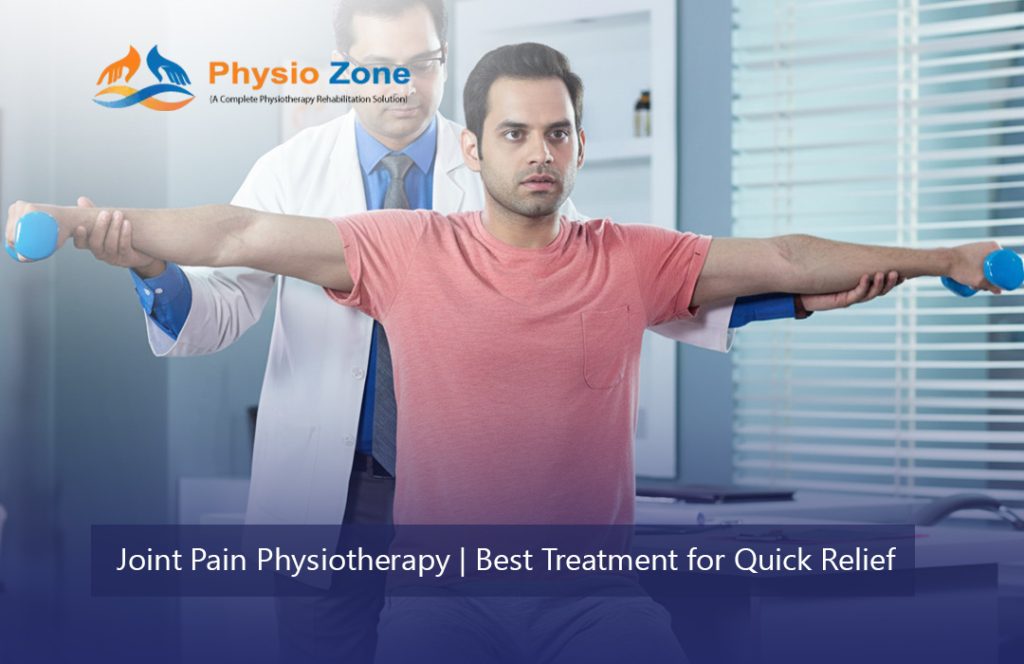
Joint Pain Physiotherapy; Best Treatment for Quick Relief

Joint pain is one of the most common problems people face today. It affects daily activities, makes movement difficult, and reduces overall quality of life. Joint pain physiotherapy is one of the safest and most effective treatments to reduce pain, improve mobility, and support long-term recovery. At PhysioZoneBD, we offer advanced physiotherapy for knee pain, shoulder pain, arthritis, back pain, and all types of joint issues. What Is Joint Pain Physiotherapy and How Does It Work? Joint pain physiotherapy is a treatment process that reduces pain, improves movement, and strengthens the muscles around the affected joints. It works by targeting the root cause of pain instead of giving temporary relief. Physiotherapists use different techniques such as manual therapy, stretching, exercise therapy, and electrotherapy to help the joint heal naturally. This treatment is safe, non-surgical, and suitable for people of all ages, especially those with chronic pain. Common Causes of Joint Pain Treated Through Physiotherapy Physiotherapy is effective for many joint-related problems. Some common causes include: Arthritis and osteoarthritis Sports injuries Cartilage damage Joint stiffness due to aging Overuse injuries Muscle imbalance Post-surgery joint weakness Poor posture and lifestyle habits Each of these conditions can be treated safely through joint pain physiotherapy. Benefits of Joint Pain Physiotherapy for Long-Term Relief There are many benefits of getting physiotherapy for joint pain, such as: Reduced swelling and inflammation Less stiffness and more flexibility Stronger muscles for better support Improved balance and mobility= Faster recovery from injuries Better posture and movement Long-term joint health without surgery Natural healing with no side effects Most patients start feeling improvement after a few sessions. When Should You See a Physiotherapist for Joint Pain? You should visit a physiotherapist when: Pain lasts more than one week You feel joint stiffness in the morning The pain increases during walking or exercise Your joint makes a cracking or grinding sound You face difficulty in bending, standing, or lifting You want a natural and safe treatment option Early treatment always gives better results. Key Techniques Used in Joint Pain Physiotherapy Physiotherapists use a combination of advanced techniques for maximum recovery. Manual Therapy for Joint Mobility Manual therapy involves hand-based techniques that help reduce tightness and improve movement. It includes joint mobilization, soft tissue massage, stretching, and manipulation. This treatment improves joint mobility, reduces stiffness, and increases blood flow. Exercise Therapy for Reducing Joint Stiffness Exercise therapy is one of the most effective parts of joint pain physiotherapy. It includes strengthening exercises, flexibility exercises, balance training, and controlled movement workouts. These exercises support the joint, reduce stiffness, and prevent future injuries. Electrotherapy for Faster Pain Reduction Electrotherapy uses machines like ultrasound, TENS, IFT, and laser therapy to reduce pain quickly. These methods relax muscles, reduce inflammation, and promote faster tissue healing. Most patients start feeling relief within a few sessions. Best Joint Pain Physiotherapy Exercises You Can Do at Home Here are some safe home exercises: Hamstring stretch – improves leg mobility Quad strengthening – supports knee joints Shoulder rotation – reduces shoulder stiffness Cat-cow stretch – improves spine movement Heel slide exercise – helps knee flexibility Always consult your physiotherapist before starting any exercise routine. How Joint Pain Physiotherapy Helps Avoid Surgery Many people think surgery is the only solution for joint pain. But in most cases, physiotherapy can solve the problem without surgery. Physiotherapy reduces inflammation, improves joint strength, restores movement, and helps the body heal naturally. This lowers the need for surgery and gives long-term relief. Tips to Get the Most Out of Your Joint Pain Physiotherapy Sessions To get better and faster results, follow these tips: Attend sessions regularly Do your home exercises as instructed Maintain correct posture Avoid heavy lifting Stay active and hydrated Inform your physiotherapist about any changes in pain Consistency is the key to full recovery. Joint Pain Physiotherapy for Elderly Patients Elderly people often suffer from chronic joint pain due to aging, arthritis, or weak muscles. Physiotherapy is the safest treatment for them because it uses gentle and controlled techniques. It helps improve mobility, reduce stiffness, and allows older adults to move independently again. Conclusion Joint pain physiotherapy is one of the best, safest, and most effective treatments for long-term relief. Whether you have knee pain, shoulder pain, arthritis, or back pain, physiotherapy can help you recover naturally. At PhysioZoneBD, our expert physiotherapists provide personalized treatment plans that ensure fast recovery and improved joint health. Frequently Asked Questions (FAQs) Can physiotherapy completely cure joint pain? Physiotherapy reduces pain, improves mobility, and heals the joint naturally. Many patients recover completely with regular therapy. How many sessions do I need for joint pain relief? Most patients need 5–10 sessions depending on the severity of the problem. Is physiotherapy safe for elderly people? Yes, physiotherapy is very safe for seniors because it uses gentle and controlled techniques. Can I do joint pain exercises at home? Yes, but follow only those exercises recommended by your physiotherapist. Does physiotherapy help avoid surgery? In most cases, physiotherapy helps avoid surgery by strengthening the joint and improving movement. What type of joint pain is treated with physiotherapy? Physiotherapy treats knee pain, shoulder pain, arthritis, hip pain, ankle pain, wrist pain, and back pain.

Joint Pain Physiotherapy; Best Treatment for Quick Relief Read More »

Pelvic Pain Relief Best Physiotherapy Solutions blog image

Pelvic Pain Relief; Best Physiotherapy Solutions

Understanding Pelvic Pain Relief: Common Causes Pelvic pain is a discomfort felt in the lower abdomen, hips, or groin area. It can affect both men and women, but women experience it more often due to gynecological or muscular issues. Common causes include muscle tension, pelvic floor dysfunction, endometriosis, urinary tract infections, and post-surgery complications. In many cases, the pain persists due to muscle imbalance or nerve compression around the pelvis. If left untreated, it may affect daily activities like walking, sitting, or even sleeping. This is where physiotherapy for pelvic pain relief plays a crucial role. How Physiotherapy Helps Relieve Pelvic Pain Physiotherapy provides non-invasive and drug-free solutions for pelvic pain. A certified physiotherapist first assesses the underlying cause—muscle weakness, joint stiffness, or nerve irritation—and then develops a customized treatment plan. Through targeted manual therapy, stretching, and strengthening exercises, physiotherapy restores pelvic stability and improves muscle coordination. It not only relieves pain but also prevents it from returning. At PhysioZone BD, our experienced physiotherapists use advanced techniques to ensure long-term pelvic pain relief and improved quality of life. Key Muscles Involved in Pelvic Pain The main muscles involved in pelvic pain include: Pelvic floor muscles: Support the bladder, uterus, and bowel. Hip muscles: Such as gluteus medius and minimus, which affect posture and balance. Abdominal muscles: Help stabilize the pelvis and lower spine. When these muscles become weak, tight, or imbalanced, they cause strain on surrounding tissues—leading to persistent pelvic discomfort. Strengthening and relaxing these muscles through guided physiotherapy sessions can make a remarkable difference. Effective Physiotherapy Techniques for Relief Modern physiotherapy offers several evidence-based techniques for pelvic pain relief, including: Myofascial Release Therapy – reduces muscle tension and improves blood flow. Trigger Point Therapy – targets painful muscle knots causing pelvic tightness. Biofeedback Training – helps you understand and control pelvic floor contractions. Electrical Stimulation (TENS) – eases pain by stimulating the nerves gently. These techniques are safe, effective, and performed under the supervision of professional physiotherapists. Simple At-Home Exercises for Pelvic Comfort Try these gentle exercises daily to improve pelvic comfort: Pelvic Tilts: Strengthen your core and reduce lower back strain. Kegel Exercises: Tighten and relax pelvic floor muscles to improve strength. Child’s Pose Stretch: Relieves tension in the hips and lower back. Deep Breathing Exercises: Promote muscle relaxation and stress reduction. Always consult a physiotherapist before starting any exercise routine to ensure proper technique and safety. Lifestyle Changes to Reduce Pelvic Discomfort Besides therapy, small lifestyle changes can bring significant improvement: Maintain a healthy posture while sitting or standing. Stay hydrated and eat a balanced diet rich in fiber. Avoid prolonged sitting and take regular movement breaks. Practice stress-relieving activities like yoga or meditation. Use supportive cushions while sitting for long hours. These adjustments, combined with professional physiotherapy, ensure faster healing and comfort. When to See a Physiotherapist for Pelvic Pain You should consult a physiotherapist if you experience: Chronic or sharp pain in the lower abdomen or hips Pain during walking, sitting, or bowel movements Postpartum pelvic discomfort or urinary incontinence Limited movement or stiffness in the pelvic area Early treatment ensures better results and prevents long-term complications. Recovery Tips for Long-Term Pain Management Long-term relief depends on consistency and awareness. ✅ Follow your physiotherapist’s advice regularly ✅ Maintain a proper posture during work and sleep ✅ Continue light exercises to strengthen pelvic muscles ✅ Avoid stress and heavy lifting that strain the pelvic area Remember, recovery is a gradual process, but professional physiotherapy helps you regain a pain-free and active life faster. Real-Life Success Stories of Pelvic Pain Relief Many patients at PhysioZone BD have successfully overcome chronic pelvic pain with personalized physiotherapy. One client suffered for months after childbirth but regained strength and mobility within weeks of consistent therapy. Another patient found lasting relief from muscle-related pelvic pain through manual therapy and guided exercises. Real results happen when you take the first step toward professional care. Conclusion Pelvic pain can affect your daily life and overall well-being, but with professional physiotherapy, lasting relief is possible. From diagnosis to customized treatment and recovery, PhysioZone BD provides comprehensive care for your pelvic health. If you’re struggling with pelvic pain, don’t wait—book an appointment today and take the first step toward a healthier, pain-free life. Frequently Asked Questions (FAQs) What causes pelvic pain in most people? Pelvic pain often results from muscle tension, pelvic floor dysfunction, or post-surgical strain. Can physiotherapy cure pelvic pain permanently? Yes, with consistent sessions and lifestyle changes, physiotherapy can provide long-term relief. How long does pelvic pain treatment take? Treatment duration varies, but most patients feel improvement within 4–6 sessions. Is pelvic pain therapy safe for women after childbirth? Absolutely. Postnatal physiotherapy helps restore strength and relieve discomfort safely. Can men also experience pelvic pain? Yes, men can suffer pelvic pain due to muscle strain, nerve compression, or prostate issues. Where can I get professional pelvic pain relief in Dhaka? You can visit PhysioZone BD, a trusted physiotherapy center offering expert care for pelvic pain relief.

Pelvic Pain Relief; Best Physiotherapy Solutions Read More »

Best Time to Start Physiotherapy blog image

Best Time to Start Physiotherapy for Fast Recovery

Best Time to Start Physiotherapy Starting physiotherapy at the right time can make a huge difference in your recovery speed and long-term health. Whether it’s after an injury, surgery, or chronic pain, physiotherapy helps your body heal naturally, restore movement, and prevent future complications. But the big question is — When is the best time to start physiotherapy? Many people wait too long, thinking pain will go away on its own. However, early physiotherapy treatment often leads to faster healing and less discomfort. Why Timing Matters in Physiotherapy Timing plays a vital role in how your body responds to treatment. When you begin physiotherapy at the right time, inflammation can be controlled, scar tissue reduced, and mobility restored faster. For example, starting too early after an injury may cause strain, while waiting too long might make muscles stiff and weak. That’s why professional physiotherapists assess your condition before recommending the right starting time. At PhysioZone BD, we evaluate your pain level, movement limitation, and healing stage before starting physical therapy to ensure safe and effective results. Signs You Should Start Physiotherapy You should consider starting physiotherapy if you notice any of the following signs: Persistent pain lasting more than a few days Limited range of motion Swelling or stiffness in joints Muscle weakness after injury Difficulty performing daily activities Post-surgery discomfort or stiffness If any of these sound familiar, don’t wait — it’s time to consult a licensed physiotherapist for early intervention. Early vs. Late Physiotherapy: What’s Better? Early physiotherapy typically offers better results. Starting treatment soon after an injury (under professional advice) helps reduce swelling, improve flexibility, and restore muscle strength faster. Late physiotherapy, on the other hand, often means dealing with prolonged pain, reduced mobility, and slower healing. Muscles may weaken, and joint stiffness can worsen — making recovery longer and more challenging. So, the best time to start physiotherapy is as soon as your doctor or therapist allows movement and gentle exercise. How Injuries Heal with Timely Physiotherapy Physiotherapy encourages the natural healing process through targeted exercises, manual therapy, and pain management techniques. When started on time: Blood circulation improves Inflammation reduces faster Muscles regain strength gradually Joints become flexible again The body heals naturally without dependency on painkillers At PhysioZone BD, our physiotherapists create personalized recovery plans that adapt to each stage of healing. Post-Surgery: When to Begin Physiotherapy After surgery, your doctor usually recommends starting physiotherapy within a few days or weeks. Early movement helps prevent stiffness and restore mobility. For example: Knee or joint replacement: Start physiotherapy within 24–48 hours (under guidance). Fracture recovery: Begin after your doctor confirms bone stability. Spine or back surgery: Usually starts within 1–2 weeks for gentle mobility exercises. Always follow your surgeon’s or physiotherapist’s advice before starting. Physiotherapy After Accidents or Sports Injuries Sports injuries or road accidents often cause muscle tears, ligament sprains, or joint damage. Starting physiotherapy early helps prevent long-term disability. Immediate therapy (after the acute pain subsides) can restore balance, coordination, and confidence during recovery. At PhysioZone BD, our injury rehabilitation programs are designed to bring athletes and accident patients back to active life safely. How Delaying Physiotherapy Affects Recovery Delaying physiotherapy can lead to: Muscle stiffness and joint immobility Chronic pain and poor posture Slower healing and longer recovery time Dependence on medication In many cases, untreated pain can become permanent. That’s why timely physiotherapy is crucial for preventing future complications. Expert Tips to Maximize Your Recovery Start physiotherapy early — don’t wait for pain to worsen. Follow home exercises as instructed by your therapist. Stay consistent — skipping sessions delays progress. Communicate openly with your physiotherapist. Listen to your body — avoid overexertion or sudden movements. Final Thoughts: Listen to Your Body and Your Therapist The best time to start physiotherapy is when your body is ready — not too soon, and not too late. With proper guidance, early intervention ensures better healing, less pain, and improved mobility. If you’re recovering from an injury, surgery, or chronic pain, don’t delay. Book your physiotherapy consultation today at PhysioZone BD and take the first step toward a pain-free life. Conclusion Starting physiotherapy at the right time helps you heal faster and live stronger. Delaying treatment can slow down progress, but with expert care, your recovery can be smooth and effective. PhysioZone BD is always here to guide you with personalized, professional therapy sessions designed for your unique condition. Frequently Asked Questions (FAQs) When is the best time to start physiotherapy after injury? Usually, within 24–72 hours after your doctor approves. Early sessions help reduce swelling and pain. Can I start physiotherapy immediately after surgery? In most cases, yes — but always consult your surgeon first. Gentle exercises often start within a few days. What happens if I delay physiotherapy? Delays can cause stiffness, slow healing, and long-term pain. Early physiotherapy ensures faster recovery. How many physiotherapy sessions do I need? It depends on your condition. Your therapist will create a customized plan based on your progress. Is home physiotherapy effective? Yes, when guided by a professional. Home-based exercises complement in-clinic sessions for faster healing. Where can I get expert physiotherapy in Dhaka? Visit PhysioZone BD — your trusted physiotherapy center in Dhaka for injury, post-surgery, and pain management care.

Best Time to Start Physiotherapy for Fast Recovery Read More »

নারী স্বাস্থ্যে ফিজিওথেরাপি ব্যথামুক্ত জীবনের পথে blog image

নারী স্বাস্থ্যে ফিজিওথেরাপি; ব্যথামুক্ত জীবনের পথে

নারীর শারীরিক স্বাস্থ্যে ফিজিওথেরাপির গুরুত্ব নারী স্বাস্থ্যে ফিজিওথেরাপি শুধু শারীরিক ব্যথা কমানোর জন্য নয়, বরং এটি নারীর সার্বিক সুস্থতার এক গুরুত্বপূর্ণ অংশ। দৈনন্দিন জীবনে কাজের চাপ, গৃহস্থালির দায়িত্ব ও হরমোন পরিবর্তনের কারণে অনেক নারী মেরুদণ্ড, কোমর, ঘাড় বা পেলভিক অঞ্চলের ব্যথায় ভোগেন। এই অবস্থায় ফিজিওথেরাপি চিকিৎসা ব্যথা কমিয়ে শরীরকে পুনরায় সক্রিয় ও শক্তিশালী করে তোলে। নিয়মিত ফিজিওথেরাপি সেশন নিলে দেহের নমনীয়তা বাড়ে এবং অঙ্গ-প্রত্যঙ্গের রক্ত সঞ্চালন উন্নত হয়। গর্ভাবস্থায় ফিজিওথেরাপির ভূমিকা গর্ভাবস্থার সময় শরীরের ওজন বৃদ্ধি ও হরমোন পরিবর্তনের কারণে কোমর ও পিঠে ব্যথা হওয়া খুব স্বাভাবিক। গর্ভাবস্থায় ফিজিওথেরাপি ব্যথা কমাতে ও শরীরকে আরাম দিতে সাহায্য করে। বিশেষ ব্যায়াম ও থেরাপি পদ্ধতি মা ও শিশুর উভয়ের জন্য নিরাপদ এবং প্রসবের প্রস্তুতিতেও সহায়ক। সন্তান জন্মের পর ব্যথা উপশমে ফিজিওথেরাপি প্রসবের পর নারীরা পেলভিক ফ্লোর দুর্বলতা, কোমর ব্যথা বা মূত্র নিয়ন্ত্রণ সমস্যায় ভুগে থাকেন। এই সময়ে ফিজিওথেরাপি ব্যায়াম মাংসপেশিকে পুনরুজ্জীবিত করে এবং শরীরের ভারসাম্য ফিরিয়ে আনে। ফিজিওথেরাপি নেওয়া হলে শরীর দ্রুত স্বাভাবিক অবস্থায় ফিরে আসে, যা ব্যথামুক্ত জীবনের প্রথম ধাপ। হরমোন পরিবর্তনে শরীরের যত্নে ফিজিওথেরাপি হরমোন পরিবর্তন নারীর শরীরে নানা শারীরিক পরিবর্তন আনে, যেমন জয়েন্টে ব্যথা, ক্লান্তি ও মেজাজের ওঠানামা। নারী স্বাস্থ্যে ফিজিওথেরাপি এই পরিবর্তনগুলিকে নিয়ন্ত্রণে রাখে। বিশেষ করে বয়সজনিত হরমোন ভারসাম্যহীনতা দূর করতে এটি কার্যকর ভূমিকা পালন করে। পেলভিক পেইন ও ফিজিওথেরাপির সমাধান পেলভিক ব্যথা নারীদের জন্য অত্যন্ত অস্বস্তিকর একটি সমস্যা। এটি অনেক সময় প্রসব-পরবর্তী দুর্বলতা বা মাসিকের অনিয়ম থেকে হতে পারে। ফিজিওথেরাপি থেরাপিস্টরা পেলভিক ফ্লোর এক্সারসাইজ, ম্যানুয়াল থেরাপি ও ইলেক্ট্রোথেরাপির মাধ্যমে এই ব্যথার দীর্ঘমেয়াদী সমাধান প্রদান করেন। মাসিকের ব্যথা নিয়ন্ত্রণে ফিজিওথেরাপি কৌশল অনেক নারী মাসিকের সময় তীব্র পেট ও কোমর ব্যথায় ভোগেন। ফিজিওথেরাপির মাধ্যমে রক্তসঞ্চালন বৃদ্ধি ও পেশি শিথিল করার ব্যায়াম ব্যথা উপশমে কার্যকর। ফিজিওথেরাপি ছাড়াও হালকা যোগব্যায়াম, গরম সেঁক ও শ্বাস-প্রশ্বাস নিয়ন্ত্রণ কৌশল এই সময় আরাম দেয়। নারীর মানসিক স্বাস্থ্যে ফিজিওথেরাপির প্রভাব শরীর সুস্থ থাকলে মনও ভালো থাকে। ফিজিওথেরাপি শুধু শারীরিক নয়, মানসিক প্রশান্তিও আনে। নিয়মিত ফিজিওথেরাপি সেশন মানসিক চাপ ও উদ্বেগ কমাতে সহায়তা করে, যা নারীদের মানসিক ভারসাম্য রক্ষায় গুরুত্বপূর্ণ। ব্যথামুক্ত ও সক্রিয় জীবনের জন্য নিয়মিত ব্যায়াম নারী স্বাস্থ্যের যত্ন নিতে দৈনন্দিন হালকা ব্যায়াম অপরিহার্য। নিয়মিত ব্যায়াম শরীরের শক্তি ও স্থিতিস্থাপকতা বজায় রাখে। সপ্তাহে অন্তত ৩ দিন ৩০ মিনিটের ব্যায়াম করলে পেশি শক্তিশালী হয় এবং ভবিষ্যৎ ব্যথা প্রতিরোধ করা যায়। ঘরে বসে সহজ ফিজিওথেরাপি টিপস প্রতিদিন সকালে ১০ মিনিট স্ট্রেচিং করুন। দীর্ঘক্ষণ বসে কাজ করলে প্রতি ৩০ মিনিট পর শরীর নাড়াচাড়া করুন। সঠিক ভঙ্গিতে বসুন ও হাই হিল পরা এড়িয়ে চলুন। প্রয়োজনে অনলাইন ফিজিওথেরাপি সেশন বুক করুন PhysioZoneBD.com থেকে। প্রায়শই জিজ্ঞাসিত প্রশ্ন (FAQ) ১. নারী স্বাস্থ্যে ফিজিওথেরাপি কেন প্রয়োজন? এটি ব্যথা কমায়, শরীরের নমনীয়তা বাড়ায় এবং নারীর শারীরিক ও মানসিক সুস্থতা নিশ্চিত করে। ২. গর্ভাবস্থায় ফিজিওথেরাপি কি নিরাপদ? হ্যাঁ, বিশেষজ্ঞের পরামর্শ অনুযায়ী করলে এটি সম্পূর্ণ নিরাপদ এবং মা ও শিশুর জন্য উপকারী। ৩. পেলভিক পেইন কত দিনে ভালো হয়? ব্যথার মাত্রা অনুযায়ী সময় ভিন্ন হতে পারে, তবে নিয়মিত থেরাপিতে কয়েক সপ্তাহের মধ্যেই উন্নতি দেখা যায়। ৪. মাসিকের ব্যথায় ফিজিওথেরাপি কিভাবে সাহায্য করে? রক্ত সঞ্চালন বাড়িয়ে ও পেশি শিথিল করে ব্যথা কমাতে সহায়তা করে। ৫. ফিজিওথেরাপি নিলে কি ওষুধ খাওয়া লাগে না? বেশিরভাগ ক্ষেত্রে ফিজিওথেরাপি ব্যথা উপশমে যথেষ্ট, তবে প্রয়োজনে চিকিৎসকের পরামর্শে ওষুধ নেওয়া যেতে পারে। ৬. ঘরে বসে ফিজিওথেরাপি করা কি কার্যকর? হ্যাঁ, যদি থেরাপিস্টের নির্দেশনা মেনে নিয়মিত করা হয়, তাহলে ঘরে বসেই ভালো ফল পাওয়া যায়। উপসংহার নারী স্বাস্থ্যে ফিজিওথেরাপি হলো ব্যথামুক্ত ও সক্রিয় জীবনের জন্য এক অনন্য সমাধান। গর্ভাবস্থা, সন্তান জন্মের পর কিংবা হরমোন পরিবর্তনের সময় — প্রতিটি ধাপে এটি নারীর শরীর ও মনের ভারসাম্য রক্ষায় কার্যকর ভূমিকা রাখে। সঠিক সময় থেরাপি নেওয়া ও বিশেষজ্ঞের পরামর্শ অনুসরণ করলে নারী সহজেই ফিরে পেতে পারেন এক সুস্থ, স্বাভাবিক ও প্রাণবন্ত জীবন।

নারী স্বাস্থ্যে ফিজিওথেরাপি; ব্যথামুক্ত জীবনের পথে Read More »

বয়স্কদের জন্য ফিজিওথেরাপি blog image

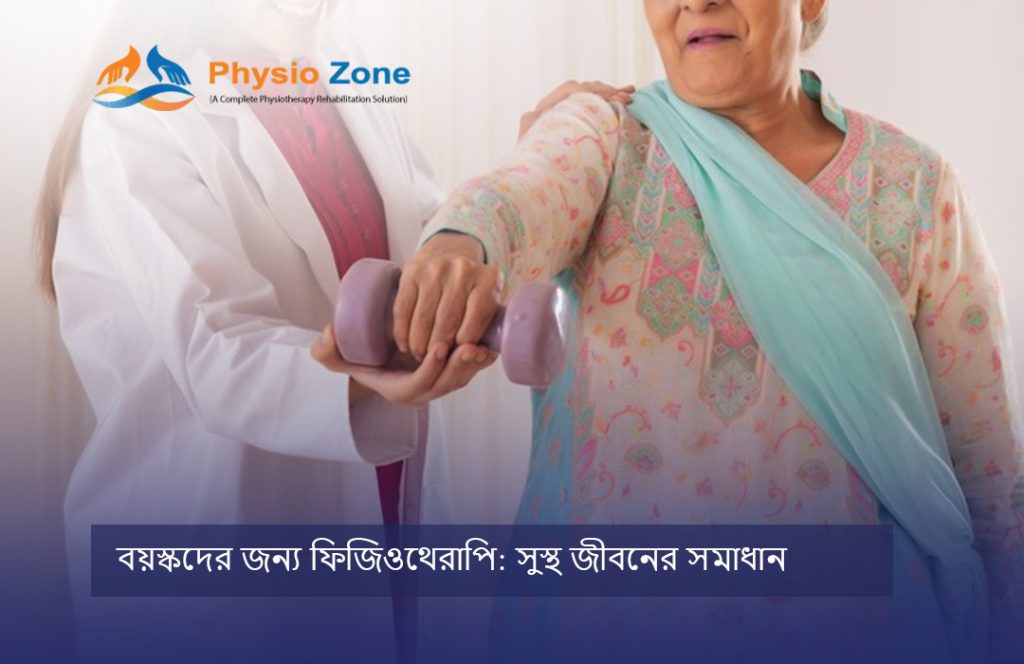
বয়স্কদের জন্য ফিজিওথেরাপি; সুস্থ জীবনের সমাধান

বয়স বাড়ার সঙ্গে সঙ্গে শরীরের শক্তি, ভারসাম্য, এবং চলাফেরার সক্ষমতা ধীরে ধীরে কমে যায়। এই অবস্থায় বয়স্কদের জন্য ফিজিওথেরাপি হতে পারে একটি নিরাপদ, কার্যকর ও প্রাকৃতিক সমাধান। এটি শুধু ব্যথা কমায় না, বরং শরীরের পুনরুদ্ধার ও দৈনন্দিন জীবনে স্বাধীনতা ফিরিয়ে আনে। বয়স্কদের ফিজিওথেরাপি কেন গুরুত্বপূর্ণ বয়স্ক ব্যক্তিদের মধ্যে হাড়ের ক্ষয়, পেশির দুর্বলতা, জয়েন্টের ব্যথা, আর্থ্রাইটিস, এবং হাঁটাচলার সমস্যাগুলো অনেক সাধারণ। এসব ক্ষেত্রে ওষুধের চেয়ে ফিজিওথেরাপি অনেক বেশি কার্যকর ও পার্শ্বপ্রতিক্রিয়ামুক্ত। ফিজিওথেরাপি শরীরের প্রাকৃতিক গতিশীলতা ফিরিয়ে এনে ব্যথা কমাতে সাহায্য করে এবং জীবনযাত্রার মান উন্নত করে। বার্ধক্যে শরীরের সাধারণ সমস্যা বয়স্কদের মধ্যে নিচের শারীরিক সমস্যাগুলো বেশি দেখা যায় — কোমর ও হাঁটুর ব্যথা পেশির দুর্বলতা ভারসাম্য হারানো ও পড়ে যাওয়ার ঝুঁকি জয়েন্টে শক্তভাব ঘাড় ও পিঠের ব্যথা স্নায়বিক দুর্বলতা বা প্যারালাইসিস এসব সমস্যা নিয়ন্ত্রণে আনতে ফিজিওথেরাপি সেশন খুবই কার্যকর। ফিজিওথেরাপি কিভাবে সুস্থ জীবন গড়ে তোলে ফিজিওথেরাপি শুধু চিকিৎসা নয়, এটি একটি পূর্ণাঙ্গ পুনর্বাসন প্রক্রিয়া। পেশি ও জয়েন্টের কাজের উন্নতি, শরীরের ভারসাম্য রক্ষা এবং ব্যথা কমাতে এটি অসাধারণভাবে কাজ করে। অভিজ্ঞ ফিজিওথেরাপিস্টরা রোগীর শারীরিক অবস্থা অনুযায়ী ব্যক্তিগত থেরাপি প্ল্যান তৈরি করেন, যা দ্রুত সুস্থ হতে সাহায্য করে। বাড়িতে বয়স্কদের জন্য সহজ ফিজিও এক্সারসাইজ যেসব বয়স্ক ব্যক্তি ক্লিনিকে যেতে পারেন না, তারা বাড়িতেই কিছু সহজ ব্যায়াম করতে পারেন — লেগ রেইজ: হাঁটুর জয়েন্ট মজবুত করতে সাহায্য করে। আর্ম স্ট্রেচ: কাঁধের শক্তি বাড়ায়। সিট টু স্ট্যান্ড এক্সারসাইজ: ভারসাম্য ও পেশির শক্তি উন্নত করে। অ্যাঙ্কল সার্কেল: পায়ের রক্ত চলাচল বাড়ায়। এই ব্যায়ামগুলো প্রতিদিন ১০–১৫ মিনিট করলে ব্যথা কমে ও চলাফেরায় আরাম পাওয়া যায়। ব্যথা ও চলাফেরার উন্নতিতে ফিজিওথেরাপির ভূমিকা বয়স্কদের জন্য ফিজিওথেরাপির মূল লক্ষ্য হলো ব্যথা কমানো ও স্বাধীনভাবে চলাফেরা নিশ্চিত করা। ফিজিওথেরাপিস্টরা ম্যানুয়াল থেরাপি, হট-প্যাক, ইলেকট্রোথেরাপি, এবং ব্যালেন্স ট্রেনিং ব্যবহার করে ব্যথা ও অস্বস্তি নিয়ন্ত্রণ করেন। নিয়মিত থেরাপি নিলে হাঁটাচলা, বসা-উঠা, এমনকি সিঁড়ি ওঠার মতো কাজেও স্বস্তি আসে। নিরাপদ ফিজিওথেরাপি নেওয়ার সঠিক পদ্ধতি সবসময় রেজিস্টার্ড ফিজিওথেরাপিস্টের পরামর্শ নিন। থেরাপির আগে সম্পূর্ণ শারীরিক মূল্যায়ন করান। ব্যায়াম করার সময় ব্যথা অনুভব করলে থামুন ও থেরাপিস্টকে জানান। নিয়মিত ফলো-আপ সেশন বজায় রাখুন। নিরাপদ ও পেশাদার থেরাপি বয়স্কদের দীর্ঘমেয়াদী স্বাস্থ্যের নিশ্চয়তা দেয়। পেশাদার ফিজিওথেরাপিস্টের পরামর্শ কেন জরুরি অনেকেই নিজের মতো করে ব্যায়াম শুরু করেন, যা কখনও কখনও ক্ষতির কারণ হতে পারে। একজন পেশাদার ফিজিওথেরাপিস্ট রোগীর স্বাস্থ্য অবস্থা, বয়স, ও সমস্যা অনুযায়ী উপযুক্ত থেরাপি নির্ধারণ করেন। তাছাড়া, তাঁরা থেরাপির অগ্রগতি নিয়মিত পর্যবেক্ষণ করে প্রয়োজন অনুযায়ী পরিবর্তন করেন। ফিজিওথেরাপি শুরু করার আগে যা জানা দরকার চিকিৎসকের পরামর্শ নিন। নিজের শারীরিক সীমাবদ্ধতা সম্পর্কে সচেতন থাকুন। আরামদায়ক পোশাক পরিধান করুন। পর্যাপ্ত পানি পান করুন ও নিয়মিত থেরাপি সেশন বজায় রাখুন। এই প্রস্তুতিগুলো নিলে থেরাপির ফলাফল দ্রুত ও দীর্ঘস্থায়ী হয়। ফিজিওথেরাপির মাধ্যমে বয়স্কদের মানসিক স্বস্তি শারীরিক ব্যথা শুধু শরীর নয়, মানসিক চাপও তৈরি করে। ফিজিওথেরাপির মাধ্যমে শরীর যখন পুনরুজ্জীবিত হয়, তখন আত্মবিশ্বাস ও মানসিক শান্তি ফিরে আসে। বয়স্করা আবারও সক্রিয় জীবনযাপন করতে পারেন — হাঁটতে, হাসতে, এবং জীবনের আনন্দ উপভোগ করতে পারেন।  প্রায়শই জিজ্ঞাসিত প্রশ্ন ১. বয়স্কদের ফিজিওথেরাপি কতদিন করা উচিত? উত্তর: সমস্যার ধরন অনুযায়ী ৪–৬ সপ্তাহের সেশন যথেষ্ট কার্যকর হয়। ২. বাড়িতে ফিজিওথেরাপি নেওয়া কি নিরাপদ? হ্যাঁ, অভিজ্ঞ থেরাপিস্টের তত্ত্বাবধানে নিরাপদভাবে করা যায়। ৩. ফিজিওথেরাপি কি ওষুধের বিকল্প হতে পারে? অনেক ক্ষেত্রেই ফিজিওথেরাপি ওষুধ ছাড়াই ব্যথা কমাতে সক্ষম। শেষ কথা বয়স্কদের জন্য ফিজিওথেরাপি শুধু ব্যথা কমানোর উপায় নয়, এটি এক সুস্থ, সক্রিয় ও সুখী জীবনের পথ। আপনার প্রিয়জনদের জীবনে স্বস্তি ও আত্মবিশ্বাস ফেরাতে আজই ফিজিওথেরাপি শুরু করুন। পেশাদার ও নিরাপদ থেরাপির জন্য যোগাযোগ করুন – PhysioZoneBD.com

বয়স্কদের জন্য ফিজিওথেরাপি; সুস্থ জীবনের সমাধান Read More »

ফিজিওথেরাপি কেন দেওয়া হয়

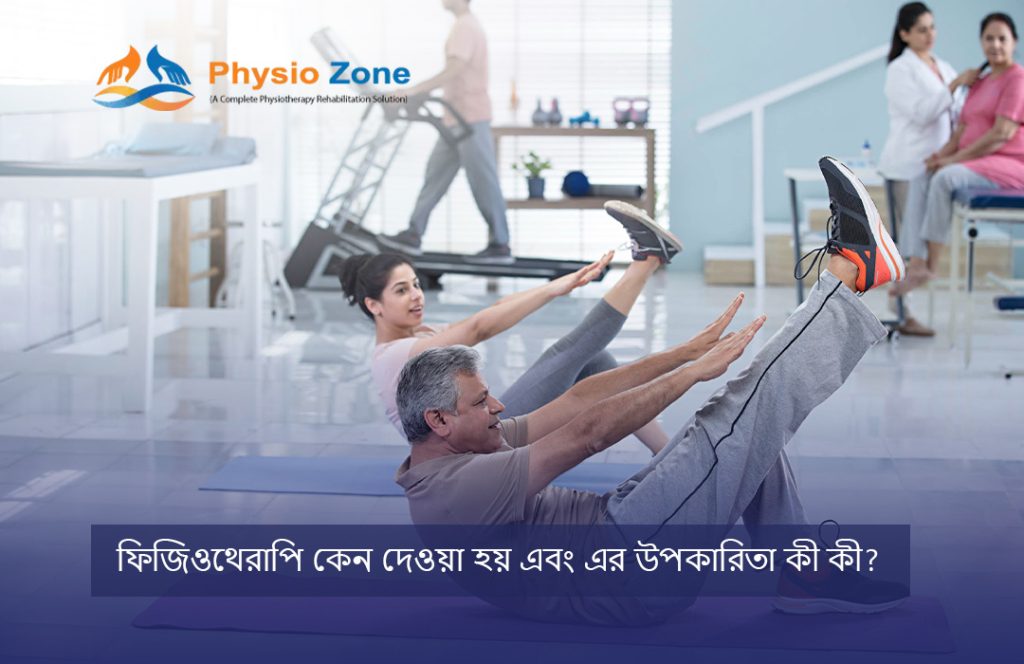
ফিজিওথেরাপি কেন দেওয়া হয় এবং এর উপকারিতা কী কী?

শরীরের ব্যথা, আঘাতের পর পুনর্বাসন, বা দীর্ঘমেয়াদী শারীরিক সমস্যার সমাধানে ফিজিওথেরাপি একটি কার্যকর চিকিৎসা পদ্ধতি। অনেকেই প্রশ্ন করেন—ফিজিওথেরাপি কেন দেওয়া হয়? এবং এর আসল উপকারিতা কী? এই লেখায় আমরা সহজ ভাষায় এর উত্তর খুঁজব, যাতে পাঠকরা বুঝতে পারেন কেন এই চিকিৎসা এত গুরুত্বপূর্ণ। ফিজিওথেরাপি কেন দেওয়া হয়: সহজ ভাষায় ব্যাখ্যা ফিজিওথেরাপি হলো এক ধরনের চিকিৎসা যেখানে বিশেষজ্ঞরা ব্যায়াম, ম্যাসাজ, ম্যানুয়াল থেরাপি, হিট থেরাপি, ইলেকট্রিক থেরাপি ইত্যাদি ব্যবহার করেন। এর মূল উদ্দেশ্য হলো – ব্যথা কমানো চলাফেরার স্বাভাবিকতা ফিরিয়ে আনা শরীরের ক্ষতিগ্রস্ত অংশ পুনরায় শক্তিশালী করা অস্ত্রোপচার ছাড়াই স্বাভাবিক সুস্থতা ফিরিয়ে আনা ফিজিওথেরাপি উপকারিতা: শরীরের জন্য কতটা কার্যকর? ফিজিওথেরাপির উপকারিতা অসংখ্য। বিশেষ করে – ব্যথা উপশম: কোমর ব্যথা, ঘাড় ব্যথা, জয়েন্ট পেইন ইত্যাদি দূর হয়। শরীরের শক্তি বৃদ্ধি: দুর্বল মাংসপেশি শক্তিশালী হয়। সঠিক অঙ্গভঙ্গি (Posture) বজায় রাখতে সাহায্য করে। নড়াচড়ার স্বাধীনতা বাড়ায়। চিকিৎসকেরা কখন ফিজিওথেরাপি দেওয়ার পরামর্শ দেন ডাক্তাররা সাধারণত ফিজিওথেরাপির পরামর্শ দেন যদি – হাড় ভাঙা বা আঘাতের পর দ্রুত সুস্থতা দরকার হয় দীর্ঘমেয়াদী ব্যথা (chronic pain) থাকে স্পোর্টস ইনজুরি হয় সার্জারির পর মুভমেন্ট কমে যায় স্নায়বিক সমস্যা (neurological condition) থাকে ফিজিওথেরাপি কেন দেওয়া হয় ব্যথা কমাতে? অনেক সময় ঔষধ খাওয়া সত্ত্বেও ব্যথা পুরোপুরি কমে না। তখন ফিজিওথেরাপি কার্যকর ভূমিকা রাখে। বিশেষ ব্যায়াম, আল্ট্রাসাউন্ড থেরাপি, ইলেকট্রিক স্টিমুলেশন ব্যবহার করে ব্যথার মূল উৎস নিরাময় করা হয়, শুধু সাময়িক উপশম নয়। অস্ত্রোপচারের পর ফিজিওথেরাপি উপকারিতা অস্ত্রোপচারের পর অনেক রোগীর মাংসপেশি দুর্বল হয়ে যায়। তখন ফিজিওথেরাপি – ক্ষতস্থানে রক্ত সঞ্চালন বাড়ায় দ্রুত সুস্থ হতে সাহায্য করে চলাফেরা সহজ করে ওষুধের প্রয়োজনীয়তা কমিয়ে দেয় দুর্ঘটনা বা আঘাতের পর কেন ফিজিওথেরাপি দেওয়া হয় দুর্ঘটনা বা আঘাতের পর শরীরের বিভিন্ন অংশে অচলাবস্থা তৈরি হয়। ফিজিওথেরাপির মাধ্যমে – অঙ্গ-প্রত্যঙ্গের কার্যকারিতা ফিরিয়ে আনা হয় আঘাতপ্রাপ্ত অংশ শক্তিশালী হয় স্থায়ী জটিলতা এড়ানো যায় বয়স্কদের জন্য ফিজিওথেরাপি উপকারিতা বয়স্করা সাধারণত হাঁটাচলার সমস্যায় ভোগেন। ফিজিওথেরাপি – হাঁটাচলা সহজ করে জয়েন্ট পেইন কমায় হাড় শক্তিশালী করে পড়ে যাওয়ার ঝুঁকি কমায় নারী স্বাস্থ্যে ফিজিওথেরাপি কেন গুরুত্বপূর্ণ নারীদের গর্ভাবস্থা বা সন্তান জন্মদানের পর শরীরে পরিবর্তন আসে। ফিজিওথেরাপি – পেলভিক ফ্লোর শক্তিশালী করে ব্যাক পেইন ও কোমর ব্যথা কমায় প্রসব-পরবর্তী পুনর্বাসনে সাহায্য করে শিশুদের কেন ফিজিওথেরাপি দেওয়া হয়? শিশুদের মধ্যে জন্মগত কিছু শারীরিক সমস্যা বা বিলম্বিত মুভমেন্ট (Delayed motor skills) দেখা যায়। ফিজিওথেরাপি – শিশুদের সঠিকভাবে হাঁটা, দাঁড়ানো, চলাফেরায় সহায়তা করে বিকাশে গতি আনে আত্মবিশ্বাস বাড়ায় দীর্ঘমেয়াদে ফিজিওথেরাপি উপকারিতা: সুস্থ জীবনের পথে নিয়মিত ফিজিওথেরাপি নিলে – দীর্ঘস্থায়ী ব্যথা দূরে থাকে সুস্থ জীবনযাপন সহজ হয় ওষুধ নির্ভরতা কমে যায় শরীর সর্বদা ফিট থাকে প্রায়শই জিজ্ঞাসিত প্রশ্ন ফিজিওথেরাপি কেন দেওয়া হয়? ব্যথা কমানো, চলাফেরার ক্ষমতা বাড়ানো এবং আঘাতের পর দ্রুত সুস্থ করার জন্য। ফিজিওথেরাপি কি সব রোগের জন্য প্রযোজ্য? না, মূলত মাংসপেশি, হাড়-জয়েন্ট, স্নায়বিক এবং আঘাতজনিত সমস্যার জন্য কার্যকর। ফিজিওথেরাপি করলে কি ওষুধ খাওয়া বন্ধ করতে হবে? সবসময় নয়, তবে অনেক ক্ষেত্রে ওষুধের প্রয়োজনীয়তা উল্লেখযোগ্যভাবে কমে যায়। বয়স্কদের জন্য ফিজিওথেরাপি কতটা উপকারী? হাঁটাচলা সহজ করে, জয়েন্ট ব্যথা কমায় এবং জীবনের মান উন্নত করে। ফিজিওথেরাপি করতে কতদিন লাগে ফল পেতে? সমস্যার ধরণ অনুযায়ী ভিন্ন হয়। তবে নিয়মিত থেরাপি নিলে কয়েক সপ্তাহেই উন্নতি দেখা যায়। ফিজিওথেরাপি কি ব্যথাহীন চিকিৎসা? হ্যাঁ, অধিকাংশ ক্ষেত্রে এটি ব্যথাহীন ও নিরাপদ চিকিৎসা।

ফিজিওথেরাপি কেন দেওয়া হয় এবং এর উপকারিতা কী কী? Read More »

Message Us on WhatsApp