Skip to content
Sat–Thu · 10 am–9 pm · Uttara, Dhaka

Blogs

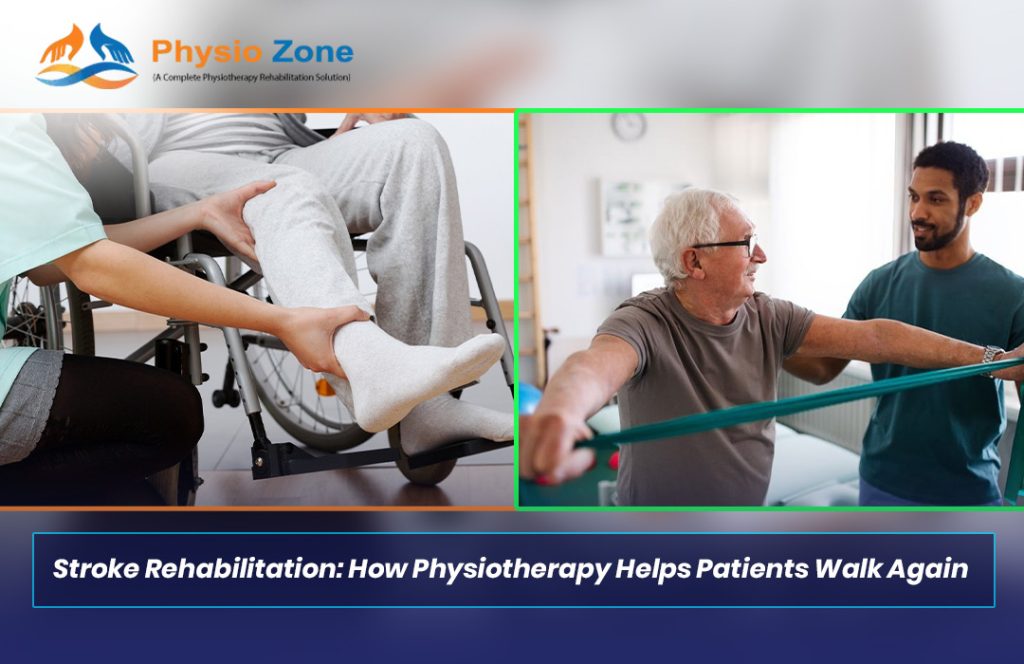
Stroke Rehabilitation: How Physiotherapy Helps Patients Walk Again

A stroke can suddenly affect a person’s ability to move, walk, speak, or perform daily activities. Many stroke survivors experience muscle weakness, balance problems, and loss of coordination. The good news is that structured physiotherapy rehabilitation plays a vital role in helping stroke patients regain movement, rebuild strength, and learn to walk again safely. Early and consistent therapy greatly improves recovery outcomes and independence. What Happens to the Body After a Stroke? A stroke occurs when blood supply to part of the brain is interrupted. Because the brain controls movement, damage can lead to: Weakness on one side of the body (hemiparesis) Difficulty standing or walking Poor balance and coordination Muscle stiffness or spasticity Reduced hand control Fatigue and low endurance The severity varies from person to person, but almost all patients benefit from rehabilitation therapy. Why Early Stroke Rehabilitation Is So Important Starting physiotherapy as early as medically safe helps the brain relearn movement patterns. This process is called neuroplasticity, where the brain forms new connections to restore lost functions. Early rehabilitation helps: ✔ Prevent muscle shortening and joint stiffness ✔ Improve blood circulation ✔ Reduce risk of bed sores ✔ Restore sitting and standing balance ✔ Speed up walking recovery Patients who begin therapy early often regain independence faster. How Physiotherapy Helps Stroke Patients Walk Again Physiotherapy treatment follows a structured recovery plan. 1. Bed Mobility Training Therapists first help patients learn: Turning in bed Sitting upright Moving safely from bed to chair These basic movements are essential before standing practice. 2. Sitting Balance Exercises Patients practice maintaining upright sitting posture and shifting weight safely. Good sitting control is the foundation for standing and walking. 3. Standing Training With therapist support, patients gradually: Put weight on affected leg Strengthen core muscles Improve posture alignment Build confidence in standing 4. Gait (Walking) Training Walking recovery is done step-by-step using: Parallel bars Walker support Assisted stepping exercises Balance coordination drills Over time, patients progress toward independent walking. Important Physiotherapy Exercises for Stroke Recovery ⚠ Always perform under professional supervision. Assisted Leg Lifts Help the affected leg lift slowly while lying down. Repeat 10 times to rebuild muscle activation. Seated Marching Exercise While sitting, slowly lift one knee at a time. Improves hip control and walking preparation. Supported Standing Weight Shift Stand with support and gently shift weight from one leg to another. This train’s balance is needed for walking. Heel-Toe Practice With therapist guidance, practice stepping forward slowly, placing heel first then toe. Helps retrain natural walking patterns. How Long Does Stroke Rehabilitation Take? Recovery time varies depending on: Stroke severity Age and overall health Speed of starting therapy Consistency of rehabilitation Family support and home exercise Some patients improve within months, while others may require long-term therapy. Continuous rehabilitation always produces better results than stopping early. Family Support Is Critical for Recovery Family involvement greatly improves stroke outcomes. Caregivers should: ✔ Encourage daily exercises ✔ Help maintain safe walking environment ✔ Support emotional motivation ✔ Attend therapy sessions when possible ✔ Ensure medication and follow-ups are maintained A positive recovery environment helps rebuild patient confidence. When Should Stroke Patients Start Physiotherapy? Physiotherapy should begin as soon as the doctor confirms medical stability. Seek professional rehabilitation immediately if the patient has: Difficulty standing Weak arm or leg movement Balance problems Trouble walking Muscle stiffness Delaying therapy can slow down recovery and increase long-term disability risk. Conclusion Stroke recovery is a gradual journey, but physiotherapy rehabilitation offers the best chance for regaining mobility and independence. With early intervention, structured walking training, and consistent exercises, many stroke survivors can successfully relearn how to stand, walk, and perform daily activities again. Professional physiotherapy guidance ensures safe recovery, reduces complications, and helps patients return to a more active and independent life.

Stroke Rehabilitation: How Physiotherapy Helps Patients Walk Again Read More »

Why Your Knee Hurts Without Injury – Causes & Physiotherapy Treatment

Knee pain does not always happen because of an accident or sports injury. Many people experience knee discomfort gradually without any clear trauma. This type of knee pain is often caused by muscle weakness, joint stress, posture problems, or age-related changes. Understanding the real cause of knee pain without injury is important because early physiotherapy treatment can prevent long-term joint damage and restore normal movement. Common Reasons for Knee Pain Without Injury 1. Muscle Weakness Around the Knee Weak thigh (quadriceps) and hip muscles cannot properly support the knee joint. This increases pressure on the joint during walking, climbing stairs, or standing up. 2. Poor Walking or Standing Posture Incorrect body alignment while walking or standing places uneven stress on the knee. Over time, this leads to inflammation and pain even without injury. 3. Cartilage Wear and Early Arthritis As people age, the cartilage that cushions the knee joint may slowly wear down. This causes stiffness, mild swelling, and pain during movement. 4. Patellofemoral Pain Syndrome This occurs when the kneecap does not move properly in its groove. It commonly causes: Pain while climbing stairs Pain after long sitting Clicking sound in knee Discomfort while squatting This condition is very common among office workers and students. 5. Tight Muscles and Reduced Flexibility Tight hamstrings, calves, or hip muscles can pull on the knee joint and affect its movement. Lack of stretching often contributes to chronic knee discomfort. Symptoms You Should Not Ignore You may need treatment if you notice: ✔ Pain when walking or using stairs ✔ Knee stiffness after sitting long ✔ Mild swelling without injury ✔ Clicking or grinding sensation ✔ Weakness while standing up Ignoring these early signs may lead to more serious joint problems later. Why Physiotherapy Is the Best Treatment Physiotherapy focuses on treating the root cause rather than only reducing pain. A professional physiotherapy plan helps: Strengthen muscles supporting the knee Improve joint alignment Reduce inflammation Restore normal walking pattern Prevent surgery in many cases Early therapy usually leads to faster recovery and better long-term joint health. Best Physiotherapy Exercises for Knee Pain ⚠ Perform slowly. Stop if sharp pain occurs. Straight Leg Raise Lie on your back, keep one leg straight, and slowly lift it. Hold 5 seconds, repeat 10–15 times. Quad Tightening Exercise Sit with legs straight and tighten thigh muscles. Hold 5 seconds, repeat 15 times. Heel Slides Lie down and slowly slide your heel toward your body. Repeat 10–15 times to improve knee mobility. Wall Support Mini Squat Stand with your back against the wall and slowly bend knees slightly. Hold 5 seconds, repeat 10 times. Daily Tips to Protect Your Knees  ✔ Maintain healthy body weight ✔ Avoid sudden heavy exercise ✔ Wear supportive footwear ✔ Stretch before long walks ✔ Avoid sitting cross-legged for long periods ✔ Keep active but avoid overloading the joint Small daily habits make a big difference in knee health. When Should You Visit a Physiotherapist? Seek professional help if: Knee pain lasts more than 7–10 days Pain increases during walking Swelling appears repeatedly Knee feels unstable Daily activities become difficult Early assessment can prevent chronic arthritis and mobility problems. Conclusion Knee pain without injury is very common and usually develops gradually due to muscle imbalance, posture problems, or joint wear. The good news is that most cases respond very well to structured physiotherapy, strengthening exercises, and lifestyle adjustments. If your knee discomfort persists, professional physiotherapy guidance can help you regain pain-free movement and prevent future joint complications.

Why Your Knee Hurts Without Injury – Causes & Physiotherapy Treatment Read More »

Frozen Shoulder Treatment: Symptoms, Causes & Best Physiotherapy Exercises

Frozen shoulder is a painful condition that causes stiffness and limited movement in the shoulder joint. It usually develops slowly and can make daily activities like dressing, lifting objects, or sleeping very difficult. With proper physiotherapy treatment and guided exercises, most patients can recover shoulder mobility and reduce pain without surgery. What Is a Frozen Shoulder? Frozen shoulder (also called adhesive capsulitis) happens when the connective tissue around the shoulder joint becomes inflamed and tight. This makes the joint capsule thick and restricts movement. The condition typically develops in three stages: 1. Freezing Stage Gradual shoulder pain Increasing stiffness Pain worse at night 2. Frozen Stage Pain may reduce slightly Shoulder becomes very stiff Movement becomes very limited 3. Thawing Stage Movement slowly improves Pain decreases Normal function gradually returns Recovery may take 6 months to 2 years without proper therapy. Common Causes of Frozen Shoulder Several factors increase the risk: Diabetes Shoulder injury or surgery Long-term immobilization Stroke recovery Age between 40–65 years Thyroid disorders Women are slightly more affected than men. Main Symptoms You may have frozen shoulder if you notice: ✔ Persistent shoulder pain ✔ Difficulty lifting arm overhead ✔ Trouble reaching behind back ✔ Pain while sleeping on that side ✔ Progressive stiffness If these symptoms last more than a few weeks, early physiotherapy is highly recommended. Why Physiotherapy Is the Best Treatment Physiotherapy is considered the safest and most effective treatment for frozen shoulder because it: Reduces inflammation Improves joint mobility Restores muscle strength Prevents permanent stiffness Speeds up recovery Manual therapy, guided stretching, and mobility exercises play a crucial role in recovery. Best Physiotherapy Exercises for Frozen Shoulder ⚠ Always perform exercises slowly and stop if sharp pain occurs. Pendulum Exercise Lean forward slightly and let the affected arm hang down. Swing the arm gently in small circles for 1–2 minutes. Wall Climbing Exercise Face a wall and slowly walk your fingers upward until mild stretch is felt. Hold for 10 seconds, repeat 10 times. Towel Stretch Hold a towel behind your back with both hands. Use the healthy arm to gently pull the affected arm upward. Repeat 10–15 times daily. Home Care Tips for Faster Recovery ✔ Apply warm compress before exercise ✔ Avoid complete shoulder inactivity ✔ Maintain gentle daily movement ✔ Sleep with pillow support under the arm ✔ Follow therapist instructions regularly Consistency is the key to recovery. When Should You Visit a Physiotherapist? Seek professional treatment if: Shoulder pain lasts more than 2–3 weeks Movement keeps decreasing Pain interferes with sleep You cannot lift your arm normally Early treatment always gives faster results. Conclusion Frozen shoulders can severely affect quality of life, but with early diagnosis and structured physiotherapy, full recovery is possible. Guided rehabilitation programs help restore movement, reduce pain, and prevent long-term complications. If you experience shoulder stiffness or persistent pain, professional physiotherapy assessment can help you recover safely and effectively.

Frozen Shoulder Treatment: Symptoms, Causes & Best Physiotherapy Exercises Read More »

Geriatric Physiotherapy for Healthy Aging Blog image

Geriatric Physiotherapy for Healthy Aging | Maintaining Mobility & Independence

Introduction As we age, our bodies undergo natural changes that can affect our mobility, strength, and overall independence. For older adults, maintaining the ability to move freely, stay active, and perform daily activities is vital for a good quality of life. Unfortunately, conditions such as arthritis, osteoporosis, and general muscle weakness can lead to physical limitations, making it harder for seniors to live independently. Geriatric Physiotherapy for Healthy Aging plays a pivotal role in helping seniors maintain their mobility, reduce pain, and improve their strength. It is a non-invasive, safe, and effective approach to promoting healthy aging, addressing age-related physical conditions, and helping individuals continue to lead active, fulfilling lives. At PhysioZoneBD, we specialize in providing geriatric physiotherapy services to older adults in Bangladesh. Our dedicated physiotherapists work closely with seniors to design personalized treatment plans that target their unique needs. Whether it’s improving balance, relieving pain, or preventing falls, we focus on helping seniors maintain their independence and improve their overall well-being. Benefits of Geriatric Physiotherapy Improved Mobility and Balance Maintaining mobility and balance is one of the key aspects of aging well. As we grow older, muscle mass naturally decreases, and joints become stiffer, which can lead to problems with movement and balance. Physiotherapy helps seniors maintain or even improve their mobility by focusing on exercises that increase flexibility, strength, and coordination. Through targeted stretching and strengthening exercises, physiotherapists can help seniors improve joint function and range of motion. These exercises reduce stiffness, promote better posture, and increase blood circulation, all of which contribute to enhanced mobility. Additionally, balance training exercises help seniors stay steady on their feet, reducing the risk of falls and instability. By improving strength and flexibility, seniors are more likely to maintain their mobility, whether it’s walking around the house, climbing stairs, or moving freely without the fear of losing balance. Pain Management One of the most common challenges faced by seniors is chronic pain. Conditions such as arthritis, osteoarthritis, and muscle stiffness can cause significant discomfort and affect a senior’s quality of life. Physiotherapy offers a variety of methods to manage and reduce pain in a safe and non-invasive manner. Physiotherapists use techniques like manual therapy, heat and cold therapy, and electrotherapy to target pain at its source. Manual therapy involves gentle joint mobilization and soft-tissue manipulation to reduce stiffness and improve mobility. Heat therapy helps relax tight muscles and ease discomfort, while cold packs help reduce inflammation and swelling in the affected areas. Electrical stimulation uses low-voltage electrical impulses to activate muscles and relieve pain. Moreover, therapeutic exercises focus on improving muscle strength and joint function, thereby reducing strain on affected joints, alleviating pain, and preventing future flare-ups. Increased Strength and Independence Physiotherapy not only helps reduce pain but also builds muscle strength, which is crucial for maintaining independence. As we age, the body’s muscle mass naturally decreases, which can lead to a decline in functional abilities. Weak muscles can make everyday tasks, such as standing up, walking, or getting in and out of bed, more difficult. Physiotherapy strengthens the muscles that support important joints, such as the knees, hips, and lower back. Strengthening exercises help seniors perform daily activities with greater ease and less pain. Whether it’s walking around the house, lifting groceries, or performing household chores, maintaining muscle strength helps seniors retain their independence for longer. Additionally, physiotherapists focus on core strength to improve posture and provide spine stability. This improves body alignment and reduces the risk of back pain, making it easier for seniors to maintain mobility and independence. Prevention of Falls Falls are a leading cause of injury among older adults. Physiotherapy plays a significant role in preventing falls by focusing on balance training, muscle strengthening, and coordination exercises. When balance is compromised, seniors are at greater risk of falling, which can result in broken bones, head injuries, and long-term physical limitations. Through targeted physiotherapy exercises, seniors can regain their balance and coordination. Balance exercises include standing on one leg, walking on uneven surfaces, and practicing gait training to help improve stability and confidence when walking. Physiotherapists also educate seniors on body mechanics and posture correction, reducing the risk of falls caused by poor posture or improper movement patterns. Incorporating these balance-focused exercises into regular physiotherapy sessions can significantly improve fall prevention and overall safety for seniors. How Geriatric Physiotherapy Works Initial Evaluation Before beginning any treatment, a comprehensive evaluation is essential. When seniors come to PhysioZoneBD for physiotherapy, the first step is an in-depth assessment conducted by a licensed physiotherapist. This assessment includes evaluating the patient’s posture, muscle strength, joint health, balance, and overall mobility. The physiotherapist will ask about the senior’s medical history, current physical abilities, and specific pain or mobility concerns. Based on the evaluation, a personalized treatment plan is developed to address the senior’s unique needs, goals, and physical condition. Strengthening and Flexibility Exercises Once the evaluation is complete, physiotherapists guide seniors through various exercises to build strength, improve flexibility, and restore normal movement patterns. These exercises are specifically designed to target muscles, joints, and other areas of concern, including upper-body and leg strength, core stability, and lower-limb function. Strengthening exercises use light resistance to enhance muscle tone and endurance, while flexibility exercises focus on stretching muscles and joints to improve range of motion. These exercises promote better posture and increase blood flow, which helps reduce stiffness and discomfort. Pain Relief Modalities In addition to exercises, physiotherapists use several pain-relief modalities to manage pain and promote healing. Common techniques include: Heat therapy: Applying heat to muscles relaxes tight areas, improves blood flow, and reduces stiffness. Cold therapy: Cold packs are used to reduce inflammation and numb painful areas, particularly after physical activity. Massage therapy: Therapeutic massage techniques target muscle tension, improve circulation, and promote relaxation. Electrical stimulation: Low-frequency electrical impulses are used to stimulate nerves and muscles, reducing pain and improving strength. These modalities, combined with regular physiotherapy exercises, create a holistic approach to managing pain and improving overall physical health. Fall Prevention Programs A key

Geriatric Physiotherapy for Healthy Aging | Maintaining Mobility & Independence Read More »

Pediatric Physiotherapy for Developmental Milestones Blog image

Pediatric Physiotherapy for Developmental Milestones | Helping Your Child Thrive

Introduction As parents, we all want to see our children hit every developmental milestone—rolling over, crawling, walking, and talking. These milestones mark healthy physical and cognitive development. However, not all children follow the same growth trajectory. Some children may face challenges that delay their motor skill development, such as crawling, walking, or balancing. In such cases, pediatric physiotherapy to support developmental milestones is a vital tool to help your child reach their full potential. Pediatric physiotherapy provides targeted intervention to address physical developmental delays, coordination difficulties, and movement issues. The earlier a developmental delay is identified and addressed, the better the outcome for your child. At PhysioZoneBD, we offer specialized pediatric physiotherapy services to help children in Bangladesh develop their motor skills, improve their coordination, and reach important physical milestones. Our team of experienced pediatric physiotherapists works closely with both children and parents to ensure a comprehensive, holistic approach to your child’s physical development. Benefits of Pediatric Physiotherapy Supports Healthy Development Healthy physical development is essential for a child’s overall well-being. Pediatric physiotherapy helps children develop strong muscles and joints, which are crucial for mastering motor skills such as walking, running, climbing, and jumping. These skills form the foundation for a child’s physical independence and their ability to participate in day-to-day activities, such as getting dressed or playing with peers. Physiotherapists use age-appropriate exercises that promote muscle strength, joint flexibility, and coordination. These exercises are designed to encourage normal, healthy movement patterns that help build a child’s strength and endurance. By strengthening the muscles that support key body movements, physiotherapy can also help reduce the risk of injury, allowing children to be more active and engaged in their surroundings. Improves Coordination and Balance Coordination and balance are essential skills that allow children to navigate their environment safely and confidently. Children with developmental delays may have difficulty coordinating their movements, making it harder for them to engage in everyday tasks such as walking, running, or climbing stairs. Pediatric physiotherapists help improve coordination and balance through targeted exercises, balance training, and posture correction. The goal is to enhance the connection between the brain and the muscles, helping the child perform fluid, purposeful movements. Through physiotherapy, children learn to stabilize their bodies, maintain balance, and develop the skills needed for physical tasks such as riding a bicycle, participating in sports, or even standing and walking. Helps with Developmental Delays Developmental delays can affect a child’s ability to achieve motor skills milestones at the expected time. These delays might manifest as difficulty walking, poor posture, or poor coordination. Children with conditions like cerebral palsy, developmental coordination disorder, or delayed motor milestones often benefit from physiotherapy. By assessing the child’s specific needs, pediatric physiotherapists create personalized treatment plans to address the delay. These plans include exercises targeting motor skills, flexibility, and strength-building to support physical milestones. Physiotherapy can help children catch up with their peers by improving muscle strength, increasing flexibility, and supporting the development of gross and fine motor skills. Increases Confidence and Independence Physiotherapy not only enhances physical abilities but also boosts a child’s self-confidence. When children see progress in their physical development, such as walking, jumping, or climbing, they feel more empowered and confident in their abilities. Increased confidence enables them to participate in daily activities, including playtime, school activities, and social interactions with peers. Through physiotherapy, children develop independence by learning essential motor skills that help them care for themselves. As they master skills such as dressing, eating, and cleaning, they also experience a sense of accomplishment and autonomy. How Pediatric Physiotherapy Works Pediatric physiotherapy involves a personalized approach tailored to each child’s specific developmental stage, abilities, and needs. The physiotherapist will work closely with the child and the family to create a treatment plan that is both effective and engaging. Here’s how the process works: Early Intervention Early intervention is one of the most critical factors in helping a child overcome developmental delays. The earlier a developmental issue is identified, the more successful the intervention will be. Early intervention through pediatric physiotherapy can help address physical challenges before they lead to more significant developmental difficulties. At PhysioZoneBD, we emphasize the importance of early assessment and diagnosis. Our pediatric physiotherapists are trained to identify early signs of developmental delays and implement treatment strategies that help children improve motor function and coordination. Age-Appropriate Activities Pediatric physiotherapists design a tailored plan of age-appropriate activities for each child. The exercises are specifically chosen to match the child’s developmental stage, ensuring they are fun, engaging, and effective in promoting movement skills. For younger children, exercises might include basic movements such as rolling over, sitting up, and reaching. As children get older, activities focus on developing walking, running, jumping, and balance. The goal is to guide the child through developmental stages while ensuring that they build strength and coordination at the right pace. Play-Based Therapy Children learn best through play, and pediatric physiotherapists use this natural instinct to engage children in physiotherapy exercises. Play-based therapy uses toys, games, and interactive activities to promote motor skill development. For example, a physiotherapist might use a ball to encourage a child to crawl, or set up obstacle courses to help a child practice walking, climbing, or jumping. These activities are designed to be enjoyable, so children stay motivated as they develop key skills. Play-based therapy is not only effective in improving motor skills but also supports cognitive development by helping children understand cause and effect, build concentration, and engage their creativity. Family Involvement Parents play a vital role in the success of pediatric physiotherapy. At PhysioZoneBD, we encourage family involvement by providing guidance on home exercises. This ensures that progress continues outside of the clinic and that the child remains motivated throughout the treatment process. Our physiotherapists work with parents to teach them how to support their child with exercises, activities, and home-based movement. By fostering collaboration between the physiotherapist and the family, children receive consistent support that encourages their physical development. Service Highlights Qualified Pediatric Physiotherapists At PhysioZoneBD,

Pediatric Physiotherapy for Developmental Milestones | Helping Your Child Thrive Read More »

Chronic Pain Management with Physiotherapy Blog image

Chronic Pain Management with Physiotherapy | Effective Techniques for Long-Term Relief

Introduction Chronic pain can significantly disrupt daily life, affecting your mobility, quality of life, and overall well-being. Whether it’s due to arthritis, sciatica, fibromyalgia, or another long-term condition, living with chronic pain is a reality for many people. But the good news is that you don’t have to rely solely on medication or invasive treatments to find relief. Physiotherapy offers a holistic, non-invasive solution to managing chronic pain and improving overall health. At PhysioZoneBD, we specialize in chronic pain management with physiotherapy, offering targeted, effective, and personalized treatment plans for individuals dealing with long-term pain conditions. Our experienced physiotherapists use the latest techniques to reduce pain, improve mobility, and restore balance to your body. Whether you’re struggling with back, joint, or nerve pain, we are here to help you regain control of your life and improve your daily functioning. This article will explore how physiotherapy works to manage chronic pain, the benefits of treatment, and why PhysioZoneBD is the best choice for your chronic pain management needs. Benefits of Physiotherapy for Chronic Pain Relief Pain Reduction One of the most immediate and significant benefits of physiotherapy for chronic pain sufferers is pain reduction. Physiotherapists use a variety of techniques to alleviate pain, including manual therapy, therapeutic exercises, and pain-relieving modalities. These techniques are designed to reduce inflammation, improve circulation, and help relax tense muscles, all of which contribute to pain relief. Pain management through physiotherapy is a safer and more sustainable alternative to relying solely on medication. It treats the root cause of pain by restoring proper movement, balance, and flexibility to the affected area, leading to long-term pain relief rather than temporary symptom masking. Restoring Mobility and Flexibility Chronic pain can lead to stiffness and reduced mobility in affected areas, including the back, knees, neck, and joints. Physiotherapy is designed to help you regain lost range of motion and flexibility. Targeted stretching and strengthening exercises help restore the functionality of your muscles and joints, enabling you to move more freely and with less pain. By restoring mobility, physiotherapy enhances your overall quality of life, allowing you to perform daily activities with greater ease. Whether it’s bending, lifting, walking, or sitting, physiotherapy helps you regain the ability to move without pain. Strengthening Muscles and Preventing Future Injuries Chronic pain often results from weak or imbalanced muscles that place undue stress on the body’s joints and soft tissues. Physiotherapy aims to strengthen these muscles to reduce pressure on affected areas and prevent further injuries. Strengthening the muscles surrounding painful joints can help absorb movement-related stress and reduce the risk of further injury. Additionally, physiotherapy helps improve posture, which is crucial for preventing pain caused by improper body alignment. By focusing on muscle imbalances and addressing weak or overactive muscles, physiotherapists can help you restore normal posture and movement patterns. Improving Mental and Emotional Health Chronic pain isn’t just physically draining—it can take a toll on your mental and emotional health as well. The frustration and stress of living with constant pain can lead to feelings of depression, anxiety, and helplessness. Physiotherapy provides a positive outlet for individuals struggling with the psychological burden of chronic pain. The physical gains from physiotherapy often translate into better mood, energy, and overall mental well-being. The ability to manage pain and increase physical activity helps to boost self-confidence and improve your outlook on life. How Physiotherapy Helps Manage Chronic Pain Comprehensive Assessment and Diagnosis Before beginning treatment, your physiotherapist will conduct a detailed assessment to understand the nature of your chronic pain. This assessment includes evaluating your pain history, lifestyle factors, posture, muscle strength, joint flexibility, and movement patterns. By understanding the underlying causes of your pain, your physiotherapist can develop a customized treatment plan tailored specifically to your needs. The initial assessment is also crucial for determining whether your pain is caused by muscle tension, nerve impingement, or joint dysfunction. Identifying the root cause of your pain helps ensure that your physiotherapy treatment is both effective and targeted. Therapeutic Exercises A key component of physiotherapy for chronic pain is therapeutic exercises. These exercises are designed to target the muscles and joints that contribute to your pain. Physiotherapists often recommend a combination of strengthening exercises, stretching routines, aerobic exercises, and functional movement drills to improve overall mobility and strength. Strengthening exercises help build muscle mass and stability, which relieves pressure on painful areas and supports proper movement. Stretching exercises enhance flexibility and increase the range of motion in affected joints, reducing stiffness and pain. Aerobic exercises, such as walking or cycling, enhance cardiovascular health, which in turn promotes healing and reduces inflammation throughout the body. Functional movement drills aim to restore your ability to perform everyday tasks, such as sitting, walking, or carrying objects, without pain. These exercises are tailored to each patient’s specific pain and recovery goals, ensuring optimal results. Pain-Relieving Modalities Physiotherapists use various modalities to reduce pain, inflammation, and swelling associated with chronic pain. Some of the most commonly used modalities include: Heat Therapy: Applying heat helps relax tense muscles, improve blood flow, and reduce stiffness in the affected area. Cold Therapy: Cold packs can reduce swelling and inflammation, providing immediate pain relief after an injury or flare-up. Electrical Stimulation: Electrical currents are used to stimulate nerves and muscles, promoting pain relief and enhancing the body’s natural healing processes. Ultrasound Therapy: High-frequency sound waves penetrate deep tissue to reduce pain, inflammation, and muscle tension. This therapy promotes faster tissue healing by stimulating blood flow. These modalities work in conjunction with manual therapy and exercises to provide comprehensive pain management and faster recovery. Manual Therapy Manual therapy involves hands-on techniques used by physiotherapists to treat pain and improve movement. Techniques such as joint mobilizations, soft-tissue release, and myofascial release are commonly used to alleviate pain, improve range of motion, and reduce muscle tightness. Manual therapy is particularly effective for conditions such as sciatica, arthritis, and back pain, in which stiffness and immobility contribute to chronic pain. This therapy can be applied to joints,

Chronic Pain Management with Physiotherapy | Effective Techniques for Long-Term Relief Read More »

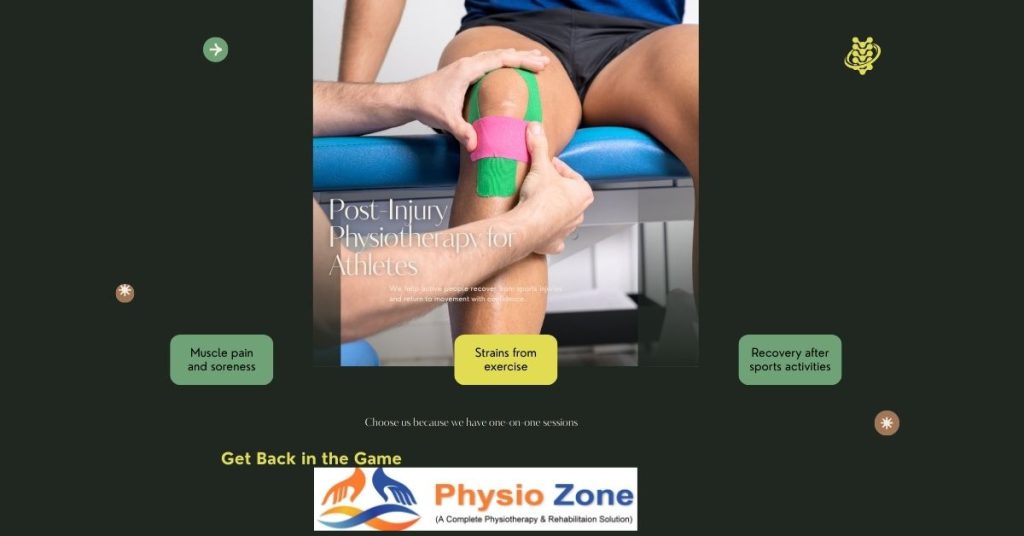
Post-Injury Physiotherapy for Athletes Blog image

Post-Injury Physiotherapy for Athletes | Accelerate Recovery & Return to Sport

Introduction Injury recovery is one of the most critical phases of an athlete’s career. Whether you’re a professional or a recreational athlete, how you handle recovery can significantly affect your performance and long-term health. Post-injury physiotherapy for athletes is the key to returning to your sport faster, safer, and without setbacks. At PhysioZoneBD, we offer specialized physiotherapy services in Bangladesh, providing tailored rehabilitation programs to meet the unique needs of athletes across various sports. Our physiotherapists use cutting-edge techniques and personalized treatment plans to help you recover effectively. We work with athletes recovering from all types of injuries, from minor sprains to complex fractures, ensuring a safe and swift return to peak performance. Our goal is straightforward: to help you recover quickly, minimize pain, prevent future injuries, and get back to doing what you love—competing and performing at your best. Benefits of Post-Injury Physiotherapy for Athletes Accelerated Healing The primary goal of post-injury physiotherapy is to accelerate recovery. The faster your body heals, the quicker you can get back to your sport. Physiotherapists use various techniques, such as therapeutic exercises, ultrasound therapy, and joint mobilization, to stimulate the body’s natural healing process. These methods reduce swelling, improve blood circulation, and increase tissue repair, allowing you to recover faster and get back on track with minimal downtime. Therapeutic exercises improve muscle strength and flexibility, enabling your body to regain normal function. Ultrasound therapy uses high-frequency sound waves to target deep tissue, reduce inflammation, and promote cell regeneration. Meanwhile, joint mobilization helps restore normal joint movement, reducing stiffness and aiding healing. Prevention of Recurrent Injuries One of the most significant risks after an injury is the possibility of reinjuring the same body part. Post-injury physiotherapy not only helps you heal but also works to prevent future injuries. By identifying muscle imbalances or weaknesses that contributed to the injury, physiotherapists create specific rehabilitation exercises to strengthen those muscles. Correcting posture, improving flexibility, and balancing your body alignment can significantly reduce the chances of re-injury. For example, if a player’s injury was caused by a lack of core strength, physiotherapists would develop a recovery plan that includes exercises targeting the core muscles to prevent such injuries in the future. Customized Recovery Plan Every athlete is different, and so is their recovery. At PhysioZoneBD, our physiotherapists assess your injury and movement to create a customized recovery plan tailored to your sport-specific needs. For a football player, recovery may focus on quick lateral movements, while for a tennis player, wrist and shoulder mobility may be the priority. The recovery plan will include a variety of stretches, strength-building exercises, and functional movement drills. These exercises are designed not only restore your strength and flexibility but also to prepare you for the unique movements required in your sport. Restoring Mobility and Functionality Injuries can result in a loss of mobility and function in the affected body part, seriously hindering an athlete’s performance. Physiotherapists use specialized techniques to help restore your full range of motion and improve agility. Whether you have a knee injury, an ankle sprain, or a shoulder problem, physiotherapy can help you regain the functionality you need to return to the field. Through carefully targeted exercises, physiotherapists work to stretch and strengthen the muscles surrounding the injured joint or muscle, gradually increasing your range of motion. This restoration of movement not only helps you return to your sport but also improves overall performance. How Post-Injury Physiotherapy Works Initial Assessment and Diagnosis The first step in post-injury physiotherapy is a comprehensive evaluation. Your physiotherapist will assess your injury, evaluating muscle strength, joint stability, flexibility, and functional movement patterns. This helps in identifying the root cause of the injury, its severity, and any imbalances that need to be corrected. The physiotherapist will also take into account your sport-specific movements. For example, a swimmer’s rehabilitation might include exercises that emphasize shoulder mobility, while a runner’s treatment might focus on lower-limb strength and flexibility. Rehabilitation Exercises Once the assessment is complete, your physiotherapist will guide you through a series of rehabilitation exercises. These exercises aim to strengthen the muscles surrounding the injured area, improve flexibility, and enhance mobility. They may include: Strengthening exercises to rebuild muscle strength. Stretching routines to restore flexibility and range of motion. Balance and agility drills to improve stability and functional movement. Proprioceptive exercises to enhance body awareness and coordination, especially in the injured area. By performing these exercises, you are helping your body regain its full potential. These movements also support tissue healing and help your body adapt to stress, both of which are essential when returning to competitive play. Manual Therapy and Modalities In addition to exercises, physiotherapists often use manual therapy techniques, such as joint mobilizations and soft tissue release, to alleviate pain and improve range of motion. Manual therapy techniques involve hands-on manipulation of the joints, muscles, and soft tissues to reduce stiffness and promote healing. Other modalities, such as heat therapy, cold therapy, and electrical stimulation, may also be used to reduce inflammation, manage pain, and promote blood circulation to the injured area. These techniques help to provide relief and facilitate healing, allowing you to recover faster and more effectively. Progressive Activity Training As you progress in your recovery, physiotherapists will gradually introduce sport-specific drills and activities. These exercises are designed to mimic the movements required for your sport and help you safely return to competition. For example, if you are a basketball player recovering from an ankle injury, your physiotherapist may incorporate jumping and quick pivoting drills into your rehabilitation plan. This progressive approach ensures that you don’t return to your sport too soon, which could lead to re-injury. Instead, the goal is to build strength, endurance, and flexibility at a pace that aligns with your body’s recovery. Service Highlights Experienced Physiotherapists: Our team of physiotherapists is highly skilled in sports rehabilitation and has experience working with athletes across all disciplines. We stay up to date on the latest rehabilitation techniques and recovery trends to ensure you receive the

Post-Injury Physiotherapy for Athletes | Accelerate Recovery & Return to Sport Read More »

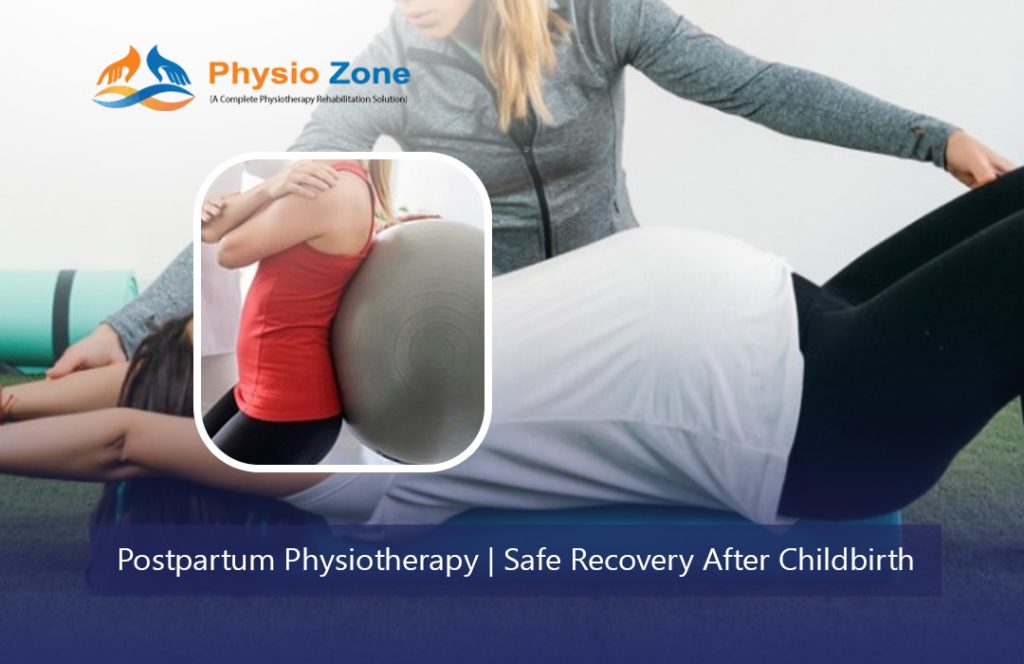
Postpartum Physiotherapy blog image

Postpartum Physiotherapy; Safe Recovery After Childbirth

Childbirth is a beautiful journey, but it brings physical challenges that many new mothers face. Postpartum physiotherapy is a specialized treatment that helps women recover safely, restore strength, and regain mobility after delivery. Whether you had a normal birth or a C-section, physiotherapy after childbirth is essential for long-term health and comfort. What Is Postpartum Physiotherapy and Why New Mothers Need It Postpartum physiotherapy is a type of therapy focused on healing the body after pregnancy. It addresses common issues such as weakened core muscles, pelvic floor dysfunction, back pain, and joint discomfort. Early intervention through physiotherapy can prevent long-term complications, improve mobility, and support overall well-being. Women who engage in postpartum physiotherapy experience faster recovery, reduced pain, and increased confidence in daily activities. Common Post-Pregnancy Problems Treated With Physiotherapy After childbirth, many women face: Pelvic floor weakness leading to incontinence or prolapse Diastasis recti (separation of abdominal muscles) Back, hip, and joint pain due to posture changes Reduced core stability and mobility Scar tissue issues after a C-section Physiotherapy treatments are designed to target these issues safely and effectively, ensuring a smoother recovery process. When Should You Start Postpartum Physiotherapy After Childbirth? Timing is important for safe recovery. Typically, physiotherapy can begin: After a normal delivery: 6 weeks postpartum After a C-section: Once the incision has healed and doctor approval is obtained Early physiotherapy ensures that muscles regain strength, joints recover function, and pain is managed properly. Delaying treatment may prolong discomfort or lead to further complications. Benefits of Postpartum Physiotherapy for Faster and Safer Recovery The advantages of postpartum physiotherapy are significant: Strengthens core muscles and improves stability Reduces pain in the back, hips, and joints Prevents pelvic floor problems such as incontinence or prolapse Enhances mobility and flexibility for daily activities Promotes overall health and confidence in physical recovery Investing time in physiotherapy is not only about healing but also about ensuring long-term wellness. Pelvic Floor Physiotherapy After Delivery: Why It’s Essential The pelvic floor muscles support the bladder, uterus, and bowel. Pregnancy and childbirth often weaken these muscles, leading to urinary incontinence, prolapse, or sexual dysfunction. Postpartum pelvic floor exercises guided by a physiotherapist can restore muscle strength, improve function, and prevent complications. Postpartum Physiotherapy Exercises for Core Strength and Stability Some commonly recommended exercises include: Kegel exercises for pelvic floor strengthening Bridging exercises to strengthen glutes and lower back Modified crunches for gentle core activation Stretching routines to relieve back and hip tension These exercises, when performed under guidance, accelerate recovery and reduce postnatal discomfort. Managing Back Pain, Hip Pain, and Joint Pain After Pregnancy Pregnancy shifts your posture and adds strain to joints and muscles. Postpartum physiotherapy helps manage: Lower back pain Hip and pelvic pain Joint stiffness and discomfort Through manual therapy, targeted exercises, and posture correction, physiotherapists relieve pain while preventing long-term musculoskeletal problems. Postpartum Physiotherapy After Normal Delivery vs C-Section Normal Delivery: Focus on gentle exercises, pelvic floor, and core strengthening C-Section: Emphasis on scar tissue management, safe abdominal exercises, and gradual core activation Tailored physiotherapy plans ensure recovery is safe, effective, and personalized for each mother. How Physiotherapy Helps With Diastasis Recti Recovery Diastasis recti is a common condition where abdominal muscles separate during pregnancy. Postpartum physiotherapy helps: Restore abdominal strength Improve posture and core stability Reduce discomfort and prevent hernia risk Targeted exercises accelerate healing and support daily activities with less strain. Choosing the Right Postpartum Physiotherapist for Your Recovery Selecting an experienced physiotherapist ensures a safe and effective recovery. Look for: Certifications in postpartum physiotherapy Experience with pelvic floor and core rehabilitation Personalized treatment plans and ongoing guidance A skilled physiotherapist not only treats physical issues but also educates mothers on maintaining long-term health. Conclusion Postpartum physiotherapy is crucial for every new mother. It ensures a safe recovery, relieves pain, strengthens muscles, and restores mobility. Investing in professional physiotherapy after childbirth can prevent long-term issues and promote overall well-being. For a safe and guided recovery, consult experienced physiotherapists today. Frequently Asked Questions (FAQs) How soon can I start postpartum physiotherapy? After a normal delivery, typically 6 weeks; after a C-section, when the incision is fully healed and doctor-approved. Is postpartum physiotherapy painful? No, exercises are gentle and designed to gradually restore strength without causing discomfort. Can postpartum physiotherapy prevent urinary incontinence? Yes, pelvic floor exercises guided by a physiotherapist strengthen muscles and reduce incontinence risk. Do I need physiotherapy after every type of delivery? While recommended for all, the approach may differ between normal and C-section deliveries. How long does recovery take with postpartum physiotherapy? Recovery varies, but consistent therapy often shows noticeable improvement in 6–12 weeks. Can I do postpartum physiotherapy at home? Yes, with guidance from a physiotherapist, safe home exercises can complement in-clinic sessions.

Postpartum Physiotherapy; Safe Recovery After Childbirth Read More »

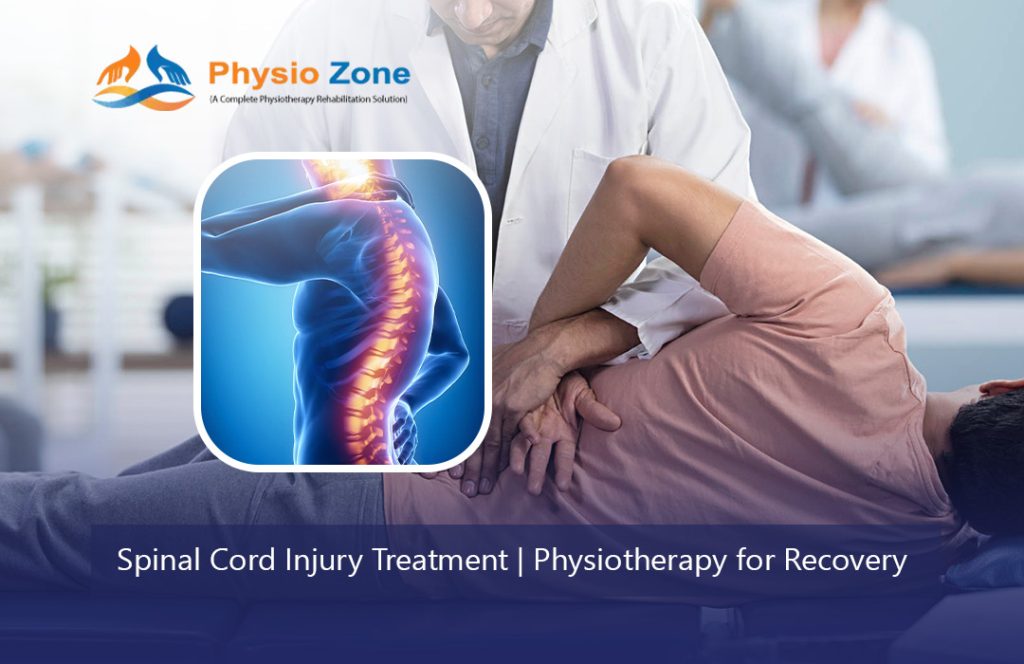
Spinal Cord Injury blog image

Spinal Cord Injury Treatment; Physiotherapy for Recovery

A spinal cord injury can change life suddenly and deeply. Movement, sensation, and daily independence can be affected. However, with proper spinal cord injury treatment, especially advanced physiotherapy, recovery and functional improvement become possible. At PhysioZone BD, specialized physiotherapy programs are provided to support safe recovery and long-term rehabilitation. This guide explains causes, treatment options, and how physiotherapy plays a vital role in spinal cord injury recovery. What Is a Spinal Cord Injury? Causes, Symptoms, and Severity Levels A spinal cord injury (SCI) occurs when the spinal cord is damaged due to trauma or disease. This damage disrupts communication between the brain and the body. Common causes include: Road traffic accidents Falls from height Sports injuries Violence or penetrating injuries Infections or tumors Symptoms may include paralysis, loss of sensation, muscle weakness, breathing difficulty, and bladder or bowel problems. The severity depends on the injury level and extent of nerve damage. Early Diagnosis and Medical Management of Spinal Cord Injury Early diagnosis is critical for effective spinal cord injury treatment. MRI, CT scans, and neurological assessments are used to determine injury severity. Initial medical management focuses on: Stabilizing the spine Reducing inflammation Preventing secondary damage Managing pain and complications Once the condition is stabilized, physiotherapy is usually introduced as early as possible. Role of Physiotherapy in Spinal Cord Injury Treatment and Recovery Physiotherapy is considered a cornerstone of spinal cord injury treatment. Recovery potential is improved when therapy is started early and continued consistently. Physiotherapy helps by: Preserving muscle strength Preventing joint stiffness Improving circulation Enhancing nerve stimulation Supporting independence At Physio Zone BD, individualized rehabilitation plans are designed based on injury type and patient goals. Types of Spinal Cord Injuries: Complete vs Incomplete Injuries Explained Spinal cord injuries are classified into two main types: Complete Injury: No motor or sensory function exists below the injury level. Incomplete Injury: Some movement or sensation remains. Recovery chances are usually higher. Understanding the injury type helps physiotherapists plan targeted rehabilitation strategies. Physiotherapy Techniques Used in Spinal Cord Injury Rehabilitation Several evidence-based physiotherapy techniques are used for spinal cord injury rehabilitation: Passive and active range-of-motion exercises Strength training and muscle re-education Balance and posture training Electrical stimulation therapy Gait training and mobility practice These techniques are applied progressively to improve functional outcomes safely. Benefits of Early Physiotherapy After Spinal Cord Injury Early physiotherapy offers multiple benefits: Muscle wasting is reduced Joint contractures are prevented Blood circulation is improved Respiratory function is supported Psychological confidence is increased Patients receiving early intervention often experience better long-term recovery results. Exercises for Spinal Cord Injury to Improve Strength and Mobility Exercise programs are customized based on patient ability. Common exercises include: Assisted limb movements Core strengthening exercises Sitting and standing balance training Wheelchair mobility exercises All exercises are performed under professional supervision to ensure safety. Pain Management and Spasticity Control in Spinal Cord Injury Patients Pain and muscle spasticity are common challenges. Physiotherapy helps manage these issues through: Stretching techniques Heat or cold therapy Positioning strategies Manual therapy With regular sessions, pain levels are often reduced, and comfort is improved. Assistive Devices and Mobility Aids for Spinal Cord Injury Recovery Assistive devices play a major role in independence. These may include: Wheelchairs Walkers or crutches Orthotic braces Transfer aids Physiotherapists guide patients in selecting and using appropriate mobility aids safely. Long-Term Rehabilitation and Lifestyle Adaptation After Spinal Cord Injury Spinal cord injury recovery is a long-term process. Lifestyle adaptation, home exercise programs, and continuous physiotherapy are essential. Patients are supported in: Regaining daily living skills Preventing secondary complications Improving quality of life Consistent rehabilitation increases independence and confidence over time. Frequently Asked Questions (FAQs) Can spinal cord injury be fully cured? A complete cure is rare, but significant functional improvement is possible with physiotherapy. When should physiotherapy start after spinal cord injury? Physiotherapy should start as early as medically safe. Is physiotherapy painful for spinal cord injury patients? Therapy is designed to be safe and comfortable. How long does spinal cord injury rehabilitation take? Recovery duration varies and may take months or years. Can physiotherapy improve paralysis? Movement and function may improve, especially in incomplete injuries. Is home physiotherapy effective for spinal cord injury? Yes, when guided by professional physiotherapists. Conclusion Spinal cord injury treatment requires a structured, patient-centered approach. Physiotherapy plays a vital role in restoring movement, reducing complications, and improving independence. At PhysioZone BD, expert physiotherapists provide advanced rehabilitation programs to support safe and effective recovery.

Spinal Cord Injury Treatment; Physiotherapy for Recovery Read More »

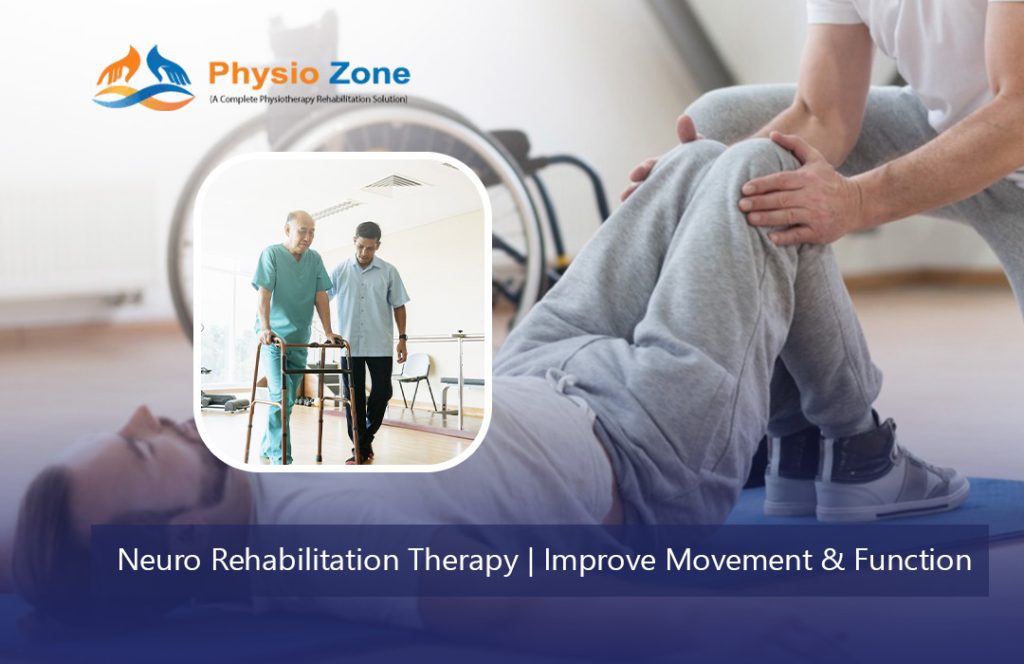
Neuro Rehabilitation Therapy blog image

Neuro Rehabilitation Therapy; Improve Movement & Function

What Is Neuro Rehabilitation Therapy and How Does It Work? Neuro rehabilitation therapy is a specialized treatment designed to help people recover movement, strength, balance, and daily function after brain or nerve damage. This therapy is commonly recommended after neurological conditions such as stroke, spinal cord injury, brain injury, or nerve disorders. The therapy works by retraining the nervous system. Through repeated, goal-oriented exercises, the brain is encouraged to form new neural pathways. As a result, lost or weakened functions can gradually be restored. Treatment plans are always personalized based on the patient’s condition, age, and recovery goals. Who Needs Neuro Rehabilitation Therapy? Common Conditions Treated Neuro rehabilitation therapy is recommended for individuals experiencing movement or coordination problems caused by neurological conditions. It is often prescribed for: Stroke patients Brain injury or traumatic brain injury (TBI) Spinal cord injury Parkinson’s disease Multiple sclerosis Nerve injury or neuropathy Cerebral palsy Early assessment is usually advised, as delayed treatment may slow recovery. At PhysioZone BD, therapy programs are carefully designed to support both short-term improvement and long-term independence. Benefits of Neuro Rehabilitation Therapy for Brain and Nerve Recovery Many benefits can be experienced through regular neuro rehabilitation therapy. Mobility is gradually improved. Muscle stiffness and weakness are reduced. Balance and coordination are enhanced. Daily activities become easier to perform. Emotional confidence is also supported. When movement improves, independence increases. This leads to a better quality of life. With professional guidance, recovery is made safer, faster, and more effective. Role of Neuro Physiotherapy in Restoring Movement and Coordination Neuro physiotherapy plays a vital role in neuro rehabilitation therapy. Specialized physiotherapy techniques are used to restore movement patterns, posture, and muscle control. Therapy sessions may include: Functional movement training Muscle re-education Stretching and strengthening Coordination and balance exercises Each session is structured to stimulate the nervous system while preventing fatigue or injury. Progress is closely monitored to ensure safe improvement. Neuro Rehabilitation After Stroke: Improving Mobility and Independence Stroke is one of the most common reasons for neuro rehabilitation therapy. After a stroke, movement on one side of the body is often affected. Walking, speaking, and hand function may be limited. Through consistent therapy, mobility can be improved. Walking ability is gradually restored. Hand function can become more controlled. Independence in daily tasks is often achieved with time and commitment. Treatment Techniques Used in Modern Neuro Rehabilitation Therapy Modern neuro rehabilitation therapy uses evidence-based techniques to achieve better outcomes. Common methods include: Task-specific training Balance and gait training Electrical muscle stimulation Manual therapy Functional exercise programs Advanced tools and hands-on techniques are combined to maximize recovery. All treatments are delivered under professional supervision for safety and effectiveness. How Neuro Rehabilitation Therapy Helps Improve Balance and Walking Balance problems are common in neurological conditions. Neuro rehabilitation therapy focuses on improving postural control and walking patterns. Weight-shifting exercises are practiced. Gait training is gradually progressed. Assistive devices may be used initially and reduced over time. With consistent therapy, confidence while walking is restored. Early vs Late Neuro Rehabilitation: Why Timing Matters for Recovery Early neuro rehabilitation therapy is strongly recommended. When therapy is started early, the brain responds more effectively to training. Faster and better recovery outcomes are often achieved. Late rehabilitation can still be beneficial, but progress may be slower. That is why early consultation with a qualified neuro physiotherapist is advised. What to Expect During a Neuro Rehabilitation Therapy Session Each therapy session begins with an assessment. Movement, strength, and balance are evaluated. A personalized treatment plan is then followed. Exercises are demonstrated and guided carefully. Rest periods are included to avoid exhaustion. Progress is reviewed regularly, and exercises are adjusted as needed. Choosing the Right Neuro Rehabilitation Center or Therapist Choosing the right center is essential for successful recovery. A qualified neuro physiotherapist, modern facilities, and personalized care should be prioritized. At PhysioZone BD, evidence-based neuro rehabilitation therapy is provided in a supportive and professional environment. Every patient is treated with care, respect, and clear recovery goals. Frequently Asked Questions (FAQs) How long does neuro rehabilitation therapy take? Recovery time varies. Some patients improve in weeks, while others need several months. Is neuro rehabilitation therapy painful? Therapy is not painful. Exercises are designed to be safe and comfortable. Can elderly patients benefit from neuro rehabilitation therapy? Yes. Age does not prevent improvement with proper therapy. How many sessions are usually required? The number of sessions depends on the condition and severity. Is home-based neuro rehabilitation effective? Yes, when guided by a professional therapist. Can therapy help long-term neurological conditions? Yes. Function and quality of life can be improved even in chronic cases. Conclusion Neuro rehabilitation therapy plays a crucial role in restoring movement, balance, and independence after neurological conditions. With early intervention, professional care, and consistent therapy, meaningful recovery can be achieved. For expert neuro rehabilitation therapy in Bangladesh, PhysioZone BD offers trusted and patient-focused treatment solutions.

Neuro Rehabilitation Therapy; Improve Movement & Function Read More »

Message Us on WhatsApp