Skip to content
Sat–Thu · 10 am–9 pm · Uttara, Dhaka

Blogs

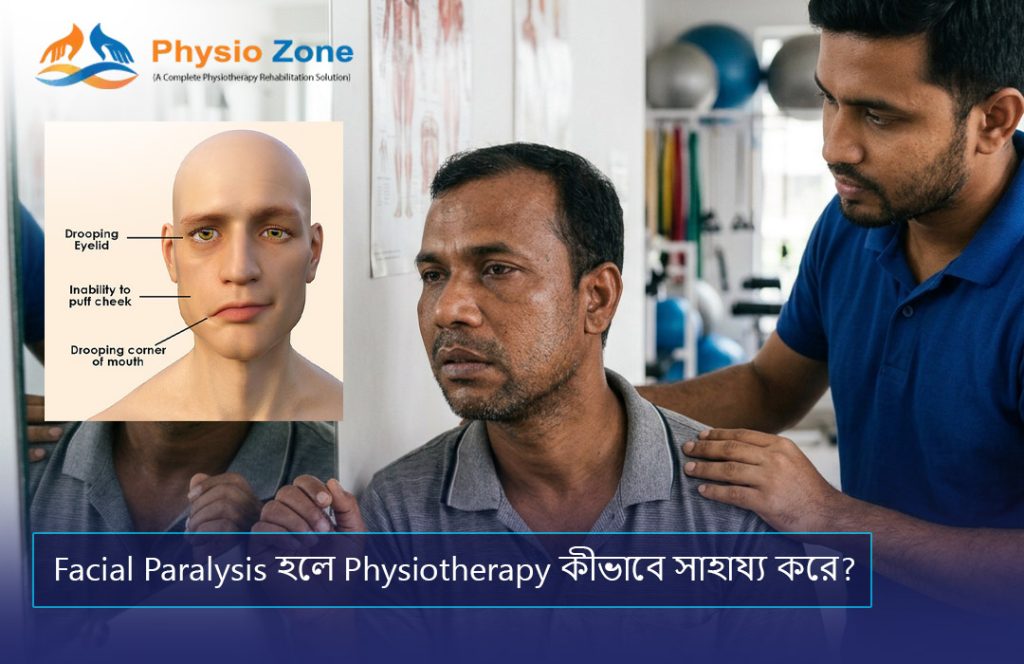
Facial Paralysis হলে Physiotherapy কীভাবে সাহায্য করে?

Facial Paralysis হলো এমন একটি অবস্থা যেখানে মুখের এক পাশ বা উভয় পাশের পেশীগুলো স্বাভাবিকভাবে নড়াচড়া করতে পারে না। অনেকেই এটিকে Facial Palsy বা Bell’s Palsy নামেও চেনে। এই সমস্যার কারণে রোগীর হাসতে, চোখ বন্ধ করতে, কথা বলতে কিংবা খাবার খেতে অসুবিধা হতে পারে। বাংলাদেশে বর্তমানে Facial Paralysis রোগীর সংখ্যা দিন দিন বাড়ছে এবং অনেকেই সময়মতো সঠিক Rehabilitation ও Physiotherapy না নেওয়ার কারণে দীর্ঘমেয়াদী সমস্যায় ভুগছেন। ভালো খবর হলো, সঠিক সময়ে Physiotherapy শুরু করলে অধিকাংশ রোগীরই মুখের পেশীর কার্যক্ষমতা অনেকটাই ফিরে আসে। Facial Paralysis কেন হয়? Facial Paralysis বিভিন্ন কারণে হতে পারে, যেমনঃ Bell’s Palsy Stroke Facial Nerve Injury Brain Surgery-এর পরবর্তী জটিলতা Viral Infection Trauma বা দুর্ঘটনা Tumor Neurological Disorders অনেক Stroke রোগীর ক্ষেত্রেও Facial Muscle Weakness দেখা যায়। এ ধরনের রোগীদের জন্য Stroke Rehabilitation অত্যন্ত গুরুত্বপূর্ণ। Facial Paralysis-এর সাধারণ লক্ষণ নিচের লক্ষণগুলো দেখা দিতে পারেঃ মুখের এক পাশ বেঁকে যাওয়া হাসতে অসুবিধা হওয়া চোখ সম্পূর্ণ বন্ধ করতে না পারা কথা বলতে সমস্যা হওয়া খাবার মুখ থেকে পড়ে যাওয়া মুখে অবশ অনুভূতি পানি খাওয়ার সময় মুখ দিয়ে বের হয়ে যাওয়া Facial Muscle Weakness চিবাতে সমস্যা হওয়া Facial Pain Physiotherapy কি Facial Paralysis-এর জন্য কার্যকর? হ্যাঁ। Facial Paralysis-এর চিকিৎসায় Physiotherapy অন্যতম কার্যকর একটি Rehabilitation Treatment। Physiotherapy-এর মূল উদ্দেশ্য হলোঃ Facial Muscle Function ফিরিয়ে আনা Muscle Strength বৃদ্ধি করা Facial Symmetry উন্নত করা Facial Movement স্বাভাবিক করা Pain কমানো Facial Nerve Recovery ত্বরান্বিত করা দৈনন্দিন কাজ সহজ করা যত দ্রুত Physiotherapy শুরু করা যায়, Recovery-এর সম্ভাবনাও তত বেশি হয়। Facial Paralysis-এর জন্য কোন Physiotherapy Treatment দেওয়া হয়? ১. Neurological Physiotherapy Facial Paralysis একটি Neurological Condition হওয়ায় Neurological Physiotherapy অত্যন্ত গুরুত্বপূর্ণ। এ ধরনের Physiotherapy-এর মাধ্যমে সাহায্য করা হয়ঃ Facial Muscle Activation Muscle Re-education Facial Movement Training Coordination Improvement Balance Training (যদি Stroke সম্পর্কিত হয়) Functional Rehabilitation Neurological Physiotherapy Facial Nerve-এর কার্যক্ষমতা পুনরুদ্ধারে গুরুত্বপূর্ণ ভূমিকা পালন করে। ২. Facial Exercise Therapy Physiotherapist রোগীর Facial Muscle অনুযায়ী Exercise Program তৈরি করে থাকেন। কিছু সাধারণ Exercise হলোঃ Eyebrow Raising Exercise Smiling Exercise Lip Movement Exercise Eye Closing Exercise Cheek Exercise Mouth Stretch Exercise Tongue Exercise এই Exercise গুলো নিয়মিত করার মাধ্যমে Facial Muscle Strength বৃদ্ধি পায়। ৩. Manual Therapy Manual Therapy Facial Muscle Relaxation এবং Muscle Mobility উন্নত করতে সাহায্য করে। এটি সাহায্য করেঃ Muscle Tightness কমাতে Facial Mobility বাড়াতে Pain Management-এ Blood Circulation বৃদ্ধি করতে আরও জানতে পড়ুন: Best Physiotherapy Center in Uttara, Dhaka Manual Therapy for Chronic Pain Management ৪. Electrotherapy কিছু ক্ষেত্রে Electrotherapy ব্যবহার করা হতে পারে Facial Muscle Stimulation-এর জন্য। এর সুবিধাঃ Muscle Activation Pain Reduction Improved Circulation Faster Recovery ৫. LASER Therapy বর্তমানে Low-Level LASER Therapy অনেক Physiotherapy Center-এ ব্যবহার করা হচ্ছে। LASER Therapy সাহায্য করতে পারেঃ Tissue Healing-এ Pain কমাতে Nerve Recovery-তে Inflammation কমাতে আরও জানতে পড়ুন: LASER Therapy for Pain Relief – Benefits and Uses ৬. Neuro Rehabilitation যেসব রোগীর Facial Paralysis Stroke-এর কারণে হয়েছে, তাদের জন্য Neuro Rehabilitation অত্যন্ত গুরুত্বপূর্ণ। এর মাধ্যমে উন্নতি হয়ঃ Muscle Coordination Speech Function Balance Functional Movement Daily Activities Facial Paralysis হলে Physiotherapy কতদিন নিতে হয়? Recovery Time রোগীর অবস্থার উপর নির্ভর করে। Condition Recovery Time Mild Facial Paralysis ২-৪ সপ্তাহ Moderate Facial Paralysis ১-৩ মাস Severe Facial Paralysis ৩-৬ মাস বা তার বেশি Stroke Related Facial Paralysis ব্যক্তিভেদে ভিন্ন হতে পারে সঠিক Exercise Program এবং নিয়মিত Physiotherapy করলে Recovery তুলনামূলক দ্রুত হয়। Facial Paralysis-এর ক্ষেত্রে কী কী বিষয় খেয়াল রাখতে হবে? পর্যাপ্ত বিশ্রাম নিন Facial Muscle Recovery-এর জন্য পর্যাপ্ত বিশ্রাম প্রয়োজন। নিয়মিত Exercise করুন Physiotherapist-এর পরামর্শ অনুযায়ী Facial Exercise করতে হবে। চোখের যত্ন নিন চোখ সম্পূর্ণ বন্ধ করতে না পারলে Eye Protection অত্যন্ত গুরুত্বপূর্ণ। Follow-up করুন Regular Physiotherapy Session অনেক সময় Recovery-এর ক্ষেত্রে বড় ভূমিকা রাখে। Facial Paralysis কি সম্পূর্ণ ভালো হয়? অনেক ক্ষেত্রেই Facial Paralysis সম্পূর্ণ ভালো হয়ে যায়। তবে Recovery নির্ভর করেঃ রোগের কারণ চিকিৎসা কত দ্রুত শুরু হয়েছে Physiotherapy নেওয়ার সময় রোগীর বয়স Nerve Damage-এর মাত্রা সঠিক সময়ে Rehabilitation শুরু করলে Recovery Rate অনেক বেশি হয়ে থাকে। Facial Paralysis-এর সাথে অন্য কোন সমস্যার সম্পর্ক থাকতে পারে? অনেক রোগীর Facial Paralysis-এর পাশাপাশি নিচের সমস্যাগুলোও থাকতে পারেঃ Neck Pain Chronic Pain Stroke Muscle Weakness Balance Problem Neurological Issues এসব সমস্যার জন্য Physiotherapy অত্যন্ত কার্যকর হতে পারে। আরও পড়ুনঃ Neck Pain Treatment Without Surgery in Bangladesh Sciatica Pain Treatment with Physiotherapy Slip Disc Treatment in Bangladesh – Surgery or Physiotherapy? Sports Injury Rehabilitation in Bangladesh Home Physiotherapy Services in Dhaka Dry Needling Therapy – Benefits and Side Effects Physiotherapy Cost in Bangladesh – Complete Guide কেন Facial Paralysis-এর ক্ষেত্রে Physiotherapy গুরুত্বপূর্ণ? Physiotherapy শুধুমাত্র Pain Management নয়, বরং Facial Function Recovery-এর জন্য একটি Evidence-Based Treatment Approach। এর মাধ্যমে রোগীরা পেতে পারেনঃ Improved Facial Movement Better Muscle Strength Faster Recovery Improved Quality of Life Better Daily Function Reduced Pain Improved Confidence কেন Physio Zone বেছে নিতে পারেন? Physio Zone-এ রোগীদের জন্য Evidence-Based Physiotherapy এবং Modern Rehabilitation Services প্রদান করা হয়। সেবাসমূহের মধ্যে রয়েছেঃ Physiotherapy Services Musculoskeletal Physiotherapy Neurological Physiotherapy Sports Physiotherapy Stroke Rehabilitation Pediatric Physiotherapy Gynecological Physiotherapy Advanced Treatment Facilities Manual Therapy Manipulation Dry Needling LASER Therapy Neuro Rehabilitation Electrotherapy Facilities Chiropractic Care Therapeutic Gym Strength Training Headache Management Neural Mobilization Geriatric Counselling রোগীর অবস্থা মূল্যায়নের মাধ্যমে ব্যক্তিগত Rehabilitation Plan তৈরি করা হয়, যা দ্রুত এবং কার্যকর Recovery নিশ্চিত করতে সহায়তা করে। Frequently Asked Questions (FAQ) Facial Paralysis হলে কি Physiotherapy নেওয়া জরুরি? হ্যাঁ। দ্রুত Recovery-এর জন্য Physiotherapy অত্যন্ত গুরুত্বপূর্ণ। Facial Paralysis কত দিনে ভালো হয়? রোগের ধরন অনুযায়ী কয়েক সপ্তাহ থেকে কয়েক মাস সময় লাগতে পারে। Facial Exercise কি বাড়িতে করা যায়? হ্যাঁ, তবে অবশ্যই একজন Physiotherapist-এর পরামর্শ অনুযায়ী করতে হবে। Bell’s Palsy-এর ক্ষেত্রে Physiotherapy কি কার্যকর? হ্যাঁ। Bell’s Palsy রোগীদের জন্য Facial Exercise এবং Neurological Physiotherapy খুবই কার্যকর। Stroke-এর কারণে Facial Paralysis হলে কী করতে হবে? সেক্ষেত্রে Stroke Rehabilitation এবং Neuro Rehabilitation দ্রুত শুরু করা উচিত। Conclusion Facial Paralysis বা মুখের প্যারালাইসিস রোগীর দৈনন্দিন জীবনকে অনেকটাই প্রভাবিত করতে পারে। তবে সময়মতো Physiotherapy, Facial Exercise, Neurological Rehabilitation এবং আধুনিক চিকিৎসা পদ্ধতির মাধ্যমে অধিকাংশ রোগীই উল্লেখযোগ্য উন্নতি লাভ করতে পারেন। তাই মুখের পেশীতে দুর্বলতা বা Facial Movement-এ সমস্যা দেখা দিলে দেরি না করে একজন অভিজ্ঞ Physiotherapist-এর পরামর্শ নেওয়া উচিত।

Facial Paralysis হলে Physiotherapy কীভাবে সাহায্য করে? Read More »
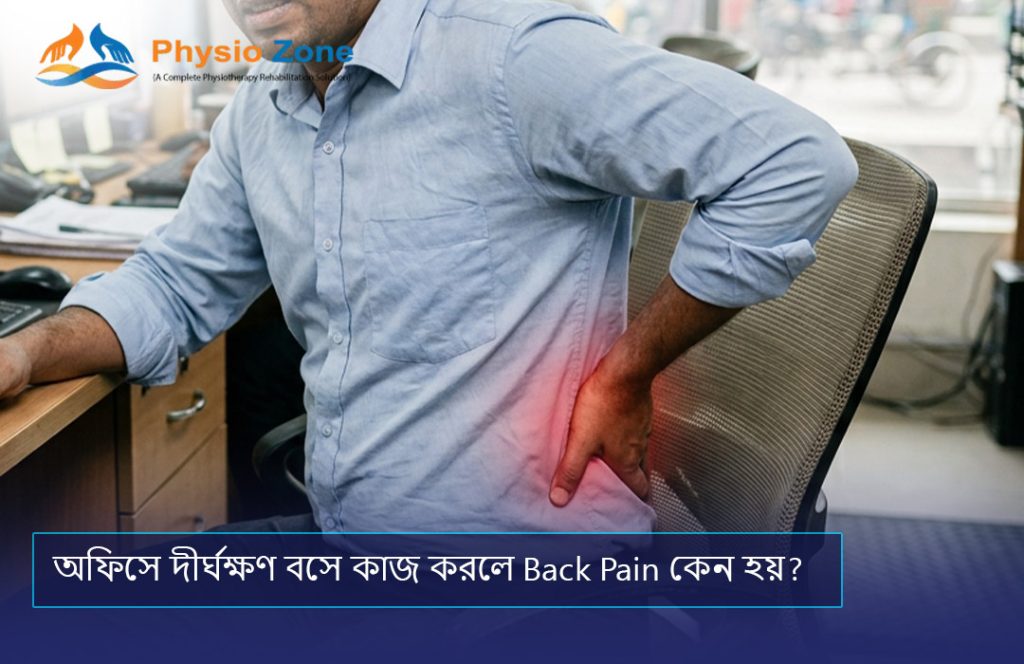
অফিসে দীর্ঘক্ষণ বসে কাজ করলে Back Pain কেন হয়?

বর্তমান সময়ে অধিকাংশ মানুষ প্রতিদিন ৮ থেকে ১০ ঘণ্টা ডেস্কে বসে কাজ করেন। বিশেষ করে IT Professional, Banker, Corporate Employee, Freelancer এবং Remote Worker-দের মধ্যে Back Pain একটি সাধারণ সমস্যা হয়ে দাঁড়িয়েছে। অনেকেই মনে করেন এটি বয়সের কারণে হয়, কিন্তু বাস্তবে দীর্ঘ সময় ভুল ভঙ্গিতে বসে থাকা, কম নড়াচড়া করা এবং পেশির দুর্বলতাই এর অন্যতম কারণ। যদি শুরুতেই সঠিক যত্ন নেওয়া না হয়, তাহলে সাধারণ কোমর ব্যথা ধীরে ধীরে Chronic Back Pain, Sciatica কিংবা Slip Disc-এর মতো জটিল সমস্যায় রূপ নিতে পারে। Physio Zone-এ Evidence-Based Physiotherapy এবং Modern Rehabilitation Techniques-এর মাধ্যমে Back Pain-এর কার্যকর চিকিৎসা প্রদান করা হয়। অফিসে বসে কাজ করলে কেন Back Pain হয়? Back Pain হওয়ার পেছনে বেশ কয়েকটি কারণ রয়েছে। যেমন- ১. দীর্ঘক্ষণ একই অবস্থানে বসে থাকা একটানা ২-৩ ঘণ্টা বসে থাকলে Spine-এর উপর অতিরিক্ত চাপ পড়ে। এতে Lower Back-এর Muscle ও Ligament-এ Stress তৈরি হয়। ২. ভুল Sitting Posture অনেকেই নিচের ভুলগুলো করে থাকেন— Laptop নিচে রেখে কাজ করা Chair-এর Back Support ব্যবহার না করা সামনের দিকে ঝুঁকে বসা Cross-leg করে দীর্ঘক্ষণ বসে থাকা Monitor চোখের সমান্তরালে না রাখা এই অভ্যাসগুলো ধীরে ধীরে কোমরের ব্যথা বাড়িয়ে দেয়। ৩. Core Muscle দুর্বল হয়ে যাওয়া দীর্ঘদিন বসে কাজ করলে Core Muscle ও Lower Back Muscle দুর্বল হয়ে যেতে শুরু করে। ফলে Spine-এর উপর চাপ আরও বেড়ে যায়। ৪. Physical Activity কমে যাওয়া বর্তমানে অনেকেই অফিসে বসে কাজ করেন এবং বাসায় ফিরে খুব একটা শরীরচর্চা করেন না। এতে Muscle Tightness ও Joint Stiffness তৈরি হয়। ৫. Workstation Ergonomics ঠিক না থাকা যদি আপনার— Chair ঠিক না হয় Table-এর উচ্চতা সঠিক না হয় Laptop Stand ব্যবহার না করেন Foot Support না থাকে তাহলে Back Pain হওয়ার ঝুঁকি অনেক বেড়ে যায়। Back Pain-এর সাধারণ লক্ষণ নিচের লক্ষণগুলো দেখা দিলে Physiotherapist-এর পরামর্শ নেওয়া উচিত— কোমরে ব্যথা দীর্ঘক্ষণ বসে থাকতে সমস্যা হওয়া পা পর্যন্ত ব্যথা ছড়িয়ে যাওয়া কোমর শক্ত হয়ে যাওয়া দাঁড়াতে কষ্ট হওয়া শরীর সামনের দিকে ঝুঁকে যাওয়া হাঁটার সময় ব্যথা বৃদ্ধি পাওয়া কাজের শেষে তীব্র ব্যথা অনুভব করা কোন কোন মানুষ বেশি ঝুঁকিতে থাকেন? Software Engineer SEO Executive Corporate Employee Banker Freelancer Call Center Professional Graphic Designer Accountant Student Remote Worker অফিসে Back Pain প্রতিরোধের উপায় প্রতি ৩০-৪০ মিনিট পর উঠে দাঁড়ান ২ থেকে ৫ মিনিট হাঁটুন। হালকা Stretching করুন। Ergonomic Chair ব্যবহার করুন চেয়ারে অবশ্যই— Lumbar Support থাকতে হবে। Height Adjustable হতে হবে। Comfortable Seat থাকা প্রয়োজন। সঠিকভাবে বসুন Spine সোজা রাখুন। Monitor চোখের সমান্তরালে রাখুন। দুই পা মাটিতে রাখুন। Shoulder Relax রাখুন। নিয়মিত Exercise করুন Core Strengthening Exercise Stretching Exercise Walking Mobility Exercise Back Pain অবহেলা করলে কী হতে পারে? চিকিৎসা না করলে নিচের সমস্যাগুলো দেখা দিতে পারে— Chronic Low Back Pain Sciatica Slip Disc Muscle Imbalance Nerve Compression Reduced Mobility Poor Posture Physiotherapy কীভাবে Back Pain কমাতে সাহায্য করে? বর্তমানে Back Pain-এর সবচেয়ে নিরাপদ এবং কার্যকর Non-Surgical Treatment-এর মধ্যে Physiotherapy অন্যতম। Physiotherapist প্রথমে আপনার— Sitting Posture Muscle Strength Range of Motion Pain Pattern Functional Movement পরীক্ষা করে Personalized Treatment Plan তৈরি করেন। Physio Zone-এ Back Pain-এর জন্য কী কী Treatment দেওয়া হয়? Musculoskeletal Physiotherapy Musculoskeletal Physiotherapy-এর মাধ্যমে— Joint Pain Back Pain Muscle Pain Sports Injury Chronic Pain কার্যকরভাবে চিকিৎসা করা হয়। Manual Physiotherapy Manual Therapy ব্যবহৃত হয়— Muscle Tightness কমাতে Joint Mobility বাড়াতে Pain Relief দিতে Functional Movement উন্নত করতে Internal Link Suggestion: Manual Therapy for Chronic Pain Management LASER Therapy Low-Level LASER Therapy বর্তমানে Back Pain-এর জন্য অত্যন্ত কার্যকর। এর মাধ্যমে— Pain কমে Inflammation কমে Tissue Healing দ্রুত হয় Recovery Time কমে Internal Link Suggestion: LASER Therapy for Pain Relief – Benefits and Uses Dry Needling Therapy যাদের Muscle Knot বা Trigger Point রয়েছে তাদের জন্য Dry Needling Therapy খুবই কার্যকর। উপকারিতা— Muscle Relaxation Pain Relief Improved Mobility Faster Recovery Internal Link Suggestion: Dry Needling Therapy – Benefits and Side Effects Manipulation Therapy Manipulation Therapy-এর মাধ্যমে Joint Movement পুনরুদ্ধার করা হয় এবং Spine-এর চাপ কমানো হয়। Neural Mobilization যাদের Back Pain-এর কারণে Nerve Tightness বা Leg Pain রয়েছে তাদের জন্য Neural Mobilization অত্যন্ত উপকারী। Therapeutic Gym ও Strength Training Back Pain পুনরায় ফিরে আসা প্রতিরোধে Strength Training অত্যন্ত গুরুত্বপূর্ণ। এটি সাহায্য করে— Core Strength বাড়াতে Balance উন্নত করতে Posture ঠিক রাখতে Functional Fitness উন্নত করতে কখন Physiotherapist-এর কাছে যাওয়া উচিত? যদি— ১ সপ্তাহের বেশি Back Pain থাকে Pain Killer খেয়েও ব্যথা কমে না পায়ে ব্যথা ছড়িয়ে যায় দীর্ঘক্ষণ বসতে না পারেন ঘুম থেকে উঠার পরে ব্যথা থাকে কাজে ব্যাঘাত ঘটে তাহলে দেরি না করে একজন Physiotherapist-এর পরামর্শ নেওয়া উচিত। Physio Zone কেন বেছে নেবেন? Physio Zone-এ রয়েছে— Experienced Physiotherapist Team Evidence-Based Treatment Protocol Modern Electrotherapy Facilities LASER Therapy Dry Needling Therapy Manual Therapy Stroke Rehabilitation Sports Physiotherapy Neurological Physiotherapy Gynecological Physiotherapy Pediatric Physiotherapy Chiropractic Care Therapeutic Gym Facilities Home Physiotherapy Service Personalized Rehabilitation Program Conclusion অফিসে দীর্ঘক্ষণ বসে কাজ করা বর্তমান সময়ের একটি সাধারণ অভ্যাস হলেও এটি আপনার Spine এবং Lower Back-এর জন্য ক্ষতিকর হতে পারে। সঠিক Posture, নিয়মিত Exercise এবং প্রয়োজন অনুযায়ী Physiotherapy Treatment গ্রহণ করলে সহজেই Back Pain নিয়ন্ত্রণে রাখা সম্ভব। যদি আপনার Back Pain দীর্ঘদিন ধরে থেকে থাকে, তাহলে দ্রুত চিকিৎসা নেওয়াই সবচেয়ে ভালো সিদ্ধান্ত।

অফিসে দীর্ঘক্ষণ বসে কাজ করলে Back Pain কেন হয়? Read More »

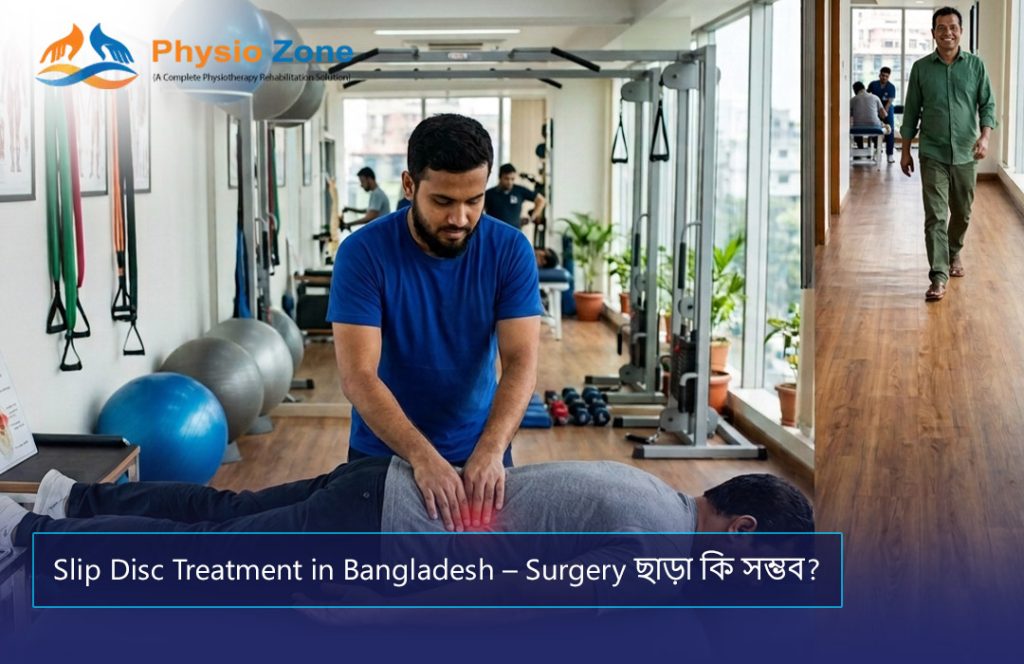
Slip Disc Treatment in Bangladesh – Surgery ছাড়া কি সম্ভব?

বর্তমানে বাংলাদেশে অনেক মানুষ Slip Disc বা Disc Prolapse সমস্যায় ভুগছেন। দীর্ঘক্ষণ বসে কাজ করা, ভুলভাবে ভারী জিনিস তোলা, অফিসের ডেস্ক জব, অতিরিক্ত ওজন, কিংবা বয়সজনিত কারণে এই সমস্যা দেখা দিতে পারে। Slip Disc শুনলেই অনেক রোগী ভয় পেয়ে যান এবং মনে করেন যে Surgery করানো ছাড়া কোনো উপায় নেই। কিন্তু বাস্তবতা হলো, অধিকাংশ Slip Disc রোগীর ক্ষেত্রে Surgery প্রয়োজন হয় না। সঠিক সময়ে Diagnosis এবং Evidence-Based Physiotherapy Treatment-এর মাধ্যমে অনেক রোগী সফলভাবে সুস্থ হয়ে উঠতে পারেন। বাংলাদেশে বর্তমানে আধুনিক Physiotherapy Treatment যেমন Manual Therapy, LASER Therapy, Dry Needling, Neural Mobilization এবং Therapeutic Exercise-এর মাধ্যমে Surgery ছাড়াই Slip Disc-এর চিকিৎসা করা সম্ভব। Slip Disc কী? আমাদের মেরুদণ্ডে (Spine) অনেকগুলো Disc থাকে, যা হাড়গুলোর মধ্যে Cushion হিসেবে কাজ করে। যখন কোনো Disc তার স্বাভাবিক অবস্থান থেকে সরে যায় অথবা বাইরের অংশ ফেটে ভেতরের অংশ বের হয়ে আসে, তখন তাকে সাধারণভাবে Slip Disc বলা হয়। একে আরও বলা হয়— Herniated Disc Prolapsed Disc Bulging Disc Disc Herniation সব Slip Disc-এর জন্য Surgery প্রয়োজন হয় না। অনেক ক্ষেত্রেই Physiotherapy হলো প্রথম এবং সবচেয়ে কার্যকর চিকিৎসা। Slip Disc হওয়ার কারণ Slip Disc হওয়ার অন্যতম কারণগুলো হলো— দীর্ঘক্ষণ বসে থাকা ভুলভাবে ভারী জিনিস তোলা Office Desk Job Obesity Poor Posture Spine Injury Age-related Disc Degeneration Sports Injury দীর্ঘদিনের কোমর ব্যথা Slip Disc-এর লক্ষণ নিচের লক্ষণগুলো দেখা গেলে দ্রুত চিকিৎসকের পরামর্শ নেওয়া উচিত। সাধারণ লক্ষণ কোমরের তীব্র ব্যথা পায়ের দিকে ব্যথা ছড়িয়ে যাওয়া Sciatica Pain পায়ে ঝিনঝিনি অনুভূতি Numbness Muscle Weakness হাঁটতে কষ্ট হওয়া বসে থাকতে সমস্যা ঝুঁকতে ব্যথা হওয়া অনেক রোগীর ক্ষেত্রে হঠাৎ করে কোমর থেকে পায়ের নিচ পর্যন্ত ব্যথা চলে যায়, যা Sciatica-এর অন্যতম লক্ষণ। Internal Reading: Sciatica Pain Treatment with Physiotherapy Slip Disc হলে কি Surgery করতেই হবে? এক কথায় উত্তর হলো—না। বিশ্বব্যাপী বিভিন্ন গবেষণায় দেখা গেছে যে প্রায় ৮০% থেকে ৯০% রোগী Surgery ছাড়াই ভালো হয়ে যান। Surgery সাধারণত তখনই প্রয়োজন হতে পারে যদি— Severe Muscle Weakness থাকে Bladder বা Bowel Control নষ্ট হয়ে যায় দীর্ঘদিন চিকিৎসা নেওয়ার পরও উন্নতি না হয় Nerve Compression অত্যন্ত বেশি হয় বেশিরভাগ রোগীর ক্ষেত্রে Conservative Treatment অর্থাৎ Physiotherapy-ই প্রথম চিকিৎসা হিসেবে বিবেচিত হয়। Physiotherapy কি Slip Disc ভালো করতে পারে? হ্যাঁ, Physiotherapy অনেক ক্ষেত্রে Slip Disc চিকিৎসার সবচেয়ে কার্যকর এবং নিরাপদ পদ্ধতি। Physiotherapy-এর মাধ্যমে— Pain কমানো হয় Muscle Strength বাড়ানো হয় Nerve Pressure কমানো হয় Spine Mobility উন্নত করা হয় Posture Correction করা হয় পুনরায় সমস্যা হওয়ার ঝুঁকি কমানো হয় Physiotherapy Treatment for Slip Disc in Bangladesh Physio Zone-এ Evidence-Based Physiotherapy Treatment প্রদান করা হয়, যা Slip Disc রোগীদের দ্রুত সুস্থ হতে সাহায্য করে। Manual Physiotherapy Manual Therapy-এর মাধ্যমে— Joint Mobilization Soft Tissue Release Pain Reduction Muscle Relaxation কোমর ব্যথা ও Disc সমস্যায় এটি অত্যন্ত কার্যকর। Internal Reading: Manual Therapy for Chronic Pain Management LASER Therapy Low-Level LASER Therapy বর্তমানে Pain Management-এর একটি আধুনিক ও নিরাপদ পদ্ধতি। LASER Therapy-এর সুবিধা— Pain Relief Tissue Healing Inflammation Reduction Faster Recovery Improved Blood Circulation Internal Reading: LASER Therapy for Pain Relief – Benefits and Uses Neural Mobilization Slip Disc-এর কারণে অনেক সময় Nerve Compression দেখা যায়। Neural Mobilization Therapy-এর মাধ্যমে— Nerve Mobility উন্নত হয় Sciatica Pain কমে Movement Improve হয় Recovery দ্রুত হয় Manipulation Therapy সঠিক Assessment-এর পর Physiotherapist Manipulation Techniques ব্যবহার করতে পারেন যা— Joint Mobility বৃদ্ধি করে Pain কমায় Muscle Spasm দূর করে Dry Needling Therapy যেসব রোগীর Muscle Tightness থাকে তাদের জন্য Dry Needling অত্যন্ত কার্যকর। এটি সাহায্য করে— Muscle Relaxation Pain Reduction Trigger Point Release Improved Mobility Internal Reading: Dry Needling Therapy – Benefits and Side Effects Therapeutic Exercise Slip Disc-এর চিকিৎসায় Exercise অত্যন্ত গুরুত্বপূর্ণ। Common Exercises: McKenzie Exercise Core Stability Training Stretching Exercise Lumbar Stabilization Postural Exercise Strength Training Exercise রোগীভেদে নির্ধারণ করা উচিত। Surgery ছাড়া Recovery কতদিনে হয়? Recovery Time নির্ভর করে— Disc Damage-এর মাত্রা রোগীর বয়স Lifestyle Physiotherapy Session Exercise Compliance সাধারণত— Condition Recovery Time Mild 2-4 Weeks Moderate 4-8 Weeks Severe 8-12 Weeks+ অনেক রোগী কয়েক সপ্তাহের মধ্যেই Pain Relief অনুভব করতে শুরু করেন। Slip Disc রোগীদের কী কী এড়িয়ে চলা উচিত? দীর্ঘক্ষণ বসে থাকা ভারী জিনিস তোলা সামনে ঝুঁকে কাজ করা হঠাৎ করে শরীর ঘোরানো Soft Mattress ব্যবহার করা নিজে নিজে Exercise করা Pain Killer অতিরিক্ত খাওয়া Lifestyle Tips Proper Sitting Position Back Support ব্যবহার করুন। প্রতি ৩০ মিনিট পর উঠে হাঁটুন। Walking নিয়মিত হাঁটুন। Pain Increase হলে বিশ্রাম নিন। Sleep Position Side Sleeping ভালো। হাঁটুর নিচে Pillow ব্যবহার করতে পারেন। Weight Management অতিরিক্ত ওজন কমানো প্রয়োজন। কখন দ্রুত চিকিৎসকের কাছে যাবেন? নিচের সমস্যাগুলো দেখা গেলে দ্রুত চিকিৎসা নিন— পায়ে প্রচণ্ড দুর্বলতা দাঁড়িয়ে থাকতে না পারা Urine Control হারিয়ে ফেলা Numbness বৃদ্ধি পাওয়া Severe Sciatica Pain হঠাৎ হাঁটতে সমস্যা হওয়া Physiotherapy কেন Slip Disc-এর জন্য কার্যকর? Physiotherapy শুধুমাত্র Pain কমায় না, বরং সমস্যার মূল কারণ সমাধান করার চেষ্টা করে। এর মাধ্যমে— Spine Function Improve হয় Muscle Strength বাড়ে Movement Restore হয় Future Injury Prevent করা যায় Surgery-এর প্রয়োজনীয়তা কমে যেতে পারে Related Physiotherapy Services Slip Disc রোগীদের জন্য নিচের Physiotherapy Services উপকারী হতে পারে— Musculoskeletal Physiotherapy Manual Physiotherapy LASER Therapy Neural Mobilization Dry Needling Electrotherapy Facilities Chiropractic Care Strength Training Therapeutic Gym Services Home Physiotherapy Services Neurological Physiotherapy Why Choose Physio Zone? Physio Zone provides Evidence-Based Physiotherapy and Rehabilitation Services in Bangladesh. Our experienced physiotherapists offer personalized treatment plans using modern rehabilitation techniques, including Manual Therapy, LASER Therapy, Dry Needling, Neural Mobilization, Strength Training, and Therapeutic Exercise. We are committed to helping patients recover safely and effectively without unnecessary surgery whenever possible. Conclusion Slip Disc মানেই Surgery নয়। অধিকাংশ রোগী সঠিক সময়ে Physiotherapy Treatment শুরু করলে Surgery ছাড়াই সুস্থ জীবন ফিরে পেতে পারেন। আধুনিক Physiotherapy Techniques, Lifestyle Modification এবং নিয়মিত Exercise-এর মাধ্যমে Pain কমানো এবং Spine-এর স্বাভাবিক কার্যকারিতা ফিরিয়ে আনা সম্ভব। যদি আপনার দীর্ঘদিনের কোমর ব্যথা, Sciatica বা Slip Disc-এর লক্ষণ থাকে, তাহলে দ্রুত একজন Physiotherapist-এর পরামর্শ নিন। সঠিক চিকিৎসাই আপনাকে Surgery ছাড়াই সুস্থ হওয়ার সুযোগ দিতে পারে।

Slip Disc Treatment in Bangladesh – Surgery ছাড়া কি সম্ভব? Read More »

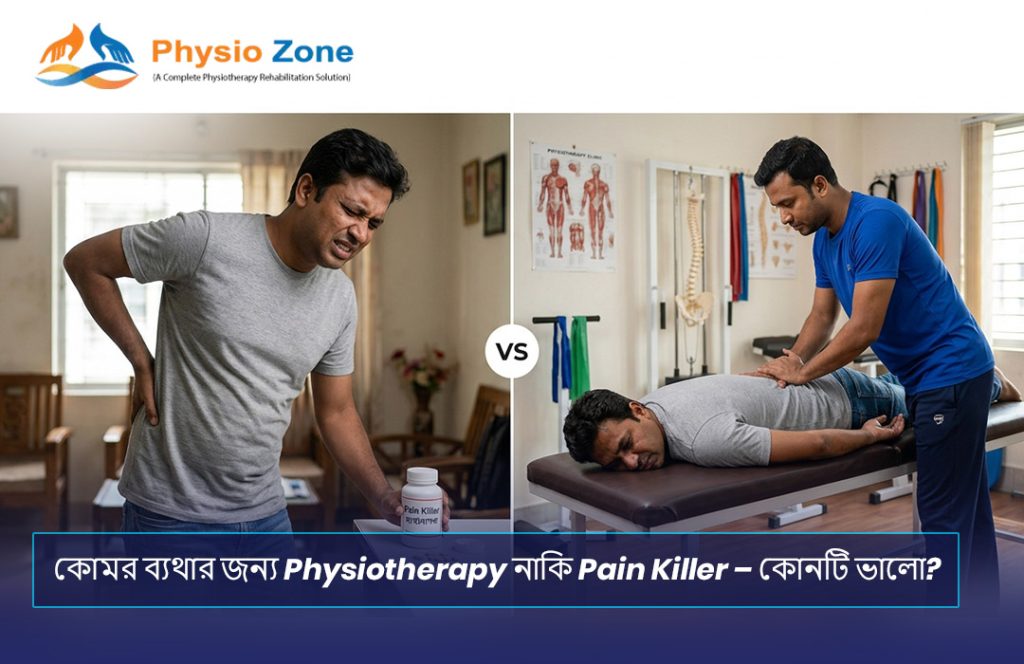
কোমর ব্যথার জন্য Physiotherapy নাকি Pain Killer – কোনটি ভালো?

বর্তমানে কোমর ব্যথা (Low Back Pain) বাংলাদেশের অন্যতম সাধারণ স্বাস্থ্য সমস্যা। অফিসে দীর্ঘক্ষণ বসে কাজ করা, ভুলভাবে ভারী জিনিস তোলা, ব্যায়ামের অভাব, Slip Disc, Sciatica কিংবা বয়সজনিত সমস্যার কারণে কোমর ব্যথা হতে পারে। অনেকেই কোমর ব্যথা শুরু হলেই Pain Killer খেয়ে সাময়িক আরাম পাওয়ার চেষ্টা করেন। আবার অনেকেই Physiotherapy নেওয়ার পরামর্শ দেন। কিন্তু প্রশ্ন হচ্ছে, কোমর ব্যথার জন্য Physiotherapy নাকি Pain Killer – কোনটি সত্যিই ভালো? এই ব্লগে আমরা Pain Killer এবং Physiotherapy-এর মধ্যে পার্থক্য, সুবিধা-অসুবিধা এবং কোন পরিস্থিতিতে কোনটি প্রয়োজন তা বিস্তারিত আলোচনা করবো। কোমর ব্যথা কেন হয়? কোমর ব্যথার অনেক কারণ রয়েছে। যেমন- Muscle Strain Poor Posture Slip Disc Sciatica Sports Injury Arthritis Sedentary Lifestyle Obesity Long Sitting Hours Pregnancy Related Pain Age Related Degeneration অনেক সময় সমস্যার মূল কারণ নির্ণয় না করে শুধুমাত্র Pain Killer খাওয়ার কারণে রোগ দীর্ঘমেয়াদী হয়ে যেতে পারে। Pain Killer কীভাবে কাজ করে? Pain Killer মূলত ব্যথা কমাতে সাহায্য করে। এটি শরীরে ব্যথার অনুভূতি সাময়িকভাবে কমিয়ে দেয়। সাধারণত ব্যবহৃত Pain Killer: Paracetamol NSAIDs Muscle Relaxants Prescription Pain Medicines Pain Killer-এর সুবিধা দ্রুত ব্যথা কমাতে সাহায্য করে। সাময়িক আরাম দেয়। Acute Pain Management-এ কার্যকর হতে পারে। Pain Killer-এর সীমাবদ্ধতা ব্যথার মূল কারণ দূর করে না। দীর্ঘদিন খাওয়া নিরাপদ নয়। কিডনি ও লিভারের ওপর প্রভাব ফেলতে পারে। অনেক ক্ষেত্রে Pain ফিরে আসে। Muscle Weakness এবং Postural Problem ঠিক করতে পারে না। Physiotherapy কীভাবে কাজ করে? Physiotherapy শুধু ব্যথা কমায় না, বরং ব্যথার কারণ নির্ণয় করে সেটির চিকিৎসা করে। একজন Physiotherapist আপনার শরীরের Movement, Muscle Strength, Joint Function এবং Posture মূল্যায়ন করে চিকিৎসা পরিকল্পনা তৈরি করেন। Physiotherapy-এর মাধ্যমে যেসব চিকিৎসা দেওয়া হয়: Manual Therapy Dry Needling LASER Therapy Electrotherapy Strength Training Neural Mobilization Therapeutic Exercise Manipulation Techniques Home Exercise Program কোমর ব্যথার জন্য Physiotherapy কেন কার্যকর? Physiotherapy মূলত তিনটি বিষয়ের ওপর কাজ করে: ১. Pain Relief Manual Therapy LASER Therapy Electrotherapy Dry Needling এর মাধ্যমে দ্রুত ব্যথা কমানো সম্ভব। ২. Root Cause Treatment Physiotherapist মূল কারণ খুঁজে বের করেন, যেমন- Weak Core Muscle Slip Disc Sciatica Poor Sitting Posture Muscle Imbalance Joint Dysfunction শুধুমাত্র ব্যথা কমানো নয়, সমস্যার মূল কারণ দূর করাই Physiotherapy-এর প্রধান লক্ষ্য। ৩. Prevent Future Pain Physiotherapy আপনাকে এমন Exercise এবং Lifestyle Modification শেখায় যা ভবিষ্যতে পুনরায় কোমর ব্যথা হওয়ার সম্ভাবনা অনেক কমিয়ে দেয়। Pain Killer বনাম Physiotherapy – তুলনামূলক আলোচনা বিষয় Pain Killer Physiotherapy Pain Relief দ্রুত দ্রুত এবং দীর্ঘমেয়াদী Root Cause Treatment না হ্যাঁ Long-term Result না হ্যাঁ Side Effects থাকতে পারে খুবই কম Muscle Strength Improvement না হ্যাঁ Posture Correction না হ্যাঁ Prevention না হ্যাঁ Chronic Pain Management সীমিত অত্যন্ত কার্যকর কোন পরিস্থিতিতে Pain Killer প্রয়োজন হতে পারে? কিছু ক্ষেত্রে চিকিৎসকের পরামর্শ অনুযায়ী Pain Killer ব্যবহার করা যেতে পারে। যেমন- Acute Injury Severe Pain Muscle Spasm Initial Pain Management তবে দীর্ঘদিন Pain Killer-এর ওপর নির্ভর করা উচিত নয়। কখন Physiotherapy নেওয়া উচিত? নিচের সমস্যাগুলো থাকলে Physiotherapy নেওয়া জরুরি: কোমর ব্যথা ১ সপ্তাহের বেশি থাকলে হাঁটলে ব্যথা বাড়লে Sciatica Pain থাকলে Slip Disc থাকলে বারবার কোমর ব্যথা হলে Sports Injury থাকলে দীর্ঘদিন বসে কাজ করলে Pain Killer খেলেও ব্যথা না কমলে ঘুম থেকে উঠলে কোমর শক্ত লাগলে Slip Disc হলে কী করবেন? Slip Disc অনেক সময় কোমর ব্যথার অন্যতম কারণ হয়ে দাঁড়ায়। তবে সব Slip Disc রোগীর অপারেশন প্রয়োজন হয় না। Physiotherapy-এর মাধ্যমে অনেক রোগী সফলভাবে সুস্থ হয়ে থাকেন। Internal Link Suggestion: Slip Disc Treatment in Bangladesh – Surgery or Physiotherapy? Sciatica Pain হলে Physiotherapy কি কার্যকর? Sciatica-এর কারণে কোমর থেকে পা পর্যন্ত ব্যথা, ঝিনঝিনি ভাব কিংবা অসাড়তা দেখা দিতে পারে। Sciatica-এর জন্য Physiotherapy-এর মাধ্যমে: Neural Mobilization Manual Therapy Exercise Therapy Postural Correction অত্যন্ত কার্যকর ভূমিকা পালন করে। Internal Link Suggestion: Sciatica Pain Treatment with Physiotherapy LASER Therapy কি কোমর ব্যথায় কার্যকর? বর্তমানে Low-Level LASER Therapy কোমর ব্যথার চিকিৎসায় ব্যাপকভাবে ব্যবহৃত হচ্ছে। এর সুবিধাগুলো হলো: Pain Reduction Faster Tissue Healing Reduced Inflammation Improved Blood Circulation Non-invasive Treatment Physio Zone-এ আধুনিক LASER Therapy ব্যবহারের মাধ্যমে দ্রুত Recovery নিশ্চিত করার চেষ্টা করা হয়। Internal Link Suggestion: LASER Therapy for Pain Relief – Benefits and Uses Manual Therapy কেন গুরুত্বপূর্ণ? Manual Therapy হলো Hands-on Physiotherapy Technique যা Joint এবং Soft Tissue-এর Movement উন্নত করতে সাহায্য করে। এর মাধ্যমে: Muscle Tightness কমে Joint Mobility বাড়ে Chronic Pain কমে Recovery দ্রুত হয় Internal Link Suggestion: Manual Therapy for Chronic Pain Management Dry Needling কি কোমর ব্যথায় উপকারী? Muscle Knot এবং Trigger Point-এর কারণে অনেক সময় কোমর ব্যথা দীর্ঘদিন ধরে থাকে। Dry Needling-এর মাধ্যমে: Muscle Relaxation হয়। Pain কমে। Movement Improve হয়। Recovery Time কমে। Internal Link Suggestion: Dry Needling Therapy – Benefits and Side Effects Sports Injury-এর কারণে কোমর ব্যথা অনেক Sports Person এবং Gym Enthusiast ভুল Exercise Technique-এর কারণে কোমর ব্যথায় ভোগেন। Sports Physiotherapy-এর মাধ্যমে: Injury Assessment Rehabilitation Strength Training Functional Exercise খুবই কার্যকর চিকিৎসা দেওয়া হয়। Internal Link Suggestion: Sports Injury Rehabilitation in Bangladesh Home Physiotherapy কি সম্ভব? যাদের চলাফেরায় সমস্যা রয়েছে অথবা যারা বাসায় চিকিৎসা নিতে চান, তাদের জন্য Home Physiotherapy Service একটি ভালো সমাধান। Home Physiotherapy উপকারী: Elderly Patients Stroke Patients Severe Back Pain Patients Post Surgery Recovery Mobility Issues Internal Link Suggestion: Home Physiotherapy Services in Dhaka Neck Pain এবং কোমর ব্যথার সম্পর্ক অনেক সময় Neck Pain এবং Poor Posture-এর কারণে শরীরের Alignment নষ্ট হয়ে কোমর ব্যথা দেখা দিতে পারে। Physiotherapy-এর মাধ্যমে Posture Correction করে দীর্ঘমেয়াদী সমাধান পাওয়া সম্ভব। Internal Link Suggestion: Neck Pain Treatment Without Surgery in Bangladesh Physiotherapy-এর খরচ কত? বাংলাদেশে Physiotherapy-এর খরচ নির্ভর করে: রোগের ধরন Therapy Type Session সংখ্যা Treatment Duration প্রযুক্তি ব্যবহারের ওপর সঠিক Treatment Plan সম্পর্কে জানতে একজন Physiotherapist-এর মূল্যায়ন অত্যন্ত গুরুত্বপূর্ণ। Internal Link Suggestion: Physiotherapy Cost in Bangladesh – Complete Guide কেন Physiotherapy Center নির্বাচন গুরুত্বপূর্ণ? একটি ভালো Physiotherapy Center-এ থাকা উচিত: Licensed Physiotherapist Modern Electrotherapy Facilities LASER Therapy Manual Therapy Dry Needling Neuro Rehabilitation Strength Training Therapeutic Gym Facilities Personalized Treatment Plan অভিজ্ঞ Physiotherapist এবং Evidence-Based Treatment দীর্ঘমেয়াদী Recovery-এর জন্য গুরুত্বপূর্ণ ভূমিকা পালন করে। Internal Link Suggestion: Best Physiotherapy Center in Uttara, Dhaka Physio Zone-এ যেসব Physiotherapy Services পাওয়া যায় Physio Zone-এ বিভিন্ন ধরনের Physiotherapy ও Rehabilitation Service প্রদান করা হয়, যেমন: Physiotherapy Services Musculoskeletal Physiotherapy Sports Physiotherapy Neurological Physiotherapy Gynecological Physiotherapy Pediatric Physiotherapy Stroke Rehabilitation Advanced Treatment Facilities Manual Physiotherapy Manipulation Therapy Dry Needling LASER Therapy Neural Mobilization Electrotherapy Chiropractic Care

কোমর ব্যথার জন্য Physiotherapy নাকি Pain Killer – কোনটি ভালো? Read More »

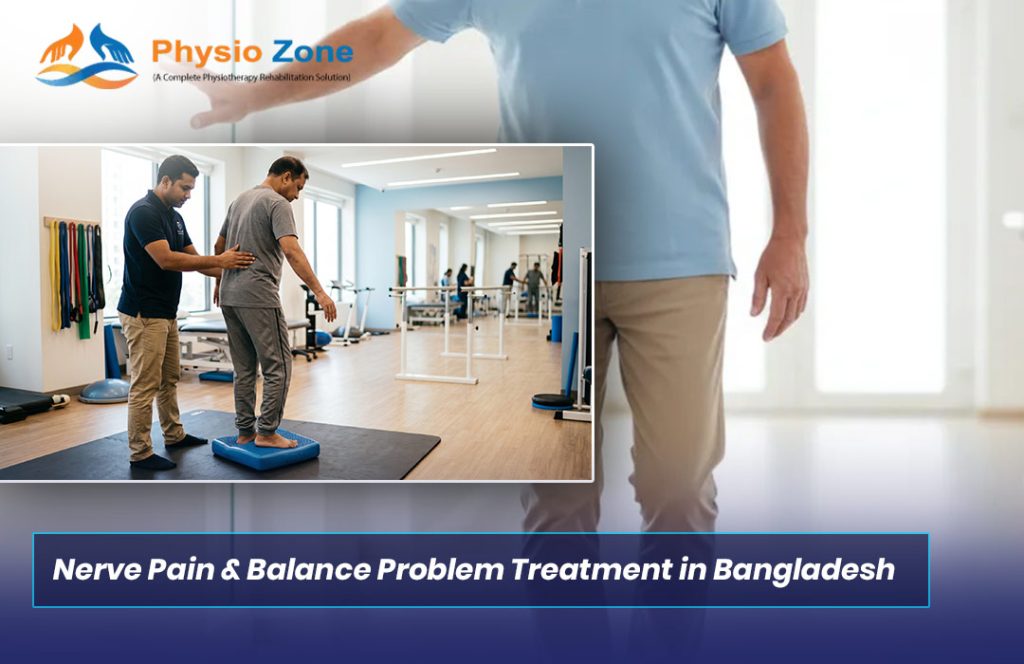
Nerve Pain & Balance Problem Treatment in Bangladesh

Nerve pain and balance problems are common health issues that can affect people of all ages. These conditions often interfere with daily activities, mobility, and overall quality of life. Many individuals experience symptoms such as tingling, numbness, dizziness, weakness, or difficulty maintaining balance, but they may not know that effective treatment options are available. In Bangladesh, specialized physiotherapy and rehabilitation services are helping patients recover from nerve-related disorders and balance problems through evidence-based treatments. Early diagnosis and proper rehabilitation can significantly improve symptoms and restore independence. What Is Nerve Pain? Nerve pain, also known as neuropathic pain, occurs when nerves become damaged or irritated. Unlike muscle or joint pain, nerve pain is caused by problems within the nervous system itself. People with nerve pain may experience: Burning sensation Tingling or “pins and needles” Sharp or shooting pain Numbness Muscle weakness Sensitivity to touch Electric shock-like sensations Nerve pain can affect different parts of the body, including: Neck Lower back Arms Hands Legs Feet Without proper treatment, symptoms may gradually worsen and affect everyday activities. Common Causes of Nerve Pain Several conditions can lead to nerve pain. Some of the most common causes include: 1. Sciatica Sciatica occurs when the sciatic nerve becomes compressed, causing pain that radiates from the lower back down to the leg. Symptoms include: Lower back pain Leg pain Tingling sensation Weakness in the affected leg 2. Cervical Radiculopathy Compression of nerves in the neck can cause: Neck pain Shoulder pain Arm numbness Tingling in fingers 3. Diabetic Neuropathy People with diabetes may develop nerve damage due to prolonged high blood sugar levels. Common symptoms are: Burning feet Numbness Loss of sensation Balance difficulties 4. Peripheral Neuropathy Peripheral nerves carry signals between the brain and body. Damage to these nerves can lead to: Weakness Pain Numbness Reduced coordination 5. Stroke Stroke survivors often experience nerve-related symptoms and balance disorders that require rehabilitation. Learn more about stroke rehabilitation through related articles available on: https://physiozonebd.com/news-blogs/ 6. Vestibular Disorders Problems affecting the inner ear can cause dizziness and balance issues. Common vestibular conditions include: Benign Paroxysmal Positional Vertigo (BPPV) Vestibular neuritis Labyrinthitis Ménière’s disease Understanding Balance Problems Balance is controlled by three systems: Inner ear (vestibular system) Vision Muscles and joints When one or more of these systems are affected, people may experience balance disorders. Symptoms of balance problems include: Dizziness Vertigo Frequent falls Unsteadiness while walking Feeling lightheaded Difficulty standing Loss of coordination These symptoms may become worse while: Walking Climbing stairs Turning the head Standing up quickly Causes of Balance Disorders Inner Ear Disorders The vestibular system inside the ear plays an important role in maintaining balance. Disorders affecting this system can lead to dizziness and instability. Neurological Conditions Conditions such as: Stroke Parkinson’s disease Multiple sclerosis Peripheral neuropathy may impair balance. Aging As people age, muscle strength and sensory feedback decline, increasing the risk of falls. Diabetes Diabetic neuropathy often affects sensation in the feet, making balance more difficult. Head Injury Traumatic brain injuries can disrupt the body’s balance mechanisms. Muscle Weakness Weak muscles reduce stability and increase the likelihood of falling. Signs That You Should Seek Treatment Consult a healthcare professional if you experience: Persistent numbness Burning pain Tingling sensations Weakness in arms or legs Difficulty walking Frequent falls Vertigo Loss of balance Dizziness lasting several days Early treatment can prevent complications and improve recovery. Diagnosis of Nerve Pain and Balance Problems Proper diagnosis is essential to identify the underlying cause. Healthcare professionals may perform: Physical Examination This includes evaluating: Muscle strength Reflexes Sensation Coordination Walking pattern Balance Assessment Special tests are used to assess: Static balance Dynamic balance Fall risk Vestibular function Neurological Examination Doctors evaluate: Nerve function Muscle activity Sensory changes Imaging Tests Depending on symptoms, investigations may include: MRI CT scan X-ray Blood Tests Blood tests may help identify: Diabetes Vitamin deficiencies Infections Treatment for Nerve Pain in Bangladesh Treatment depends on the underlying cause and severity of symptoms. Physiotherapy Physiotherapy is one of the most effective approaches for managing nerve pain. It aims to: Reduce pain Improve mobility Restore strength Enhance flexibility Prevent disability Stretching Exercises Gentle stretches help relieve nerve compression and improve movement. Strengthening Exercises Strengthening weak muscles reduces stress on affected nerves. Postural Correction Poor posture may contribute to nerve compression. Correcting posture can reduce symptoms. Neural Mobilization Neural mobilization techniques help improve nerve movement and decrease pain. Manual Therapy Hands-on techniques are used to: Reduce stiffness Improve joint mobility Enhance circulation Balance Rehabilitation Therapy Balance rehabilitation, also known as vestibular rehabilitation therapy (VRT), is designed to improve stability and reduce dizziness. The goals of treatment include: Improving balance Reducing vertigo Increasing confidence while walking Preventing falls Enhancing quality of life Balance Training Exercises Patients perform exercises that challenge and improve stability. Examples include: Standing on one leg Heel-to-toe walking Weight-shifting exercises Walking with head movements Gaze Stabilization Exercises These exercises help improve visual focus during head movement. They are especially useful for vestibular disorders. Coordination Training Coordination exercises enhance body control and reduce instability. Fall Prevention Programs These programs focus on: Safe mobility Home safety Muscle strengthening Balance improvement Stroke Rehabilitation for Balance Problems Many stroke survivors experience: Weakness Poor coordination Difficulty walking Balance impairment Physiotherapy plays a crucial role in recovery. Treatment may include: Gait training Strengthening exercises Functional training Balance exercises Neuromuscular re-education For more information, you can explore additional rehabilitation topics on: https://physiozonebd.com/news-blogs/ Diabetic Neuropathy Rehabilitation Diabetic neuropathy is a leading cause of nerve pain in Bangladesh. Physiotherapy helps patients: Improve circulation Strengthen muscles Enhance balance Reduce fall risk Increase mobility Patients are also advised to: Control blood sugar levels Maintain healthy body weight Stay physically active Follow a balanced diet Importance of Early Treatment Ignoring nerve pain and balance problems can lead to: Chronic pain Muscle weakness Reduced mobility Falls and injuries Loss of independence Early intervention offers several benefits: Faster recovery Better pain control Improved balance Increased confidence Enhanced quality of life Lifestyle Tips for Managing Nerve Pain and Balance Disorders Stay

Nerve Pain & Balance Problem Treatment in Bangladesh Read More »

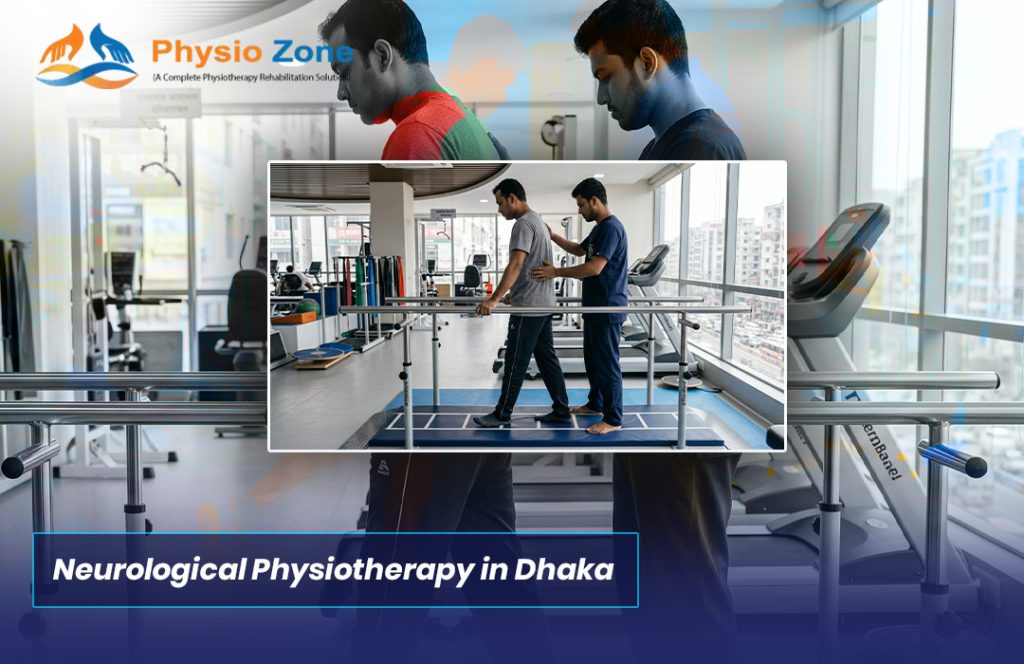
Neurological Physiotherapy in Dhaka

Neurological disorders can significantly affect a person’s ability to move, walk, balance, speak, and perform daily activities. Conditions such as stroke, Parkinson’s disease, spinal cord injury, multiple sclerosis, and facial paralysis often require long-term rehabilitation. Neurological physiotherapy plays a vital role in helping patients regain independence and improve their quality of life. In Dhaka, specialized neurological physiotherapy services are becoming increasingly available, offering advanced rehabilitation programs tailored to each patient’s condition. What Is Neurological Physiotherapy? Neurological physiotherapy is a specialized branch of physiotherapy that focuses on treating conditions affecting the brain, spinal cord, and nervous system. It aims to restore movement, improve balance, increase strength, and help patients regain functional independence. Unlike general physiotherapy, neurological rehabilitation requires a deep understanding of the nervous system and how the brain communicates with muscles and body movements. The primary goals of neurological physiotherapy include: Improving mobility Restoring muscle strength Enhancing balance and coordination Preventing complications Increasing independence in daily activities Improving overall quality of life Common Conditions Treated with Neurological Physiotherapy Neurological physiotherapy in Dhaka helps patients suffering from various neurological disorders. Stroke Rehabilitation Stroke is one of the most common neurological conditions requiring physiotherapy. A stroke can cause weakness, paralysis, speech problems, and difficulty walking. Physiotherapy helps patients: Regain muscle strength Improve walking ability Restore balance Enhance arm and hand function Reduce muscle stiffness Early rehabilitation often leads to better outcomes. Parkinson’s Disease Parkinson’s disease affects movement and coordination. Patients may experience: Tremors Slow movement Muscle stiffness Balance problems Neurological physiotherapy helps improve: Walking patterns Posture Flexibility Coordination Daily functional activities Spinal Cord Injury Damage to the spinal cord can lead to partial or complete paralysis. Physiotherapy focuses on: Strengthening unaffected muscles Improving mobility Preventing pressure sores Training with assistive devices Increasing independence Multiple Sclerosis Multiple sclerosis affects the communication between the brain and body. Therapy helps patients manage: Muscle weakness Fatigue Balance problems Walking difficulties Bell’s Palsy Bell’s palsy causes weakness or paralysis of facial muscles. Physiotherapists use facial exercises and neuromuscular re-education techniques to improve facial movements. Cerebral Palsy Children with cerebral palsy often require neurological physiotherapy to improve: Motor skills Muscle control Coordination Balance Functional independence Guillain-Barré Syndrome Patients recovering from Guillain-Barré Syndrome need rehabilitation to restore: Muscle strength Walking ability Endurance Functional movements Signs You May Need Neurological Physiotherapy You should consult a neurological physiotherapist if you experience: Difficulty walking Poor balance Frequent falls Muscle weakness Paralysis Tremors Loss of coordination Difficulty performing daily activities Reduced arm or leg movement Muscle stiffness Early intervention can greatly improve recovery outcomes. Benefits of Neurological Physiotherapy Neurological rehabilitation provides several benefits. Improves Mobility Patients gradually regain their ability to stand, walk, and move independently. Enhances Balance and Coordination Special exercises improve body control and reduce the risk of falls. Increases Muscle Strength Weak muscles become stronger through targeted rehabilitation exercises. Reduces Spasticity Muscle tightness and stiffness are common after neurological injuries. Physiotherapy helps reduce these symptoms. Promotes Brain Plasticity The brain has the ability to reorganize and form new connections. This process, called neuroplasticity, allows patients to regain lost functions through repeated practice. Prevents Secondary Complications Regular therapy helps prevent: Joint contractures Pressure sores Muscle wasting Poor posture Reduced flexibility Improves Independence Patients become more capable of performing daily tasks without assistance. Enhances Quality of Life Better movement and functional ability contribute to improved confidence and emotional well-being. Assessment Process in Neurological Physiotherapy Before starting treatment, physiotherapists perform a detailed assessment. This includes: Medical History Review Understanding the patient’s diagnosis and symptoms. Muscle Strength Testing Evaluating muscle performance and weakness. Balance Assessment Checking postural control and stability. Gait Analysis Observing walking patterns and movement quality. Range of Motion Examination Assessing joint flexibility. Functional Evaluation Measuring the patient’s ability to perform daily activities. Based on these findings, a personalized rehabilitation plan is developed. Techniques Used in Neurological Physiotherapy Modern neurological rehabilitation uses various evidence-based techniques. Therapeutic Exercises Exercises are designed to improve: Strength Endurance Flexibility Coordination Balance Training Balance exercises help reduce falls and improve confidence during movement. Gait Training Walking training focuses on: Proper posture Step length Weight distribution Speed and stability Functional Training Patients practice real-life activities such as: Sitting Standing Climbing stairs Dressing Transferring from bed to chair Stretching Exercises Stretching helps: Reduce muscle tightness Improve flexibility Prevent joint stiffness Neuromuscular Re-education These techniques help retrain the brain and muscles to work together effectively. Functional Electrical Stimulation (FES) Electrical stimulation activates weakened muscles and promotes recovery. Manual Therapy Hands-on techniques are used to improve joint mobility and reduce pain. Importance of Early Rehabilitation Early neurological rehabilitation is crucial for recovery. Research and clinical experience show that patients who start physiotherapy soon after injury or illness often achieve: Faster recovery Better mobility Improved independence Reduced complications Consistent therapy and family support are also essential factors in successful rehabilitation. Home-Based Neurological Physiotherapy Many patients in Dhaka prefer home physiotherapy services, especially those with severe mobility limitations. Home rehabilitation offers: Convenience Personalized treatment Reduced travel stress Family involvement Comfortable environment Home-based neurological physiotherapy is particularly beneficial for: Stroke patients Elderly individuals Parkinson’s disease patients Patients recovering after surgery Neurological Physiotherapy for Stroke Patients Stroke rehabilitation is one of the most important areas of neurological physiotherapy. Treatment programs typically include: Bed mobility exercises Sitting balance training Standing practice Walking exercises Arm and hand rehabilitation Coordination training Functional activities Recovery varies from patient to patient, and continuous therapy often leads to significant improvements. You may also read related articles: Best Stroke Recovery Physiotherapy in Dhaka Stroke Rehabilitation Therapy in Bangladesh Physiotherapy Center in Dhaka Neurological Rehabilitation Exercises More educational articles can be found here: https://physiozonebd.com/news-blogs/ Choosing the Best Neurological Physiotherapy Center in Dhaka Selecting the right rehabilitation center is important. Consider the following factors: Experienced Physiotherapists Look for therapists with expertise in neurological rehabilitation. Personalized Treatment Plans Every patient has unique needs, so customized programs are essential. Modern Equipment Advanced rehabilitation technologies can improve outcomes. Home Physiotherapy Availability Home visits are useful for patients with severe disabilities. Patient Reviews Positive feedback from previous

Neurological Physiotherapy in Dhaka Read More »

Best Sports Physiotherapy Clinic in Dhaka

Sports injuries are common among professional athletes, gym enthusiasts, football players, cricketers, runners, and even people who regularly exercise. Whether it is a muscle strain, ligament injury, knee pain, shoulder pain, or post-surgery rehabilitation, proper physiotherapy plays an important role in recovery. Finding the best sports physiotherapy clinic in Dhaka can make a significant difference in how quickly and safely you return to your normal activities. A specialized clinic not only helps reduce pain but also improves strength, flexibility, balance, and overall performance. In this article, we will discuss why sports physiotherapy is important, common sports injuries, treatment methods, and what to consider when choosing the best sports physiotherapy clinic in Dhaka. What Is Sports Physiotherapy? Sports physiotherapy is a specialized branch of physiotherapy that focuses on preventing, treating, and rehabilitating injuries related to sports and physical activities. Sports physiotherapists work with: Professional athletes Amateur sports players Gym-goers Runners and cyclists Fitness enthusiasts People recovering from orthopedic surgeries The main goals of sports physiotherapy are: Pain reduction Faster recovery Injury prevention Improved flexibility and mobility Enhanced physical performance Safe return to sports activities Common Sports Injuries Treated by Sports Physiotherapists Sports injuries can affect muscles, tendons, ligaments, joints, and bones. Some of the most common conditions treated in sports physiotherapy clinics include: Knee Injuries Knee injuries are among the most common problems seen in athletes. These include: ACL injuries Meniscus tears Patellar tendinitis Runner’s knee Ligament sprains Sports physiotherapy helps restore strength and stability while reducing pain. Shoulder Injuries Shoulder problems often occur in cricket players, swimmers, and weightlifters. Common conditions include: Rotator cuff injuries Shoulder impingement Frozen shoulder Shoulder instability Tendinitis Specialized rehabilitation exercises can improve mobility and prevent future injuries. Ankle Sprains Ankle injuries frequently occur in football, basketball, badminton, and running activities. Symptoms include: Pain Swelling Difficulty walking Reduced balance Physiotherapy helps regain strength and prevent recurrent sprains. Tennis Elbow Tennis elbow affects not only tennis players but also individuals involved in repetitive hand movements. Symptoms include: Pain around the elbow Weak grip strength Difficulty lifting objects Manual therapy and exercise therapy are highly effective in managing this condition. Hamstring Strain Hamstring injuries are common among runners and football players. Physiotherapy helps: Reduce inflammation Improve flexibility Strengthen muscles Prevent re-injury Back Pain Athletes and gym users often experience lower back pain due to improper posture or excessive strain. Sports physiotherapy can effectively treat: Muscle spasms Disc-related problems Mechanical back pain Postural dysfunction Why Sports Physiotherapy Is Important Many people rely only on painkillers after an injury. However, pain medication does not address the root cause of the problem. Sports physiotherapy offers several benefits: Faster Recovery A structured rehabilitation program helps injured tissues heal properly and allows a quicker return to sports activities. Pain Relief Advanced techniques such as manual therapy and exercise therapy reduce pain naturally without depending on medication. Injury Prevention Physiotherapists identify weaknesses and movement problems that may lead to future injuries. Improved Performance Strengthening muscles and improving mobility enhance athletic performance. Better Balance and Coordination Sports physiotherapy improves body mechanics and reduces the risk of falls and recurrent injuries. Conditions Commonly Treated at Sports Physiotherapy Clinics Sports physiotherapists in Dhaka treat: Ligament injuries Muscle strains Tendon injuries Knee pain Shoulder pain Neck pain Back pain Hip pain Sciatica Shin splints Plantar fasciitis Achilles tendon injuries Sports fractures Post-operative rehabilitation Running injuries Treatment Techniques Used in Sports Physiotherapy Modern sports physiotherapy clinics in Dhaka use various evidence-based treatment methods. Manual Therapy Manual therapy involves hands-on techniques to improve joint mobility and reduce pain. Benefits include: Reduced stiffness Improved movement Better blood circulation Faster recovery Exercise Therapy Exercise therapy is one of the most important parts of rehabilitation. Customized exercises help: Increase muscle strength Improve flexibility Enhance balance Prevent future injuries Dry Needling Dry needling is commonly used for: Muscle tightness Trigger points Chronic pain It helps reduce muscle tension and improve mobility. Electrotherapy Electrotherapy may include: TENS Ultrasound therapy Interferential therapy These techniques help reduce inflammation and pain. Sports Massage Sports massage promotes: Muscle relaxation Improved circulation Faster healing Reduced soreness Balance and Proprioception Training This training is especially useful for: Ankle injuries Knee ligament injuries Athletes returning to sports It improves stability and coordination. Signs You Need Sports Physiotherapy You should consult a sports physiotherapist if you experience: Persistent pain during exercise Swelling around joints Difficulty walking or running Reduced range of motion Muscle weakness Frequent injuries Joint instability Slow recovery after injury Early treatment can prevent complications and speed up recovery. What Makes the Best Sports Physiotherapy Clinic in Dhaka? Not all clinics provide the same quality of care. When choosing a clinic, consider the following factors. Experienced Physiotherapists Qualified physiotherapists understand sports-related injuries and design personalized treatment plans. Individual Assessment Every patient is different. A good clinic performs a thorough assessment before beginning treatment. Evidence-Based Treatment Modern clinics use scientifically proven rehabilitation techniques rather than relying solely on machines. Advanced Equipment State-of-the-art equipment improves treatment effectiveness and patient comfort. Personalized Exercise Programs Customized exercises provide better outcomes and reduce the risk of re-injury. Patient Education Education about posture, movement patterns, and injury prevention is essential for long-term success. Sports Physiotherapy for Different Athletes Football Players Common injuries include: ACL tears Hamstring strains Ankle sprains Rehabilitation focuses on: Strength Agility Speed Balance Cricket Players Cricketers frequently suffer from: Shoulder injuries Tennis elbow Lower back pain Physiotherapy helps restore mobility and improve performance. Runners Running-related injuries include: Shin splints Achilles tendonitis Knee pain Treatment includes gait analysis and strengthening exercises. Gym Enthusiasts Weightlifting injuries commonly affect: Shoulders Knees Lower back Sports physiotherapists help individuals return safely to training. Role of Rehabilitation After Surgery Post-operative rehabilitation is extremely important after: ACL reconstruction Knee replacement surgery Shoulder surgery Fracture fixation Physiotherapy helps patients: Regain mobility Reduce pain Restore muscle strength Return to sports safely How Long Does Recovery Take? Recovery time depends on: Severity of injury Age Overall health Treatment compliance Type of rehabilitation program Examples: Mild ankle sprain: 2–6 weeks Muscle strain: 3–8 weeks

Best Sports Physiotherapy Clinic in Dhaka Read More »

Sports Injury Physiotherapy in Bangladesh

Sports and physical activities are important for maintaining a healthy lifestyle. However, injuries are common among athletes, fitness enthusiasts, and even people who exercise regularly. Whether you are a professional player, a weekend footballer, or someone who enjoys jogging, a sports injury can affect your daily life and performance. Fortunately, sports injury physiotherapy in Bangladesh has become increasingly advanced and accessible. With proper assessment, personalized treatment plans, and rehabilitation programs, physiotherapy helps patients recover safely and return to their normal activities as quickly as possible. What Is Sports Injury Physiotherapy? Sports injury physiotherapy is a specialized branch of physiotherapy that focuses on the prevention, diagnosis, treatment, and rehabilitation of injuries caused by sports and physical activities. The main goals of sports physiotherapy are: Reduce pain and inflammation Restore mobility and flexibility Improve muscle strength Prevent future injuries Help patients return to sports safely Sports physiotherapists use evidence-based techniques and customized exercise programs to promote long-term recovery. Common Sports Injuries Sports injuries can happen due to sudden trauma, improper training, poor posture, overuse, or inadequate warm-up. Some of the most common sports injuries include: 1. Sprains and Strains Sprains affect ligaments, while strains affect muscles and tendons. These injuries are common among football players, runners, and gym-goers. Symptoms include: Pain Swelling Bruising Difficulty moving the affected area 2. Knee Injuries The knee is one of the most frequently injured joints during sports activities. Common knee problems include: ACL injuries Meniscus tears Runner’s knee Patellar tendonitis Physiotherapy plays an essential role in restoring knee function and preventing complications. 3. Shoulder Injuries Sports like cricket, badminton, swimming, and tennis often cause shoulder problems. Common conditions include: Rotator cuff injuries Shoulder impingement Frozen shoulder Dislocation 4. Ankle Injuries Twisting the ankle during running or jumping can lead to ligament damage. Symptoms may include: Swelling Pain while walking Instability Limited movement 5. Tennis Elbow Tennis elbow is not limited to tennis players. It can affect anyone who performs repetitive arm movements. Symptoms include: Elbow pain Weak grip strength Difficulty lifting objects 6. Hamstring Injuries Hamstring strains are common among footballers and athletes involved in sprinting activities. Without proper rehabilitation, these injuries often recur. 7. Back Pain and Muscle Injuries Weightlifting, cricket, and prolonged physical activity can lead to lower back pain and muscle injuries. Physiotherapy helps strengthen the spine and improve posture. Causes of Sports Injuries Several factors increase the risk of sports injuries: Lack of Warm-Up Starting intense exercise without warming up can strain muscles and joints. Overtraining Excessive training without adequate rest may lead to muscle fatigue and overuse injuries. Poor Technique Incorrect movement patterns increase stress on muscles and ligaments. Inadequate Equipment Using improper footwear or sports equipment can contribute to injuries. Muscle Weakness Weak muscles and poor flexibility increase the chances of injury. Previous Injuries A previous injury that was not fully rehabilitated may recur. Signs You Should Visit a Physiotherapist Many people ignore pain and continue playing, which can worsen the injury. Seek professional help if you experience: Persistent pain Swelling Joint stiffness Reduced range of motion Difficulty walking or running Muscle weakness Instability during movement Recurring injuries Early intervention can shorten recovery time and prevent chronic problems. How Sports Injury Physiotherapy Helps Sports physiotherapy provides a comprehensive approach to healing and rehabilitation. Detailed Assessment The physiotherapist evaluates: Pain location Muscle strength Joint mobility Balance and coordination Movement patterns A proper diagnosis helps develop an individualized treatment plan. Pain Management Various techniques are used to reduce pain, including: Manual therapy Soft tissue mobilization Joint mobilization Therapeutic exercises Pain relief is one of the first priorities during treatment. Restoring Mobility Stiff joints and muscles can limit performance. Stretching and mobility exercises help restore normal movement. Strengthening Exercises Weak muscles increase the likelihood of re-injury. Strength training focuses on: Core muscles Legs Arms Back Shoulders Progressive strengthening improves overall athletic performance. Balance and Coordination Training Sports require excellent balance and coordination. Physiotherapists design programs to improve: Stability Proprioception Functional movement This reduces the risk of future injuries. Return-to-Sport Rehabilitation Returning to sports too early can cause re-injury. Sports physiotherapy follows a gradual rehabilitation process that ensures: Full recovery Improved strength Better flexibility Safe return to activity Advanced Physiotherapy Techniques Used in Bangladesh Modern physiotherapy clinics in Bangladesh offer various evidence-based treatment methods. Manual Therapy Hands-on techniques help: Reduce pain Improve joint mobility Relax muscles Exercise Therapy Customized exercise programs are the foundation of successful rehabilitation. Dry Needling Dry needling is used to release muscle tightness and trigger points. Taping Techniques Sports taping provides support to injured muscles and joints. Balance Training Balance exercises improve coordination and help prevent falls and recurrent injuries. Functional Rehabilitation This approach focuses on movements that mimic sports activities, helping athletes return to competition safely. Sports Physiotherapy for Different Athletes Football Players Football injuries commonly affect: Knees Ankles Hamstrings Groin muscles Physiotherapy helps improve strength, agility, and flexibility. Cricket Players Cricket players often experience: Shoulder injuries Back pain Elbow problems Targeted rehabilitation improves performance and reduces injury risk. Runners Running-related injuries include: Shin splints Runner’s knee Achilles tendonitis Physiotherapy corrects biomechanical issues and improves running efficiency. Gym Enthusiasts Improper lifting techniques can lead to: Shoulder pain Lower back pain Muscle strains Exercise correction and strengthening programs help prevent recurrence. Badminton Players Rapid movements and repetitive arm actions frequently cause: Shoulder pain Knee injuries Ankle sprains Physiotherapy promotes safe recovery and better performance. Importance of Early Treatment Ignoring sports injuries may lead to: Chronic pain Reduced performance Muscle weakness Joint instability Long-term disability Early physiotherapy treatment offers several benefits: Faster recovery Reduced pain Improved flexibility Lower risk of surgery Prevention of future injuries Preventing Sports Injuries Prevention is always better than treatment. Warm Up Before Exercise A proper warm-up prepares muscles and joints for activity. Stretch Regularly Stretching improves flexibility and reduces muscle tightness. Use Proper Equipment Appropriate footwear and sports gear minimize injury risks. Strength Training Strong muscles support joints and improve stability. Avoid Overtraining Adequate rest allows muscles to recover and prevents overuse injuries. Maintain Proper

Sports Injury Physiotherapy in Bangladesh Read More »

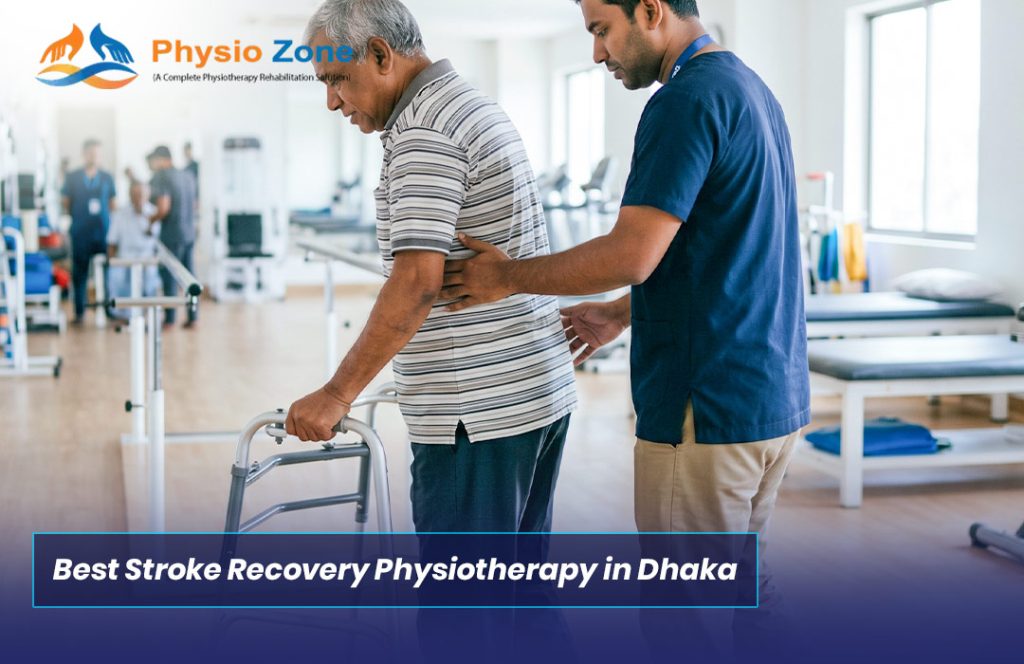
Best Stroke Recovery Physiotherapy in Dhaka

Stroke is one of the leading causes of disability worldwide, and many people in Bangladesh experience physical challenges after a stroke. Weakness, difficulty walking, balance problems, speech issues, and reduced independence are common problems faced by stroke survivors. Fortunately, proper rehabilitation and physiotherapy can significantly improve recovery and quality of life. If you are looking for the best stroke recovery physiotherapy in Dhaka, understanding the importance of early rehabilitation and choosing the right treatment approach can make a huge difference. Modern physiotherapy helps patients regain movement, strength, coordination, and confidence while reducing complications associated with stroke. What Is a Stroke? A stroke occurs when the blood supply to a part of the brain is interrupted. This interruption causes damage to brain cells, affecting different body functions depending on the area involved. There are two major types of stroke: Ischemic Stroke (caused by blood clots) Hemorrhagic Stroke (caused by bleeding in the brain) Stroke can affect: Muscle strength Walking ability Balance and coordination Speech and swallowing Memory and cognitive function Daily activities Because every stroke is different, each patient requires an individualized rehabilitation program. Why Physiotherapy Is Important After Stroke Stroke rehabilitation is essential because the brain has the ability to reorganize itself through a process known as neuroplasticity. Physiotherapy uses repetitive exercises and functional training to help the brain create new pathways and regain lost functions. The main goals of stroke physiotherapy include: Restoring mobility Improving muscle strength Enhancing balance and coordination Preventing muscle stiffness Increasing independence Reducing the risk of falls Improving overall quality of life Early rehabilitation often produces better outcomes than delayed treatment. Common Problems After Stroke Every stroke survivor experiences different symptoms. Some of the most common issues include: Weakness on One Side of the Body Many patients develop weakness or paralysis affecting one side. This can make walking, standing, and daily activities difficult. Balance Problems Poor balance increases the risk of falling and injury. Muscle Tightness Spasticity and stiffness can restrict movement and cause discomfort. Difficulty Walking Patients may struggle with: Standing up Climbing stairs Walking independently Hand Function Problems Loss of hand movement affects activities like: Eating Writing Dressing Holding objects Speech and Swallowing Issues Some stroke survivors experience communication difficulties or problems swallowing food safely. Benefits of Stroke Physiotherapy Professional physiotherapy offers numerous benefits: Faster Recovery Regular exercise and guided treatment accelerate functional improvements. Improved Mobility Patients gradually regain the ability to: Sit Stand Walk Climb stairs Better Muscle Strength Strengthening exercises help restore movement and prevent weakness. Reduced Pain and Stiffness Stretching and mobility exercises minimize joint problems. Enhanced Balance Balance training reduces the chances of falling. Greater Independence Patients become more capable of performing daily activities without assistance. Improved Quality of Life Stroke rehabilitation promotes confidence and social participation. When Should Stroke Rehabilitation Start? Experts recommend beginning rehabilitation as early as possible after medical stabilization. Early intervention helps maximize recovery potential and reduce long-term disability. Generally, rehabilitation can start: Within 24–72 hours after stroke (under medical supervision) During hospitalization After discharge at home or in rehabilitation centers Delaying therapy can result in: Muscle contractures Joint stiffness Loss of mobility Poor functional outcomes Physiotherapy Techniques Used for Stroke Recovery Functional Exercise Training Therapists focus on activities patients need in daily life, such as: Standing Walking Sitting Reaching Grasping objects These exercises improve independence. Range of Motion Exercises These exercises prevent stiffness and maintain joint flexibility. Benefits include: Reduced pain Better mobility Prevention of contractures Strength Training Muscle weakness is common after stroke. Strengthening exercises target: Arms Legs Core muscles This improves overall physical performance. Balance Training Balance exercises help patients: Stand steadily Walk safely Prevent falls Examples include: Weight shifting Standing exercises Stability activities Gait Training Walking retraining is one of the most important components of stroke rehabilitation. Therapists help patients: Improve posture Increase walking speed Enhance coordination Build confidence Advanced gait training methods are often used in neurological rehabilitation centers. Neurodevelopmental Therapy This approach aims to restore normal movement patterns and improve motor control. It focuses on: Posture Balance Muscle coordination Electrical Stimulation Electrical stimulation may assist weakened muscles and improve movement in selected patients. Modern rehabilitation centers often include electrotherapy as part of treatment programs. Home Exercise Programs Home exercises are essential because recovery depends on repetition and consistency. Patients are encouraged to practice regularly to maximize brain plasticity and functional improvement. Stages of Stroke Recovery Acute Stage Occurs immediately after stroke. Goals include: Preventing complications Positioning Gentle movement exercises Subacute Stage During this phase, therapists work on: Sitting balance Standing Walking Functional training Chronic Stage Even months or years after stroke, patients can still make improvements with proper rehabilitation. Treatment focuses on: Strength Mobility Endurance Independence Signs That Indicate You Need Professional Stroke Physiotherapy Seek physiotherapy if a stroke survivor experiences: Weakness in arms or legs Difficulty walking Loss of balance Frequent falls Muscle stiffness Paralysis Difficulty standing Reduced hand function Lack of independence Early treatment generally provides better outcomes. Home Physiotherapy for Stroke Patients Many stroke patients have difficulty traveling. Home physiotherapy services are becoming increasingly popular in Dhaka because they offer: Convenience Patients receive treatment in familiar surroundings. Personalized Attention Therapists tailor exercises according to individual needs. Better Family Involvement Caregivers learn how to assist safely. Increased Comfort Patients often feel more relaxed at home. Role of Family Members During Recovery Family support plays a crucial role in stroke rehabilitation. Caregivers should: Encourage exercise participation. Provide emotional support. Ensure medication compliance. Promote independence. Avoid doing everything for the patient. Maintain a safe environment. Recovery becomes more successful when family members actively participate. How Long Does Stroke Recovery Take? Recovery time varies depending on: Severity of stroke Age of the patient Overall health Speed of rehabilitation Consistency of exercises Some patients recover within several months, while others may require years of rehabilitation. Progress usually continues over time with proper therapy and dedication. Features of the Best Stroke Recovery Physiotherapy Center in Dhaka When choosing a rehabilitation center, look for: Experienced Physiotherapists Professionals with neurological rehabilitation expertise can

Best Stroke Recovery Physiotherapy in Dhaka Read More »

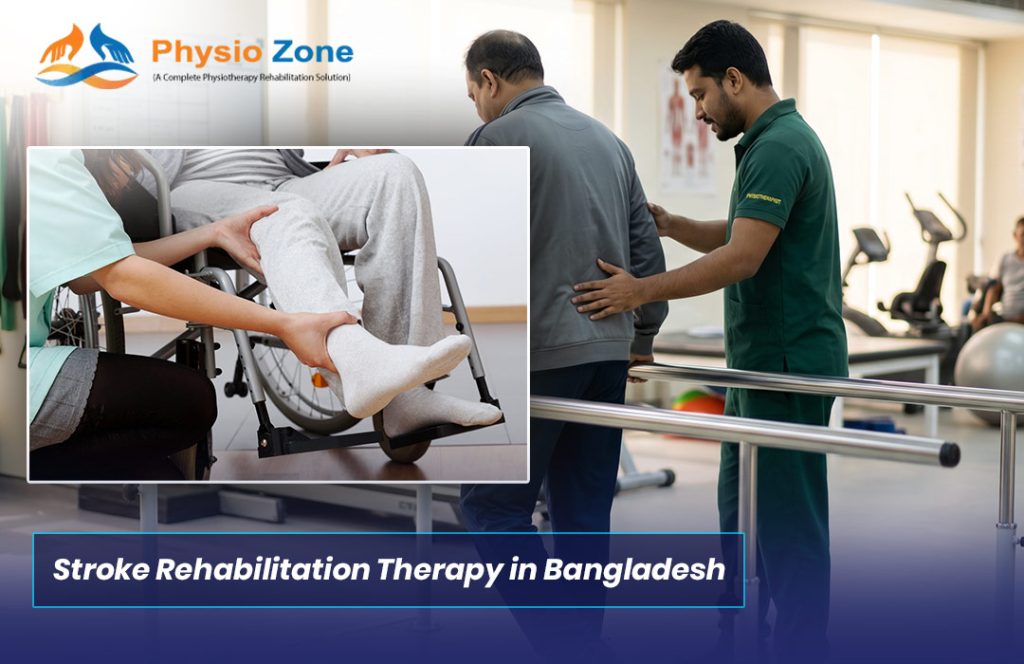
Stroke Rehabilitation Therapy in Bangladesh

Stroke is one of the leading causes of disability around the world, including Bangladesh. Many people who survive a stroke face difficulties with movement, speech, balance, and daily activities. However, with proper rehabilitation therapy, patients can regain independence and improve their quality of life. Stroke rehabilitation therapy plays an important role in helping stroke survivors recover physically, mentally, and emotionally. In Bangladesh, the demand for professional stroke rehabilitation services is increasing as more people become aware of the benefits of early and structured physiotherapy. If you or a loved one is recovering from a stroke, understanding rehabilitation therapy can help you make better decisions and achieve better results. What Is Stroke Rehabilitation Therapy? Stroke rehabilitation therapy is a specialized treatment program designed to help stroke survivors recover lost functions and regain independence. It includes various therapies that focus on improving movement, muscle strength, balance, coordination, speech, and daily living skills. The main goal of rehabilitation is to help patients return to their normal lives as much as possible. For more information about physiotherapy services, visit: Why Is Stroke Rehabilitation Important? A stroke can affect different parts of the brain. Depending on the area involved, patients may experience: Weakness on one side of the body Difficulty walking Loss of balance Muscle stiffness Speech problems Swallowing difficulties Memory and cognitive issues Difficulty performing daily activities Without proper rehabilitation, these problems may become permanent. Early rehabilitation significantly increases the chances of recovery. Learn more about neurological physiotherapy at: Understanding Stroke in Bangladesh Stroke has become a major health concern in Bangladesh. Factors such as high blood pressure, diabetes, smoking, obesity, and lack of physical activity contribute to the growing number of stroke cases. Many patients are now seeking professional rehabilitation services because recovery does not end after hospital discharge. Continuous therapy is necessary to improve mobility and restore function. Read more: When Should Stroke Rehabilitation Begin? Rehabilitation should start as early as possible. In many cases, therapy begins within 24 to 48 hours after the patient’s condition becomes stable. Early rehabilitation offers several advantages: Faster recovery Reduced complications Improved muscle strength Better balance and coordination Increased independence Lower risk of long-term disability For expert guidance, visit: Goals of Stroke Rehabilitation Therapy Every patient has unique needs, but the common goals include: Restoring Movement Physiotherapy helps improve the movement of affected arms and legs through targeted exercises and training. Improving Balance Balance problems are common after a stroke. Rehabilitation exercises help reduce the risk of falls. Increasing Muscle Strength Strengthening exercises help weak muscles become stronger and more functional. Reducing Muscle Stiffness Stretching techniques and therapeutic exercises help manage spasticity and improve flexibility. Enhancing Walking Ability Gait training helps patients regain confidence and independence while walking. Improving Daily Activities Therapists teach patients how to perform everyday tasks such as dressing, bathing, and eating. Learn about musculoskeletal physiotherapy: Types of Stroke Rehabilitation Therapy Physiotherapy Physiotherapy is one of the most important components of stroke recovery. It focuses on: Muscle strengthening Range of motion exercises Balance training Walking exercises Coordination improvement Posture correction Read more: Occupational Therapy Occupational therapy helps patients regain the ability to perform daily activities independently. These activities include: Eating Dressing Writing Bathing Using household items Speech and Language Therapy Some stroke survivors experience communication difficulties. Speech therapy helps improve: Speaking Understanding language Reading Writing Swallowing function Cognitive Rehabilitation This therapy addresses problems related to: Memory Attention Concentration Problem-solving skills Common Problems After Stroke Weakness on One Side of the Body Hemiplegia or hemiparesis is common after a stroke. Patients often struggle with movement and coordination. Muscle Tightness Spasticity causes muscles to become stiff and difficult to move. Difficulty Walking Walking problems can affect confidence and increase the risk of falls. Balance Disorders Poor balance makes everyday activities challenging. Shoulder Pain Many stroke patients experience pain in the shoulder due to muscle weakness and improper positioning. Speech Problems Communication difficulties can affect social interaction and emotional well-being. Learn more about balance rehabilitation: Benefits of Stroke Rehabilitation Therapy Stroke rehabilitation offers many benefits: Improves mobility Enhances muscle strength Increases flexibility Reduces pain Improves balance Promotes independence Enhances quality of life Reduces complications Prevents secondary disabilities Builds confidence For more details, visit: Physiotherapy Techniques Used in Stroke Rehabilitation Range of Motion Exercises These exercises prevent joint stiffness and maintain flexibility. Strengthening Exercises Strength training helps improve muscle function and mobility. Balance Training Balance exercises help patients stand and walk safely. Gait Training Therapists teach proper walking patterns to improve mobility. Functional Training Patients practice real-life activities to regain independence. Stretching Exercises Stretching reduces muscle tightness and improves flexibility. Read more: Importance of Home Exercise Programs Recovery continues even after leaving the clinic. Home exercise programs are essential because they: Promote faster improvement Maintain flexibility Increase muscle strength Prevent complications Support long-term recovery Patients should follow exercises prescribed by qualified physiotherapists. Visit: Stroke Rehabilitation for Elderly Patients Older adults are at higher risk of stroke. Rehabilitation therapy helps elderly patients: Improve mobility Maintain independence Reduce fall risks Improve balance Enhance quality of life Even elderly patients can achieve significant improvements with consistent therapy. How Long Does Stroke Recovery Take? Recovery time varies from person to person. Some patients improve within weeks, while others may require months or years of rehabilitation. Factors affecting recovery include: Severity of the stroke Age of the patient General health condition Early initiation of therapy Frequency of rehabilitation sessions Family support Learn more: The Role of Family Support Family members play an important role in recovery. They can help by: Encouraging exercise Assisting with daily activities Providing emotional support Ensuring medication compliance Helping patients maintain a healthy lifestyle Positive support often leads to better outcomes. Preventing Another Stroke Lifestyle changes are important to reduce the risk of future strokes. Control Blood Pressure High blood pressure is one of the biggest risk factors. Manage Diabetes Keeping blood sugar levels under control is essential. Quit Smoking Smoking significantly increases stroke risk. Exercise Regularly Physical activity improves cardiovascular health. Maintain a Healthy Diet Eating

Stroke Rehabilitation Therapy in Bangladesh Read More »

Message Us on WhatsApp