Skip to content
Sat–Thu · 10 am–9 pm · Uttara, Dhaka

Blogs

Musculoskeletal Physiotherapy in Dhaka

Musculoskeletal physiotherapy is one of the most effective treatments for people suffering from pain, stiffness, muscle weakness, joint problems, and movement limitations. In Dhaka, many people experience neck pain, back pain, shoulder pain, knee pain, sports injuries, and arthritis because of busy lifestyles, long office hours, poor posture, and lack of physical activity. Musculoskeletal physiotherapy focuses on restoring normal movement, reducing pain, improving flexibility, and helping people return to their daily activities without discomfort. Whether the problem is recent or long-term, proper physiotherapy treatment can provide lasting relief without depending only on medicines. What is Musculoskeletal Physiotherapy? Musculoskeletal physiotherapy is a specialized branch of physiotherapy that treats conditions affecting: Muscles Bones Joints Ligaments Tendons Soft tissues Spine Physiotherapists use different techniques and exercises to improve mobility and reduce pain. The treatment plan is designed according to each patient’s condition and goals. If you are looking for professional physiotherapy care, visit: https://physiozonebd.com/ You can also learn more about physiotherapy services from: Common Musculoskeletal Problems Musculoskeletal physiotherapy can help treat a wide range of conditions, including: Neck Pain Long hours of computer use, poor posture, and stress often lead to neck pain. Physiotherapy helps reduce stiffness and improve neck movement. Related service: Lower Back Pain Lower back pain is one of the most common problems among office workers and older adults. Physiotherapy focuses on strengthening the back muscles and correcting posture. Learn more: Shoulder Pain Frozen shoulder, tendon injuries, and muscle strains can make daily activities difficult. Physiotherapy helps restore shoulder movement and reduce pain. Knee Pain Knee pain may occur because of arthritis, ligament injuries, sports injuries, or age-related changes. Physiotherapy strengthens the muscles around the knee and improves stability. Arthritis People with arthritis often experience pain and joint stiffness. Physiotherapy exercises help maintain joint mobility and improve quality of life. Sports Injuries Athletes and physically active individuals may suffer from muscle strains, ligament injuries, and tendon problems. Physiotherapy speeds up recovery and prevents future injuries. Read more: Sciatica Sciatica causes pain that travels from the lower back to the legs. Physiotherapy helps relieve nerve pressure and improve mobility. Postural Problems Poor sitting habits and long working hours can lead to posture-related pain. Physiotherapists teach proper posture and exercises to prevent complications. Symptoms That Indicate You Need Musculoskeletal Physiotherapy You should consider visiting a physiotherapist if you experience: Persistent pain in muscles or joints Difficulty walking or moving Stiffness after waking up Reduced flexibility Swelling around joints Muscle weakness Recurrent injuries Difficulty performing daily activities Pain after sports or exercise Neck and back pain caused by prolonged sitting Early treatment often prevents the condition from becoming severe. Causes of Musculoskeletal Disorders Several factors can contribute to musculoskeletal problems, including: Poor Posture Improper sitting and standing positions place excessive stress on muscles and joints. Lack of Exercise Weak muscles are more vulnerable to pain and injury. Aging As people age, joint degeneration and muscle weakness become more common. Sports Injuries Sudden movements and overuse injuries can damage muscles and ligaments. Obesity Excess body weight increases pressure on joints, especially the knees and lower back. Repetitive Activities Repeated movements at work or home may cause tendon and muscle problems. Trauma and Accidents Falls, fractures, and accidents can affect mobility and cause long-term pain. How Musculoskeletal Physiotherapy Works Musculoskeletal physiotherapy begins with a detailed assessment. The physiotherapist evaluates: Pain level Range of motion Muscle strength Joint mobility Posture Walking pattern Functional limitations Based on the findings, a personalized treatment plan is created. Treatment Techniques Used in Musculoskeletal Physiotherapy Exercise Therapy Specific exercises improve strength, flexibility, and mobility. Manual Therapy Hands-on techniques help reduce pain and improve joint movement. Stretching Exercises Stretching helps relieve tight muscles and improve flexibility. Posture Correction Correct posture reduces stress on the spine and joints. Dry Needling Dry needling may help relieve muscle tension and trigger points. Electrotherapy Advanced modalities such as TENS and ultrasound therapy can assist in pain management. Soft Tissue Mobilization This technique improves blood circulation and reduces muscle stiffness. Balance and Coordination Training These exercises improve movement control and prevent falls. Learn more about rehabilitation services: Benefits of Musculoskeletal Physiotherapy Musculoskeletal physiotherapy offers several benefits, including: Pain Relief Physiotherapy targets the root cause of pain instead of only masking symptoms. Improved Mobility Patients regain normal movement and flexibility. Increased Muscle Strength Strengthening exercises support joints and reduce stress. Better Posture Proper posture prevents future injuries. Reduced Dependence on Medication Many patients can manage pain effectively without excessive use of painkillers. Faster Recovery Physiotherapy helps individuals return to work and daily activities sooner. Prevention of Future Injuries Education and exercise programs lower the risk of recurring problems. Conditions Commonly Treated in Dhaka People in Dhaka frequently seek physiotherapy for: Cervical spondylosis Lumbar spondylosis Frozen shoulder Tennis elbow Golfer’s elbow Osteoarthritis Rheumatoid arthritis Sciatica Knee pain Heel pain Muscle strain Ligament injuries Disc problems Postural pain syndrome Importance of Early Physiotherapy Ignoring pain can make the condition worse over time. Early physiotherapy helps: Prevent chronic pain Avoid surgery in some cases Restore normal activities Improve physical function Enhance quality of life Seeking treatment at an early stage usually leads to faster recovery. Musculoskeletal Physiotherapy for Office Workers Office workers in Dhaka often suffer from: Neck pain Upper back pain Lower back pain Shoulder stiffness Wrist pain Poor ergonomics and prolonged sitting are major causes. Physiotherapy can help by: Teaching proper posture Recommending workstation adjustments Providing stretching exercises Strengthening weak muscles Musculoskeletal Physiotherapy for Older Adults Aging can lead to: Arthritis Muscle weakness Balance problems Joint stiffness Physiotherapy helps older adults remain independent and maintain mobility. Related article: Musculoskeletal Physiotherapy for Athletes Athletes require proper rehabilitation to: Recover from injuries Improve performance Prevent recurrence Strengthen muscles Increase flexibility Sports physiotherapy programs are tailored according to the individual’s activity level. Learn more: Why Choose Professional Physiotherapy Treatment? Professional physiotherapists provide: Accurate assessment Evidence-based treatment Personalized exercise plans Advanced rehabilitation techniques Continuous monitoring of progress This approach ensures safe and effective recovery. Why Choose PHYSIO ZONE for Musculoskeletal Physiotherapy in

Musculoskeletal Physiotherapy in Dhaka Read More »

Best Physiotherapy Center in Dhaka – PHYSIO ZONE

Finding the right physiotherapy center is important for recovering from pain, injuries, and movement problems. Whether you are suffering from back pain, neck pain, sports injuries, stroke complications, or neurological conditions, proper physiotherapy treatment can help you regain your normal life. Among the many physiotherapy clinics in Bangladesh, PHYSIO ZONE has established itself as one of the best physiotherapy centers in Dhaka. With experienced physiotherapists, modern treatment techniques, and personalized rehabilitation programs, PHYSIO ZONE is committed to helping patients recover safely and effectively. In this article, we will discuss why PHYSIO ZONE is considered one of the top choices for physiotherapy treatment in Dhaka and the services available for different conditions. Why Physiotherapy Is Important Physiotherapy is a specialized healthcare service that helps patients restore movement, reduce pain, and improve physical function. It is beneficial for people of all ages, from children to elderly individuals. Physiotherapy can help with: Chronic back pain Neck pain Frozen shoulder Sports injuries Arthritis Knee pain Sciatica Stroke rehabilitation Balance disorders Paralysis Post-surgical rehabilitation Neurological conditions Early physiotherapy treatment can reduce pain, improve mobility, and prevent complications in the future. About PHYSIO ZONE PHYSIO ZONE is a trusted physiotherapy center in Dhaka that provides advanced rehabilitation services for various physical and neurological conditions. The clinic focuses on evidence-based treatment and patient-centered care. The main goal of PHYSIO ZONE is to help patients recover naturally without unnecessary medication or surgery whenever possible. Patients choose PHYSIO ZONE because of: Experienced physiotherapists Individualized treatment plans Modern equipment Friendly environment Affordable treatment cost Comprehensive rehabilitation programs Personalized patient care Experienced Physiotherapists One of the major strengths of PHYSIO ZONE is its team of qualified and experienced physiotherapists. Every patient receives a detailed assessment before treatment begins. The therapists identify the root cause of the problem and create a customized rehabilitation program according to the patient’s condition. This personalized approach helps patients achieve faster and better recovery. Advanced Treatment Methods PHYSIO ZONE uses modern physiotherapy techniques to ensure effective recovery. Some commonly used treatment methods include: Manual Therapy Manual therapy involves hands-on techniques that help relieve pain and improve joint movement. Benefits include: Reduced stiffness Improved flexibility Better mobility Faster recovery Exercise Therapy Exercise therapy strengthens muscles and improves body function. It helps patients: Regain strength Improve posture Increase flexibility Prevent future injuries Electrotherapy Electrotherapy techniques are used to reduce pain and promote healing. Common methods include: TENS therapy Ultrasound therapy Interferential therapy Muscle stimulation Dry Needling Dry needling is often used to relieve muscle tightness and trigger points. It helps reduce pain and improve movement. Balance and Coordination Training Patients with dizziness, vertigo, or neurological conditions benefit from balance training programs designed to improve stability and prevent falls. Conditions Treated at PHYSIO ZONE PHYSIO ZONE provides treatment for a wide range of physical and neurological problems. Back Pain Treatment Back pain is one of the most common health issues among adults. Poor posture, prolonged sitting, and muscle weakness can contribute to back pain. Physiotherapy helps by: Reducing pain Strengthening muscles Improving posture Preventing recurrence Neck Pain Treatment Modern lifestyles and excessive use of mobile phones and computers often cause neck pain. Treatment includes: Stretching exercises Postural correction Manual therapy Pain management techniques Frozen Shoulder Treatment Frozen shoulder causes stiffness and pain that limit arm movement. Physiotherapy helps: Restore shoulder mobility Reduce pain Improve range of motion Speed up recovery Knee Pain Rehabilitation Knee pain can occur due to arthritis, ligament injuries, or age-related degeneration. Physiotherapy focuses on: Strengthening muscles Improving joint stability Enhancing mobility Reducing pain Sciatica Treatment Sciatica causes pain that radiates from the lower back to the leg. Physiotherapy treatment aims to: Relieve nerve pressure Improve flexibility Reduce pain Restore normal function Stroke Rehabilitation Services Stroke rehabilitation is one of the specialized services offered by PHYSIO ZONE. After a stroke, many patients experience: Weakness Difficulty walking Balance problems Muscle stiffness Reduced mobility A structured physiotherapy program helps patients regain independence and improve quality of life. Stroke rehabilitation includes: Muscle strengthening exercises Walking training Balance exercises Coordination training Functional movement therapy Read more about rehabilitation and healthcare services here: Sports Injury Physiotherapy Athletes and active individuals often suffer from sports injuries. Common injuries include: Ligament injuries Muscle strains Tendon injuries Knee injuries Shoulder injuries PHYSIO ZONE provides specialized sports physiotherapy to ensure safe and faster recovery. Treatment programs focus on: Pain reduction Strength improvement Injury prevention Performance enhancement Neurological Physiotherapy Neurological physiotherapy is essential for patients suffering from disorders affecting the nervous system. Conditions treated include: Stroke Parkinson’s disease Bell’s palsy Multiple sclerosis Spinal cord injury Paralysis The rehabilitation programs are designed to improve: Mobility Balance Muscle strength Coordination Functional independence Geriatric Physiotherapy As people age, physical problems become more common. Older adults frequently experience: Joint pain Arthritis Balance problems Muscle weakness Reduced mobility PHYSIO ZONE offers geriatric physiotherapy services to help elderly patients maintain active and independent lives. Post-Surgical Rehabilitation Recovery after surgery is often incomplete without proper rehabilitation. PHYSIO ZONE provides rehabilitation after: Knee replacement surgery Hip replacement surgery Fracture surgery Ligament reconstruction Spine surgery Post-surgical physiotherapy helps patients: Reduce pain Improve movement Restore strength Return to normal activities Personalized Treatment Plans Every patient is different. Therefore, PHYSIO ZONE creates personalized treatment plans based on: Age Medical history Severity of the condition Lifestyle Recovery goals This individualized approach ensures better treatment outcomes. Patient-Centered Care At PHYSIO ZONE, patient comfort and satisfaction are top priorities. The clinic emphasizes: Proper assessment Detailed explanation of treatment Friendly communication Continuous progress monitoring Long-term recovery Patients are encouraged to actively participate in their rehabilitation journey. Modern Equipment and Technology Modern physiotherapy equipment improves treatment effectiveness. PHYSIO ZONE utilizes advanced technologies to support rehabilitation and pain management. These technologies help: Accelerate healing Reduce pain Improve muscle function Enhance mobility Affordable Physiotherapy Services Quality healthcare should be accessible to everyone. PHYSIO ZONE provides professional physiotherapy services at affordable costs, making rehabilitation accessible to patients from different backgrounds. Patients receive high-quality care without compromising treatment standards. Benefits of Choosing PHYSIO ZONE Here are

Best Physiotherapy Center in Dhaka – PHYSIO ZONE Read More »

Best Exercises for Neck Pain Relief at Home in Bangladesh

Neck pain is one of the most common health complaints in Bangladesh today. Whether you are a student bending over textbooks in Dhaka, a garment worker in Gazipur sitting at a sewing machine for long hours, or an office professional in Gulshan staring at a screen from morning to evening, neck pain can affect anyone. The good news is that many causes of neck pain can be managed right at home with simple, proven exercises. You do not need expensive equipment or a gym membership. All you need is a clean space, 15 to 20 minutes of your time, and the right guidance. In this blog, we will walk you through the best exercises for neck pain relief that you can do at home in Bangladesh, explain why neck pain happens, and tell you exactly when it is time to see a professional physiotherapist. Important Note Before You Begin If your neck pain is severe, came after an injury or accident, or is accompanied by numbness, tingling, or weakness in your arms, please consult a professional physiotherapist before trying any exercises. You can contact our expert team at PhysioZone BD for a proper assessment. 01. Why Do Bangladeshis Suffer From Neck Pain? Understanding the root cause of your neck pain is the first step toward fixing it. In Bangladesh, there are several lifestyle and occupational factors that commonly contribute to neck pain. 1. Poor Posture From Technology Use The rise of smartphones, laptops, and desktop computers has created what experts call “Tech Neck.” When you tilt your head forward to look at a screen or phone, the weight your neck must support increases dramatically. A head tilted just 30 degrees forward puts about 18 kg of extra pressure on the cervical spine. Most Bangladeshis spend 6 to 10 hours a day in this position. 2. Occupational Strain Workers in RMG factories, construction sites, rickshaw drivers, and even teachers who write on blackboards all day experience repetitive strain in their neck and upper back muscles. These muscles become tight, fatigued, and painful over time. 3. Poor Sleep Positions and Pillows Sleeping on a very flat or very high pillow forces your neck into an unnatural angle for 6 to 8 hours. Many people in Bangladesh wake up with neck pain or stiffness simply because of their sleeping setup. 4. Stress and Tension Emotional stress causes people to unconsciously tighten their neck and shoulder muscles. Students preparing for HSC exams or professionals under work pressure often hold tension in their neck without realizing it. 5. Lack of Physical Activity A sedentary lifestyle weakens the deep neck stabilizer muscles. When these muscles are weak, the surrounding superficial muscles overwork and become painful. 02. Important Guidelines Before You Start Exercising Before jumping into the exercises, please read these safety guidelines carefully. Following them will help you get the maximum benefit and avoid making your pain worse. Never exercise through sharp pain. A mild stretch or gentle discomfort is normal. Sharp, shooting, or radiating pain means you should stop immediately. Start slowly. Begin with 3 to 5 repetitions of each exercise and gradually increase over several days. Breathe normally. Many people hold their breath during stretches. Keep breathing steadily throughout each exercise. Sit or stand tall first. Before each exercise, sit upright with your shoulders relaxed and your head balanced directly over your spine. Good starting posture makes every exercise more effective. Be consistent. Doing these exercises once will not fix your neck pain. Practice them daily for at least 2 to 4 weeks to notice real, lasting improvement. Warm up first. Take a warm shower or apply a warm cloth to your neck for 5 minutes before exercising. Warmth relaxes tight muscles and makes stretching easier and safer. The best time to do these exercises is in the morning after a warm shower, or in the evening after work when your muscles are warm and your body is ready to relax. 03. The Best Neck Pain Relief Exercises for Home We have divided the exercises into three categories: stretching exercises to improve flexibility, strengthening exercises to build muscle support, and mobility exercises to restore natural movement. Together, they form a complete home physiotherapy routine for neck pain. Part A Stretching Exercises for Neck Pain Stretching exercises lengthen tight muscles and release tension. They should feel like a gentle pull, never a sharp pain. Hold each stretch for 20 to 30 seconds unless stated otherwise. Exercise 1 Chin Tuck (Cervical Retraction) This is the single most important exercise for people with neck pain caused by forward head posture. It strengthens the deep neck flexors and directly counteracts the Tech Neck position. How to do it Sit comfortably in a chair with your back straight and shoulders relaxed. Look straight ahead. Imagine a string pulling the top of your head gently toward the ceiling. Slowly pull your chin straight back, as if you are trying to make a double chin. Do not tilt your head down. You should feel a gentle stretch at the base of your skull and the back of your neck. Hold for 5 seconds, then relax completely. Repeat 10 times. Do this 3 to 4 times throughout the day. Why It Works This exercise corrects the forward head posture that loads excessive pressure on your cervical discs and muscles. It is used by physiotherapists worldwide as the foundation of neck rehabilitation. Exercise 2 Neck Side Stretch (Lateral Cervical Flexion) This stretch targets the upper trapezius and scalene muscles on the side of your neck, which are common sources of neck and shoulder pain. How to do it Sit upright in a chair. Hold the seat of the chair with your right hand to anchor your shoulder down. Slowly tilt your left ear toward your left shoulder. Do not shrug your shoulder upward. For a deeper stretch, gently place your left hand on the right side of your head and apply very light downward pressure. Do not pull hard. Hold for 20

Best Exercises for Neck Pain Relief at Home in Bangladesh Read More »

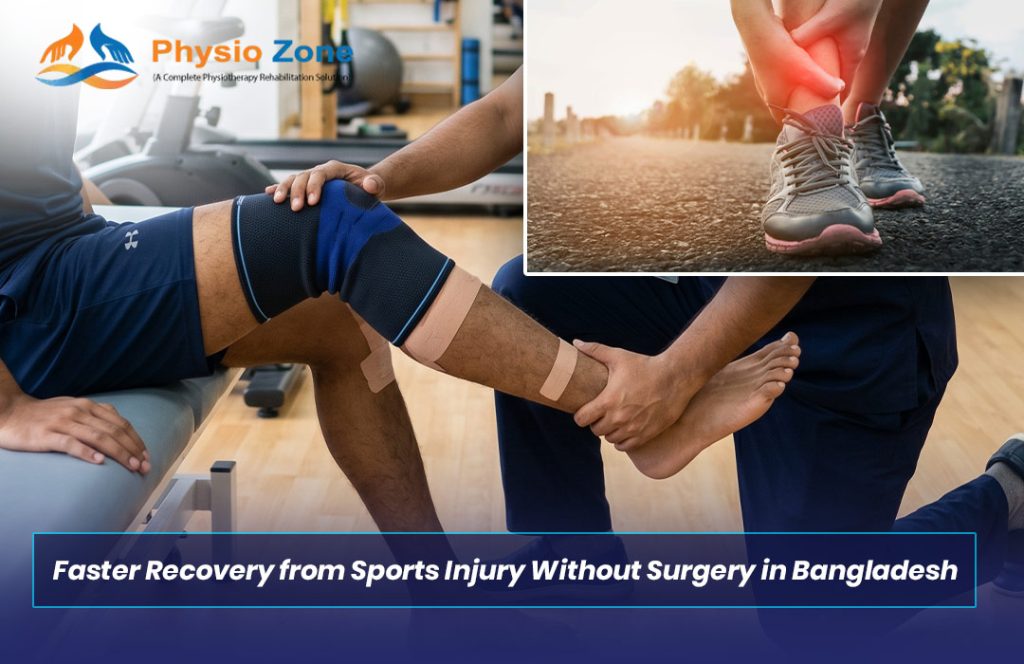
Faster Recovery from Sports Injury Without Surgery in Bangladesh

Sports injuries are more common in Bangladesh than most people think. Whether you play cricket in a local maidan, practice football on a school ground, or train in a gym in Dhaka, the risk of a sprain, strain, or muscle tear is always present. The first reaction of many patients and their families when an injury happens is fear. They worry that surgery is the only way to get better, and that without an operation, they will never perform at full capacity again. Why Surgery Is Not Always the Answer The truth is very different. Modern physiotherapy and non-surgical treatment methods have advanced to the point where a large majority of sports injuries can be treated fully without any surgical procedure. From ankle sprains to partial ligament tears, from lower back pain to rotator cuff issues, non-surgical treatment works remarkably well when done correctly and consistently. This guide explains everything you need to know about recovering from sports injuries without surgery in Bangladesh. It covers first aid, treatment options, the role of physiotherapy, recovery phases, and practical tips you can follow starting today. “In clinical studies, non-surgical physiotherapy-based treatment shows recovery outcomes comparable to surgery for many common sports injuries, including ACL tears and rotator cuff strains, especially when treatment begins early and is followed consistently.” 2. Common Sports Injuries in Bangladesh Before understanding how to recover, it helps to know which injuries are most common among athletes and active people in Bangladesh. Based on cases seen at physiotherapy clinics in Dhaka, the following injuries are reported most frequently: Injury Type Common Sports Treatable Without Surgery Ankle sprain Football, Cricket, Running Yes Knee ligament (ACL/MCL) sprain Football, Basketball, Wrestling Often Yes Hamstring strain Cricket, Athletics, Football Yes Shoulder rotator cuff strain Cricket, Badminton, Swimming Often Yes Tennis/Golfer’s elbow Badminton, Cricket, Tennis Yes Lower back pain Weightlifting, Cricket, Rowing Yes Shin splints Running, Football, Cycling Yes Stress fractures (minor) Running, Athletics Yes (with rest) Each of these injuries responds well to physiotherapy and other non-surgical approaches when managed properly. The key is to start treatment early, follow the correct protocol, and not rush the healing process. 3. Immediate First Aid: The RICE Method The first 24 to 72 hours after a sports injury are the most critical. What you do immediately after getting hurt can either speed up your recovery significantly or make the injury worse. The universally recommended first-aid approach for soft tissue sports injuries is the RICE method. R Rest Stop all activity immediately. Avoid putting weight on the injured area. Complete rest for the first 24 to 48 hours is important to prevent further damage. I Ice Apply an ice pack wrapped in a cloth to the injured area for 15 to 20 minutes every two hours. Never place ice directly on the skin. Cold reduces swelling and pain. C Compression Wrap the injured area with a compression bandage to reduce swelling. Make sure the bandage is firm but not too tight. Remove it if you feel numbness or increased pain. E Elevation Keep the injured limb raised above the level of your heart as much as possible. This reduces blood pooling and helps control swelling in the first few days. ImportantDo not apply heat to a fresh injury in the first 48 to 72 hours. Heat increases blood flow and can make swelling worse at this stage. Avoid massage on the injured area immediately after injury as this can also increase inflammation. After the acute phase passes (usually after 48 to 72 hours), you can transition to gentle heat application and light movement as directed by a physiotherapist. This is when proper professional treatment should begin. 4. Non-Surgical Treatment Methods Modern sports medicine offers a wide range of effective non-surgical treatments. The right combination of these methods, guided by a qualified physiotherapist, can lead to full recovery in most cases. Here are the most commonly used and proven approaches: Manual Therapy Manual therapy involves hands-on techniques performed by a trained physiotherapist to improve joint mobility, reduce muscle tightness, and restore normal movement patterns. This includes joint mobilization, soft tissue manipulation, and myofascial release. It is especially effective for shoulder injuries, neck pain, and lower back issues. Therapeutic Ultrasound Therapeutic ultrasound uses sound waves to deliver heat deep into soft tissue. This promotes blood circulation, accelerates tissue healing, and reduces pain. It is commonly used for ligament injuries, muscle tears, and tendinopathies. The procedure is painless and is administered directly over the injured area during physiotherapy sessions. Transcutaneous Electrical Nerve Stimulation (TENS) TENS therapy uses low-voltage electrical currents to relieve pain. Small electrode pads are placed near the injury site, and the electrical impulses block pain signals from reaching the brain. It also stimulates the production of endorphins, which are the body’s natural painkillers. TENS is widely available at physiotherapy clinics in Dhaka. Dry Needling and Trigger Point Therapy Dry needling involves inserting thin needles into trigger points in muscles to release tension, improve blood flow, and reduce pain. It is particularly useful for chronic muscle tightness and sports injuries where muscle spasms are contributing to the problem. It is different from acupuncture and is specifically used in a physiotherapy context. Kinesio Taping Kinesio taping is a technique where a special elastic tape is applied to the skin over or around the injured area. The tape supports muscles and joints without restricting movement, reduces swelling by lifting the skin slightly, and provides sensory feedback to help with proper movement. Athletes often continue their daily activities with kinesio tape applied. Shockwave Therapy Extracorporeal shockwave therapy (ESWT) is a newer technology now available at leading physiotherapy centers in Dhaka. It delivers high-energy sound waves to the injury site to break down scar tissue, stimulate new blood vessel growth, and accelerate healing of tendons and ligaments. It is especially effective for chronic conditions like plantar fasciitis and shoulder tendinopathy. Laser Therapy: Low-level laser therapy reduces inflammation and promotes cellular repair in injured tissue. Hydrotherapy: Exercises performed in water reduce the load on

Faster Recovery from Sports Injury Without Surgery in Bangladesh Read More »

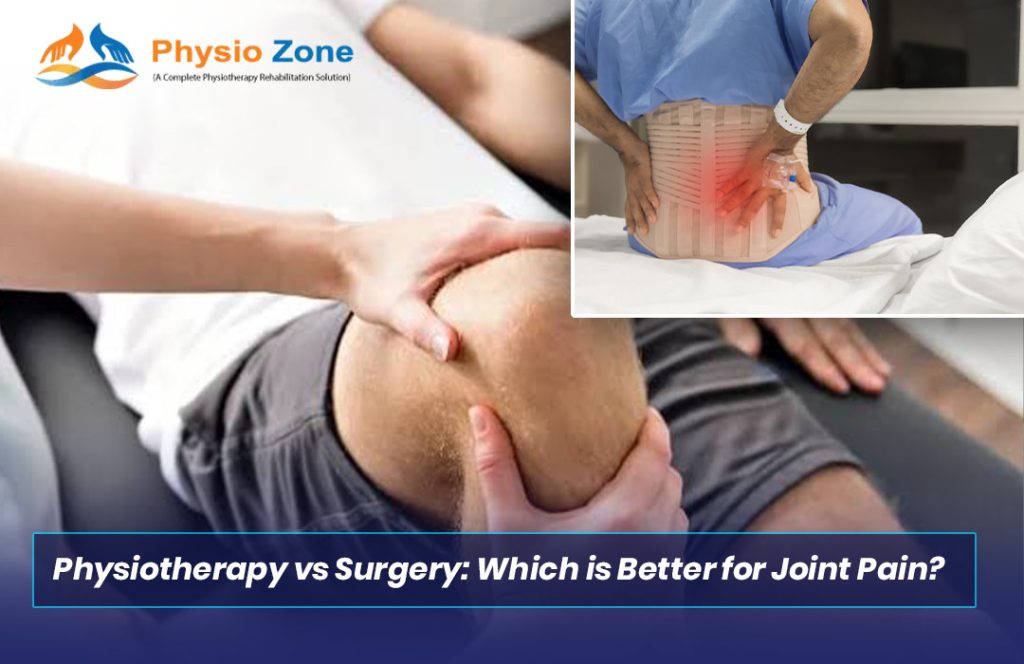
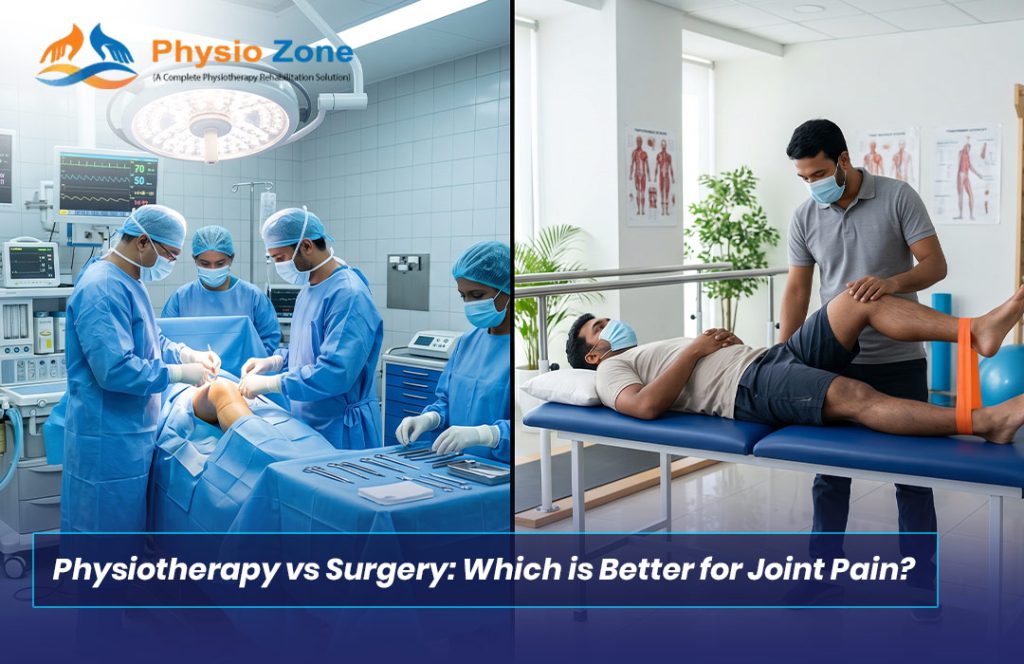
Physiotherapy vs Surgery: Which is Better for Joint Pain?

Joint pain is one of the most common reasons people visit a doctor or physiotherapy clinic. Whether it is your knee, shoulder, hip, or wrist, joint pain can make everyday tasks feel difficult and exhausting. When the pain becomes serious, many people face the same question: Should I go for physiotherapy or should I have surgery? The answer is not always simple. Both options have their place, and the right choice depends on the type of injury, how serious it is, your age, your overall health, and your personal goals. This blog will help you understand both treatments clearly so you can make an informed decision. At Physio Zone BD, we believe that many patients can recover fully through evidence-based physiotherapy — without needing to go under the knife. What Causes Joint Pain? Joints are the connecting points between bones. They allow your body to move. When a joint becomes damaged, inflamed, or injured, you feel pain and stiffness. Some of the most common causes include: Osteoarthritis is the most widespread cause, where the cartilage inside the joint slowly wears down over time. Ligament tears, such as an ACL injury in the knee, are common among athletes and active individuals. Tendinitis, bursitis, meniscus injuries, rotator cuff tears in the shoulder, and post-fracture stiffness are also frequently seen in physiotherapy clinics. Inflammatory conditions like rheumatoid arthritis can also cause severe joint damage if left untreated. Understanding the root cause of your pain is the first step toward choosing the right treatment. What Is Physiotherapy? Physiotherapy is a non-surgical treatment that helps the body heal through movement, exercise, manual therapy, and the use of therapeutic equipment. A qualified physiotherapist assesses your condition and designs a treatment plan tailored specifically for you. What happens during physiotherapy sessions? Your therapist will first evaluate your joint’s range of motion, strength, and pain level. They will then guide you through targeted exercises that strengthen the muscles around the joint, which reduces stress and improves stability. Manual therapy techniques such as joint mobilization, soft tissue massage, and dry needling may also be used depending on the condition. Modern physiotherapy also uses equipment such as ultrasound therapy, TENS (transcutaneous electrical nerve stimulation), shockwave therapy, and laser therapy to accelerate healing. Heat and cold therapy, taping, and postural correction are also important parts of a comprehensive treatment plan. Research published in leading medical journals shows that for many common joint conditions including knee osteoarthritis, rotator cuff injuries, and lower back pain, physiotherapy produces outcomes comparable to surgery, with far fewer risks and a much shorter recovery time. What Is Joint Surgery? Joint surgery involves a medical procedure where a surgeon physically repairs, reconstructs, or replaces part of the joint. Surgery is typically performed under anaesthesia and may require a hospital stay of one or more days. Types of joint surgery Arthroscopy is a minimally invasive procedure where a small camera is inserted into the joint to repair damage. Joint replacement surgery, such as total knee replacement or hip replacement, is performed when the joint is severely deteriorated. Ligament reconstruction, cartilage repair, and osteotomy (a procedure to realign the bones) are other common surgical options. While surgery can be life-changing for the right patient, it comes with risks including infection, blood clots, nerve damage, prolonged recovery periods, and the need for extensive post-surgical physiotherapy. Physiotherapy vs Surgery: Key Differences Physiotherapy Non-invasive, no cuts or anaesthesia No hospital stay required Lower cost overall Minimal to no side effects Gradual, steady recovery Strengthens surrounding muscles Can be started immediately Treats the root cause of pain Surgery Invasive procedure with anaesthesia Hospital stay often required Higher cost and longer process Risk of infection, bleeding Long post-operative recovery Still requires physiotherapy after Not always immediately available Best for structural damage When to Choose Physiotherapy Physiotherapy should almost always be the first line of treatment for joint pain. Medical guidelines in most countries recommend trying conservative treatment for at least three to six months before considering surgery for conditions like knee osteoarthritis, shoulder impingement, and chronic back pain. Physiotherapy is especially effective in the following situations. If your pain is due to muscle weakness or imbalance, physiotherapy will directly target this problem. For ligament sprains and strains that have not caused a complete tear, exercise and manual therapy can fully restore function. In early to moderate arthritis, guided physiotherapy can significantly reduce pain and delay or prevent the need for surgery. Physiotherapy is also the best option for patients who are not suitable for surgery due to age, other health conditions, or personal preference. The key advantage of physiotherapy is that it does not just reduce pain. It improves your overall physical function, teaches you how to protect your joint in the future, and reduces the risk of the same injury happening again. When Surgery May Be Necessary There are clear situations where surgery is the most appropriate choice. If a ligament is completely torn, such as a full ACL rupture in a young active person, surgical reconstruction is usually required for a stable return to sport. When a joint is severely damaged due to advanced arthritis and physiotherapy has not provided enough relief, joint replacement may be the right step forward. Bone fractures that affect the joint surface, locked joints caused by loose cartilage or bone fragments, and certain types of meniscus tears that block normal movement are also conditions where surgery is often the better option. It is important to understand that surgery is not a cure on its own. Almost every patient who has joint surgery will need physiotherapy afterwards to regain strength, mobility, and function. Recovery and Rehabilitation One of the most important factors people overlook is recovery time. Physiotherapy has no recovery period in the traditional sense. You begin treatment, follow your programme, and progressively improve over weeks to months depending on the severity of your condition. Surgery, on the other hand, requires a period of initial rest and wound healing, followed by gradual rehabilitation. A total knee replacement

Physiotherapy vs Surgery: Which is Better for Joint Pain? Read More »

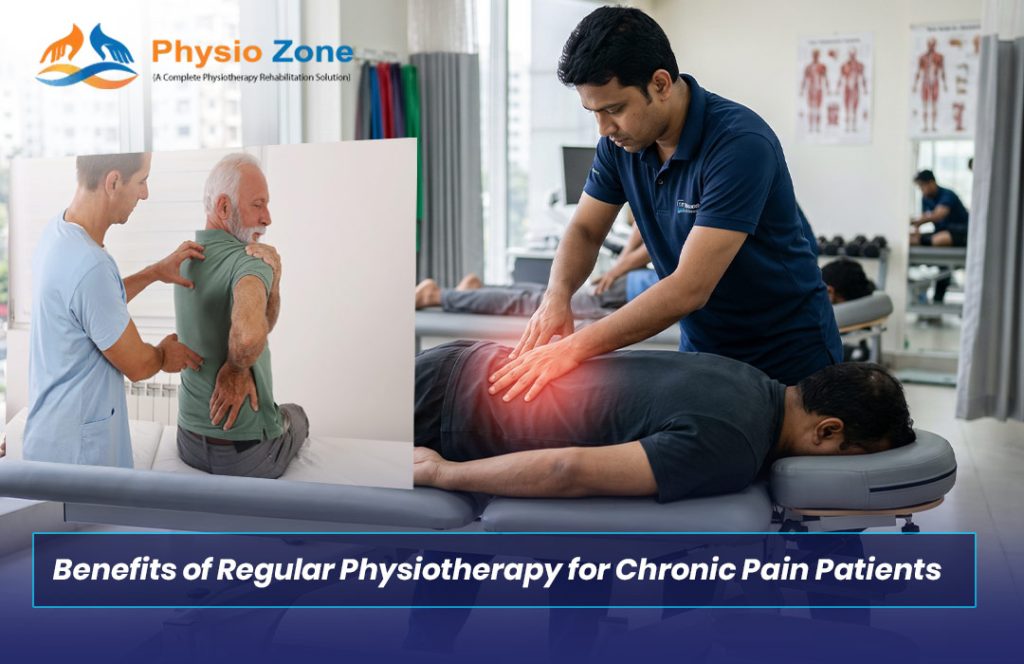
Benefits of Regular Physiotherapy for Chronic Pain Patients

Chronic pain is one of the most exhausting experiences a person can go through. It does not just hurt the body — it drains your energy, disturbs your sleep, limits your movement, and slowly affects every part of your daily life. Millions of people around the world live with chronic pain caused by conditions like back problems, arthritis, nerve damage, sports injuries, and more. Many people rely only on painkillers to manage their pain. While medications can provide short-term relief, they rarely solve the root cause of the problem. This is where physiotherapy makes a real difference. Regular physiotherapy does not just reduce pain — it rebuilds strength, restores movement, and helps patients reclaim their quality of life. In this blog, we will walk you through the full picture of how physiotherapy works for chronic pain patients, what benefits it provides, and why it is one of the most effective long-term solutions available today. What Is Chronic Pain? Chronic pain is defined as pain that lasts for more than three months. Unlike acute pain — which is a direct signal of injury and goes away as the body heals — chronic pain can continue long after the original injury has healed, or it may exist without any clear injury at all. Common causes of chronic pain include: Lower back pain Neck and shoulder pain Arthritis and joint inflammation Fibromyalgia Sciatica and nerve-related pain Post-surgical pain Sports injuries that were not fully rehabilitated Repetitive strain injuries from desk work or physical labor Chronic pain affects not just the body but also the mind. Many patients experience anxiety, depression, sleep disturbances, and reduced motivation over time. This is why a comprehensive treatment approach — like physiotherapy — is so important. What Is Physiotherapy? Physiotherapy, also known as physical therapy, is a healthcare discipline that focuses on restoring movement, reducing pain, and improving physical function through evidence-based techniques. A qualified physiotherapist assesses the patient’s condition and designs a personalized treatment plan. Physiotherapy is not a one-size-fits-all treatment. It involves a wide range of techniques depending on the patient’s specific condition, pain level, age, and overall health. These techniques may include: Manual therapy (hands-on joint and soft tissue techniques) Therapeutic exercises and stretching Electrotherapy (TENS, ultrasound therapy) Heat and cold therapy Dry needling Postural correction Patient education and lifestyle advice The goal of physiotherapy is not just to reduce pain temporarily — it is to identify the underlying cause, correct it, and empower the patient to maintain their health long-term. Key Benefits of Regular Physiotherapy for Chronic Pain Patients 1. Reduces Pain Without Dependence on Medication One of the most significant advantages of physiotherapy is that it addresses pain without the side effects or dependency risks that come with long-term painkiller use. Through manual therapy, targeted exercises, and electrotherapy, physiotherapists can reduce inflammation, release muscle tension, and stimulate the body’s own pain-relief mechanisms. For patients who have been on medication for months or years, physiotherapy can often help reduce the need for drugs over time — improving overall health in the process. 2. Improves Mobility and Flexibility Chronic pain often leads to reduced movement. When movement becomes painful, people avoid it — and over time, muscles tighten, joints stiffen, and flexibility decreases. This creates a painful cycle: the less you move, the more pain you feel, and the more pain you feel, the less you want to move. Regular physiotherapy breaks this cycle. Physiotherapists guide patients through carefully designed stretching and mobility exercises that gradually restore range of motion. Over weeks and months, patients find that everyday activities — walking, climbing stairs, bending, or reaching — become easier and less painful. 3. Strengthens Muscles That Support Painful Areas Weak muscles are a major contributor to chronic pain, especially in the back, knees, hips, and neck. When the muscles around a joint are too weak, that joint bears excessive stress, leading to pain and further damage. Physiotherapy includes targeted strengthening exercises that build up the muscles supporting painful areas. Stronger muscles mean better joint stability, reduced pressure on sensitive structures, and less pain over time. This is particularly important for conditions like osteoarthritis, lumbar disc problems, and post-surgical recovery. 4. Prevents Future Injuries and Pain Flare-Ups A good physiotherapy program does not just treat current pain — it prepares the body to resist future problems. Physiotherapists teach patients how to move correctly, how to maintain good posture, and how to perform daily activities in ways that do not strain their bodies. Many patients who complete a proper physiotherapy program report fewer pain flare-ups and a much lower chance of re-injury. This preventive aspect of physiotherapy is one of the most valuable long-term benefits. 5. Provides Personalized, One-on-One Care Every patient is different. Two people with the same diagnosis — say, lower back pain — may have completely different causes, movement patterns, and contributing factors. Physiotherapy is built on individualized assessment and treatment. Unlike general exercise videos or generic advice, a physiotherapist examines your specific condition, your movement habits, your lifestyle, and your goals. They then create a plan that is designed specifically for you — making it far more effective than a generic approach. If you are looking for this kind of personalized care in Dhaka, you can book a consultation with our expert physiotherapists at PhysioZone BD and take the first step toward a pain-free life. 6. Supports Mental Health and Emotional Well-Being Living with chronic pain takes a serious toll on mental health. Studies consistently show that people with chronic pain have significantly higher rates of depression and anxiety compared to the general population. The connection between physical pain and emotional suffering is very real. Regular physiotherapy sessions have been shown to improve mood, reduce anxiety, and boost a patient’s sense of control over their condition. This happens for several reasons: Exercise releases endorphins, the body’s natural mood-boosting chemicals Progress in mobility and pain reduction builds confidence The supportive relationship with a physiotherapist provides motivation and encouragement Learning to understand and manage

Benefits of Regular Physiotherapy for Chronic Pain Patients Read More »

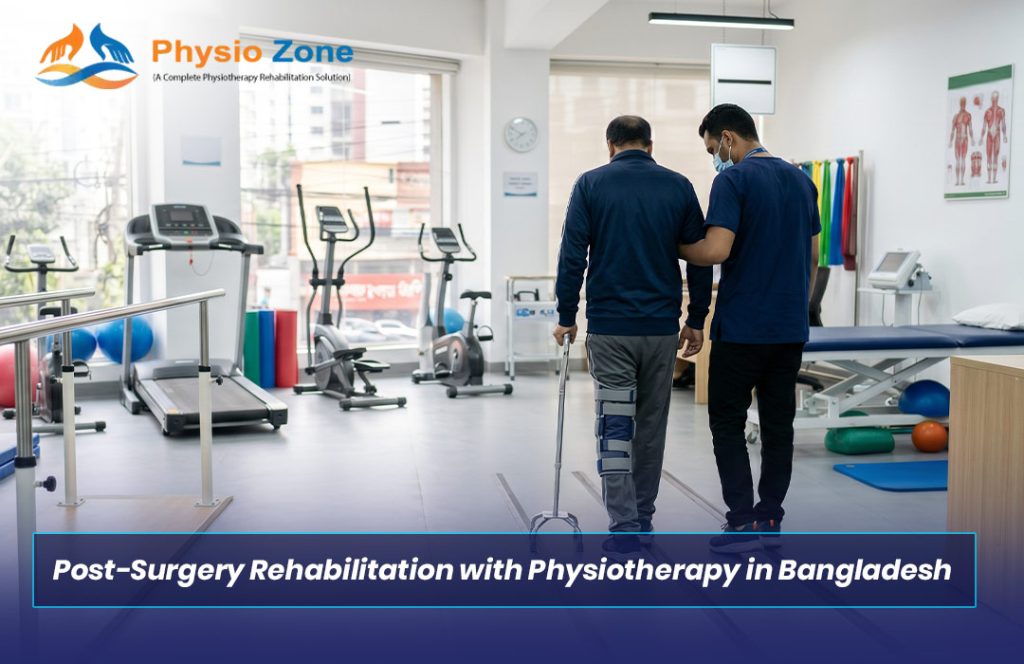
Post-Surgery Rehabilitation with Physiotherapy in Bangladesh

Surgery is only the first step of healing. The real journey of recovery begins after the operation is complete. For many patients in Bangladesh, returning to normal life after surgery depends on one critical factor: proper post-surgery rehabilitation through physiotherapy. Without it, muscles weaken, joints stiffen, and the risk of complications rises. With it, patients recover faster, regain strength, and return to their daily activities with confidence. This guide is for patients who have recently had surgery, family members supporting a loved one through recovery, and anyone who wants to understand what post-operative physiotherapy actually involves in Bangladesh. We explain everything in simple, clear language so that you can make the best decisions for your health or the health of someone you care about. What is Post-Surgery Rehabilitation? Post-surgery rehabilitation is a structured medical process that helps a person regain physical function after an operation. It involves guided exercises, manual therapy, pain management, and education to help the body heal properly. The goal is to restore movement, rebuild strength, reduce pain, and prevent future complications. Physiotherapy is the most important part of post-surgery rehabilitation. A trained physiotherapist assesses the patient’s condition, creates an individual recovery plan, and guides them step by step through the recovery process. Rehabilitation is not just about physical recovery. It also helps patients regain their confidence, manage anxiety about their body, and return to their work and social life. Post-surgery rehabilitation is not optional. It is a medical necessity. Skipping physiotherapy after major surgery can lead to permanent stiffness, muscle weakness, poor balance, and chronic pain.   Why Physiotherapy After Surgery is Important After any surgery, the body goes through a natural healing process. Tissues repair, swelling gradually reduces, and the body tries to return to normal. However, surgery also causes the surrounding muscles to weaken and joints to become stiff, because of inactivity, pain, and the trauma of the operation itself. Without professional guidance, this natural process can go wrong in several ways. Here is why physiotherapy is essential after surgery: 1. Prevents Muscle Weakness and Atrophy When a person stops using a limb or body part after surgery, the muscles lose strength very quickly. A physiotherapist introduces controlled exercises at the right time to stop this deterioration and rebuild the muscles progressively. 2. Restores Joint Mobility After knee replacement, hip surgery, or shoulder operations, the joint tends to become stiff. Specific physiotherapy movements and manual therapy techniques help restore the normal range of movement in the joint, making daily tasks like sitting, walking, and climbing stairs possible again. 3. Controls Swelling and Pain Techniques like ice therapy, ultrasound, TENS (Transcutaneous Electrical Nerve Stimulation), and specific exercises reduce post-operative swelling and manage pain without relying entirely on medication. 4. Reduces the Risk of Blood Clots After lower limb surgeries, the risk of deep vein thrombosis (blood clots in the leg veins) increases with prolonged bed rest. Early physiotherapy involving ankle pumps and gentle walking significantly reduces this dangerous risk. 5. Prevents Scar Tissue Problems After surgery, scar tissue forms naturally. If left untreated, excessive scar tissue can restrict movement and cause long-term tightness. Physiotherapists use techniques like scar mobilization and soft tissue massage to manage this. 6. Restores Balance and Coordination Surgeries on the lower limbs, spine, and hips can affect the body’s balance and coordination systems. Physiotherapy exercises specifically target these systems to prevent falls and help patients move safely and confidently.   Need post-surgery physiotherapy? Contact PhysioZone BD Our team of experienced physiotherapists in Dhaka is ready to help you plan your recovery.   Common Surgeries That Require Physiotherapy Almost every major surgery requires some form of post-operative physiotherapy. The type and duration of rehabilitation depends on the nature of the surgery, the patient’s age, overall health, and the goals of recovery. Below is an overview of the most common surgeries that require structured physiotherapy in Bangladesh. Type of Surgery Common Goal of Rehabilitation Typical Recovery Duration Knee Replacement (TKR) Restore bending, walking, and stair climbing 3 to 6 months Hip Replacement (THR) Rebuild hip strength, balance, and safe movement 3 to 6 months Spinal Surgery (Discectomy, Fusion) Regain core strength, posture, and pain-free movement 3 to 12 months ACL Reconstruction (Knee Ligament) Full return to sport and functional activities 6 to 9 months Rotator Cuff Repair (Shoulder) Restore shoulder strength and range of motion 3 to 6 months Cardiac Surgery (Bypass, Valve) Improve heart function, breathing, and general fitness Ongoing (cardiac rehab program) Fracture Fixation (ORIF) Restore limb function and return to daily activities 2 to 5 months Abdominal Surgery Breathing rehab, core strength, safe mobilization 4 to 8 weeks Stroke Surgery / Neurosurgery Neurological recovery, mobility, speech support 6 months to several years Important Note for Bangladeshi Patients In Bangladesh, the most frequently seen post-surgery cases in physiotherapy clinics are knee replacement, spinal surgery, and fracture fixation. Many patients also come after road accident surgeries, which are unfortunately very common across the country.   The Phases of Post-Surgery Recovery Recovery after surgery does not happen all at once. It takes place in distinct stages, and physiotherapy goals change at each stage. Understanding these phases helps patients set realistic expectations and stay motivated throughout their rehabilitation journey. Acute Phase: Days 1 to 7 After Surgery This is the immediate post-operative period. The focus is on controlling pain and swelling, starting very gentle movements, preventing blood clots with ankle and breathing exercises, and helping the patient sit up, transfer out of bed, and take first steps safely. The physiotherapist works closely with the surgical team during this phase. Sub-Acute Phase: Weeks 2 to 6 In this phase, the patient moves more independently. The therapist increases the intensity of exercises, begins strengthening the muscles around the operated area, works on balance training, and starts functional activities like walking longer distances, going up and down stairs, and dressing independently. Pain should be reducing significantly at this point. Rehabilitation Phase: Weeks 6 to 12 and Beyond This is when the patient works toward full recovery.

Post-Surgery Rehabilitation with Physiotherapy in Bangladesh Read More »

Best Physiotherapy Center In Uttara, Dhaka

If you are searching for the best physiotherapy center in Uttara, Dhaka, you are already taking the right step toward better health. Whether you are dealing with back pain, recovering from a stroke, managing a sports injury, or looking for rehabilitation after surgery, finding the right physiotherapy center matters greatly. Uttara is one of the most well-planned residential and commercial areas in Dhaka. Over the years, it has become a hub for quality healthcare services. Among all the physiotherapy centers available in this area, Physio Zone stands out as one of the most trusted, modern, and patient-focused centers in the entire country. This blog will walk you through everything you need to know — from what physiotherapy is, to what services are available, to how you can get started with treatment at Physio Zone in Uttara. 2. Why Physiotherapy Is Important Many people think physiotherapy is only for those who have had accidents or surgeries. That is a common misconception. Physiotherapy is a health science discipline that helps people of all ages recover from pain, injury, and physical limitations. It is also used to prevent injuries from becoming worse over time. Here is why physiotherapy matters in everyday life: Pain relief without relying on medicine is one of the greatest benefits. Physiotherapy uses hands-on techniques and advanced equipment to reduce pain at the source, not just mask it. Physiotherapy restores movement and function. If you have difficulty walking, lifting your arms, or sitting for long periods, a physiotherapist can help you regain those abilities through targeted exercises and manual therapy. It supports recovery after surgery or illness. After joint replacement surgery, a stroke, or a serious injury, the body needs guided rehabilitation. Physiotherapy makes that recovery faster and more complete. Physiotherapy also prevents future injury. By correcting posture, strengthening weak muscles, and improving flexibility, physiotherapy reduces the risk of recurring problems. Finally, it improves quality of life. People with chronic conditions like arthritis, neurological disorders, or breathing difficulties can live more comfortably and independently with regular physiotherapy support. 3. Why Choose a Physiotherapy Center in Uttara Uttara, Dhaka is home to a large and growing population. Many residents are professionals, families, and elderly individuals who need consistent access to quality healthcare without traveling to the busier parts of the city. Choosing a physiotherapy center in Uttara specifically has several practical advantages: Convenience and location. You do not need to deal with heavy traffic or long commutes. A center located in Uttara serves residents of Sector 1 through Sector 14, as well as nearby areas like Diabari, Abdullahpur, and Turag. Modern facilities. Uttara has seen a rise in specialized healthcare centers equipped with updated technology. Patients can now access advanced treatment methods locally, without going to Dhanmondi or Gulshan. Qualified professionals nearby. The best physiotherapy centers in Uttara employ trained and certified physiotherapists who follow evidence-based practices, meaning your treatment is based on proven clinical research. Home visit options. Some centers in Uttara, including Physio Zone, also provide home-visit physiotherapy services for patients who are unable to travel due to their condition. Physio Zone is one of the most modern physiotherapy centers in Bangladesh. Located in the heart of Uttara, it has built a strong reputation for delivering comprehensive, high-quality rehabilitation and physiotherapy services to patients of all ages and conditions. Location: 22, Rabindra Sharani Road, Sector 07, Uttara, Dhaka-1230 (2nd Floor, Comfort Diagnostic Center, Uttara) Contact: Phone: +8801978332936 Email: info@physiozonebd.com Why patients trust Physio Zone: The center places a strong emphasis on evidence-based, updated manual therapy combined with modern electrotherapy. Every treatment plan is designed specifically for the individual patient, not a one-size-fits-all approach. All physiotherapists and staff at Physio Zone are highly qualified and skilled professionals. They are trained in the latest physiotherapy practices and use internationally recognized treatment techniques. Physio Zone also has certified dry needling practitioners on their team, which is a significant advantage as this specialized skill is not available at every center. The clinic environment is well-designed, clean, and welcoming, which helps patients feel comfortable and focused on their recovery. To learn more about the team and the center’s background, you can visit the About Us page. 5. Services Offered at Physio Zone Physio Zone provides a wide range of physiotherapy and rehabilitation services, both at the center and at patients’ homes. Below is a detailed look at the core services available: Musculoskeletal Physiotherapy Musculoskeletal physiotherapy focuses on problems affecting the muscles, joints, ligaments, and tendons. This includes back pain, neck pain, knee pain, shoulder issues, and sports-related injuries. If you experience any form of joint pain or complex pain conditions, this service is designed to help you recover fully and prevent recurrence. Learn more on the Musculoskeletal Physiotherapy page. Stroke Rehabilitation A stroke can affect a person’s movement, speech, strength, and daily activities. Stroke rehabilitation at Physio Zone uses a combination of therapies specifically designed to help patients regain lost skills and improve their quality of life. The rehabilitation process is customized based on the extent of the stroke and the patient’s current condition. Learn more on the Stroke Rehabilitation page. Sports Physiotherapy Sports physiotherapy is designed for both professional athletes and recreational players who have sustained injuries or physical problems. It focuses on quick recovery, safe return to activity, and prevention of re-injury. Whether you play cricket, football, or go to the gym regularly, sports physiotherapy at Physio Zone can keep you performing at your best. Learn more on the Sports Physiotherapy page. Neurological Physiotherapy Neurological physiotherapy helps patients with conditions affecting the brain, spinal cord, or peripheral nerves. This includes conditions such as Parkinson’s disease, multiple sclerosis, spinal cord injury, and cerebral palsy. Treatment focuses on improving physical functions like movement, muscle strength, balance, and range of motion. Learn more on the Neurological Physiotherapy page. Gynecological Physiotherapy Gynecological physiotherapy is a specialized area of physical treatment designed specifically for women. It addresses conditions such as perineal pain, pelvic floor dysfunction, terminal constipation, and organ descent. It is also highly effective for

Best Physiotherapy Center In Uttara, Dhaka Read More »

Physiotherapy vs Surgery: Which Is Better for Joint Pain?

Joint pain affects millions of people worldwide, from a young athlete with a knee injury to an older adult living with arthritis. When the pain becomes persistent and starts limiting daily life, the question almost always comes up: should I try physiotherapy, or do I need surgery? The honest answer is that there is no single right answer for everyone. The best choice depends on the type and severity of the joint condition, your age, your overall health, and how much the pain is affecting your quality of life. This guide breaks down both options clearly so you can have a more informed conversation with your healthcare provider. Understanding joint pain Joints are the connections between bones that allow movement. The most commonly affected joints are the knee, hip, shoulder, and spine. Pain in these areas can come from many different causes. Common causes of joint pain Osteoarthritis (wear and tear of cartilage over time) Rheumatoid arthritis (an inflammatory autoimmune condition) Ligament or tendon injuries from sports or accidents Meniscus tears in the knee Rotator cuff problems in the shoulder Post-fracture stiffness and pain Chronic lower back pain related to disc or facet joint problems The cause matters greatly when deciding on treatment. A minor ligament strain responds very differently to treatment than advanced arthritis where the cartilage has almost completely worn away. What is physiotherapy? Physiotherapy, also called physical therapy, is a non-surgical approach to treating pain, weakness, and reduced movement. A qualified physiotherapist assesses the root cause of your problem and creates a personalised treatment plan that may include manual therapy (hands-on joint and soft tissue work), targeted exercises to strengthen the muscles around the joint, electrotherapy such as ultrasound or TENS, dry needling, and education on posture and movement habits. Physiotherapy treats the whole person, not just the painful joint. The goal is to restore function, reduce pain, and prevent the problem from returning, all without a single incision. Modern physiotherapy is evidence-based. Research published in leading medical journals consistently shows that for many joint conditions, structured physiotherapy programmes produce outcomes comparable to surgery, particularly in the short to medium term. If you are in Dhaka and considering physiotherapy, the team at PhysioZone BD offers comprehensive assessments and individualised treatment plans designed around your specific condition and lifestyle. What does surgery involve? Joint surgery ranges from minimally invasive arthroscopic procedures (small incisions using a camera and thin instruments) to major operations like total knee or hip replacement. Surgery is generally recommended when structural damage is severe enough that it cannot be managed with conservative treatment. Recovery from surgery almost always requires physiotherapy afterwards. Even the most successful operation cannot restore movement and strength on its own. The muscles around the joint weaken during immobilisation, and the body needs guided rehabilitation to return to normal function. Surgery carries inherent risks including infection, blood clots, anaesthetic reactions, nerve damage, and the possibility that pain does not fully resolve. These risks are worth weighing carefully alongside the potential benefits. Side-by-side comparison Physiotherapy No surgical risks Can begin immediately Treats the cause, not just symptoms Builds long-term strength and stability Generally lower cost Improves overall mobility No recovery downtime from procedures Surgery Necessary for severe structural damage Can correct mechanical problems directly May provide faster relief in select cases Longer initial recovery period Higher cost overall Requires post-op physiotherapy anyway Outcomes vary by condition and age When physiotherapy works best Physiotherapy is often the recommended first-line treatment for a wide range of joint conditions. Research and clinical guidelines support starting with physiotherapy in the following situations. Early to moderate osteoarthritis For knee and hip osteoarthritis that has not yet reached the bone-on-bone stage, supervised exercise therapy and manual physiotherapy can significantly reduce pain and improve walking ability. Multiple large studies, including trials from the UK and Australia, have found that physiotherapy achieves outcomes similar to arthroscopic surgery for knee arthritis, without the recovery period or risks. Rotator cuff injuries Many partial and even full-thickness rotator cuff tears can be managed successfully without surgery. A progressive strengthening programme targeting the shoulder muscles often leads to full return of function. Surgery is typically considered only when physiotherapy has not produced improvement after three to six months of consistent treatment. Chronic lower back and hip pain The vast majority of back and hip pain cases, including those involving disc issues and facet joint problems, respond well to physiotherapy. Core strengthening, postural correction, and manual therapy form the foundation of effective non-surgical management. Sports injuries Grade one and two ligament sprains, muscle strains, and minor cartilage irritation in athletes are almost universally treated with physiotherapy first. Even anterior cruciate ligament (ACL) tears, once considered an automatic surgical case, are now managed non-surgically in many patients who do not participate in pivoting sports. Not sure whether your joint pain requires surgery? The experienced physiotherapists at PhysioZone BD can assess your condition and guide you toward the right treatment path. Book a consultation in Dhaka When surgery may be necessary There are genuine situations where physiotherapy alone is not enough. Surgery becomes the appropriate choice in the following circumstances. Severe structural damage When imaging shows complete cartilage loss (bone-on-bone arthritis), a fully ruptured tendon, or a severely fractured joint surface, surgery is often the only way to restore function. A total knee or hip replacement, for example, removes the damaged joint surfaces and replaces them with prosthetic components. No amount of physiotherapy can grow new cartilage or repair a completely ruptured tendon on its own. Mechanical instability If the joint is unstable because of a torn ligament that is unlikely to heal, and the person is active or young, surgical reconstruction is usually recommended. This is common in complete ACL tears in athletes who wish to return to competitive sport. Physiotherapy has been tried and failed When a patient has completed a full, supervised course of physiotherapy over several months and there has been little improvement, surgery becomes a more justified option. This is why most

Physiotherapy vs Surgery: Which Is Better for Joint Pain? Read More »

How to Choose the Best Physiotherapy Clinic in Uttara

Physiotherapy is not just about relieving pain for a few days. It is a structured medical process that, when done correctly, helps you recover fully, regain your strength, and prevent the same injury from coming back. A wrong choice can delay your recovery, waste your money, or even make your condition worse. Why choosing the right clinic matters In Uttara, Dhaka, the number of physiotherapy clinics has grown significantly over the past decade. This is good news for patients, but it also means you need to be careful. Not every clinic that calls itself a physiotherapy center offers the same standard of care. The right clinic will have qualified physiotherapists, proper diagnostic tools, a clean and professional environment, and a treatment plan designed specifically for your condition. This guide helps you identify all of those qualities before you make your appointment. Check the qualifications of the physiotherapist The most important step when selecting any healthcare provider is checking their professional credentials. In Bangladesh, a licensed physiotherapist should hold at least a Bachelor of Physiotherapy (BPT) degree from a recognized institution. More experienced clinics also have specialists with postgraduate qualifications. The physiotherapist should have a BPT or MPT degree from an accredited university. Check if they are registered with the Bangladesh Rehabilitation Council or a recognized professional body. Ask whether the clinic has specialist consultants for neurological, orthopedic, or pediatric cases. A good clinic will be transparent about the qualifications and experience of every staff member. Important tip Do not hesitate to ask the clinic directly about the qualifications of the physiotherapist who will be treating you. Any reputable clinic will answer this question openly and with confidence. At Physio Zone in Uttara, all treatment is carried out by qualified and experienced physiotherapy consultants who use evidence-based clinical methods. This is a standard you should expect from any clinic you consider. Look at the range of services offered A good physiotherapy clinic should offer a wide range of treatment services to handle different conditions. If a clinic only specializes in one type of treatment, it may not be equipped to handle your specific needs. Here are the core service categories a well-equipped clinic in Uttara should provide: Musculoskeletal physiotherapy This covers treatment for joint pain, muscle injuries, ligament damage, and sports-related conditions. If you have back pain, knee pain, neck pain, or a shoulder injury, this is the category that applies to you. Neurological physiotherapy This type of treatment is designed for patients recovering from strokes, spinal cord injuries, or conditions like Parkinson’s disease. It focuses on improving movement, muscle function, and daily independence. Pediatric physiotherapy Children with developmental delays, cerebral palsy, or physical injuries benefit greatly from physiotherapy designed specifically for their age group and developmental stage. Gynecological physiotherapy This is a specialized area for women dealing with post-pregnancy recovery, pelvic floor dysfunction, or other female-specific physical conditions. Sports physiotherapy Athletes and active individuals often need targeted treatment to recover quickly and return to full performance. A clinic with sports physiotherapy expertise understands the demands placed on athletic bodies. You can explore the full range of treatments available at Physio Zone’s services page to understand what a comprehensive physiotherapy offering looks like. Modern equipment and treatment technology The quality of equipment used in a clinic directly affects the quality of treatment you receive. Modern physiotherapy goes beyond manual exercises. Advanced clinics now use technology that speeds up recovery and delivers better outcomes. LASER therapy for pain relief and soft tissue repair without surgery or medication side effects. Dry needling for releasing deep muscle tension and trigger points that are difficult to treat manually. Electrotherapy for nerve stimulation, pain management, and muscle re-education. Manual therapy using expert hands-on techniques to restore joint mobility and reduce inflammation. Therapeutic gym facilities for strength training and rehabilitation exercises under professional supervision. What to ask Before booking your first appointment, ask the clinic whether they use LASER therapy or dry needling. These are indicators of a well-invested, modern facility that takes patient outcomes seriously. Physio Zone in Uttara uses modern LASER therapy and has certified dry needling practitioners on staff, which places it among the more advanced physiotherapy facilities in Dhaka. Location and accessibility in Uttara When you are dealing with pain or recovering from an injury, traveling long distances to reach your clinic adds unnecessary stress. A clinic located conveniently within Uttara means you can keep up with your treatment schedule without exhausting yourself. Things to consider when evaluating location: Is the clinic easy to reach from your home or workplace by rickshaw, CNG, or car? Is there a lift or accessible entrance for patients with mobility difficulties? Does the clinic have flexible appointment hours including evenings or weekends? Is there parking available nearby for those who travel by private vehicle? Physio Zone is located at 22, Rabindra Sharani Road, Sector 07, Uttara, Dhaka-1230, on the second floor of Comfort Diagnostic Center. It sits in a central part of Uttara, making it easily accessible from most sectors. You can get directions and contact details here. Patient experience and environment A physiotherapy clinic should feel welcoming, clean, and professional the moment you walk through the door. The environment plays a real role in your recovery. A stressful or disorganized clinic can actually slow down healing. Pay attention to these things during your first visit: Is the reception area clean and well-organized? Are the treatment rooms private enough for you to feel comfortable during your session? Does the staff treat you with patience and explain your treatment plan in clear language? Is there a waiting time problem that suggests the clinic is overbooked and understaffed? Does the physiotherapist take time to understand your specific condition before starting treatment? Red flags to watch If a clinic rushes through your initial assessment, applies a generic treatment without asking about your history, or the staff seem disinterested in your questions, consider looking elsewhere. Good care begins with being heard. Testimonials and patient reviews Word of mouth remains one

How to Choose the Best Physiotherapy Clinic in Uttara Read More »

Message Us on WhatsApp